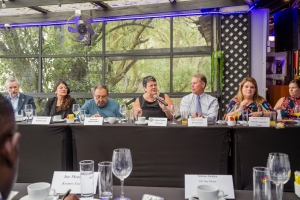
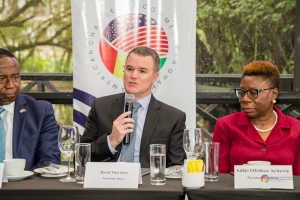
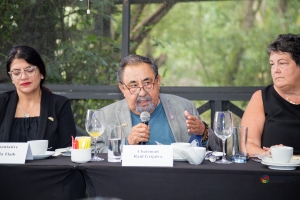
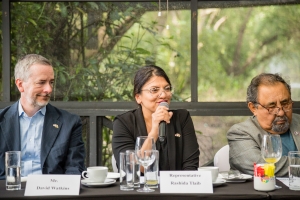
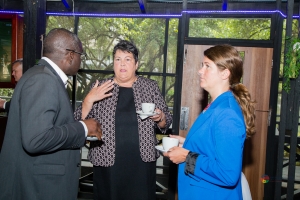
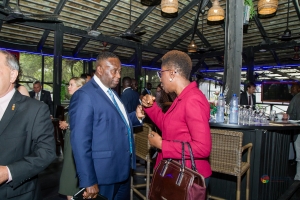
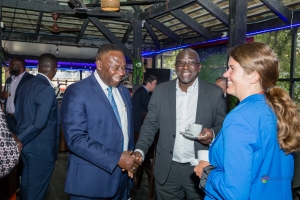
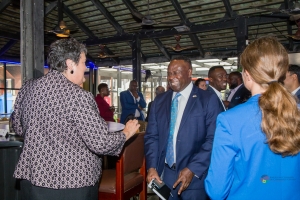
2021 AmCham Ghana Thanksgiving Dinner And Awards Night

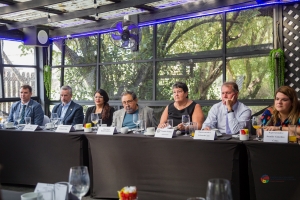
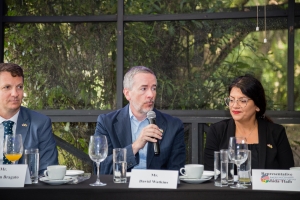
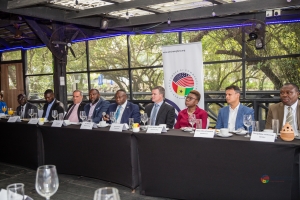
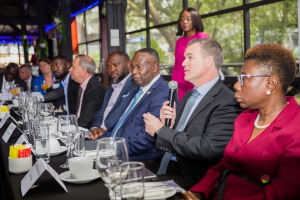
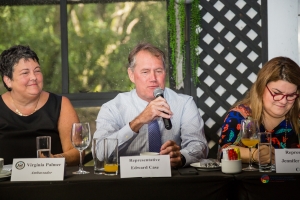
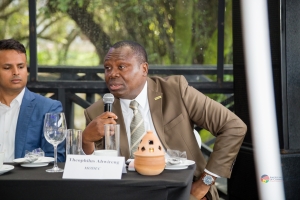
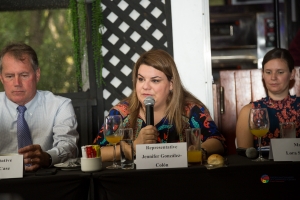
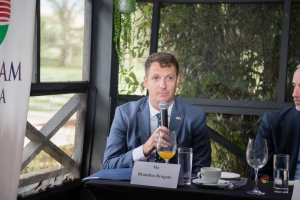
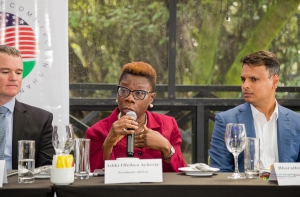
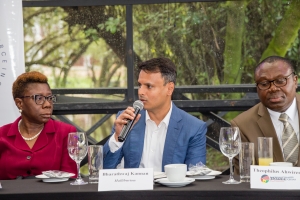
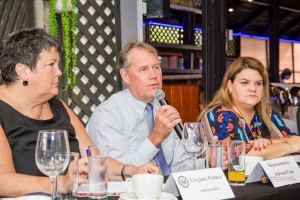
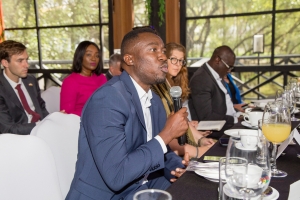
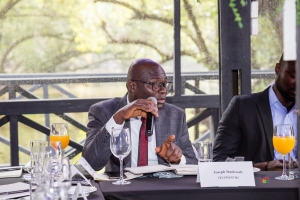
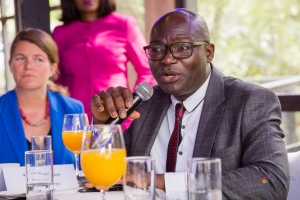
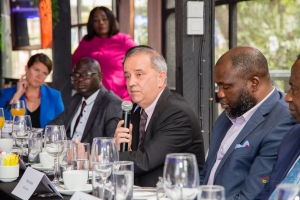
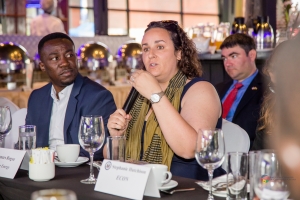
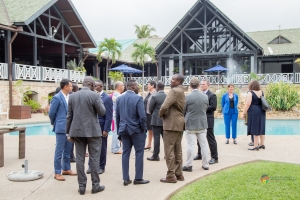
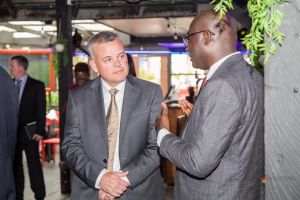
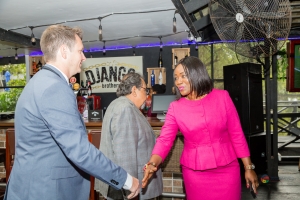
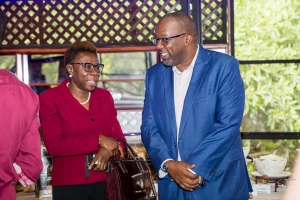
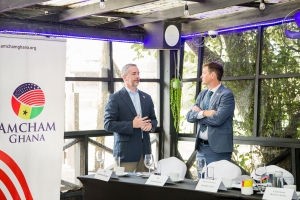
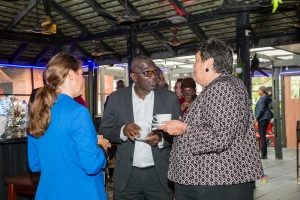
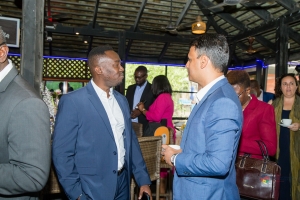
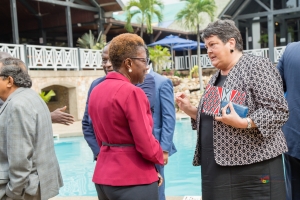
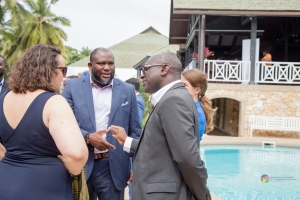
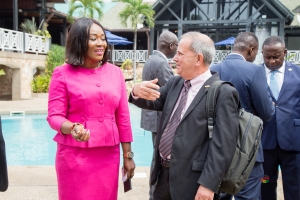
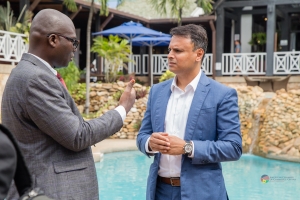
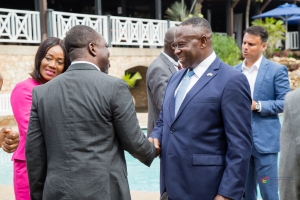
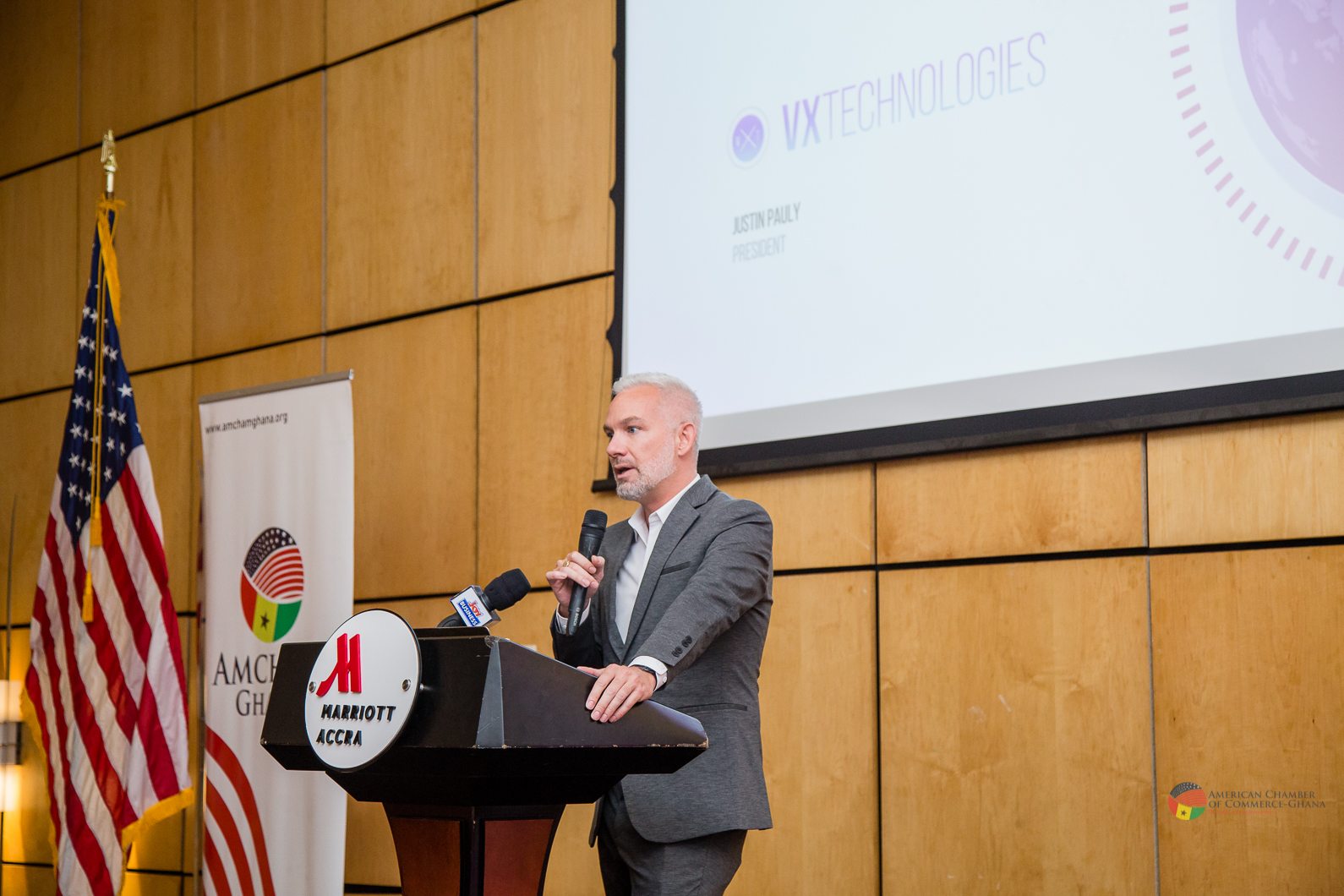
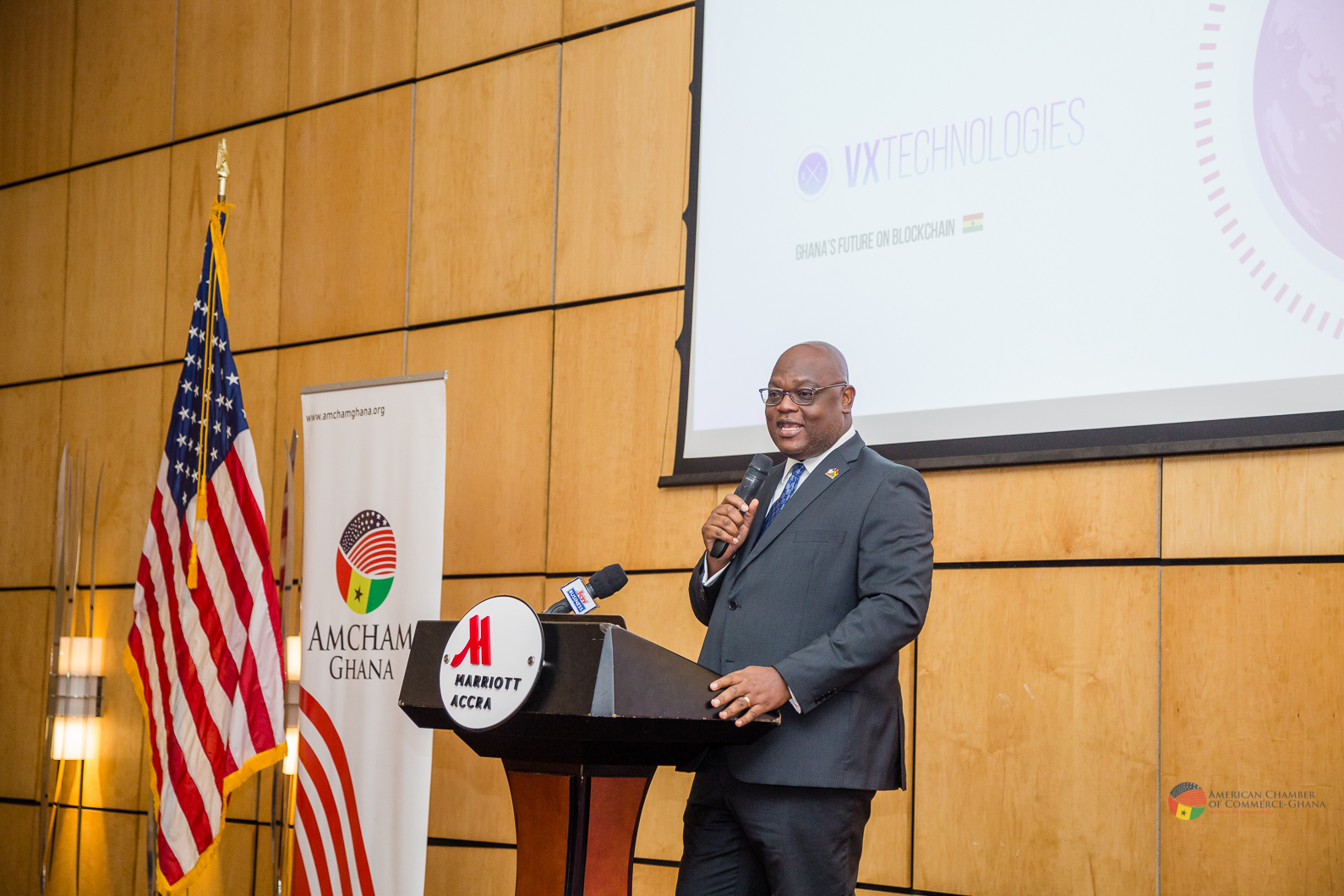
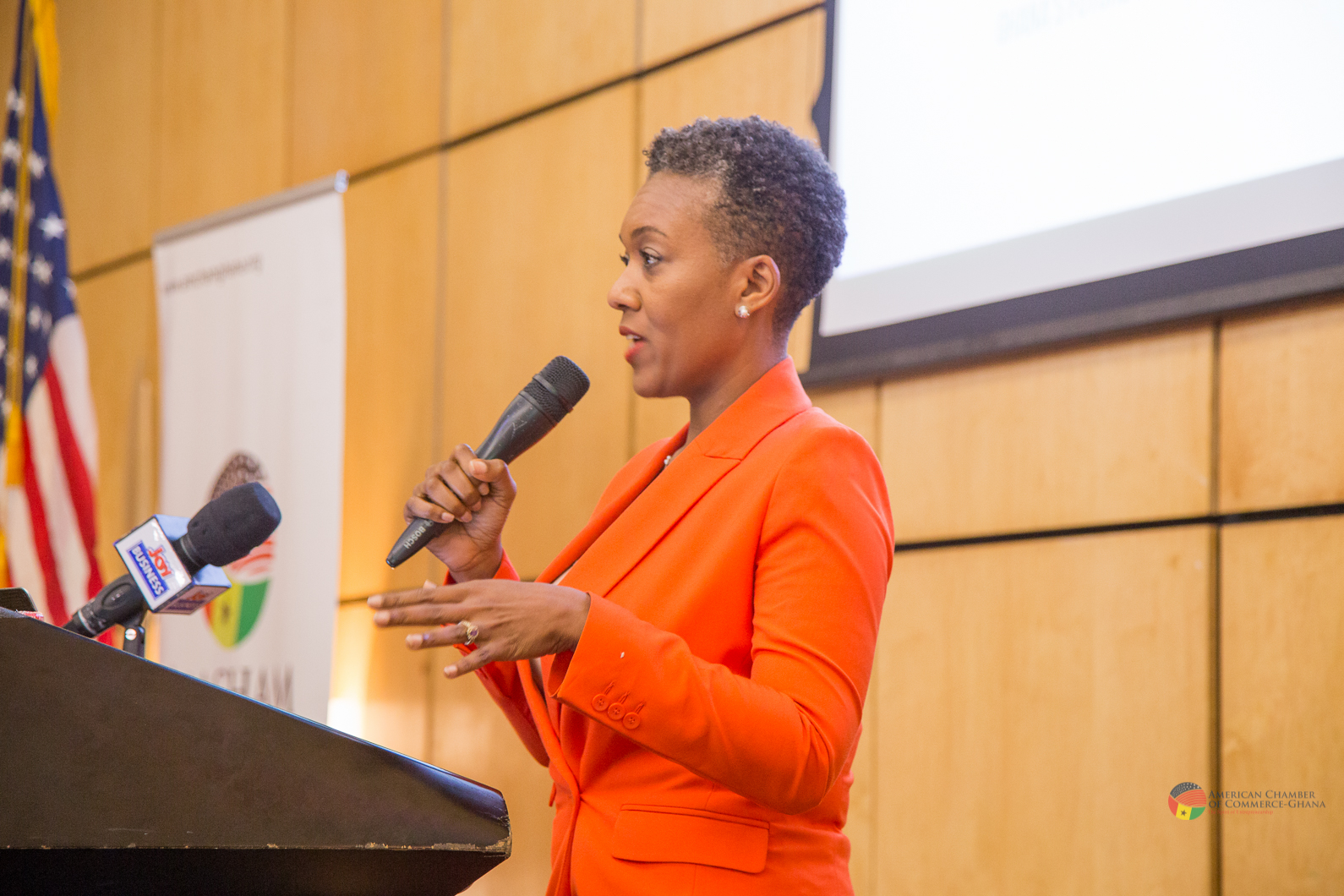
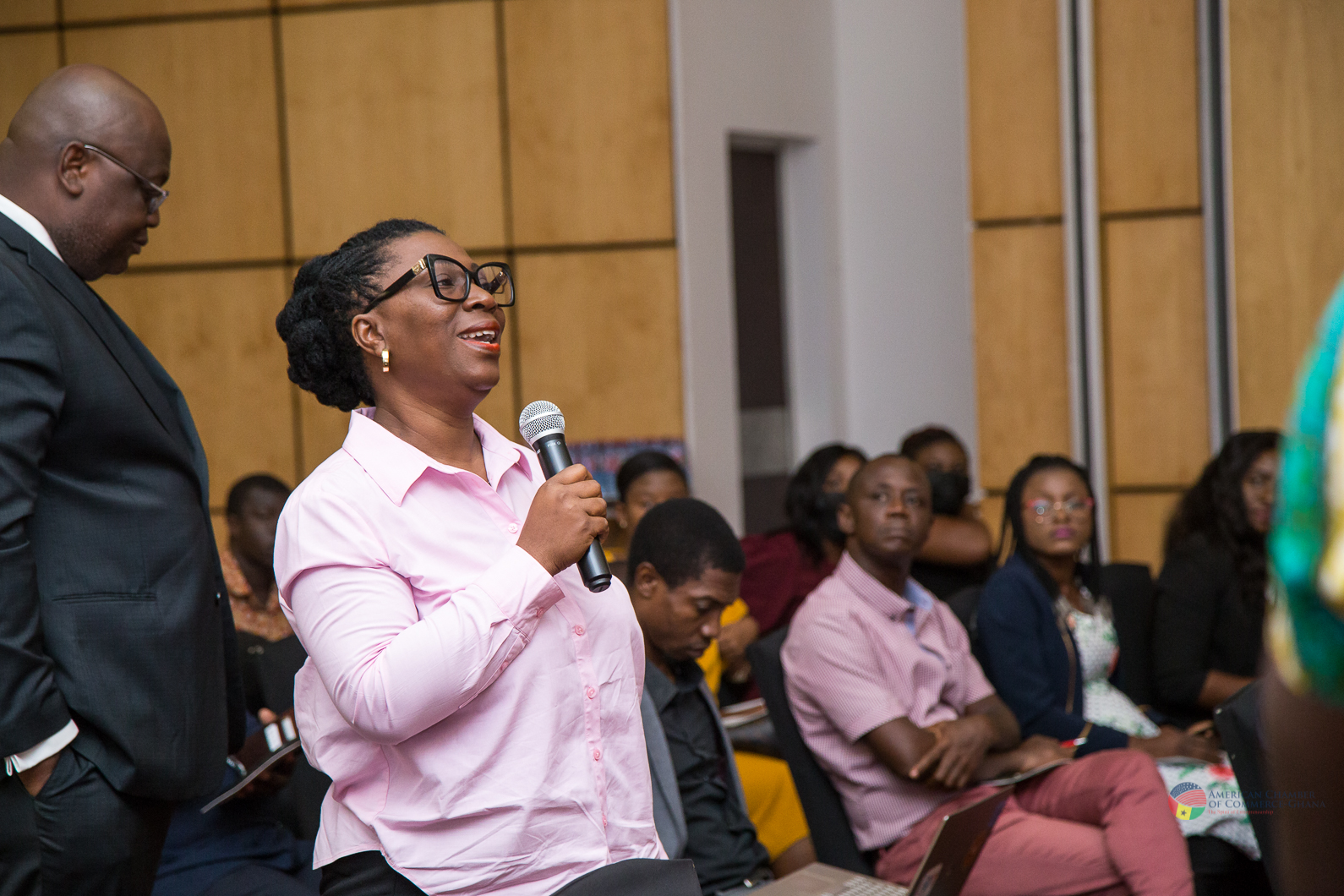
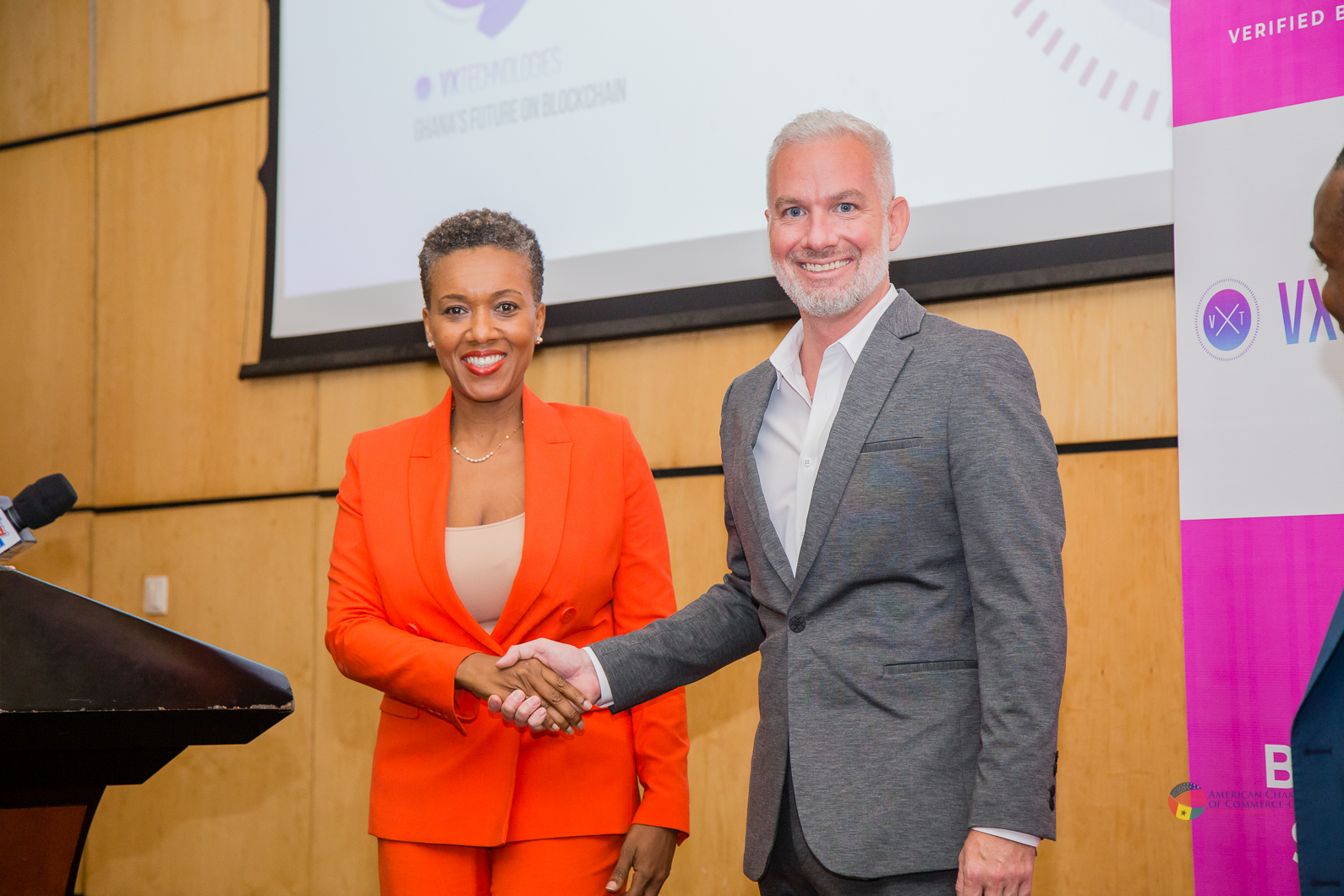
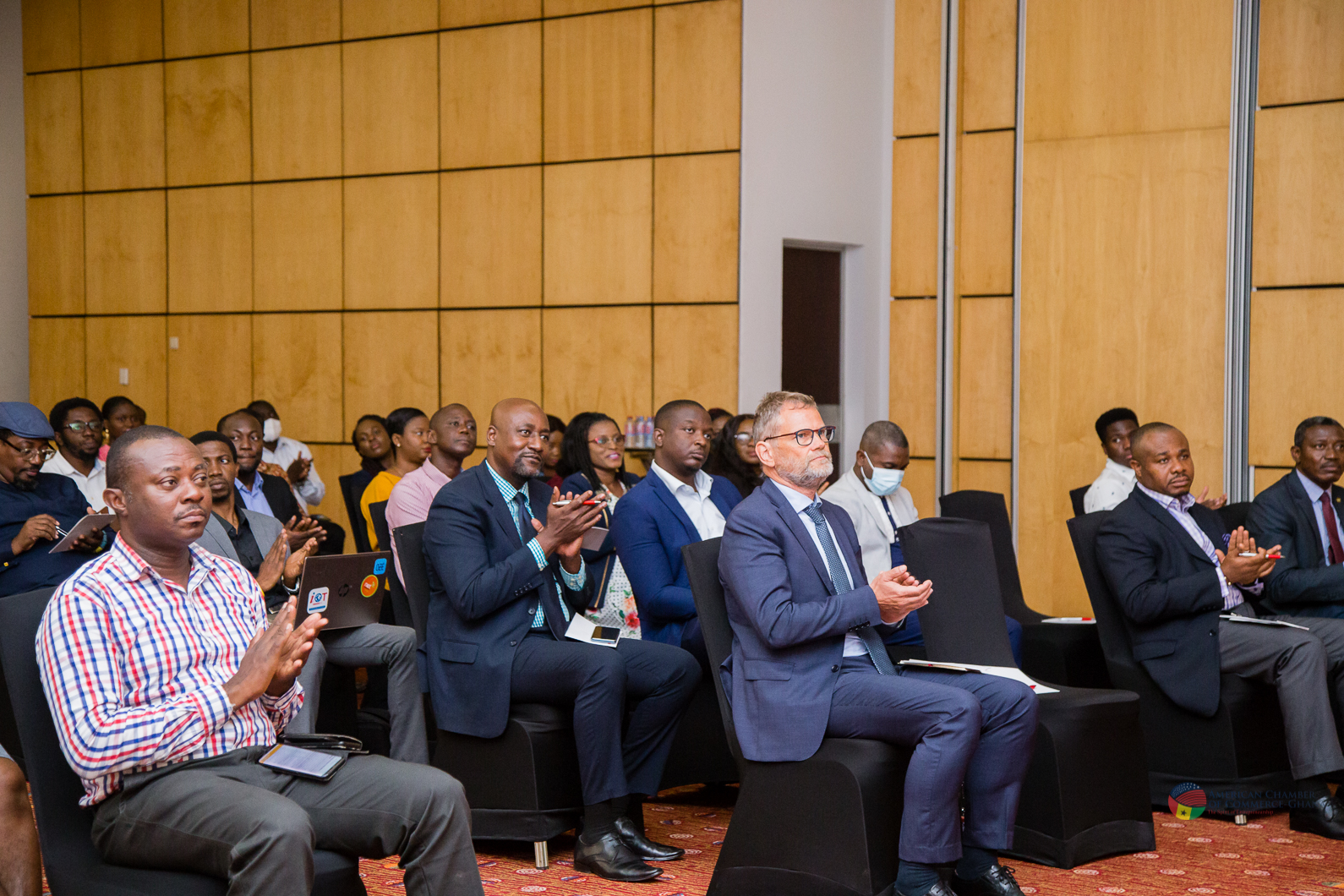
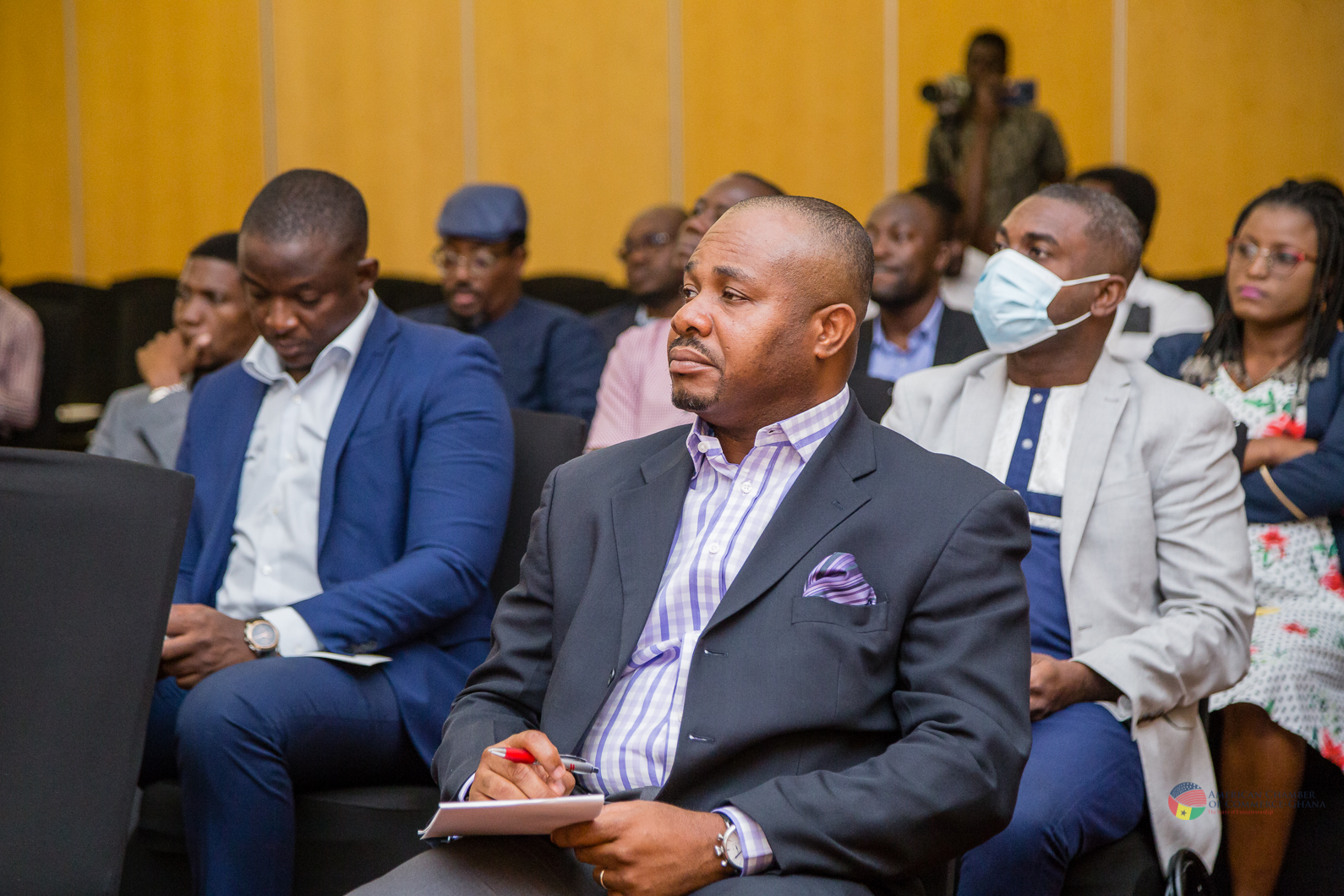
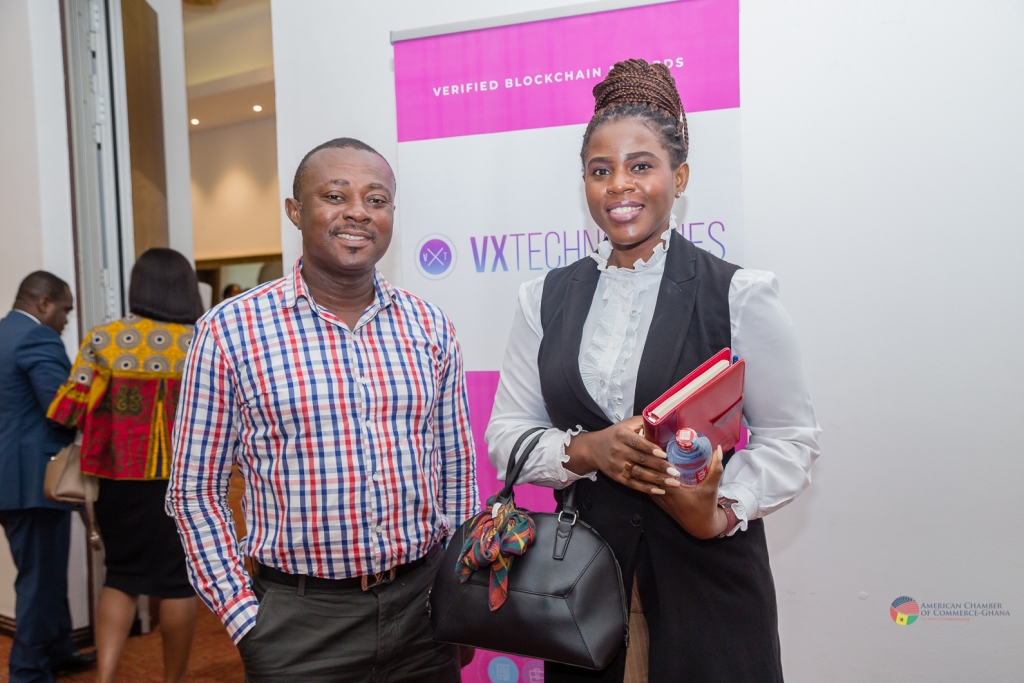
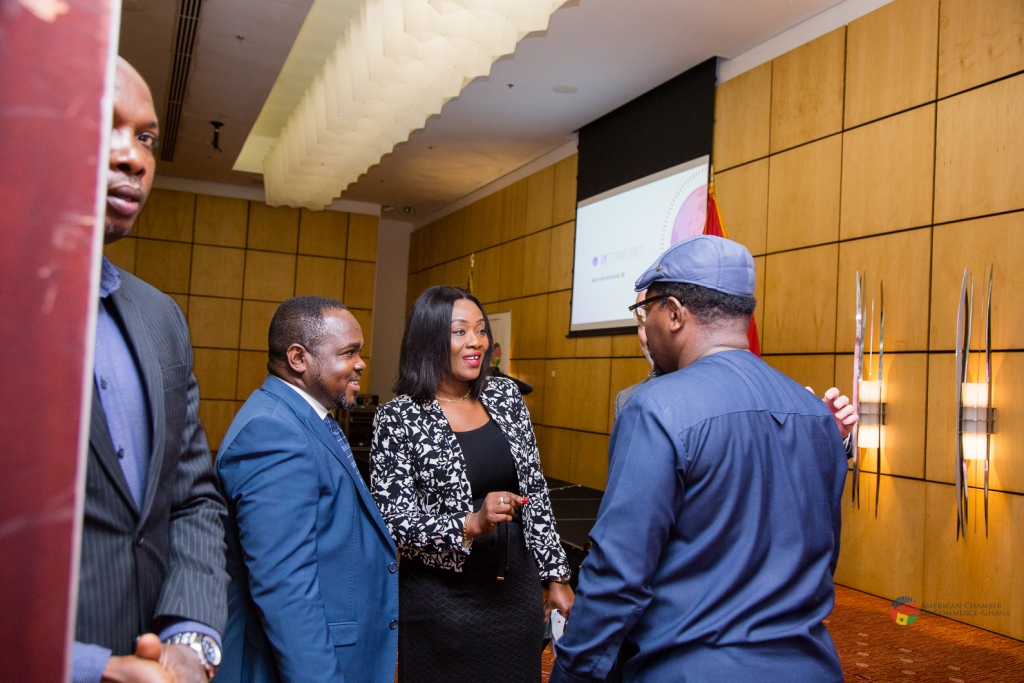
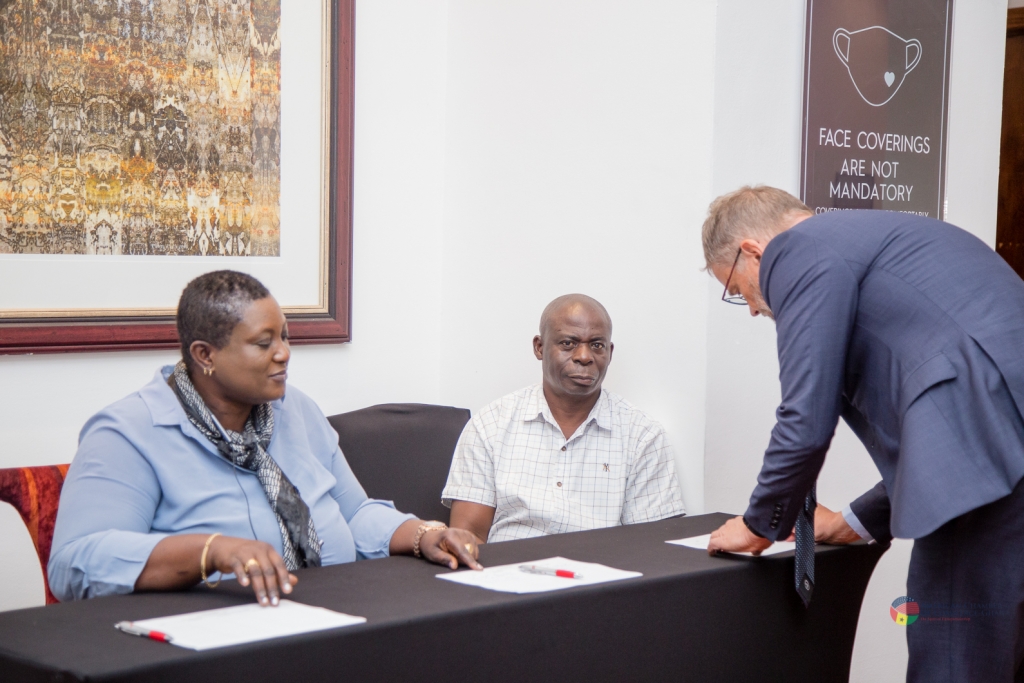
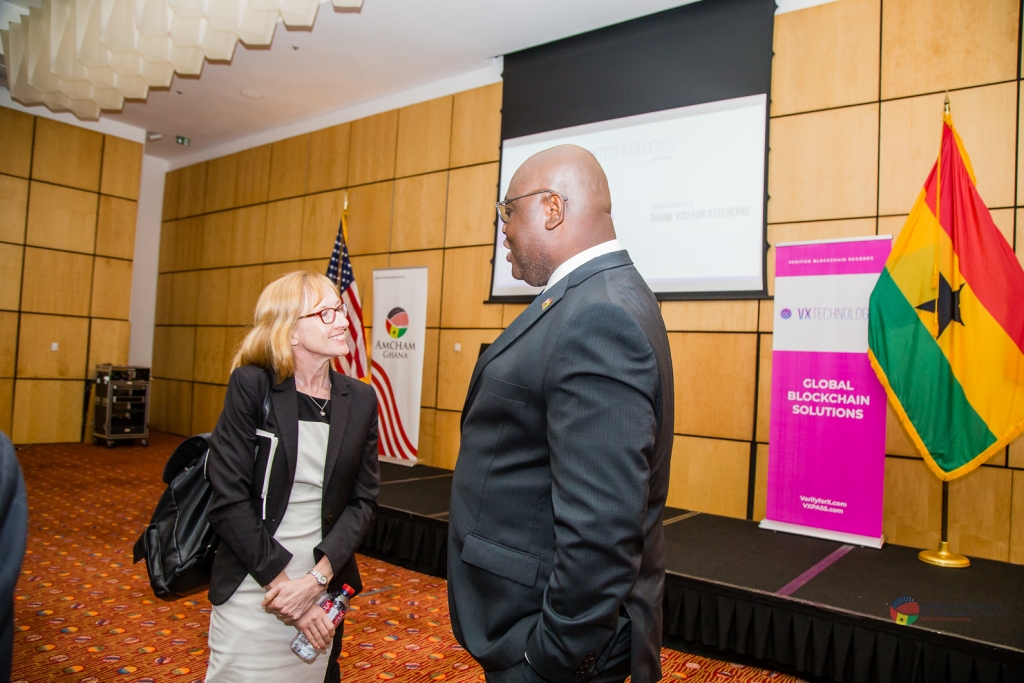
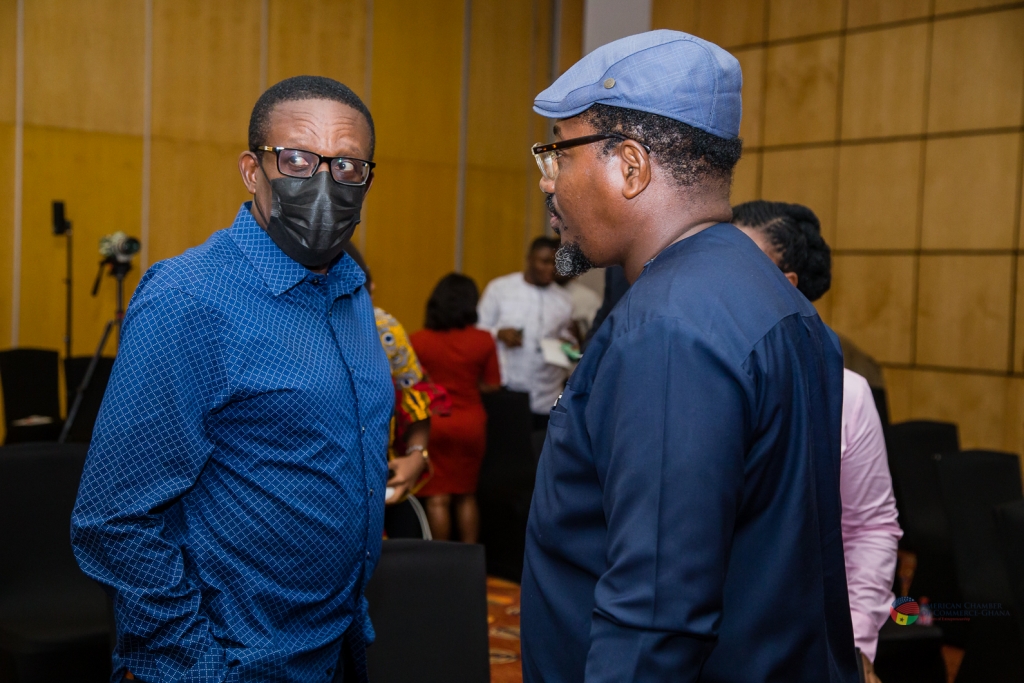
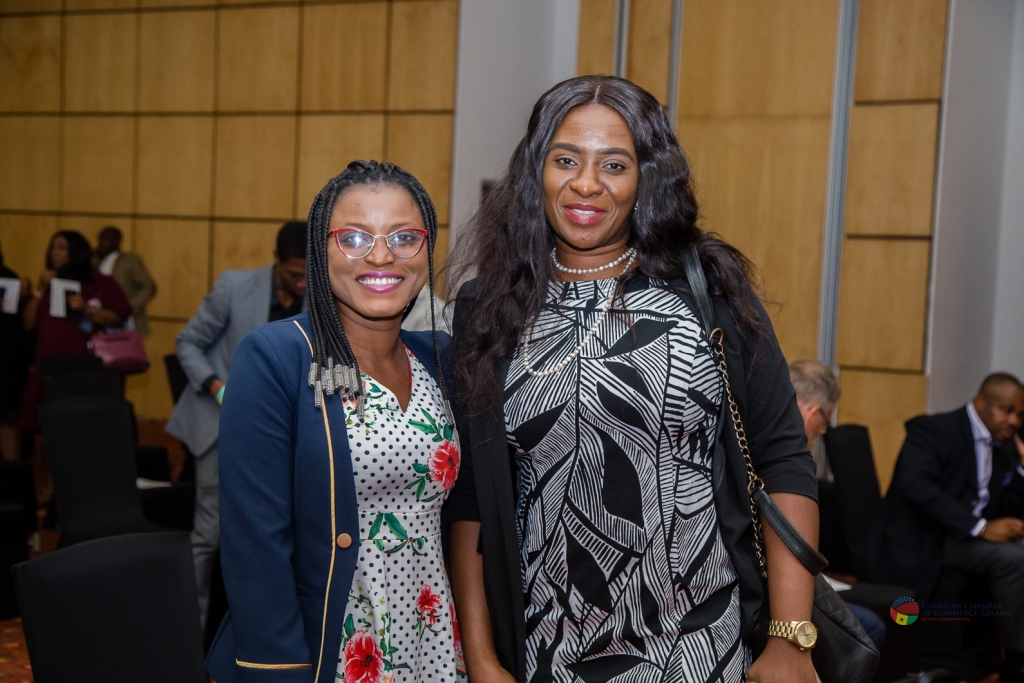
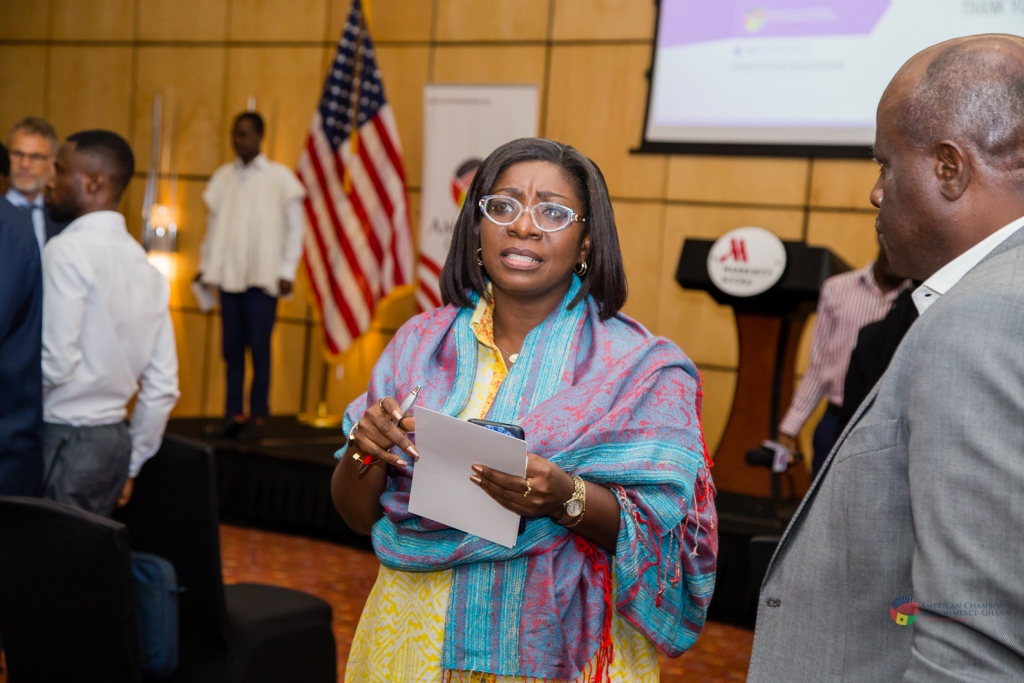
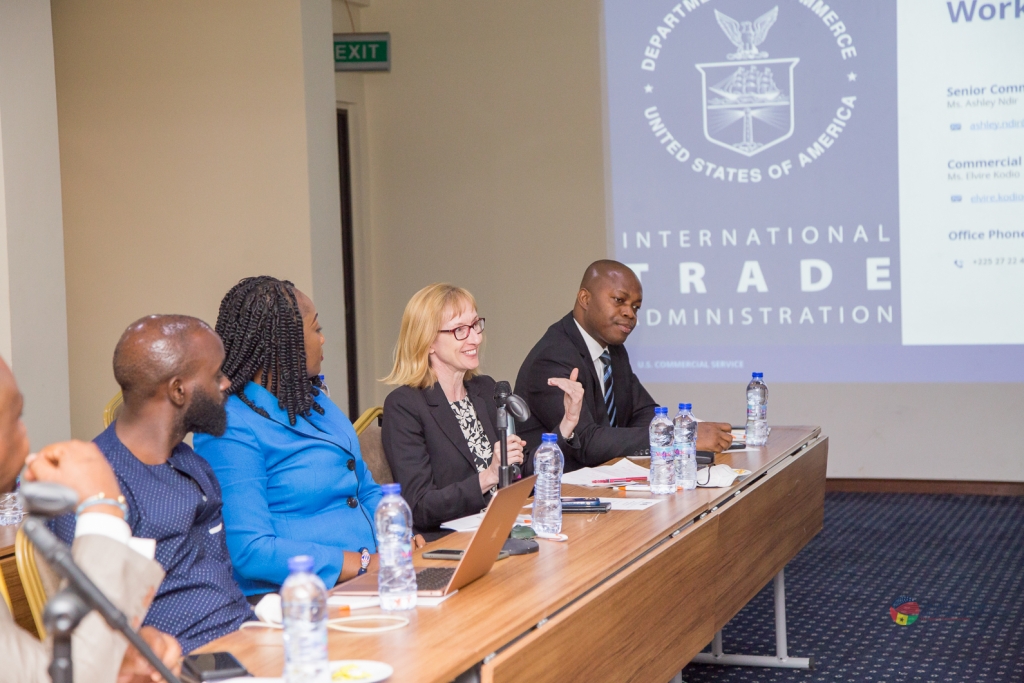
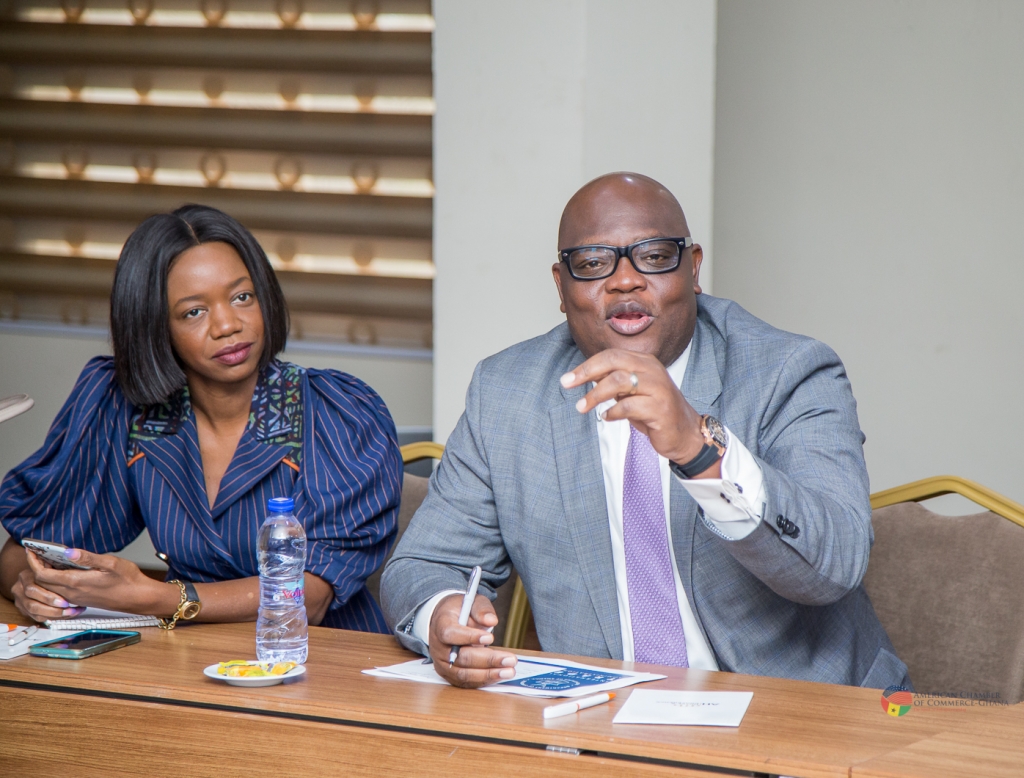
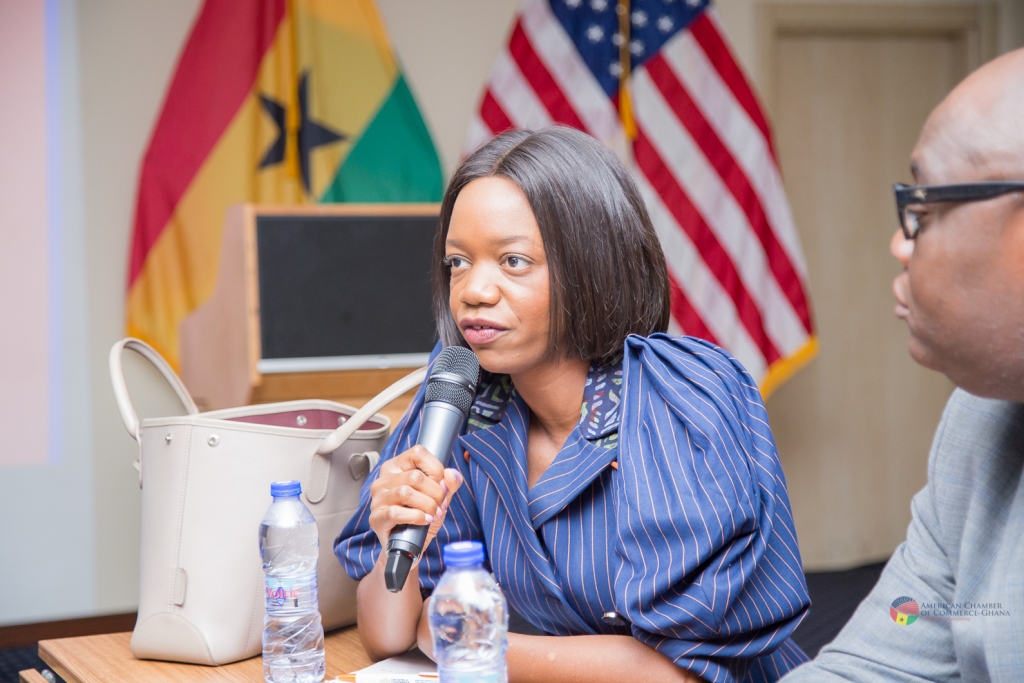
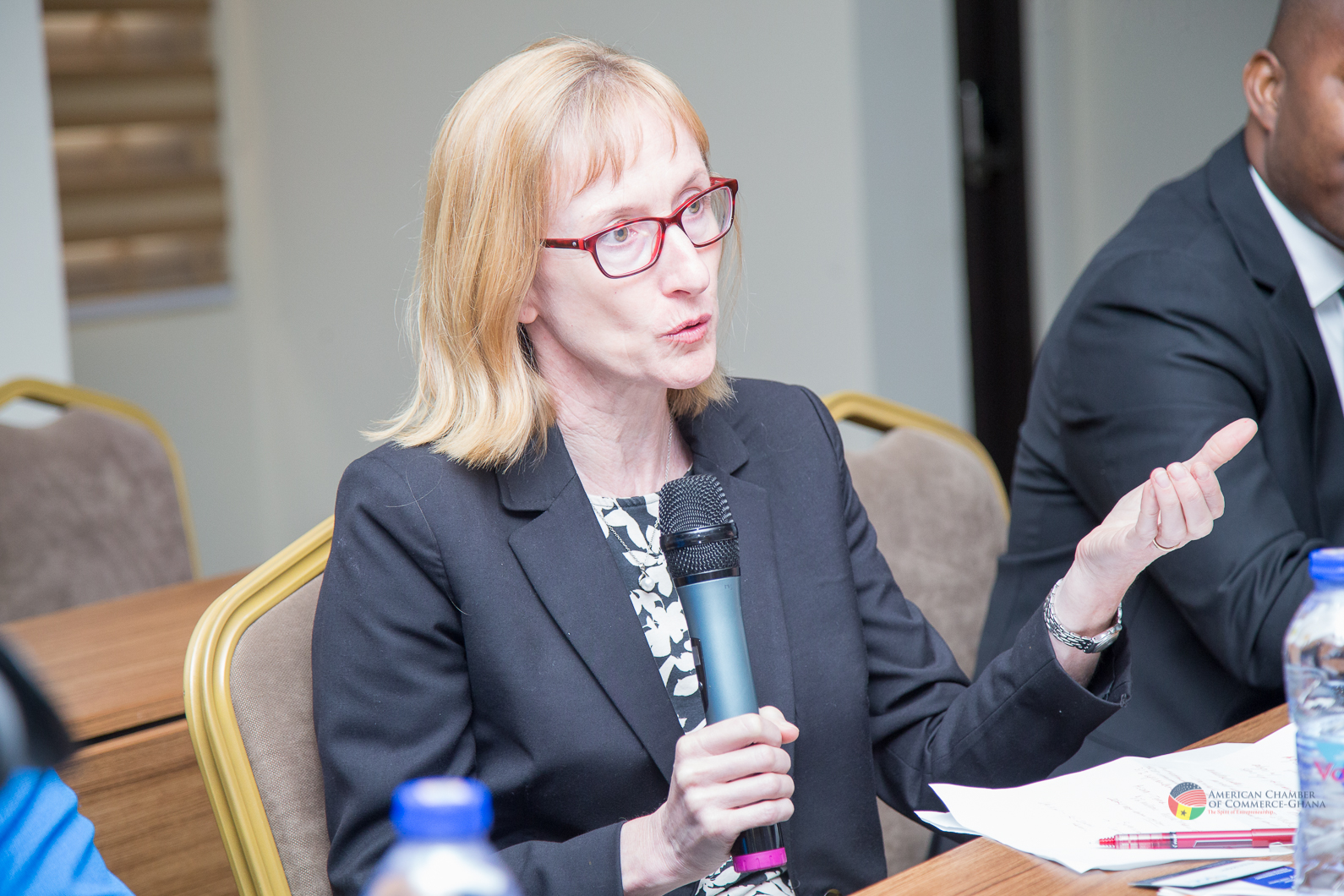
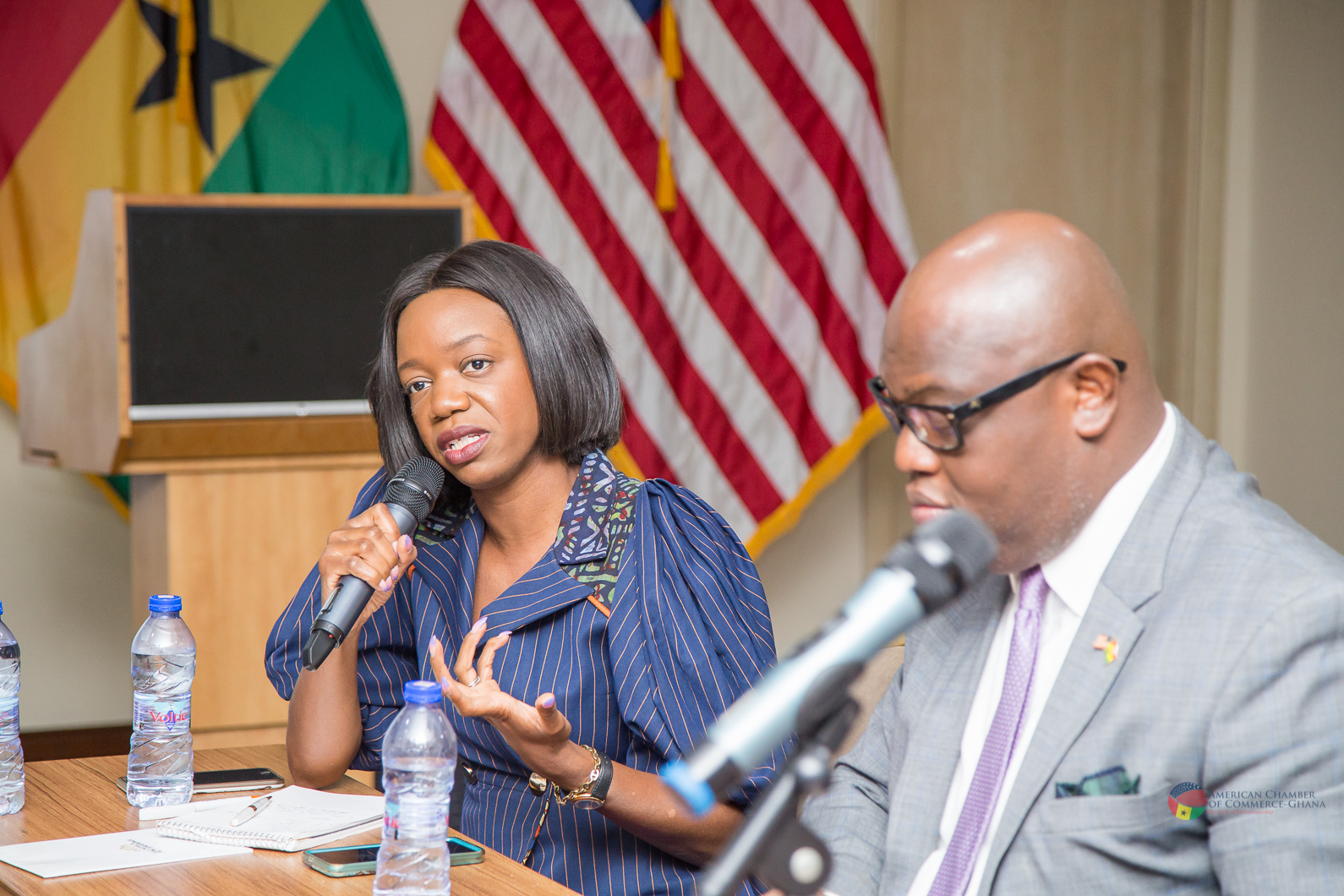
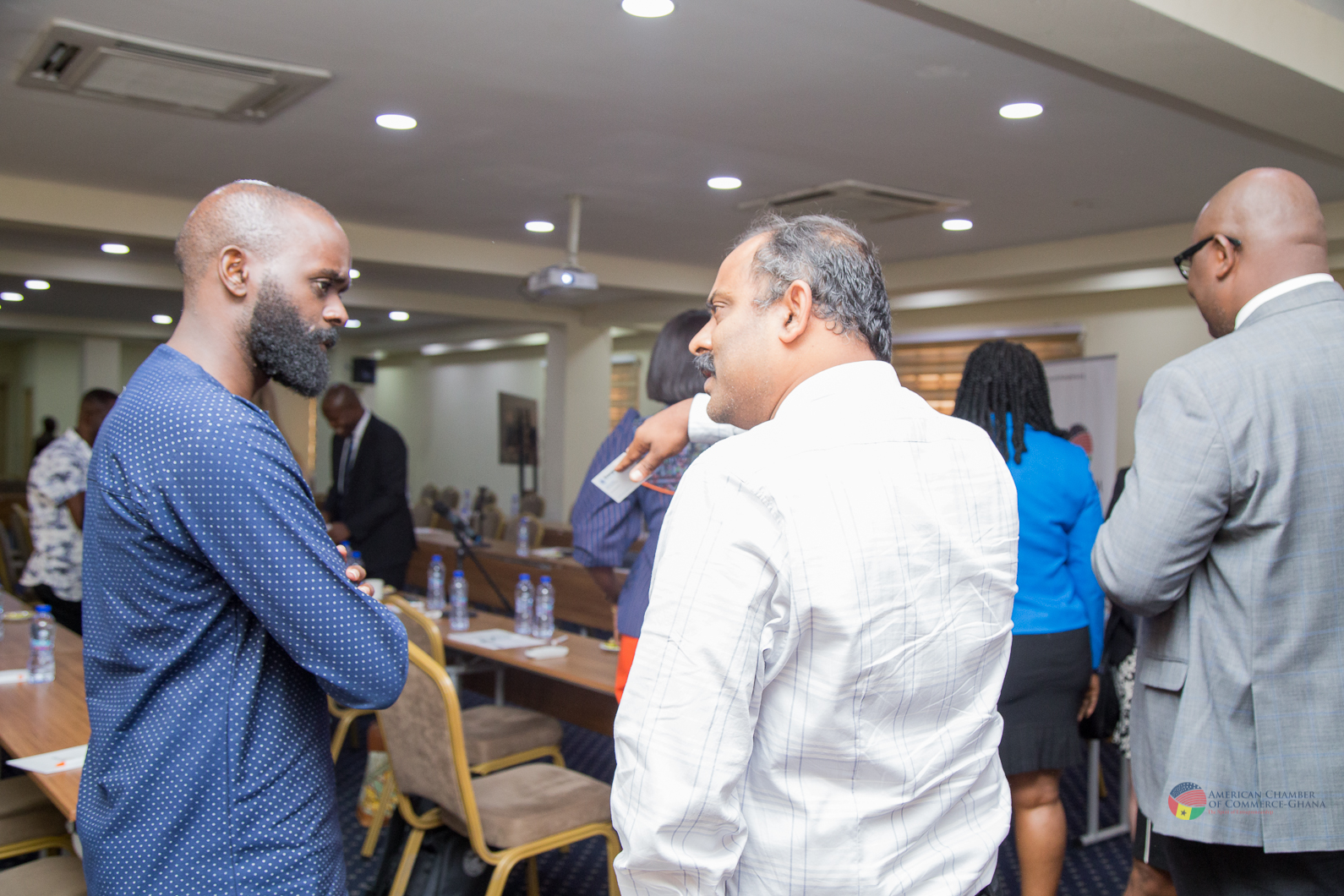
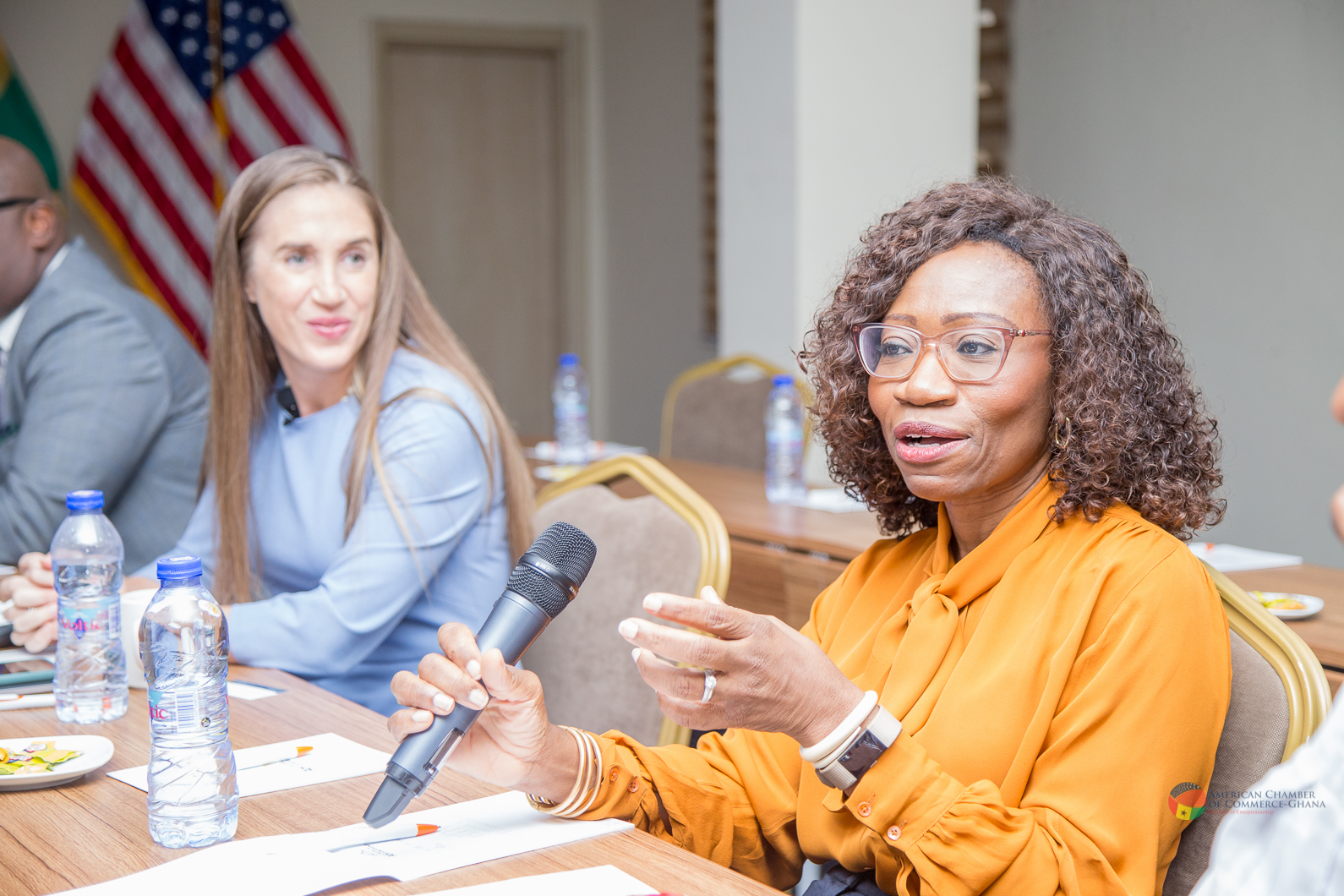
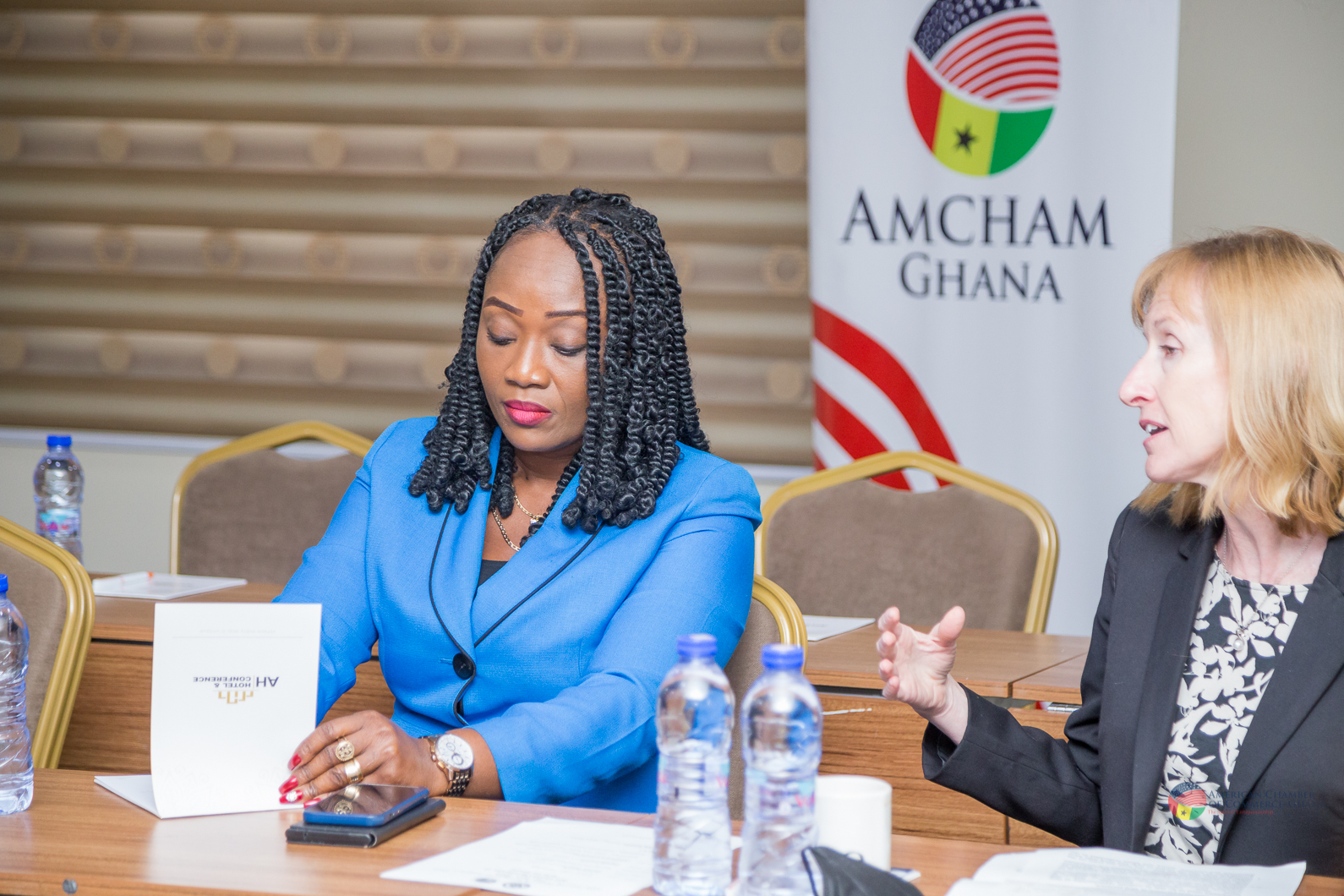
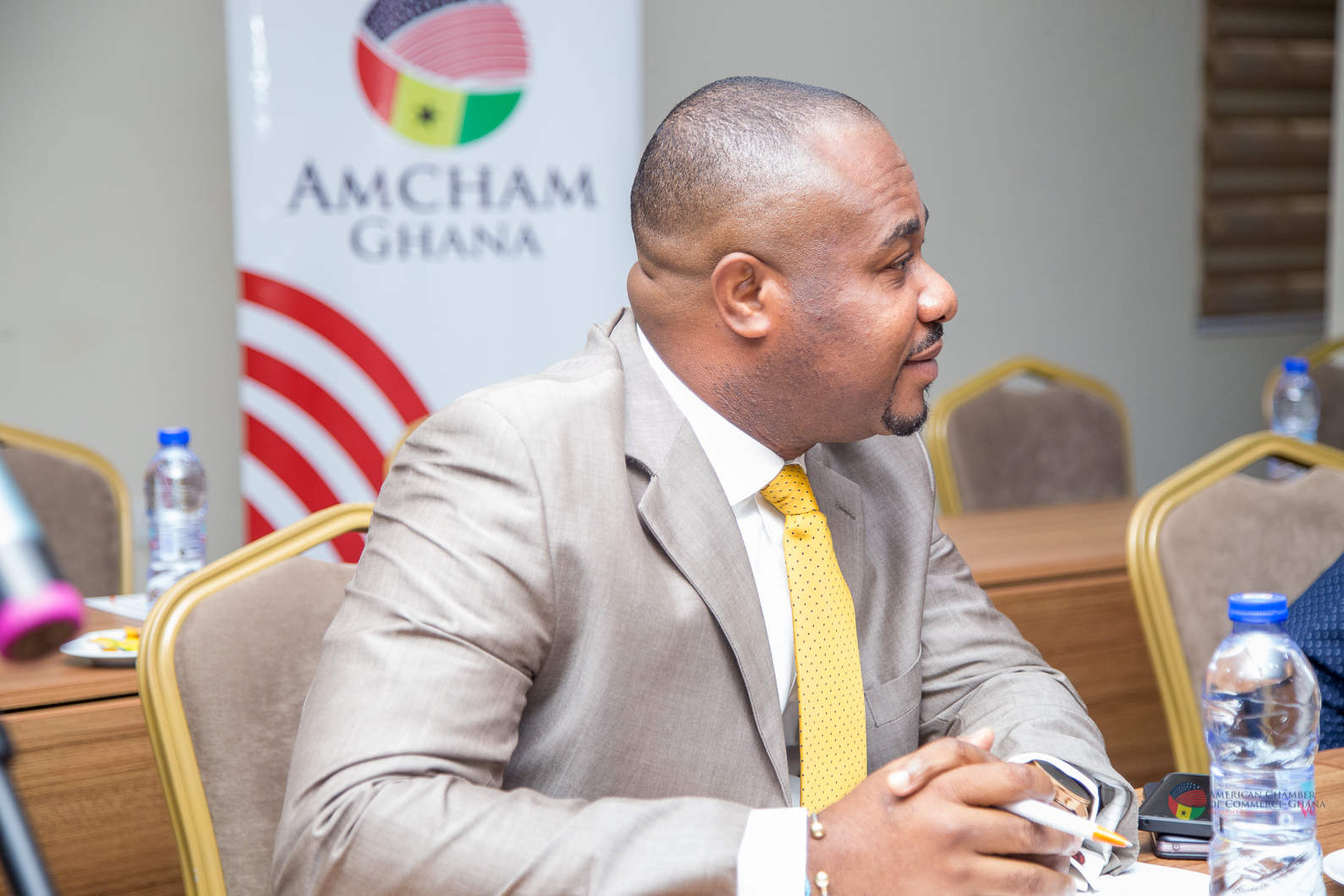
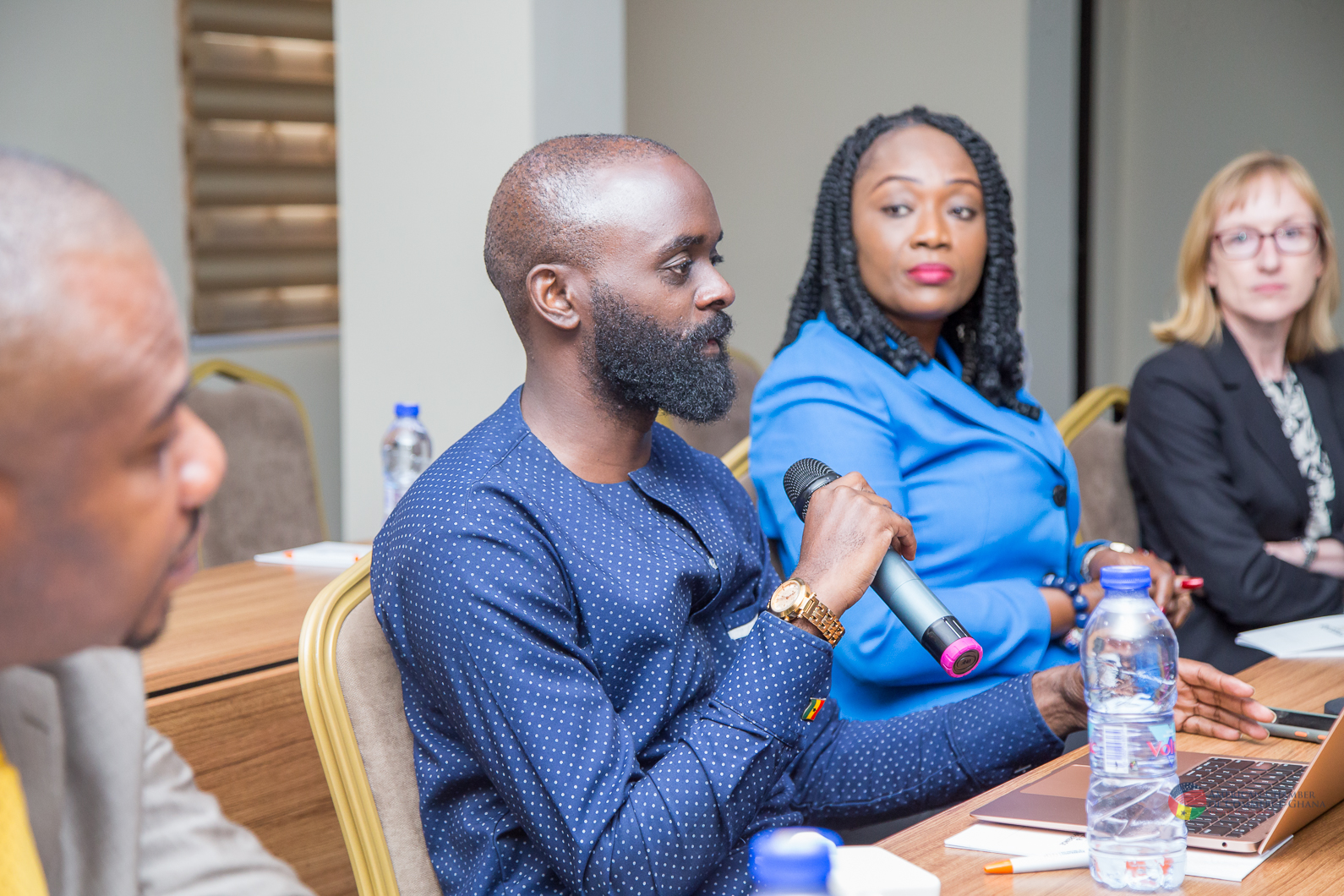
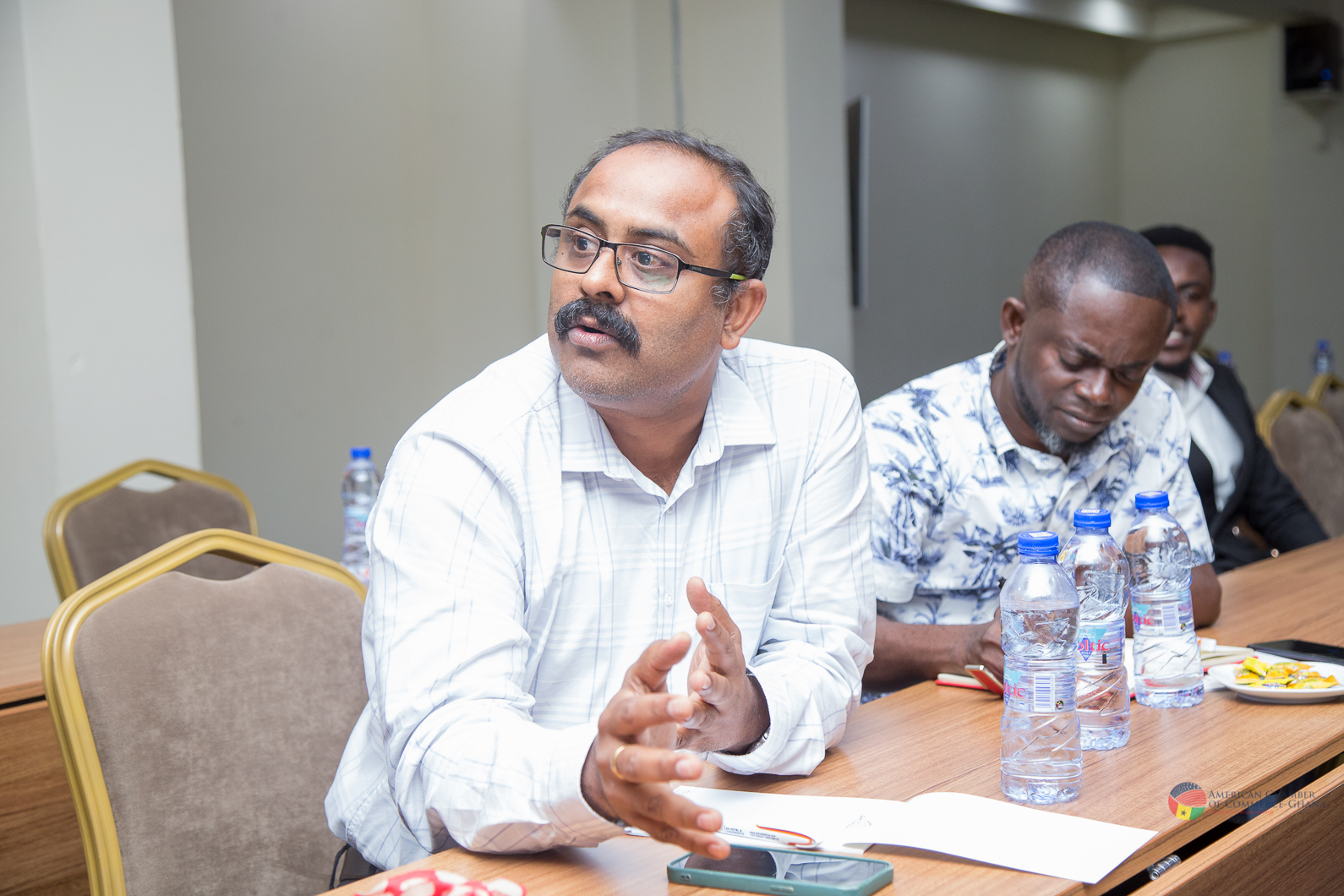
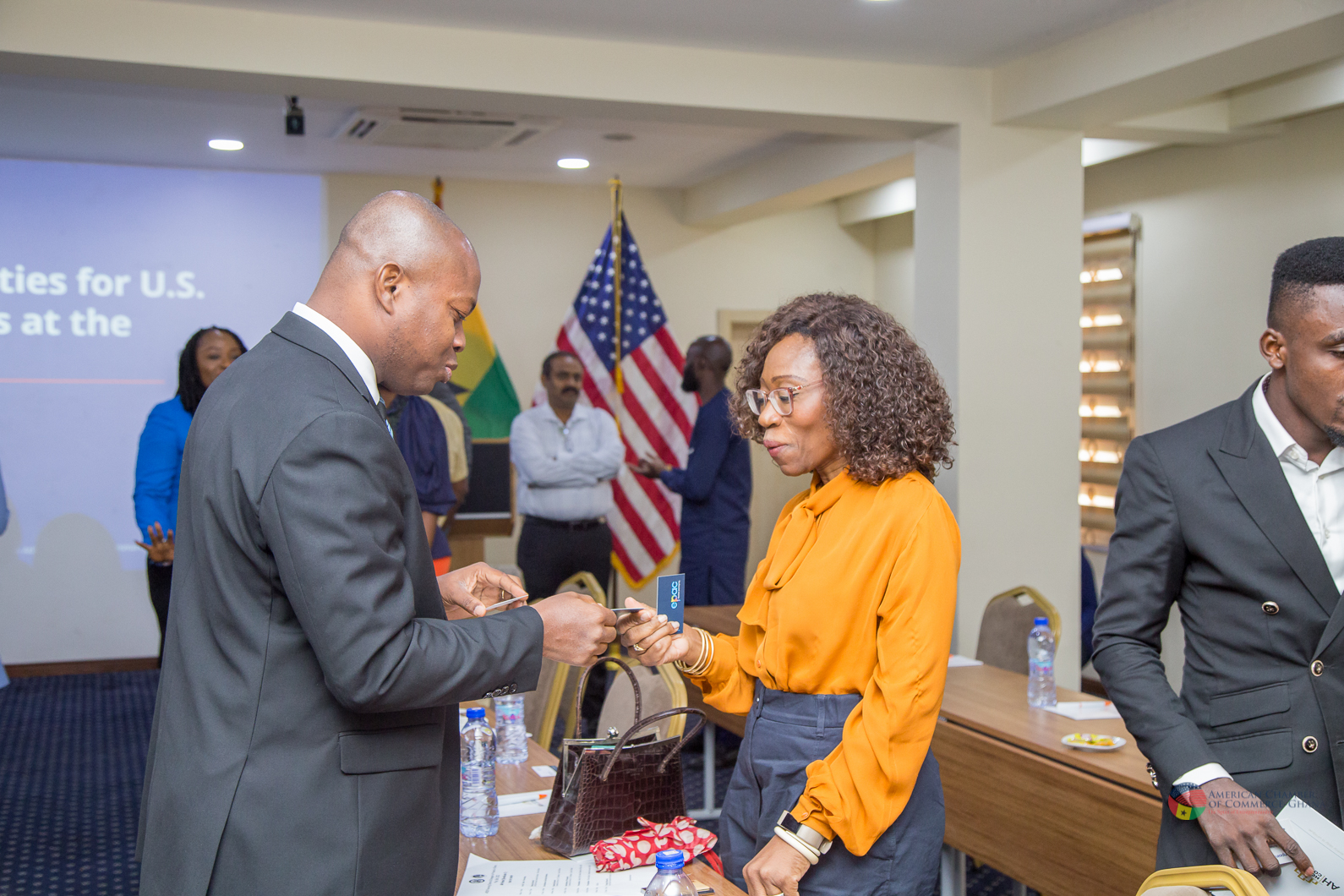
The American Chamber of Commerce, Ghana, on Saturday, November 20, 2021, hosted the U.S. Ambassador to Ghana, Stephanie S. Sullivan, corporate executives, and chamber members for this year’s #Thanksgiving Dinner and Awards night. The event was held under the theme, Celebrating U.S. – Ghana Partnership; Unlocking New Opportunity for Growth. 

The #AmChamGhanaThanksgiving dinner is held annually to honor and appreciate individuals and companies that have contributed in various to support chamber activities and aid in its development.

Our Guest of Honor, Ambassador Stephanie S. Sullivan, was celebrated for her leadership and contributions to strengthening cultural and commercial relations between the United States and Ghana. ”This year’s celebration is particularly meaningful for me, as I expect it to be my last in Ghana as U.S. Ambassador, a position I am truly grateful and honored to hold,” the Ambassador noted in her remarks.

”This evening, I reflect on the many challenges and hardships we have endured since the onset of the COVID-19 pandemic.  Few families have been spared the pain of loss over the last, nearly two years. It’s at Thanksgiving that we gather to remember the blessings we have, even as we mourn the loss of so many. None of us could have anticipated the unprecedented effects this pandemic has had on our day-to-day lives, not to mention those felt by companies and workers around the world, as they struggled to survive and adapt to ever-changing business conditions. I am truly proud of how the United States has worked closely with Ghana since the start of the pandemic, contributing more than $30 million dollars to support Ghana’s COVID-19 response across a range of sectors,” She added. Read the full speech here.

The chamber also used the occasion to award former AmCham Ghana President, Joe Mensah, Kimathi Kuenyehia, Managing Partner of Kimathi & Partners, Franklin Asare, CEO of Techgulf, and Kosmos Energy Ghana HC, for their dedication and immense contribution to the development of the chamber.

Companies and individuals that supported various chamber events throughout the year were presented with certificates of appreciation for their contributions.

This year’s Thanksgiving dinner was sponsored by Kosmos Energy Ghana HC, PwC Ghana, Cummins Ghana, Newmont Ghana, Masco Foods (KFC Ghana), Emergent Payments, Cargill Ghana, Delta Airlines, and Coca-cola Bottling Company of Ghana Limited.

AmCham Health Forum On Prostate Cancer Management in Ghana

The American Chamber of Commerce, Ghana (AmCham) on 2nd November, 2021 organized a health forum on prostate cancer management in Ghana. The forum which was on the theme “Prostate Cancer Treatment in Ghana – Status Quo and the Way Forward” attracted both private and public sector stakeholders in Ghana’s health industry.

The event featured remarks from Ghana’s Minister of Health, Hon. Kwaku Agyemang-Manu and Dr. Joel Yarney, the Head of the Medical Centre for Radiotherapy and Nuclear Medicine at the Korle-Bu Teaching Hospital, on the policy direction towards prostate cancer treatment and funding in Ghana, and prostate cancer care in the country from the medical practice perspective, respectively.

The forum also involved a panel discussion on providing and sustaining prostate cancer care in Ghana. The forum brought to light the challenges affecting men’s access to improved healthcare with regards to prostate cancer; the roles of the National Health Insurance Authority (NHIA), the Ministry of Health (MoH) and industry in promoting prostate cancer care. Also, important recommendations were made by the panelists and various experts on ways to finance and improve prostate cancer treatment in order to make it more affordable.

The forum was opened by Mr. Simon Madjie, Executive Secretary of AmCham, who welcomed participants and provided the context for the forum. He then introduced the distinguished personalities and called on Ayesha Bedwei, President of AmCham to give the opening remarks for the event.

Ayesha Bedwei, President, AmCham in her brief remarks acknowledged the participants and invited guests at the forum. She underscored the importance of men’s health and indicated that the health forum seeks to educate, create awareness, stimulate discussions and provide directions on the way forward as well as close the gap with regards to men’s access to prostate cancer care.

Henry Osei- Agyekum, Country Manager, Johnson & Johnson Mr. Osei-Agyekum in his remarks highlighted the severity of prostate cancer stating that with an estimated 1.4 million new cases and 375,000 deaths worldwide annually, prostate cancer is the second most common cancer and the fifth leading cause of cancer deaths among men. In Ghana, however, he noted that it was the leading cause of cancer deaths among men. He emphasized the important role of Johnson & Johnson in improving the health of people by developing innovative medicines, devices and other solutions. According to him, one of the priorities of Johnson & Johnson is to enable access to everyone everywhere at the same time.

To this end, in Ghana, the company is currently operating in the oncology therapy area to advance healthy outcomes by ensuring healthcare professionals and patients have access to the information, programs and support they need to achieve the best results possible.

He added that Johnson & Johnson’s initiatives in Ghana on improving the patient’s journey include disease awareness campaigns; patient navigation and patient support programs; and supporting policies and projects on prostate cancer and other relevant disease areas.

He again emphasized Johnson & Johnson’s commitment to helping patients and noted that a strong collaboration among the various stakeholders -business, academia, society and government- will help provide adequate interventions that will help promote positive health outcomes

Dr. Baffour Awuah delivered remarks on the Policy Direction Towards Prostate Cancer Treatment and Funding in Ghana on behalf of Honorable Kwaku Agyemang-Manu, Minister of Health, Ghana.

Dr. Awuah in his remarks commended AmCham for bringing the subject of prostate cancer management for public discussion. He noted that globally, cancer constitutes a major public health burden, remains an important cause of morbidity and mortality with incidence projected to rise in the coming decade.

He stated that nearly two-thirds of these new cases are anticipated to be recorded in low and middle-income countries (LMICs) such as Ghana, where infectious diseases remain a major public health challenge. According to him, more than 70% of cancer patients in Low-Income Countries are expected to die from the disease compared to about 30% in Western countries.

He added that prostate cancer is rated the second most common cancer and sixth leading cause of cancer deaths among men globally, with over 1.1 million cases and 300,000 deaths estimated in 2012. With reference to data from the Kumasi Cancer Registry covering the Kumasi Metropolitan Area, he stated that the total number of cancer cases recorded from 2012 to 2017 was 3,773 comprising 1,280 males and 2,493 females. Out of this, he indicated that the number of prostate cancer cases was 218, with their age ranging from 27-99 years. Thus, 6% of all the recorded cancers and 17% are all male cancers.

He highlighted age as one of the major risk factors for prostate cancer and mentioned challenges that affect the effective and efficient management of prostate cancer in Ghana: low level of awareness, lack of formalize screening, weak health promotion programs, late presentation of patients to health facilities, poor access to care, high cost and unavailability of appropriate medications, lack of adequate follow-up, and inherent social norms and beliefs.

According to him men diagnosed with prostate cancer face a unique set of emotional issues. First is the overwhelming diagnosis of cancer and second, the stigma associated with prostate cancer often prevents men from seeking early medical attention. Besides, the available treatment options for prostate cancer are not readily available to many individuals due to poor access to care and the challenge of cost treatment.

He again emphasized the importance of the forum and highlighted two important initiatives by the Ministry of Health (MoH). First, he revealed that the Non-Communicable Disease Policy which takes cancers into consideration has been reviewed and is ready for implementation by the MoH. Second, he stated that the Universal Health Coverage Road Map developed by the MoH- with the aim of providing all people living in Ghana with timely access to high quality health care irrespective of one’s ability to pay at the point of use- is also ready for implementation.

With the implementation of these two policies at hand, he stated that the forum was very essential and that the MoH will welcome recommendations from the event especially in the areas of access to care and funding for prostate cancer.

He concluded by thanking the various stakeholders for their collaboration to improve the management of prostate cancer in men in the country.

Dr. Joel Yarney, Head of the Medical Center for Radiotherapy and Nuclear Medicine, KBTH, remarked on Prostate Cancer care in Ghana: The Medical Practice Perspective.

Dr. Joel Yarney made an extensive presentation on prostate cancer care in Ghana. He mentioned the signs and symptoms of Benign Prostrate Hypertrophy (BPH) and highlighted the top 10 causes of death in Ghana: malaria, lower respiratory infections, neonatal disorders, ischemic heart disease, stroke, HIV/ AIDS, tuberculosis, diarrheal diseases, road injuries and diabetes. He also pointed out the leading causes of death globally as stated by the Human Development Index (HDI).

With regards to incidence, mortality and prevalence by cancer in Ghana, he noted that prostate cancer ranked 4th, next to cancers of the breast, liver and cervix. He however bemoaned the low quality of data on cancer incidence in developing countries including Ghana and noted that predicted cancer cases are high in developing countries compared to more developed countries.

He also highlighted the life expectancy at birth by gender in Ghana as well as the age standardized incidence and mortality rates of the top 10 cancers in the world. He further explained that the probability of developing prostate cancer among those within the age groups of 50 to 59 was 1 out of every 57 persons; 60 to 69 was 1 out of every 21 persons and 70 to 79 was 1 out of every 12 persons. He noted that the probability of developing prostate cancer from birth to death was 1 in every 9 persons whiles from birth to the age of 49 the probability of developing prostate cancer stood at 1 out of every 441 persons.

According to him the challenges of addressing prostate cancer were late presentation by patients, distribution of treatment and investigative tools, drug availability, cost of treatment, referral patterns and level of care, complementary and alternative medicine use and policy gap, diagnosis (pathology service), and distribution and number of specialists for specialized techniques. He then emphasized the need for policy direction on the use of alternative medicines.

He added that the causes of delay in cancer diagnosis and treatment include poor cancer awareness, poor performance, referral issues, waiting lists, and sub-optimal resources as well as financial, logistical and psychological barriers.

He further explained the prostate screening recommendations, assessment and treatment of prostate cancer; the advantages and disadvantages of the various treatment modalities; prostate cancer natural history; complementary and alternative medicines; quality assurance in oncology; and the National Guideline for Cancer Management.

He indicated that although relevant stakeholders have ensured a drastic reduction in the price of prostate cancer drugs, they were still costly and unaffordable to the majority of prostate cancer patients. He also revealed that prostate cancer could be treated in the country but there are currently only three treatment centers: two in Accra and one in Kumasi. He also noted that although the MoH has developed the National Guide for Cancer Management, it is not available to health professionals.

The panel was moderated by Kwabena Asante Offei, Senior Manager, Government Affairs & Policy, East Africa at Johnson & Johnson. The panelists comprised Professor J. E. Mensah, Urologist, KBTH; Mr. Ikechukwu Ofuani, Director, World Government Affairs and Policy, West Africa; Dr. Adwoa Twum Barima, National Health Insurance Authority (NHIA); Dr. Eric Boateng, MoH; Gloria Yankson, Project Director Cancer Connect GH; Henry Osei- Agyekum, Country Manager, Johnson & Johnson.

The panel explored challenges affecting patients access to prostate cancer care; and the role of industry and the NHIA in promoting access to prostate cancer treatment. The panel also made recommendations to improving healthcare financing with regards to prostate cancer as well as on ways of improving access to healthcare.

Keys issues from panel discussions includes challenges affecting patients access to prostate cancer treatment.

A number of factors affect patients’ ability to access treatment for prostate cancer. They include:

Financial Barriers: The high cost of prostate cancer treatment is one of the major challenges affecting patients access to treatment. Currently, the cost of prostate cancer drugs in Ghana have been reduced from GHS 12,000 to GHS 3,500. However, this remains unaffordable to many people due to poverty and especially as patients are required to purchase the drug every month.

Inadequate Equipment: The equipment required to effectively and efficiently treat prostate cancer (including other cancers) are very expensive and unaffordable by many health centers across the country and this in turn increases the cost of cancer treatment at the few treatment centers in the country.

Fragmented Services: Another barrier affecting patients access to healthcare is the lack of a single location where patients can receive most, if not all, of their medical care. Often patients are required to go to different places for different treatments and this could be costly and challenging.

Social and Psychological Pressures: Men generally take up the responsibility of providing for their families (in some cases including their extended families) and as such tend to suppress their health needs in order to appear responsible. Also, culturally, men are not supposed to express emotional weakness and therefore do not share their
innermost challenges including health related issues which tend to have a negative impact on them in the long run.

Post-Retirement Challenges: Usually, men attract prostate cancer when they are old and almost due for retirement from active work. As a result, they have very limited financial resources to seek quality healthcare especially post-retirement.

Industry players have contributed to advancing prostate cancer care in Ghana by reducing the cost of drugs, providing quality medication, ensuring affordable pricing, providing psycho-social support to patients, embarking on advocacy through partnerships to create awareness and providing health education.

Role of NHIA and the MoH in promoting treatment of cancers

NHIA Coverage of cancers: The NHIA covers about 95% of the country’s disease burden with the majority being Non-Communicable Diseases. The NHIA keeps expanding it disease coverage and over the years, the scheme has included cervical and breast cancers. Currently, there are a lot of pressure from several advocacy groups to ensure
that different diseases are covered under the NHIA. In deciding which diseases to cover, the NHIA takes into consideration a number of factors including the long-term cost, NHIS cashflow, sustainability, and economic valuation (cost-benefit analysis) among others.

The NHIS seeks to systematically expand its coverage of cancers, but ultimately, it seeks to ensure that every intervention is sustainable. Also, with the development of the Noncommunicable Disease Policy by the MoH, the NHIS will align with the various directives enshrined in the policy as it relates to prostate cancer.

Coverage of Supportive Investigative Treatments: The NHIS currently covers some supportive investigative treatments in prostate cancer such as Prostate Specific Antigen (PSA), Ultrasound, Computed tomography (CT) Scan, Magnetic Resonance Imaging (MRI) among others. The challenge however is that many service providers are not aware of these provisions under the NHIS.

Competition for Resources: There is competition for funding and resources by various diseases. The government, however, prioritizes diseases that tend to affect wider population groups (such as malaria) and can be addressed with limited funds rather than spending relatively more funds and resources on diseases that affect small population group (such as cancers).

Recommendations

The panelists and the various stakeholders made the following important recommendations on ways to finance and improve prostate cancer treatment in order to make it more affordable.

Private Health Insurance: Access to prostate cancer treatment can be enhanced through private health insurance. Where people have access to private health insurance (through their employers), they frequently seek treatment for all kinds of illness but where they are not covered by health insurance, they are often reluctant to seek medical treatment due to the high costs involved.

Policy Change/Free HealthCare: There is the need for a change in policy to ensure that men receive medical support especially with regard to prostate cancer. A free healthcare policy in Ghana will ensure increased access to quality healthcare because it will eliminate the financial barriers that people experience when trying to access health services.

However, sufficient financial resources are needed for the government to finance such an initiative to ensure that it remains sustainable.

Quality Data on Prostate Cancer: There is the need to generate quality data on the prevalence and effects of prostate cancer in Ghana. This is because although prostate cancer has the tendency to affect every male, the current level of data on the disease is low. An improved statistics is required to drive a change in policy in the way the disease
is managed in the country.

Specialized Health Insurance for Cancer: The government should establish a special cancer fund where men in their active years of work can contribute towards it in order to accumulate enough funds to cater for cancer treatments. This could be achieved through strong advocacy and public sensitization.

Government Support: Government support in terms of procuring and supplying the highend equipment to the relevant health centers could ensure that treatment of prostate cancer is affordable to the general public.

Review of the NHIS: There is the need for stakeholders to review the NHIS to ascertain the aspects of cancer treatments that are covered under the scheme. This will help to ensure that such treatments are fully operational.

Specific Training For Service Providers: The NHIS provides general training to service providers and other stakeholders periodically. However, the NHIS should provide more specific training to service providers to enable them provide improved services to their clients.

Dr. Kumah-Aboagye, , Director-General, Ghana Health Service, in closing the forum highlighted the key points from the presentation and panel discussion. He also stressed the need for innovative health financing as well as the importance of investing in the health sector.

Virtual Meeting on Business and Cybersecurity: Emerging Cyber Threats

Many people think that cyber security refers to the software and monitoring that protect their email, operating system, network, and printing devices from malicious attack or data theft. Admittedly, this is a large and important part of cyber security for businesses. But management and employees also play a significant role in making sure your company is protected.

In this month of cybersecurity awareness, AmCham Ghana, on October 27, 2021, collaborates with one of the leading business advisory firms KPMG for a virtual meeting on Emerging Cyber Threats in the business environment. Speakers at this event were the Associate Director for the IT Advisory unit of KPMG,  Samuel Aluko, and Information Protection and Business Resilience Manager, Chris Owusu-Ansah.

According to the KPMG Cyber Security Catalogue, cyber risk is an everyday business consideration in the way that threats in the real world have always been.

Discussions focused on the cyber threat landscape, cyber resilience, key cyber considerations for business, and regulatory requirements and standards.

The event also featured a cyber game that shared light on cyber risks and what management can do to address these risks.

Kindly watch the full meeting below for an insight into everyday cyber threats that businesses are exposed to and what can be done to avoid or mitigate its impact.

Business and Cybersecurity: Emerging Cyber Threats

Register Now

Cyber security has long been one of the most challenging issues for businesses, and in this month of cybersecurity awareness, AmCham Ghana collaborates with one of the leading business advisory firms KPMG for this important virtual meeting on Emerging Cyber Threats in the business environment.

This event will host experts from KPMG to provide insight into new threats, precautions, and measures businesses can implement to prevent cyber attacks. It will provide critical first steps after a breach and share cyber resiliency toolkits to help your firm properly safeguard its data.

Speakers scheduled for the event include Sam Aluko, Associate Director, IT Advisory, and Chris Owusu-Ansah, Manager, IT Advisory.


ABOUT SPEAKERS

Samuel Aluko

Sam is an Associate Director in the IT Advisory unit of KPMG and has over 20 years of experience. He is responsible for the IT Advisory Team whose services include Cyber Security, Digital Transformation, Systems Implementations, IT Project Quality Assurance, Data Conversion reviews, ERP Advisory services, Vulnerability Assessment, and Penetration Testing Service, amongst others in the KPMG Ghana office.

Over the years, he has developed expertise in Cyber Security Risk, Business Continuity Management, Security Architecture Design and Implementation, Cyber Security Strategy, Cyber Maturity Assessments, including Cloud Security and Security Standards Implementation. Sam has provided services to our clients in various industries and has provided advice and training on IT and Cyber Security to the Board and Management of many organisations in Ghana. Before joining KPMG, Sam worked at Zenith Bank Plc, where he was involved in various digital banking implementations and cyber security reviews.

Email: samuelaluko@kpmg.com


Chris Owusu-Ansah

Chris is an Information Protection and Business Resilience Manager in the IT Advisory unit of KPMG in Ghana and has over eight (8) years of experience in various industries. He is responsible for the provision of Information and Cyber Security, Data Protection, Business Continuity, Disaster Recovery, Incident Management, Crisis Management, Strategy and Governance, Transformation, Cloud Compliance & Security, Cyber Defence and Cyber Response services.

He is skilled in the conduct of Cyber Maturity Assessments (CMA), Compliance Assessment (standards and framework assessment, such as ISO/IEC 27001/2, ISO 22301), Cybersecurity/Digital/Technology Strategy, Information Governance and Privacy, Third-party Security Risk Assessment, Incident Response Readiness and Planning, Patch and Vulnerability Management, Application Security, Security Operations and Monitoring, amongst others.

Email: cowusu-ansah@kpmg.com

Ghana’s Pension Landscape – Regulatory Framework and the Three-Tier Pension System

The American Chamber of Commerce, Ghana, in collaboration with the People’s Pension Trust, on Thursday, October 14, 2021, hosted a webinar to discuss the Ghanaian pension landscape, focusing specifically on the regulatory framework and the 3-Tier Pension System.

AmCham Ghana Executive Secretary, Simon Madjie during his opening remarks, acknowledged the importance of pension to the economy and its crucial role in the lives of workers. ”As of 2020, we are told that Ghana’s pension asset is over $5.8 billion. That is very significant, and as a credible platform, we are happy to bring all the experts here to discuss this issue,” he added.

Other speakers at the event included David Tetteh-Amey Abbey, DCEO of the National Pension Regulatory Authority, and Kofi Eba-Miezah Polley, Chief Operations Officer at People’s Pension. Their presentations focused on Ghana’s pension landscape and the regulatory framework in which it operates and provided insights on the 3-tier pension system and how to choose a plan that works.

The event was moderated by, Laud Senanu, Esq. Independent Trustee at People’s Pension.

Watch the full event below.

Meet The Keynote Speakers For The #2021USGhanaBusinessForum

We are honored to have Ghana’s Minister of Trade, Hon. Alan Kyerematen and the Assistant U.S. Trade Representative for Africa, Constance Hamilton, to deliver the keynote speeches at the #2021USGhanaBusinessForum, which comes off on September 8 to 9, 2021.

The #2021USGhanaBusinessForum will be under the theme; Promoting U.S.-Ghana Partnership through Trade and Investment, and is organized in collaboration with the U.S. Chamber of Commerce in partnership with the Embassy of Ghana, Washington DC, United States Commercial Service, Ghana Investment Promotion Centre, and the Ghana – Houston Chamber of Commerce.

The forum seeks to provide insights into the evolving relations on trade and investment between the U.S., Ghana, and the African continent, and share knowledge and experiences of U.S. and Ghanaian private sectors who have invested in the U.S. and Ghanaian economies.

It will also provide first-hand information about the trading performance after almost 9 months of trading under AfCFTA and share how investors can take advantage of the trade and investment opportunities under the
AfCFTA in existing and emerging sectors.

Click Here To Register 


Alan Kyerematen is the current Minister of Trade and Industry of Ghana, having served in the same capacity between 2003 and 2007. He has an extensive and distinguished record in international trade and public policy, enterprise development, politics, and diplomacy. He is a former Ambassador to the US, UN Policy Advisor, Lawyer and Senior Corporate Executive. As Ghana’s Minister of Trade, Industry, and Presidential Special Initiatives from 2003 to 2007, he led the design, development, and implementation of innovative programs and special interventions which have become new strategic pillars of growth for the Ghanaian economy. He also played a key role in shaping Africa’s Trade Policy agenda in the WTO, the EU-ACP Economic Partnership Negotiations, AGOA, and UNCTAD.

Prior to his appointment as Minister, Mr. Kyerematen served as Ambassador of Ghana to the United States of America from 2001 to 2003. In that role, he negotiated various landmark trade and investment agreements between Ghana and the United States and initiated the establishment of the Ghana-United States Economic Council, which played a strategic role in deepening trade relations between the two countries. Between 1998- 2001, Alan Kyerematen served as the first Regional Director of ENTERPRISE AFRICA, UNDP’s flagship initiative for the development and promotion of small and medium enterprises in Africa. Under that framework, he established enterprise support programmes in 13 Sub-Saharan Africa countries – Botswana, Benin, Cameroon, Democratic Republic of Congo, Ethiopia, Mauritius, Mozambique, Namibia, Nigeria, Senegal, South Africa, and Uganda. Over 4,000 African entrepreneurs and small businesses have benefited from these programmes.

In 1990, Alan Kyerematen was responsible for establishing and managing the EMPRETEC Programme in Ghana, a leading business development institution sponsored by the United Nations and Barclays Bank Limited. He led the transformation of EMPRETEC from a UN project into an independent Foundation, which is recognized as a world-class institution and best practice model for entrepreneurship development in Africa. Between 1984 and 1990, he managed a number of major private and public sector consulting assignments in Ghana, as a Principal Consultant and Head of Public Systems Management with the Management Development and Productivity Institute (MDPI), a leading management development institution in Ghana. Prior to this, he was a senior corporate executive with UAC Ghana Ltd, a subsidiary of Unilever International, where he worked in various managerial positions with a distinction between 1977-1984.

As Coordinator of the African Trade Policy Centre of the United Nations Economic Commission for Africa in Addis Ababa, from July 2011-December 2013, Alan Kyerematen led efforts in building capacity in various African countries in trade policy formulation and trade negotiations. In addition, he was a leading member of the technical team of the African Union that developed the Action Plan for the establishment of a Continental Free Trade Area for Africa, to be launched in 2017.

Alan Kyerematen is a graduate in Economics from the University of Ghana and is also a qualified Barrister-atLaw from the Ghana Law School. In addition, he was a Hubert Humphrey Fellow at the School of Public Affairs and the School of Management of the University of Minnesota, under the US Fulbright Fellowship Programme. He was a Member of the Council of Governors of the British Executive Service Overseas (BESO) in the United Kingdom and has also served as a Board member of several other organizations in Ghana. In 1994, Mr. Kyerematen was listed as one of the top 100 Global Leaders for the New Millennium by the Time International Magazine together with other personalities such as Bill Gates and John F Kennedy Jnr. of the United States of America. In 2013, he was nominated by the Heads of States of the African Union to contest as Africa’s candidate for the position of Director-General of the World Trade Organization (WTO).


Constance Hamilton is the Assistant U.S. Trade Representative for Africa, Office of the United States Trade Representative. In this capacity, she leads U.S. trade efforts in the 49 countries of sub-Saharan Africa and oversees the Administration’s implementation of the African Growth and Opportunity Act (AGOA). Ms.
Hamilton is responsible for developing and advancing bilateral, regional and multilateral U.S. initiatives to enhance U.S. trade and economic cooperation with sub-Saharan Africa.

Ms. Hamilton previously served as the Deputy Assistant U.S. Trade Representative for Africa, where she advanced measures to open markets and improve the investment climates in African countries.

Prior to joining USTR, Ms. Hamilton served as Supervisory Economist and Chief of the Asia-Africa Division at the U.S. International Trade Commission (USITC). In this position, she led the agency’s analysis of African and Asian trade and investment issues. During her tenure at the USITC, Ms. Hamilton directed and planned special research studies on a broad range of regional and trade topics, including free trade area agreements, trade with non-market economy countries, and industrial targeting.

Before joining the U.S. International Commission, Ms. Hamilton was an Economist with the U.S. Commission on Civil Rights where she developed methodologies and survey instruments for research into social and economic issues pertinent to the mission of the agency. Ms. Hamilton began her career as a Research Associate with the Urban Institute, a non-profit think tank specializing in research in the areas of public finance, economic development, and housing.

Ms. Hamilton holds a B.A. Degree in Economics and a Masters’ Degree in Economics from Howard University. She is co-author of numerous publications in the field of international trade.


The US-Ghana Business Forum is an annual flagship, high-level meeting between U.S, Ghanaian Government Officials, and Businesses aimed at deepening diplomatic and commercial partnerships between Ghana and the United States.

The 2021 Forum is premised on the theme: Promoting U.S.-Ghana Partnership through Trade and Investment and comes on the back of Ghana’s hosting of the Africa Continent Free Trade Area Secretariat and also after several months of trading through the AfCFTA. The AfCFTA is the world’s largest free trade area in terms of number of countries encompassing 1.2 billion people and about US$2.5 trillion. The AfCFTA presents a window for African countries and their trading partners to take advantage of the many trade and investment opportunities created. Trading partners who had hitherto focused on bilateral trade relations, now have the opportunity to reach larger African markets through the AfCFTA.

The 2021 Forum aims to strengthen trade and investment, promote business partnerships, and opportunities between U.S. and Ghanaian Companies in key sectors including: Technology and digitization, Energy and Mining, Infrastructure, Manufacturing, Services and Franchising. The forum will also review trading under the AfCFTA and assess how U.S. and Ghanaian companies can take advantage of this opportunity.

The event will be virtual to be held over two days. The forum will have several sessions including plenary with high-level government officials as speakers; panel discussions on sectors involving experts and senior U.S. and Ghanaian Officials and leaders from the business community. It will serve as a platform to explore new business opportunities and address regulatory challenges affecting trade and investment. Further access details will be sent following registration. Register Here


For Enquiries
executivesecretary@amchamghana.org
communications@amchamghana.org

Kosmos Energy Sponsors #2021GhanaBusinessForum

Kosmos Energy, a leading deepwater exploration and production company focused on meeting the world’s growing demand for energy, is a Gold Sponsor of the virtual #2021USGhanaBusinessForum.

The company‘s assets include oil production and exploration in proven basins offshore Ghana, Equatorial Guinea, and the U.S. Gulf of Mexico, as well as a world-class gas development offshore Mauritania and Senegal.

Kosmos opened a significant new hydrocarbon province, the Tano Basin, with the discovery of the Jubilee Field offshore Ghana in 2007. The Jubilee Field straddles both the West Cape Three Points and Deepwater Tano blocks. Success at Jubilee was the result of the company’s identification of the overlooked Upper Cretaceous structural-stratigraphic play concept along the Transform Margin of Africa.

They aim to create value for stakeholders by maximizing the value of their producing assets and adding new resources through infrastructure-led and play-extending exploration in the proven basins where we operate.

Kosmos focuses on infrastructure-led and play-extending exploration in proven basins — such as the Gulf of Mexico and Rio Muni basin offshore Equatorial Guinea — where discoveries can be tied back to existing production facilities more quickly, at lower cost, and with a lower overall carbon intensity.

The American Chamber of Commerce, Ghana, the U.S. Chamber of Commerce, and our partners, Embassy of Ghana, Washington DC, United States Commercial Service, Ghana Investment Promotion Centre, and the Ghana – Houston Chamber of Commerce are grateful for the support.

Click Here To Register 


The US-Ghana Business Forum is an annual flagship, high-level meeting between U.S, Ghanaian Government Officials, and Businesses aimed at deepening diplomatic and commercial partnerships between Ghana and the United States.

The 2021 Forum is premised on the theme: Promoting U.S.-Ghana Partnership through Trade and Investment and comes on the back of Ghana’s hosting of the Africa Continent Free Trade Area Secretariat and also after several months of trading through the AfCFTA. The AfCFTA is the world’s largest free trade area in terms of number of countries encompassing 1.2 billion people and about US$2.5 trillion. The AfCFTA presents a window for African countries and their trading partners to take advantage of the many trade and investment opportunities created. Trading partners who had hitherto focused on bilateral trade relations, now have the opportunity to reach larger African markets through the AfCFTA.

The 2021 Forum aims to strengthen trade and investment, promote business partnerships, and opportunities between U.S. and Ghanaian Companies in key sectors including: Technology and digitization, Energy and Mining, Infrastructure, Manufacturing, Services and Franchising. The forum will also review trading under the AfCFTA and assess how U.S. and Ghanaian companies can take advantage of this opportunity.

The event will be virtual to be held over two days. The forum will have several sessions including plenary with high-level government officials as speakers; panel discussions on sectors involving experts and senior U.S. and Ghanaian Officials and leaders from the business community. It will serve as a platform to explore new business opportunities and address regulatory challenges affecting trade and investment. Further access details will be sent following registration. Register Here


For Enquiries
executivesecretary@amchamghana.org
communications@amchamghana.org

Kimathi & Partners Sponsors #2021GhanaBusinessForum

The leading law firm Kimathi & Partners is one of our Silver Sponsors for the virtual #2021USGhanaBusinessForum, slated for 8th to 9th September 2021, under the theme; Promoting U.S.-Ghana Partnership through Trade and Investment. 

Kimathi & Partners is unquestionably one of the best law firms in Ghana and a crucible for gifted young lawyers. They are ranked as a tier 1/top tier law firm in Ghana by The Legal 500 in the following practice areas: Banking, Finance, M&A, Commercial, Corporate, Energy, Infrastructure, Projects and Disputes making them one of the top 3 corporate law firms in Ghana advising Global Multinationals, Fortune 500 companies and Foreign Governments and their agencies.

The focus of the firm is to provide top-notch legal service comparable to what clients receive from top-tier law firms in New York or London to foreign governments, global multinationals, and Fortune 500 companies doing business in Ghana.

Kimathi & Partners is a specialized firm. So they are not, and do not strive to be the law firm of every company. Their goal is to be the firm of choice (which we are) for global multinationals with respect to their most challenging legal issues, most significant business transactions, and most critical and complex disputes.

Their reputation for excellence is no secret. They outshine their competitors because they are more responsive, more solution-oriented, deliver quality work and run a 24-hour practice.

100% of their top 40 Global Multinationals, Multilateral Agencies, Foreign Governments, and Fortune 500 clients came from competing top tier law firms in Ghana.

The American Chamber of Commerce, Ghana, the U.S. Chamber of Commerce, and our partners, Embassy of Ghana, Washington DC, United States Commercial Service, Ghana Investment Promotion Centre, and the Ghana – Houston Chamber of Commerce are grateful for the support.

Click Here To Register 


The US-Ghana Business Forum is an annual flagship, high-level meeting between U.S, Ghanaian Government Officials, and Businesses aimed at deepening diplomatic and commercial partnerships between Ghana and the United States.

The 2021 Forum is premised on the theme: Promoting U.S.-Ghana Partnership through Trade and Investment and comes on the back of Ghana’s hosting of the Africa Continent Free Trade Area Secretariat and also after several months of trading through the AfCFTA. The AfCFTA is the world’s largest free trade area in terms of number of countries encompassing 1.2 billion people and about US$2.5 trillion. The AfCFTA presents a window for African countries and their trading partners to take advantage of the many trade and investment opportunities created. Trading partners who had hitherto focused on bilateral trade relations, now have the opportunity to reach larger African markets through the AfCFTA.

The 2021 Forum aims to strengthen trade and investment, promote business partnerships, and opportunities between U.S. and Ghanaian Companies in key sectors including: Technology and digitization, Energy and Mining, Infrastructure, Manufacturing, Services and Franchising. The forum will also review trading under the AfCFTA and assess how U.S. and Ghanaian companies can take advantage of this opportunity.

The event will be virtual to be held over two days. The forum will have several sessions including plenary with high-level government officials as speakers; panel discussions on sectors involving experts and senior U.S. and Ghanaian Officials and leaders from the business community. It will serve as a platform to explore new business opportunities and address regulatory challenges affecting trade and investment. Further access details will be sent following registration. Register Here


For Enquiries
executivesecretary@amchamghana.org
communications@amchamghana.org