AmCham Ghana Engages With American Tower Corporation Ghana (ATC Ghana)

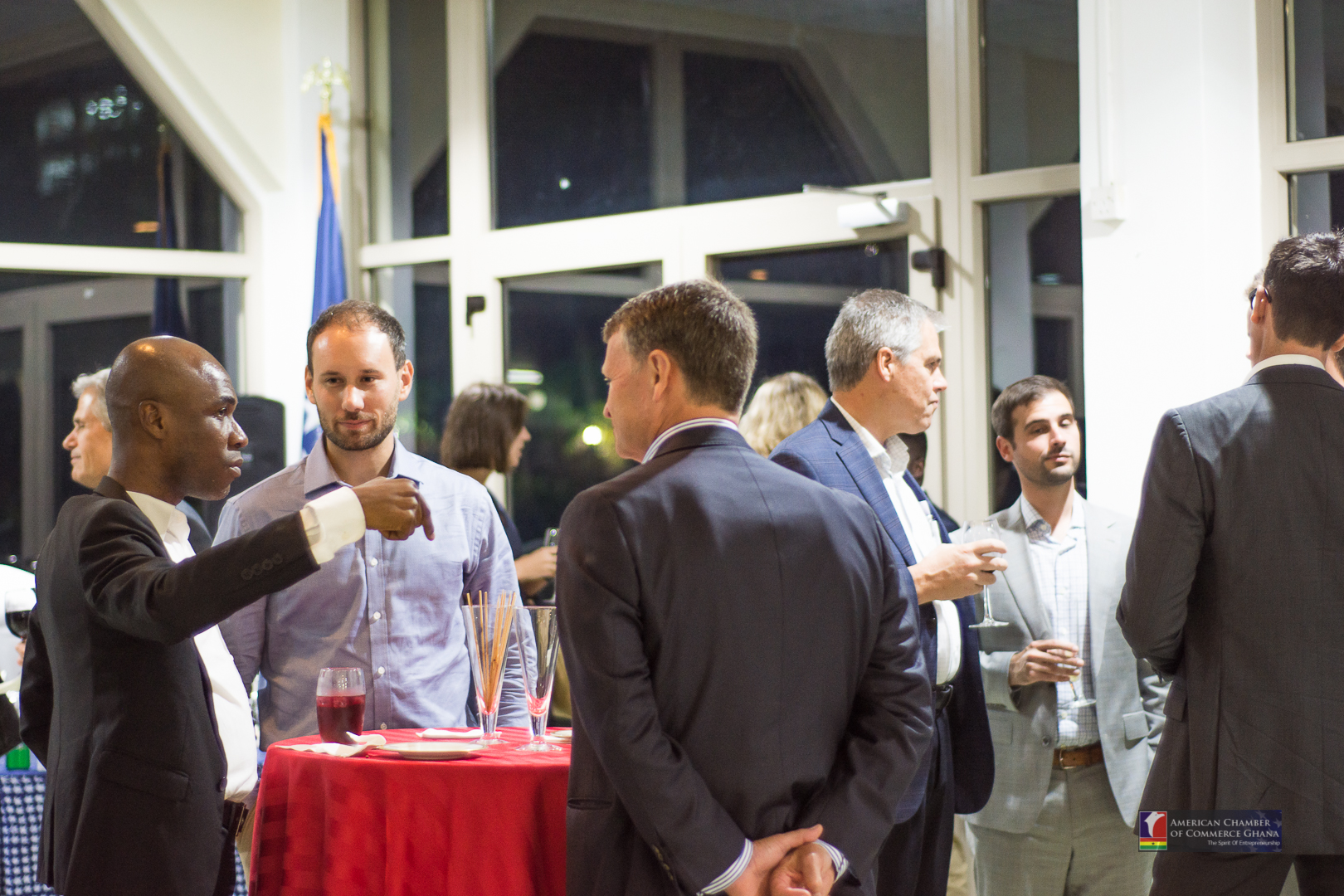
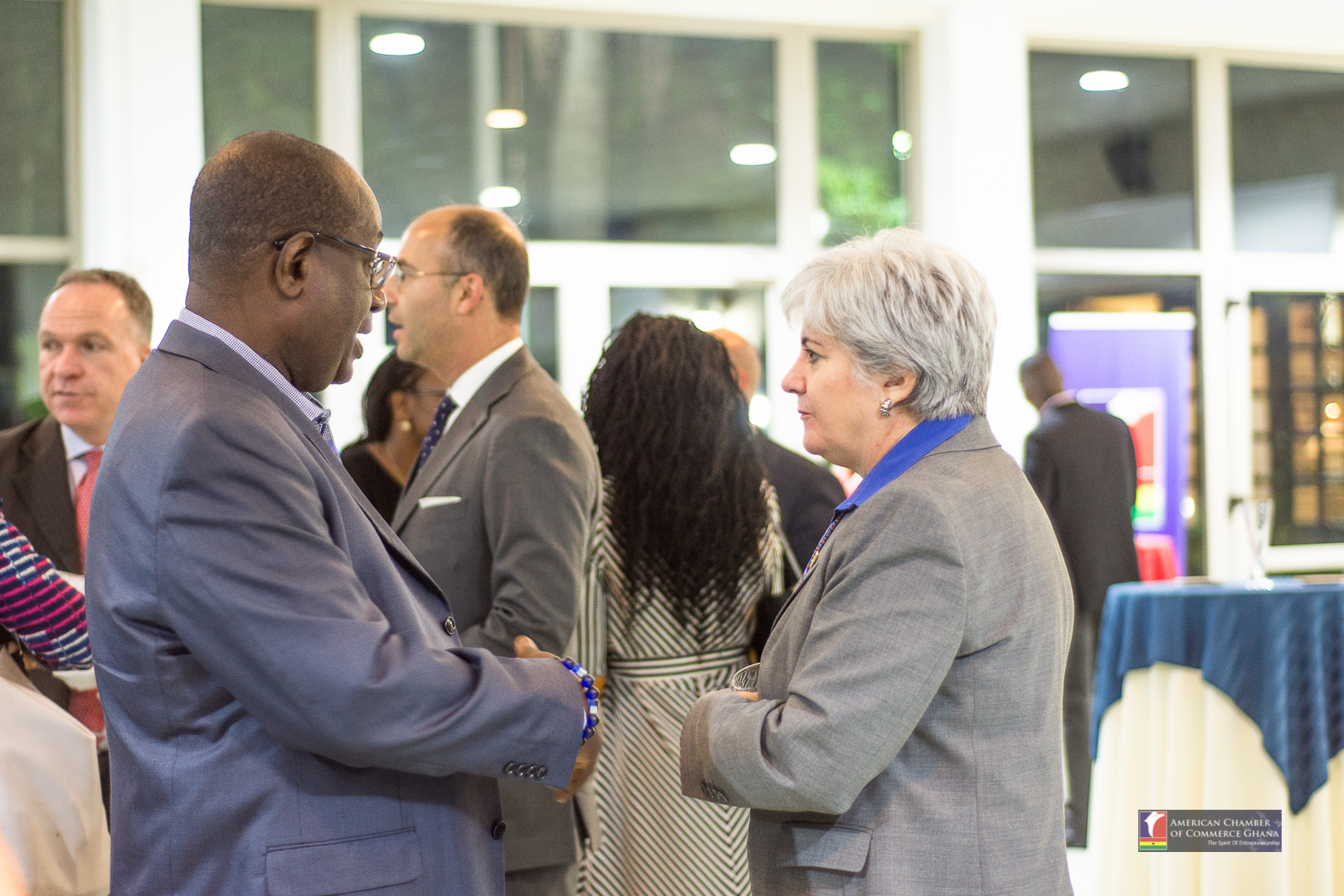
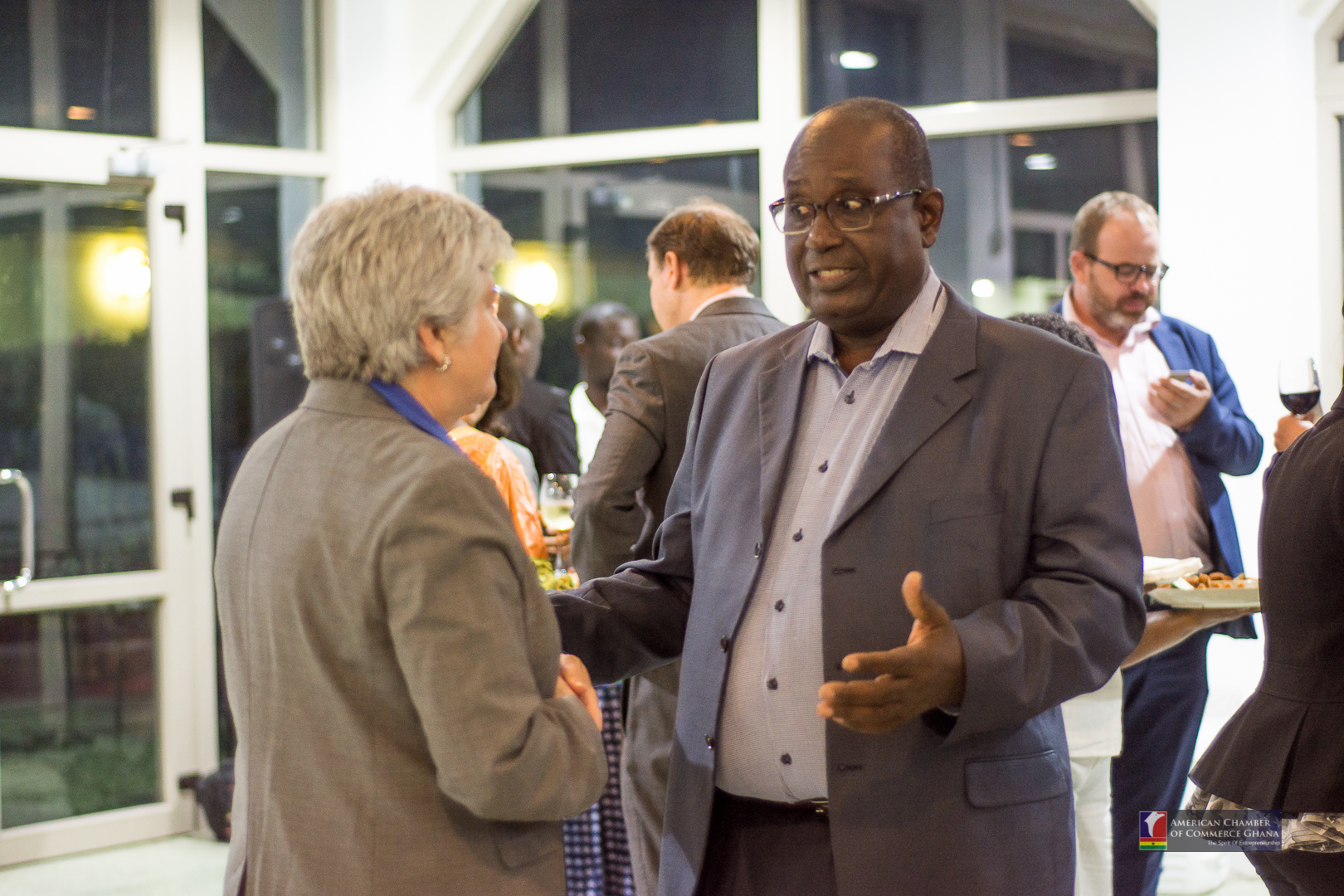
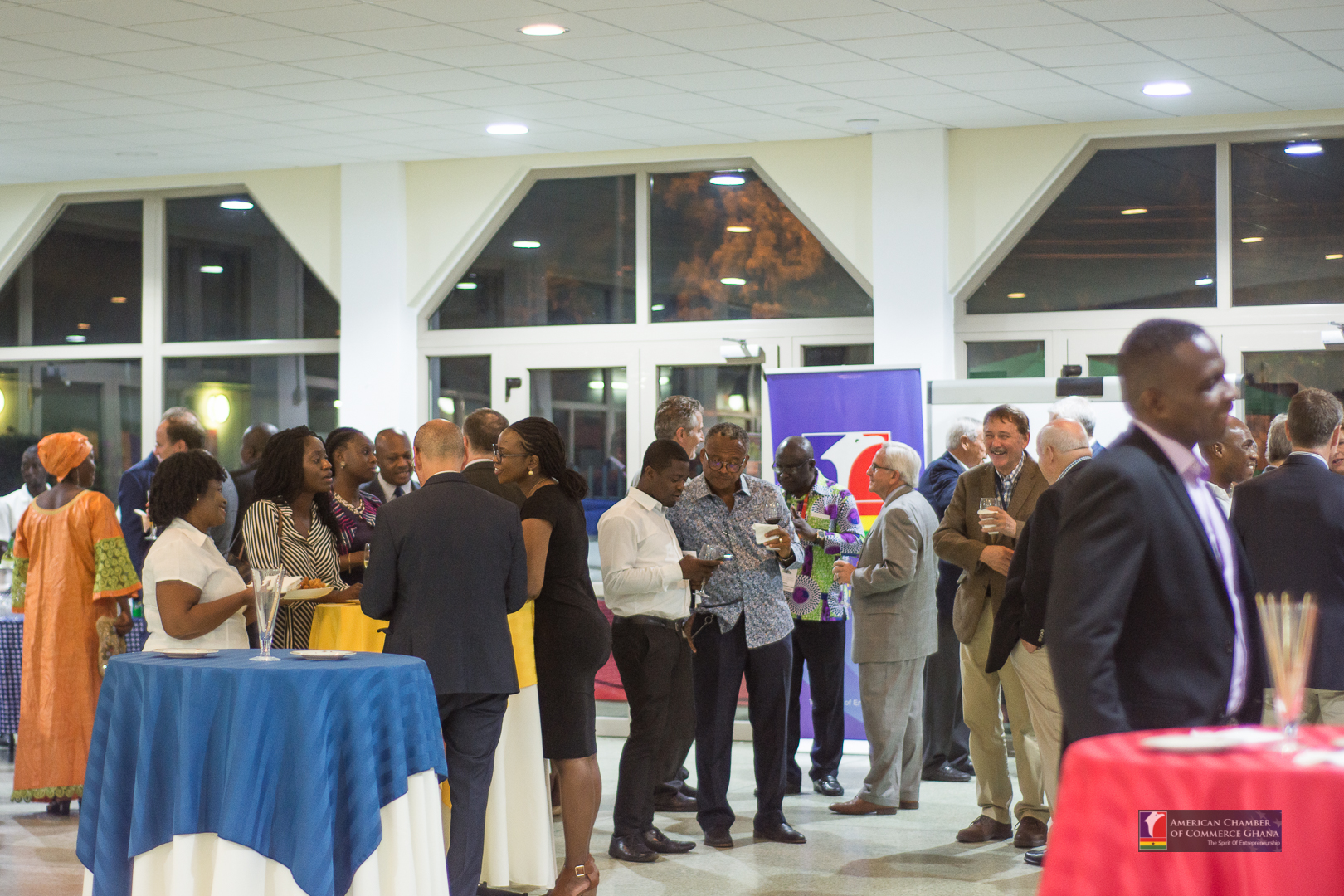
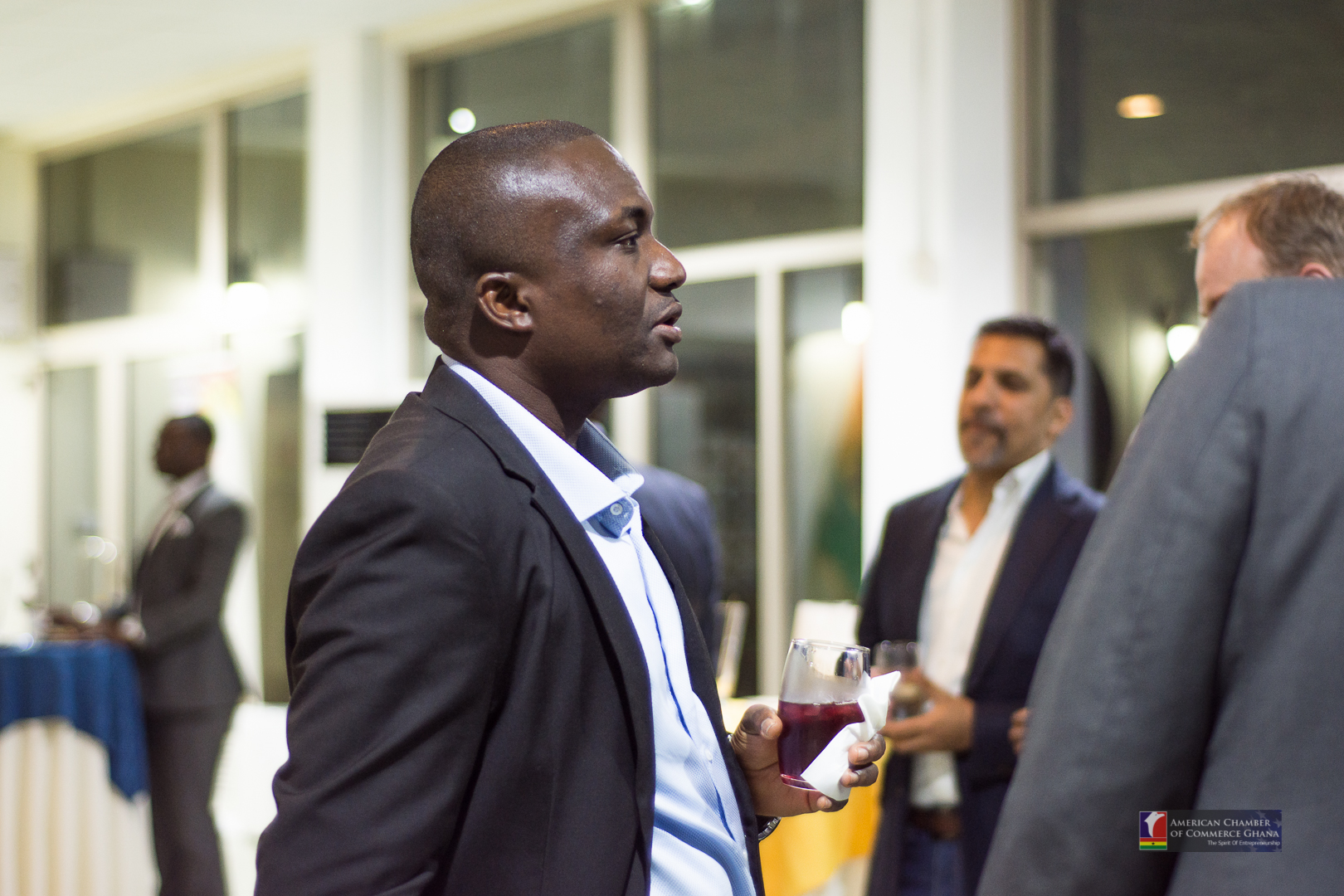
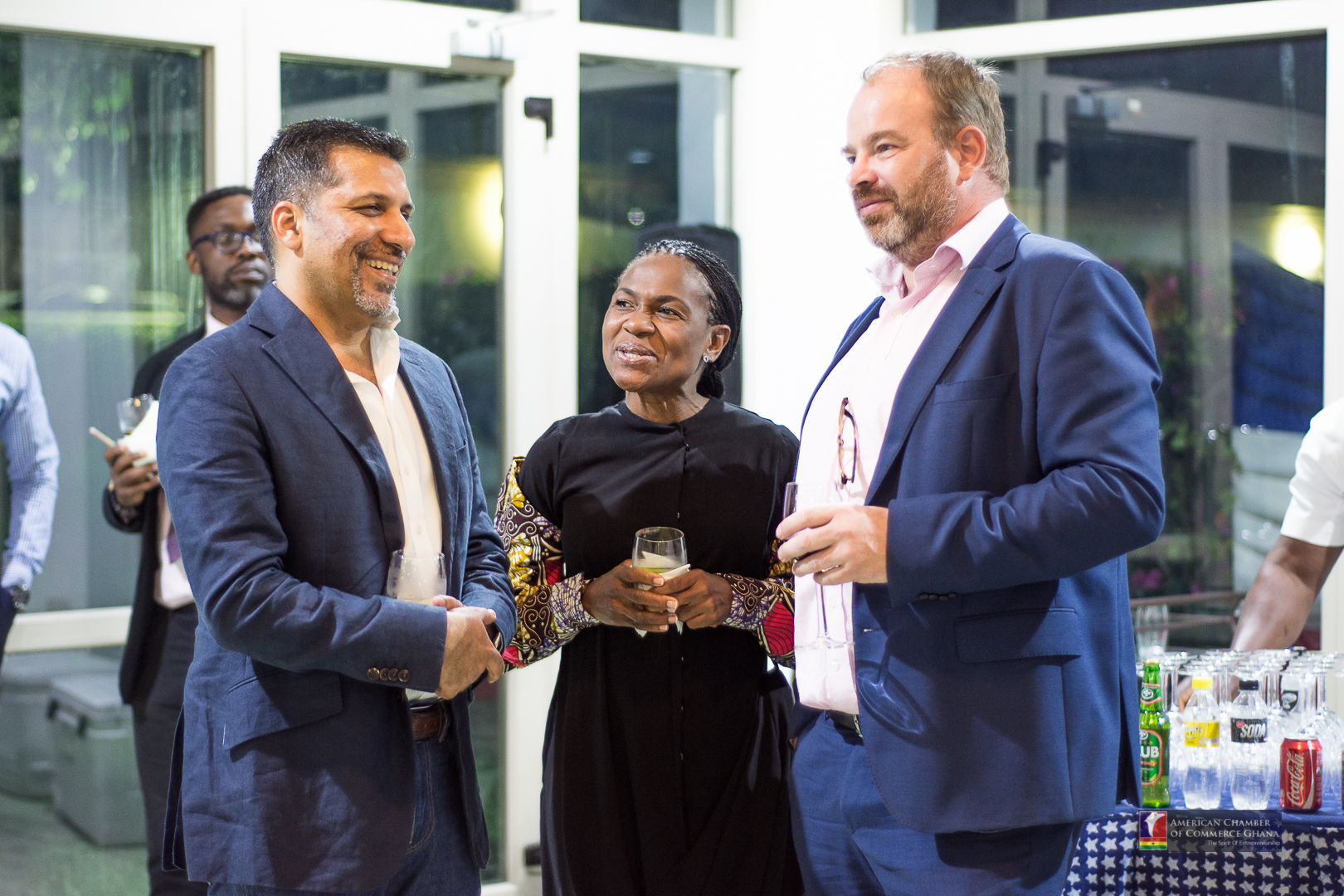
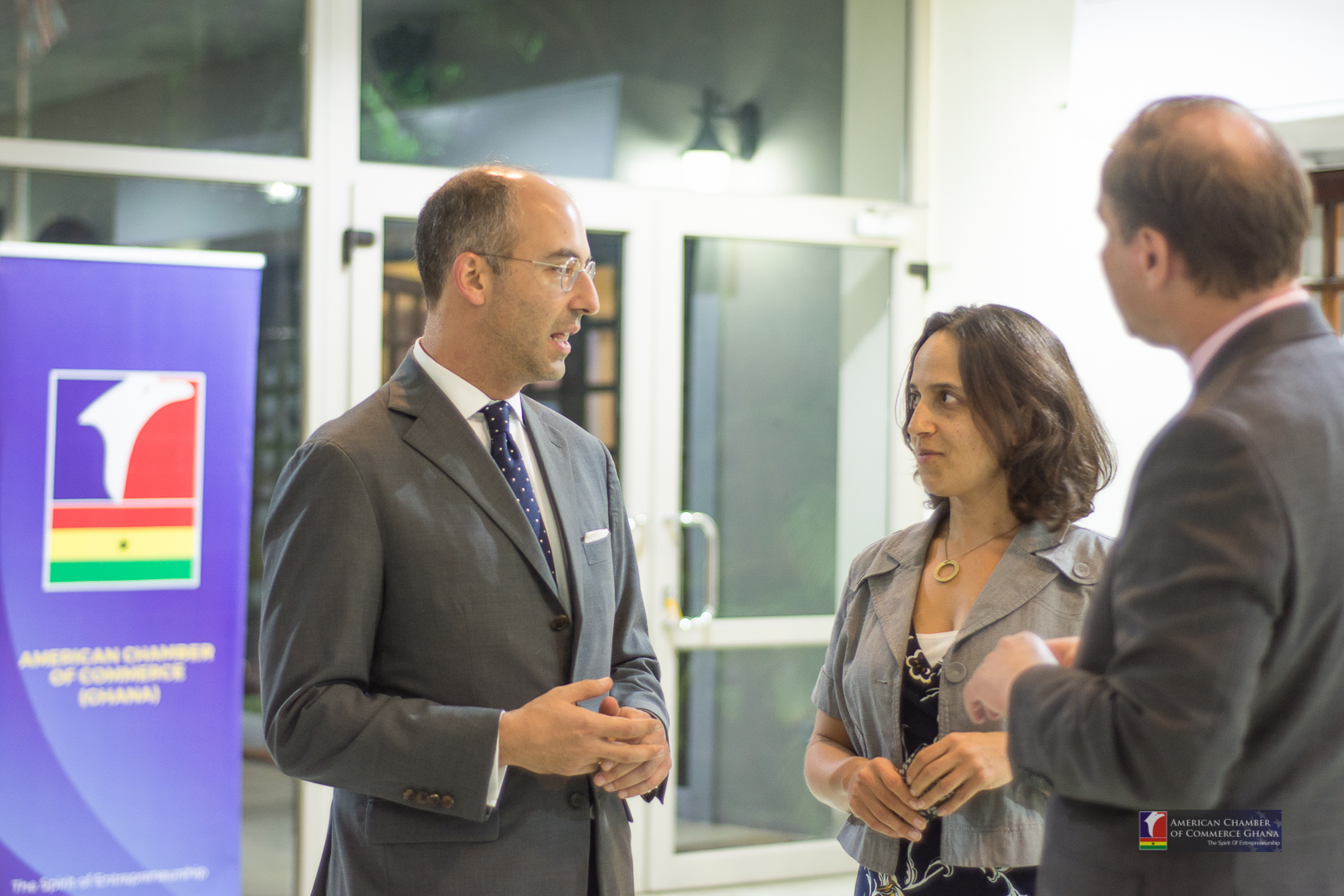
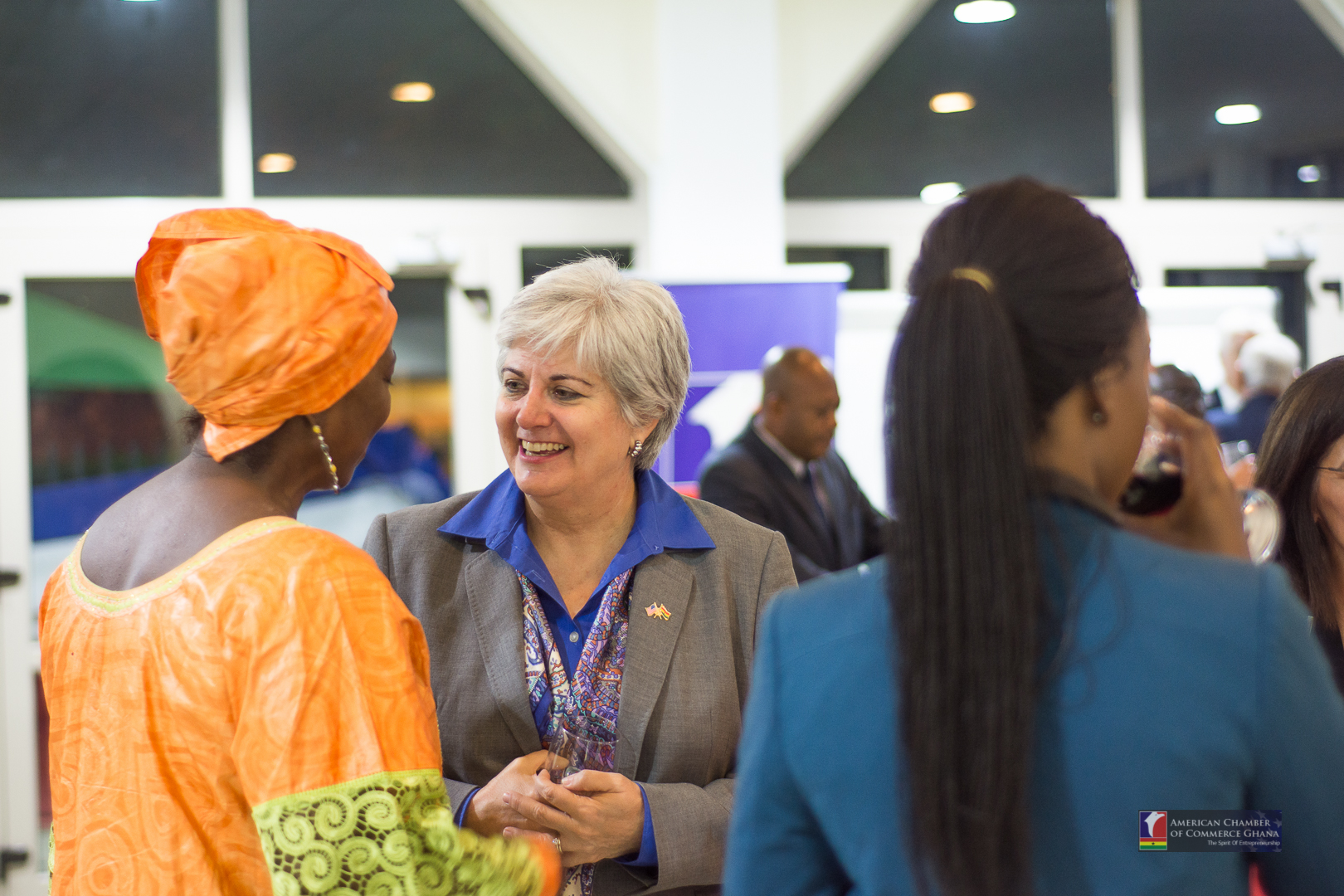
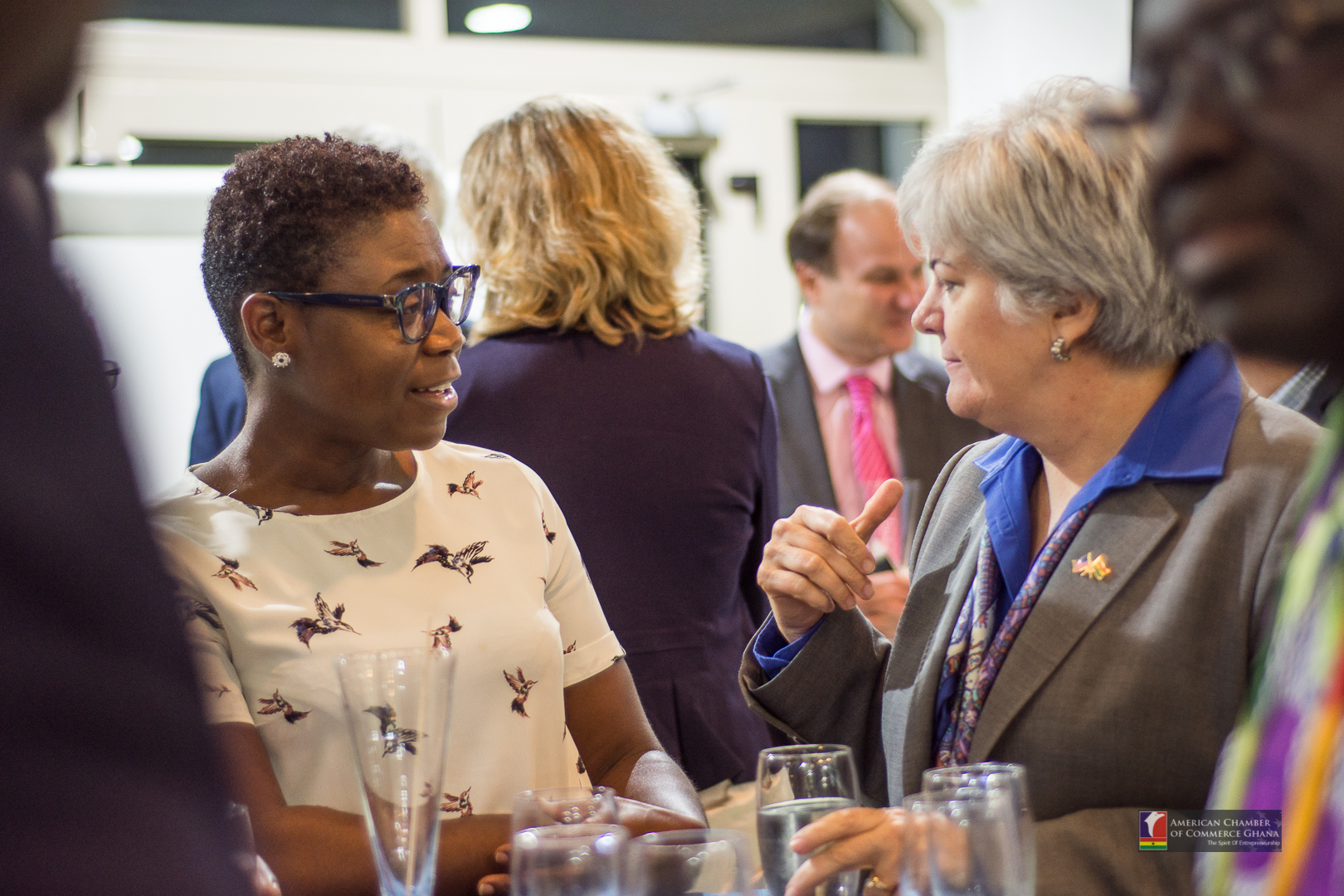
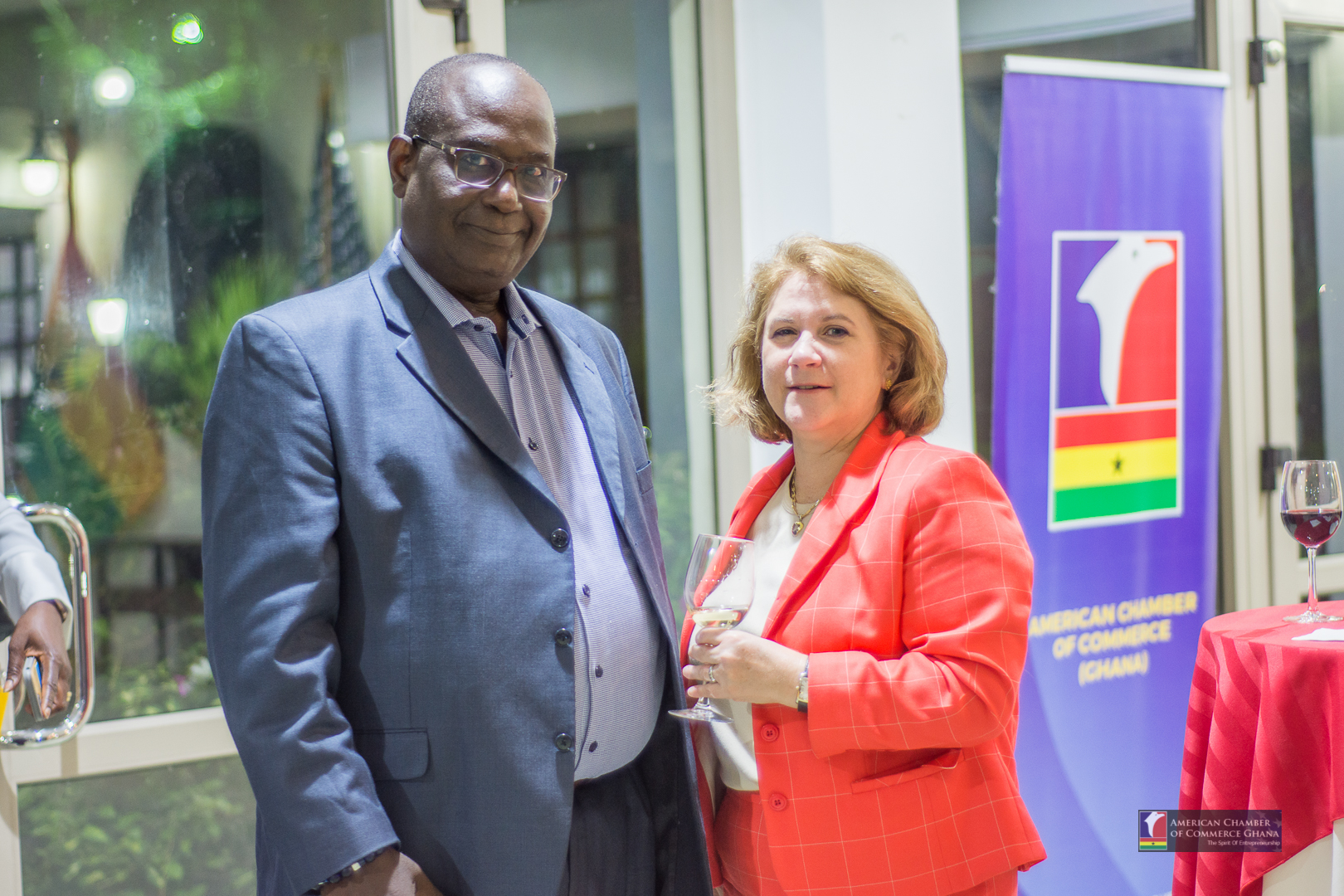
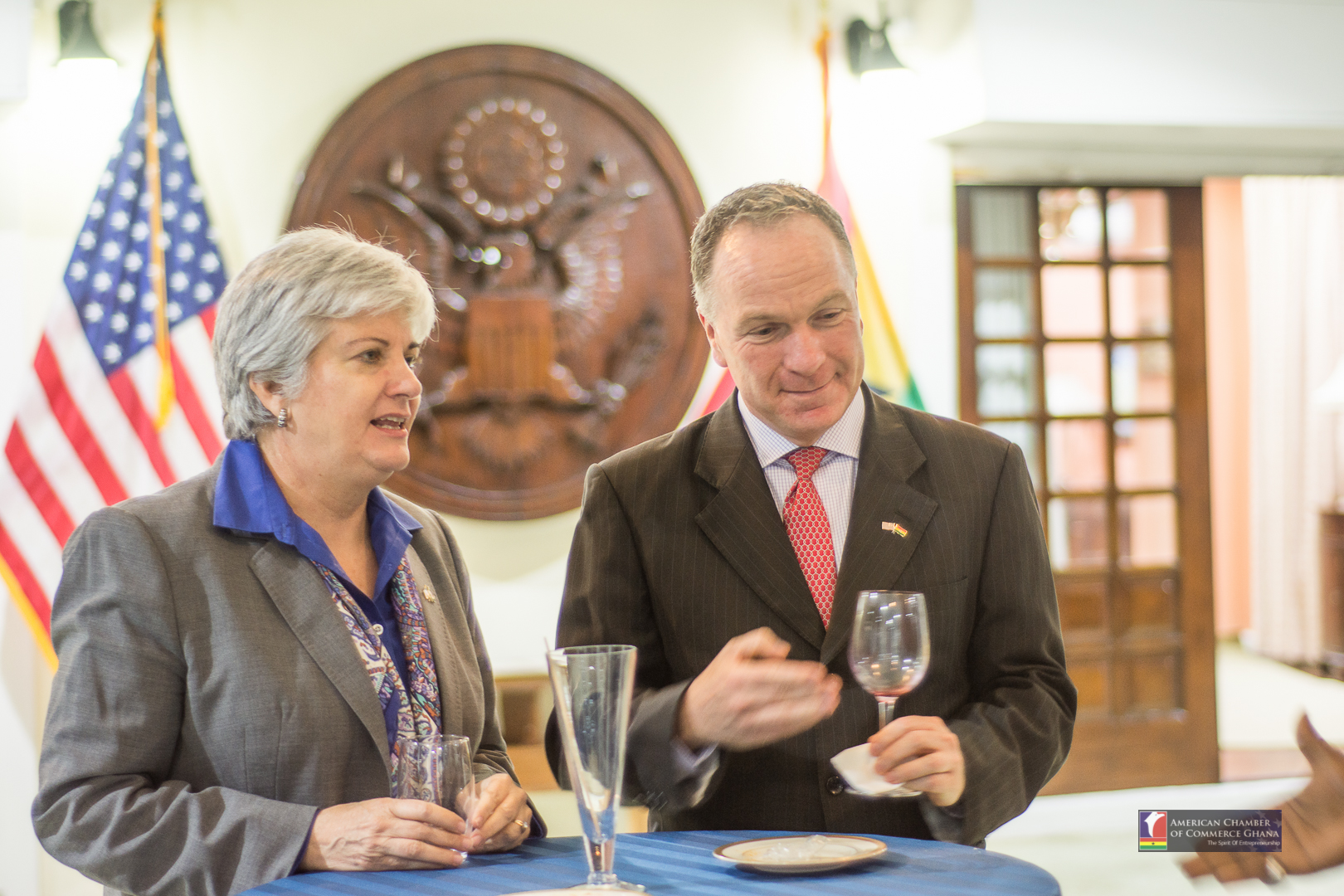
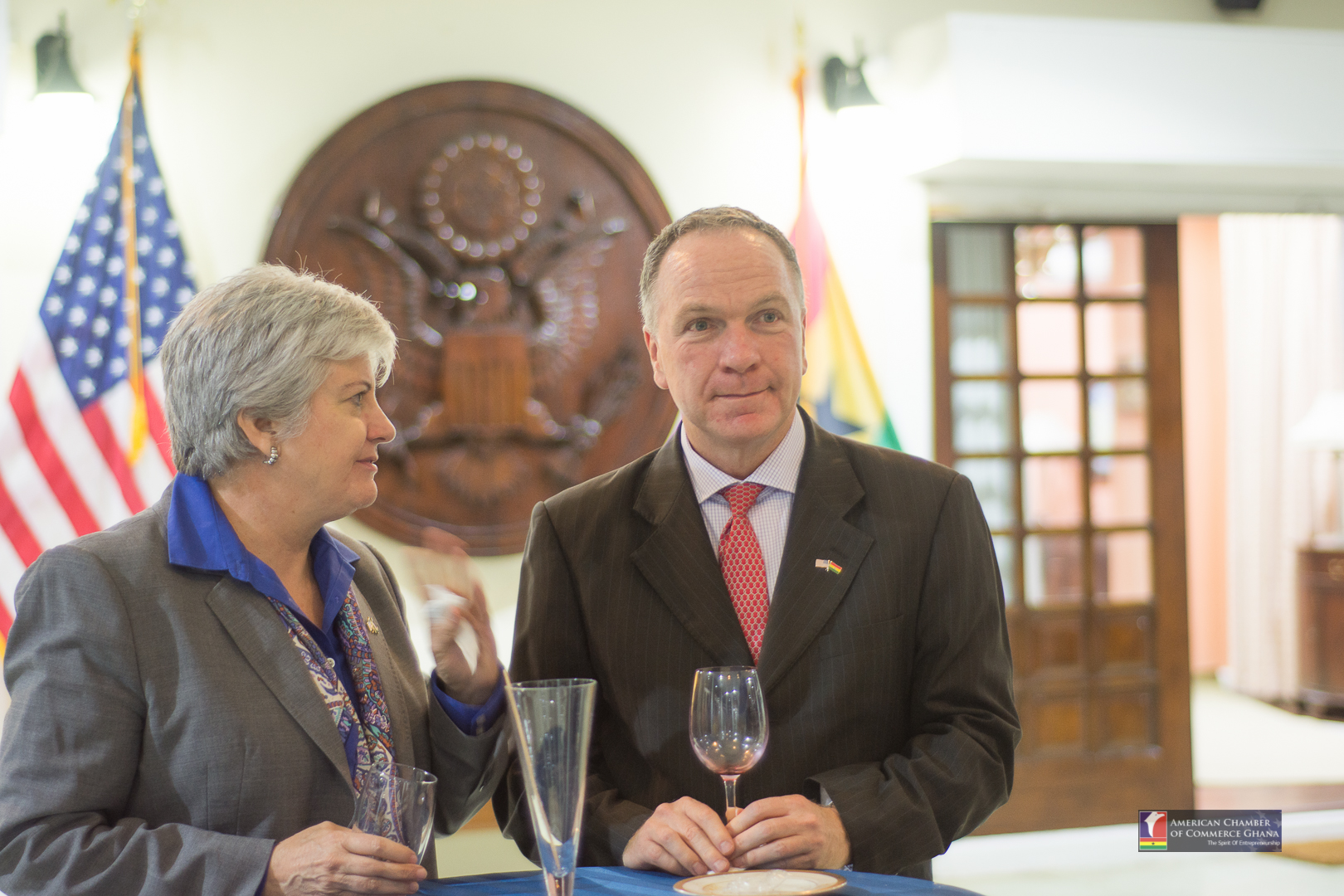
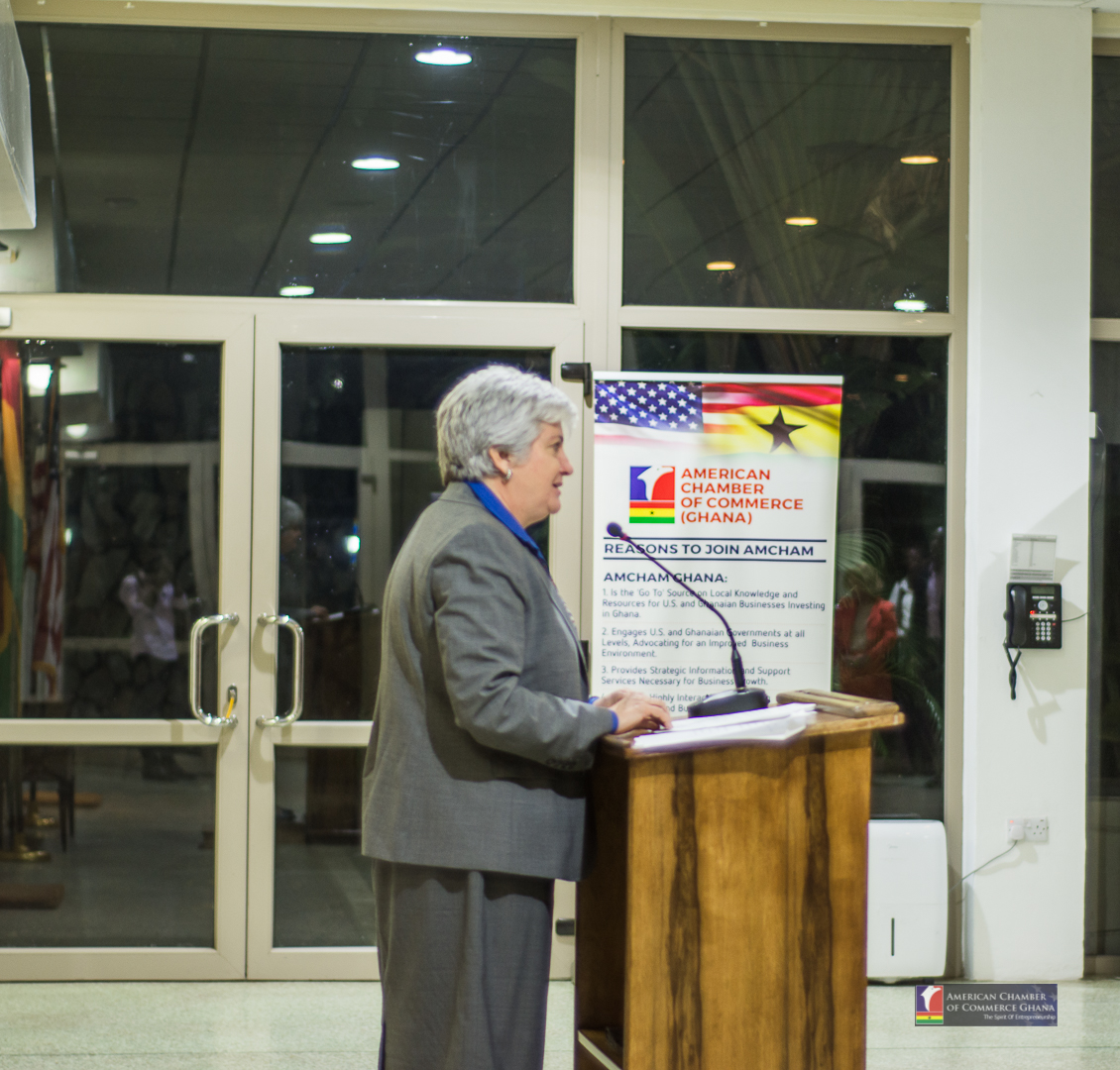
On Thursday, July 11, representatives from American Towers Corporation (ATC) paid a courtesy call to the Secretariat to discuss the current business environment and advocate for further development.

ATC Ghana is the largest independent owner and operator of shared wireless infrastructure in Ghana. ATC provides towers, in-building systems, power solutions, and services that speed network deployment for the wireless and broadcast communications industry.

[unitegallery ATC]

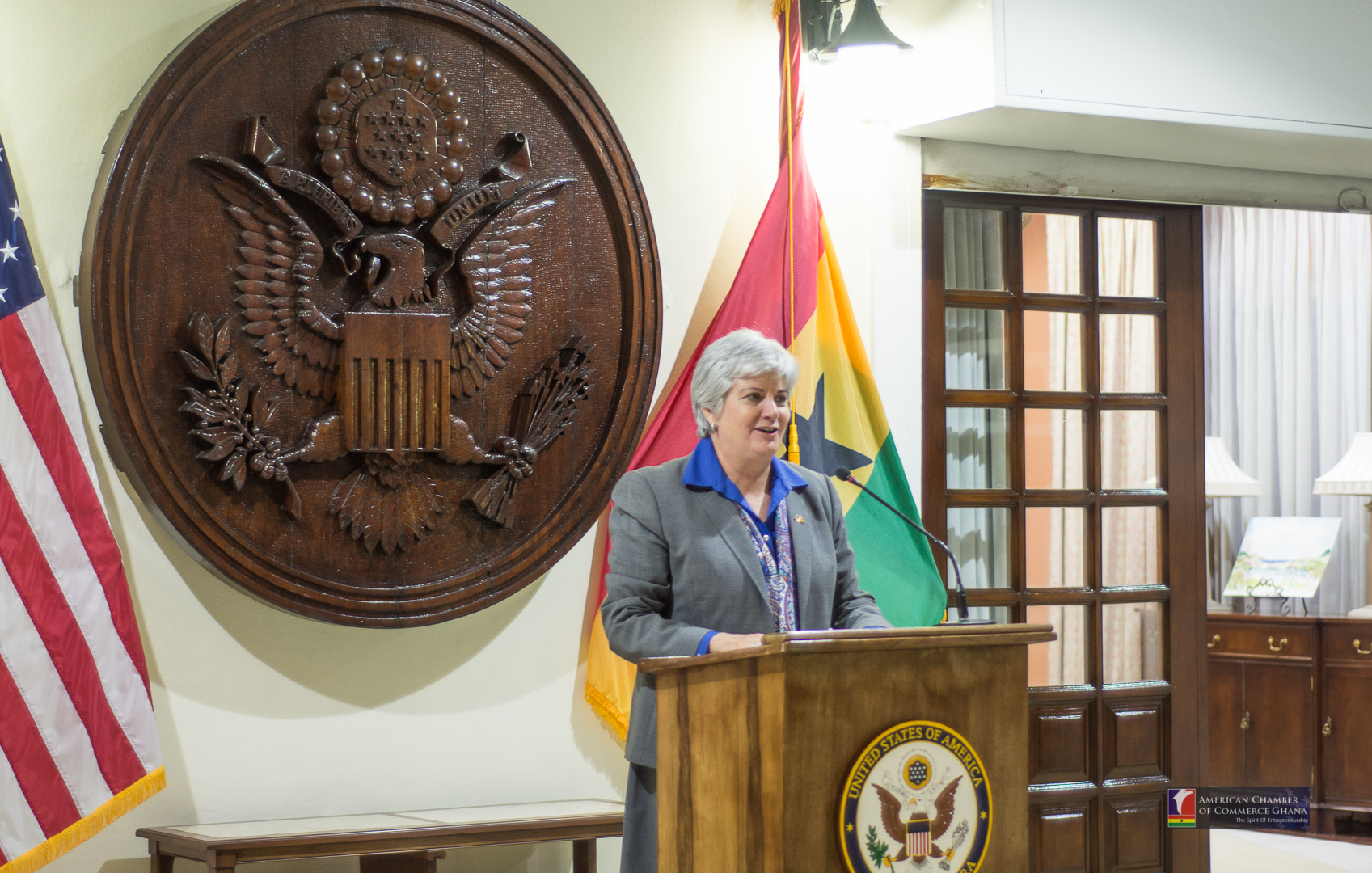
Remarks By Ambassador Stephanie Sullivan AmCham Thanksgiving and Awards Event

Honorable Deputy Minister of Foreign Affairs and Regional Integration, Kwaku Ampratwum Sarpong;

AMCHAM President Ayesha Bedwei Ibe;

Distinguished Guests;

Friends, Ladies, and Gentlemen;

All protocols observed:


Good evening everyone! It’s good to see all of you again. I’m so pleased to be here this evening to celebrate Thanksgiving, my favorite American holiday, together. Thanks for your kind words. My wonderful Economic and Commercial team deserves all the accolades.

This year’s celebration is particularly meaningful for me, as I expect it to be my last in Ghana as U.S. Ambassador, a position I am truly grateful and honored to hold. Before the handkerchiefs come out, though, let me add that I do not yet have a departure date.

This evening, I reflect on the many challenges and hardships we have endured since the onset of the COVID-19 pandemic.  Few families have been spared the pain of loss over the last, nearly two years.  It’s at Thanksgiving that we gather to remember the blessings we have, even as we mourn the loss of so many.  None of us could have anticipated the unprecedented effects this pandemic has had on our day-to-day lives, not to mention those felt by companies and workers around the world, as they struggled to survive and adapt to ever-changing business conditions.

I am truly proud of how the United States has worked closely with Ghana since the start of the pandemic, contributing more than $30 million dollars to support Ghana’s COVID-19 response across a range of sectors.

From over 2.5 million COVID-19 vaccines (with more arriving Monday!), to oxygen and respiratory care equipment along with training, to long-term health infrastructure investment and coordinated public health messaging, we continue to address the immediate and medium-term effects of COVID-19 on the health, agriculture, and education sectors, including the hard-hit private sector in Ghana.

The contributions of the fantastic membership of the AmCham throughout the pandemic have also made us proud of you, as exemplary of American corporate citizens.

So, as we gather this year to give thanks, I am mindful of the many blessings in our lives each day, both big and small, the challenges as well as the triumphs, and that at the heart of this holiday stands the spirit of togetherness.

The idea of togetherness reminds me of one of my favorite African sayings:  “The path to a friend’s home is never far.” And these days, the path can even be via zoom! The AmCham and American companies operating in Ghana are the embodiment of this togetherness and mutual support.

As I hope you know, promoting trade and investment is a strategic focus of the U.S. Mission to Ghana and has been at the top of my priorities as Ambassador.

Since my arrival in Ghana at the end of 2018, I have been honored to work with AmCham to grow the commercial relationship between our nations.

You, the members of AmCham, have been essential in this effort. American businesses and investors have long been at the forefront of deepening ties between our two countries.

And we see the benefits for Ghanaian companies and workers, too. We greatly appreciate the leadership of our American Chamber of Commerce in Ghana in advancing this partnership.

I remember during the visit of then-President Bill Clinton in March 1998, during my earlier assignment in Ghana – yes, I’m that old! – first hearing of Ghana as the “Gateway to Africa.” Some of you in this room remember that electrifying visit as well and have also seen our bilateral economic relationship grow and mature since then.  And now, with the establishment of the African Continental Free Trade Area-based right here in Accra, I believe that Ghana is truly poised to capitalize on the new economic synergies and opportunities for growth the AfCFTA can bring to the continent.

The AfCFTA’s focus on supporting women and youth, in particular, will surely lead to exciting new opportunities for women entrepreneurs and businesswomen.

I look forward to seeing how they take full advantage of all that this free trade area of 55 countries, with a combined GDP of $3.4 trillion US Dollars, has to offer, including as partners for U.S. companies seeking to enter the African marketplace.

When we look back on AmCham’s activities since we last gathered in person, and the difficult road we’ve traveled together, there are a lot of reasons to give thanks. While our activities and our resourcefulness were challenged by the pandemic, they were not constrained.

Despite the obstacles, we found ways to partner with you to keep up momentum in the business relationship. For example, together with AmCham, we hosted a virtual franchise trade mission that introduced new American brands to the market.

Last year, AmCham collaborated with USAID and the West Africa Trade & Investment Hub to host a webinar on co-investment opportunities and how companies can take advantage of and export to the United States under the African Growth and Opportunity Act, which remains in force into 2025.  In April, AmCham leadership held a virtual roundtable with Department of Commerce Deputy Assistant Secretary for the Middle East and Africa Camille Richardson to discuss how U.S. businesses are faring during the COVID pandemic and hear about their post-pandemic recovery plans.

Working with AmCham’s Digital Committee, we engaged the head of tax policy at the Ministry of Finance in June to discuss the Government of Ghana’s rollout of taxes on the digital economy.

And more recently, we partnered with AmCham to host a very successful U.S.-Ghana Business Forum that reached hundreds of industry stakeholders from both countries.

We also welcomed several new members to AmCham.  Companies like Abbott Laboratories, Baker Hughes, Orkin, Piedmont Lithium, and Trimble Navigation have joined the fold, adding to the growing family of companies that are changing the landscape of Ghana’s industry footprint.  Make no mistake, the American Chamber of Commerce in Ghana is deeply important to overall U.S.-Ghana relations.

Ghana is blessed to have such a dynamic, diverse, and active AmCham. It is no accident, but rather a tribute to the incredible dedication of so many of you in this room. I have sincerely enjoyed every opportunity to engage with AmCham over the years.  Together we have overcome challenges to strengthen and grow the US-Ghana commercial relationship.  So, let us take pride in our many accomplishments as we look to the future in Ghana – one that continues to hold immense opportunity and promise.

In closing, allow me to congratulate in advance tonight’s honorees and award recipients. I wish you all an enjoyable evening and a Happy Thanksgiving!

Thanks for all you do and for your kind attention.

Keynote Address By The Hon. Minister For Energy, Dr. Matthew Opoku Prempeh, At The West Africa Oil And Gas Forum (Us – West Africa: Sharing Prosperity In Oil And Gas Resources)- At The Offshore Technology Conference, Houston, 18th August, 2021

Distinguished Delegates

Ladies and Gentlemen,

It is a pleasure to join you this afternoon and an honour to deliver the keynote address at this important event, and I bring you warm regards from the government and people of Ghana.

The relationship between Africa and the United States goes back a long way, and in West Africa in particular, the founding of Liberia marked an important point in the relations between the US and the West African sub-region. Over the years, in areas such as trade, diplomacy, education, defense, and many others, this relationship has evolved and continues to respond to the many exigencies of the 21st century; Power Africa being the latest US initiative.

It is therefore a delight to be a part of the conversation today that explores the way forward for West Africa and the US on how best we can leverage on each other to partake in the prosperity and opportunities that the oil and gas industry brings.

Ladies and gentlemen, the African continent is blessed with abundant natural resources including oil and gas. Nearly half of the countries in West Africa are producing oil and gas, making the sub-region an important hub of this critical sector. These include Nigeria, Ghana, Gabon, Guinea, Cote d’Ivoire, Niger, Gambia, and Senegal.

Perhaps the irony of this is that a lot of the countries in the West African region do not have the capacity to exploit these resources by themselves and have had to rely on foreign companies over the years. In Ghana, for instance, our first oil field (the Saltpond field) was discovered by an American company called Signal-Amoco Consortium in the 1970s and several years later, two American Companies (Kosmos Energy and Anardarko) and their partners discovered Ghana’s most prolific oil field (Jubilee Field) and subsequently the TEN Field in a separate Contract Area. In Nigeria, Shell began drilling in 1956, leading to the country’s first discovery two years later.,

Distinguished Ladies and gentlemen, US companies remain strategic partners in oil and gas exploration in West Africa, with huge investments. Several million barrels of oil and million standard cubic feet of gas are produced on daily basis in West Africa and Africa as a whole owing to the efforts of these foreign partners, including Chevron, ExxonMobil, Hess and others. It is therefore important to look at ways in which both sides – those in whose territories these precious resources sit, and those with the finances and the technology to exploit them – can derive mutual benefits from their collaboration in order to benefit the citizens of those countries and the shareholders of the oil companies. To do this, we must examine in turn how each side could benefit from our contractual arrangements.

Ladies and gentlemen, the unfortunate reality in several West African countries particularly in the resource-rich areas is the fact that, the standard of living of the people is normally not commensurate with the wealth of resources being extracted, leading to social and political agitation in several instances.

In most countries including Ghana, there are established programmes and plans to have E&P companies give back to society through Corporate Social Responsibility (CSR) programmes and direct employment of indigenes to improve on their economic conditions.

E&P companies are also expected to train and transfer knowledge to indigenes and offer significant contracts to local firms to render services pertaining to petroleum operations.  This must be beyond peripheral areas such as security, transport, and catering, and look at areas that are core to the oil and gas industry. These are all mechanisms of empowering indigenes economically as the E&P companies grow in their operations and finances. These come under local content and localization.

Of course, this does not relieve central governments of their responsibility to ensure efficient, fair, and stable resource revenue sharing among its citizens. Clear objectives should be established for use of the revenue coming from oil and gas and must be strictly adhered to. It is only through these measures that all can benefit from the oil and gas resources. In Ghana, for instance, the Petroleum Revenue Management Act determines how revenue from petroleum should be disbursed. The Act does not only prescribe the use of petroleum revenues for development of other sectors of the economy but also insists on the reservation of such revenues for future generations.

Again, in the area of skills training, it is important for governments to make the necessary investments particularly in the youth to ensure that they possess the necessary skills to meet the demands of the highly specialized labour force that the oil companies require to ensure smooth operations. Africa has a young, dynamic and energetic population, and Technical, Vocational Education and Training (TVET) is a huge driver in industrialization, economic empowerment and job creation.

Distinguished ladies and gentlemen, Africa is cognizant of the advocacy for energy transition and clean energy utilization. But I believe that this conversation must be had within a careful context, which is the reality of the current stage of Africa’s development and growth trajectory. This, in my view, implies that Africa must not shy away from pursuing an agenda of exploration. Many in Africa, including the African Energy Chamber, recommend a multi-pronged approach to addressing energy poverty – one that harnesses both renewable energy sources and fossil fuel.  I think this is a call in the right direction.

The fact remains that gas, especially Africa’s Liquefied Natural Gas (LNG), is the cleanest of fossil fuel, and harnessing it to power generators can make a huge impact on the drive to accelerate universal coverage. Currently, about 600 million people are without access to electricity in Africa. Without a clear and purposeful drive towards cheaper electricity through gas exploration, the figure will rise to 800 million by 2030, whilst the continent sits on what shall effectively become stranded assets. We cannot starve in the midst of plenty. This is clearly an unacceptable situation.

Africa sits on vast oil and gas reserves. In countries like Senegal, Nigeria, Cameroon, and Ghana, gas will be a game-changer in providing cheaper access to power and ultimately driving industrialization. This in turn creates employment and business opportunities both in the upstream and downstream petroleum sector. It also sustains the huge investments that have been made by these countries in the skills training of their citizens to respond to the specific exigencies of this specialized industry.

In my view, therefore, oil and gas exploration in Africa cannot be taken off the energy menu because the continent’s circumstances, needs, and priorities are vastly different from those of industrialized countries as we are at a different stage of our growth process.

Of course, this is not to denigrate renewable resources and clean energy by any stretch of the imagination, or to downplay its importance, because we remain committed to our SDG 7 goal. But to seek to push Africa into a renewable energy corner with the same speed and zeal as in industrialized countries, instead of allowing her to grow her renewable mix at its own rate whilst using her natural resources to power her economy and eliminate energy poverty could be counter-productive and further widen the economic gap between the North and the South.

Oil and gas exploration remains a key component of our economic mix in the short-to-medium term and Africa needs more, not less exploration, for which reason we are open for business and will continue to push for investments in our region. First, I believe West African countries should be ready to make available adequate and quality data on oil blocks to improve and shorten the length of time between exploration and discovery.  This is particularly important in attracting investment into the sector in the sense that, the oil companies have reduced workloads in conducting exploratory activities which saves them a lot of cost.

Second, for any investor to have the confidence to head to a particular destination, there should be the confidence that there is a robust and supportive legal, fiscal and regulatory framework in place to ensure that its assets and interests will not be threatened.  This means the country must be stable, its legal systems must be robust enough to deliver justice in the event of a dispute, and that its regulatory and fiscal regimes are competitive transparent and predictable.

Further, we must also find ways to align petroleum activities with the current trends in modern technology. It should be possible for foreign companies to assess data from Africa in their offices through Virtual Data Rooms. These approaches will not only reduce cost but also save time and improve efficiencies in the oil and gas industry.

Ladies and Gentlemen, I cannot conclude my keynote address without stressing the importance and the need for energy infrastructure interconnectivity within the West African Sub-region. On this note, I would like to bring to your attention that the ECOWAS Commission is leading a study on the extension of the West African Gas Pipeline along the cost to Morocco with laterals to interconnect all countries along the route as well as in-land countries.

I call on West African oil-producing countries to continue to engage each other and share not only our best practices but also valuable lessons on how we can, through the power of oil, improve the lives of our people. I am confident that West African and US companies will continue to have the conversation to explore further our deep and warm relationship. Together, there is so much we can do as we face the future and attempt to respond to the realities of its opportunities and challenges. I trust that we will all have fruitful deliberations.

Thank you for your time and attention.

Key Note Address By The Hon. Minister For Energy At The Ribbon Cutting Ceremony- Offshore Technology Conference, Houston, 16th August, 2021

Your Excellency, the Ambassador of Ghana to the United States,

The Deputy Minister for Energy, Colleague Ministers,

Heads, Board Chairs, and Board Members of Sector Agencies present

The CEO of the Ghana Investment Promotion Centre,

Representatives of the Parliamentary Select Committee on Mines and Energy, Captains of the Oil and Gas Industry,

The American Chamber of Commerce,

The Ghana Houston Chamber of Commerce,

Delegates, Exhibitors, Friends from the media,

Ladies and Gentlemen,

I welcome you all to the Ghana Pavilion and extend to you warm greetings from the President of the Republic of Ghana, His Excellency Nana Addo Dankwa Akufo-Addo.

Ladies and gentlemen, today we cut the ribbon to present and showcase Ghana’s pavilion at the OTC, to demonstrate to the world that truly, our petroleum industry is awash with exciting investment opportunities.   We are here not only to tell the world about our flourishing Upstream Industry but also to create awareness about opportunities in our Downstream Industry.

In the upstream space, Ghana has a lot of untapped hydrocarbon resources, both offshore and onshore, which we hope to sustainably explore and exploit through partnerships with private companies.

In Ghana, Exploration and Production (E&P) licenses are awarded through open, transparent, and competitive public tender processes. However, E&P licenses may be awarded through direct negotiations without public tender if direct negotiations represent the most efficient manner to achieve optimal exploration, development, and production of petroleum resources in a defined area.  Either way, prospective contractors must have the requisite technical and financial abilities to undertake petroleum activities.

There are also farm-in opportunities in some of the existing licenses for prospective investors to operate through existing Petroleum Agreements without having to go through block application and negotiation processes.

Ghana’s sedimentary basins are de-risked and highly prospective and our petroleum industry is regulated by clear, predictable, and suitable fiscal, legal, and regulatory regimes. In addition to these, the congenial business atmosphere, the hospitality of the Ghanaian people and more importantly our relative political stability should make every investor consider Ghana as an investment destination.
Ladies and gentlemen, moving downstream, Ghana aspires to become a hub for refined petroleum products in the West African sub-region and beyond by the year 2030. The hub involves the development of infrastructure such as refineries, port terminal facilities, storage facilities, petrochemical plants as well as Liquefied Natural Gas (LNG) terminals with a network of pipelines. In addition, it is within our plans to develop Compressed Natural Gas (CNG) facilities to serve as alternative sources of fuel for transportation. CNG is a cheaper and cleaner fuel than the other fossil sources and its use is in line with our broader goal transition progressively from carbon-intensive sources to low carbon sources of energy.
Ladies and gentlemen, the global advocacy for energy transition and cleaner energy is not lost on us in Africa. Indeed, Ghana remains committed to its SDG 7 goals and has been working towards clean energy in its energy mix through several initiatives and policies.

But the fact remains that gas, especially Africa’s Liquefied Natural Gas (LNG) is the cleanest of fossil fuel, and harnessing it to power generators can make a huge impact on the drive to accelerate universal coverage. Without a clear and purposeful drive towards cheaper electricity through gas exploration,  our goal of universal coverage and industrialization will make little or no impact.

We cannot, therefore, take oil and gas exploration out of our conversation towards a sustainable future and our aim of eliminating energy poverty, since our needs and priorities are vastly different from those of industrialized countries as we are at a different stage of our growth process.

Ghana, and by extension the rest of oil-producing Africa, must be allowed to grow her renewable mix at her own rate whilst using her natural resources to power her economy and eliminate energy poverty could be counter-productive and further widen the economic gap between the North and the South.

We seek more, not less exploration, which is why we take this event particularly seriously and continue to push for inwards investment in our country’s oil and gas industry.

On the team of exhibitors here, we have the Ministry of Energy, which is responsible for energy policy formulation, implementation, monitoring, and evaluation as well as supervision and coordination of activities of energy sector agencies. We also have the Petroleum Commission, which is the regulator of Ghana’s upstream petroleum industry, as well as the National Petroleum Authority, whose mandate is to regulate the petroleum downstream industry in Ghana.

The Ghana National Petroleum Corporation is another exhibitor, with the mandate to undertake exploration, development, production, and disposal of petroleum, whilst the Ghana Gas Company is the nation’s premier mid-stream gas business company that owns and operates infrastructure required to perform the role of gas transmission utility..

Kosmos Energy is a leading deepwater exploration and production focused on meeting the world’s growing demand for energy and is also on the team of exhibitors, whilst Tullow Ghana, a subsidiary of Tullow Oil, is an independent oil and gas company with a focus in Africa.

Finally, we have the Ghana Investment Promotion Centre, whose mandate is to promote Ghana as an investment hub, facilitate and implement an attractive investment framework and advocate for an enabling investment environment.

Ghana’s delegation includes astute businessmen and women who are willing to discuss and do business with their counterparts from different parts of the world in order to expand business activities, trade, and investments between Ghana and other countries. International businesses are therefore being encouraged to engage the Ghanaian businesses for partnership opportunities in Ghana and beyond.

Also, permit me to use this opportunity to invite you to the West Africa Oil and Gas Forum on Wednesday at the NRG Center, Level 2, Room 300 from 2 – 5 pm.

Thank you for being part of this ceremony.

I wish you a fruitful conference and look forward to seeing you on Wednesday.

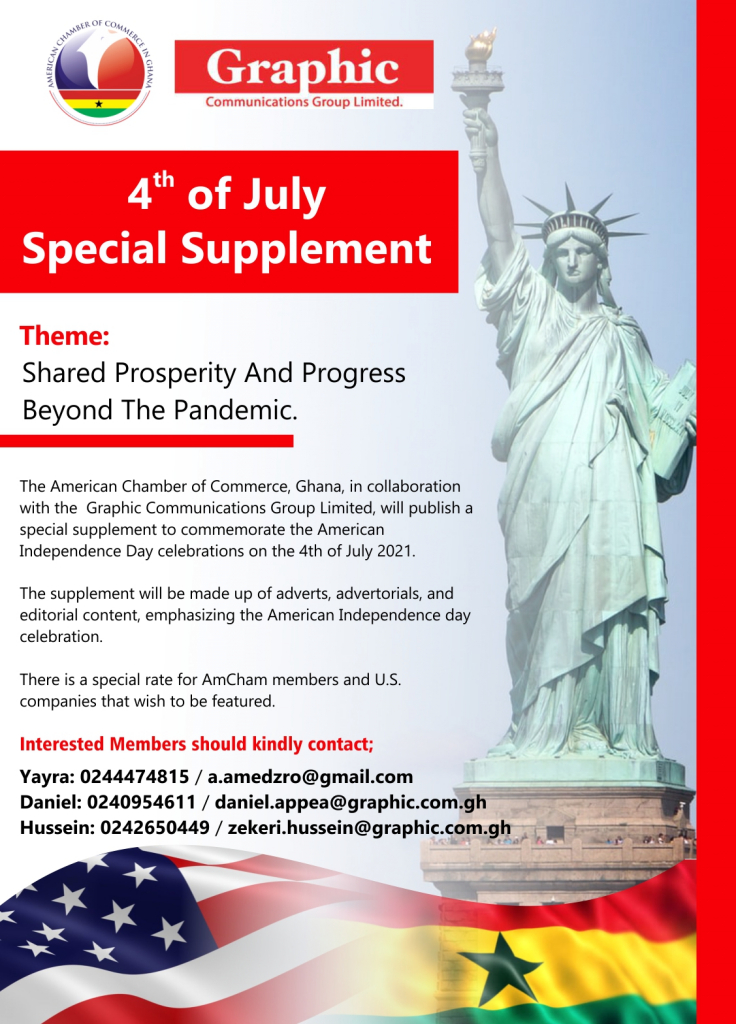
4TH Of July Supplement

The American Chamber of Commerce, Ghana, in collaboration with the Graphic Communications Group Limited, will publish a special supplement to commemorate the American Independence Day celebrations. Please note, the supplement will be published on Friday, July 2, 2021, as the 4th of July, 2021, falls on a Sunday.

Rationale

The main rationale behind this special supplement is to:     

  • Provide the opportunity for American institutions and companies in Ghana to extend well wishes to the American community on this memorable day.
  • Offer a credible platform for companies to amplify their activities and advertise their products and services.
  • Promote the indigenous originality of institutions’ products/services.

Benefits

  • The special supplement is carried in the main jacket of the Daily Graphic designed to be portable and attractive.
  • The supplement pages can be pulled out of the main paper for keeps, therefore, it has a ‘longer shelf-life than the regular newspaper.
Interested member should kindly contact Yayra on 0244 474 815 or email a.amedzro@gmail.com


Webinar: Financing the Franchising Sector – A Workshop for the Finance Industry in Ghana

The Foreign Commercial Service of the U.S. Embassy in Ghana, in collaboration with AmCham Ghana and the Africa Franchise Centre (AFC) Lagos, on Tuesday, August 25, 2020, hosted a webinar on Financing the Franchising Sector. The event was a workshop to educate and expose players in the finance industry to the concept of franchise financing.

The event provided an understanding of how the franchising sector works, becoming aware of how to unlock it, as well as identify some reasons why people are hesitant to finance franchises.

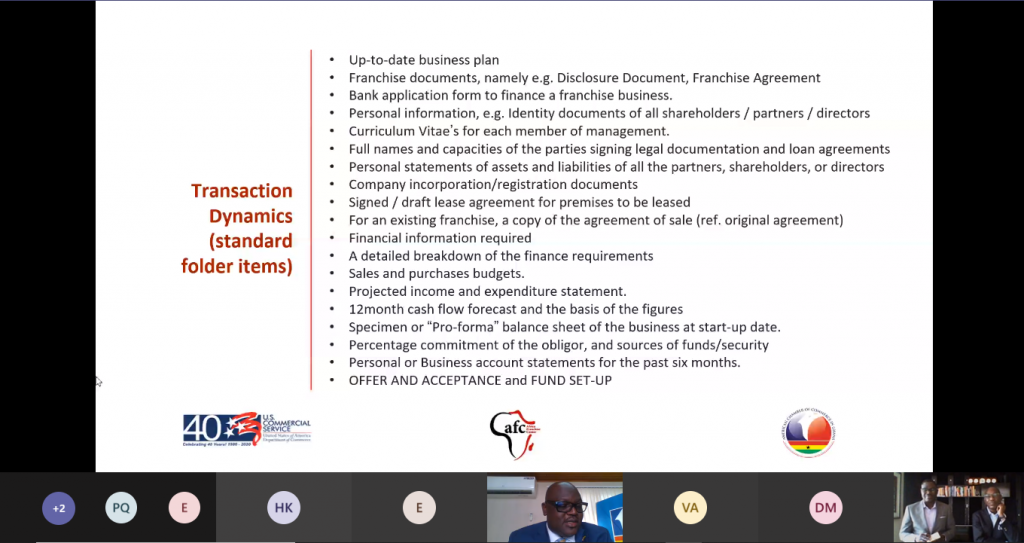
The presenter, Emma Esinnah, Country Director, Curves International, Nigeria, took participants through the transaction dynamics to help make informed decisions when appraising proposals.


The global franchising industry is a $3 trillion (estimated) industry with products and services in over 300 business categories.

Emma Esinnah also highlighted some of the benefits franchising, such as risk avoidance associated with start-ups, reduction in start-ups cost and time, and proven products, services, and operational methods. Mr. Asinnah believes these benefits make franchising a strategy for business growth which benefits the economy and the banks.

He also presented a case study of South Africa’s franchising sector, which according to a 2019 report, by the Franchising Association of South Africa (FASA) is over 15.7% to GDP, and employs over 343,000 people.

Mr. Asinnah noted that the success of a franchise depends on its system and encouraged bankers and stakeholders to take a keen interest in finding out the strengths and limits of a franchise’s operational system. He also advised that bankers praise the franchise and not the franchisee, as findings revealed people who mostly succeed with franchises have no prior business experience.

According to Mr. Asinnah, the banking sector has played an instrumental role in the success story of the South African franchising industry by creating special products and services specifically tailored to suit the sector. He also dismissed the assertion that the influx of foreign franchises stifles local businesses, he said instead when managed well, franchising can help grow local businesses to international standards.

Present at the webinar was the AmCham Ghana Executive Secretary, Simon Majie, who delivered the closing remarks and acknowledged the importance of franchising to the development of local businesses.

Also present were Hannah Kamenetsky, Senior Commercial Officer, U.S. Embassy Ghana, and Paul Arinze, President at Pedestal Africa Ltd.

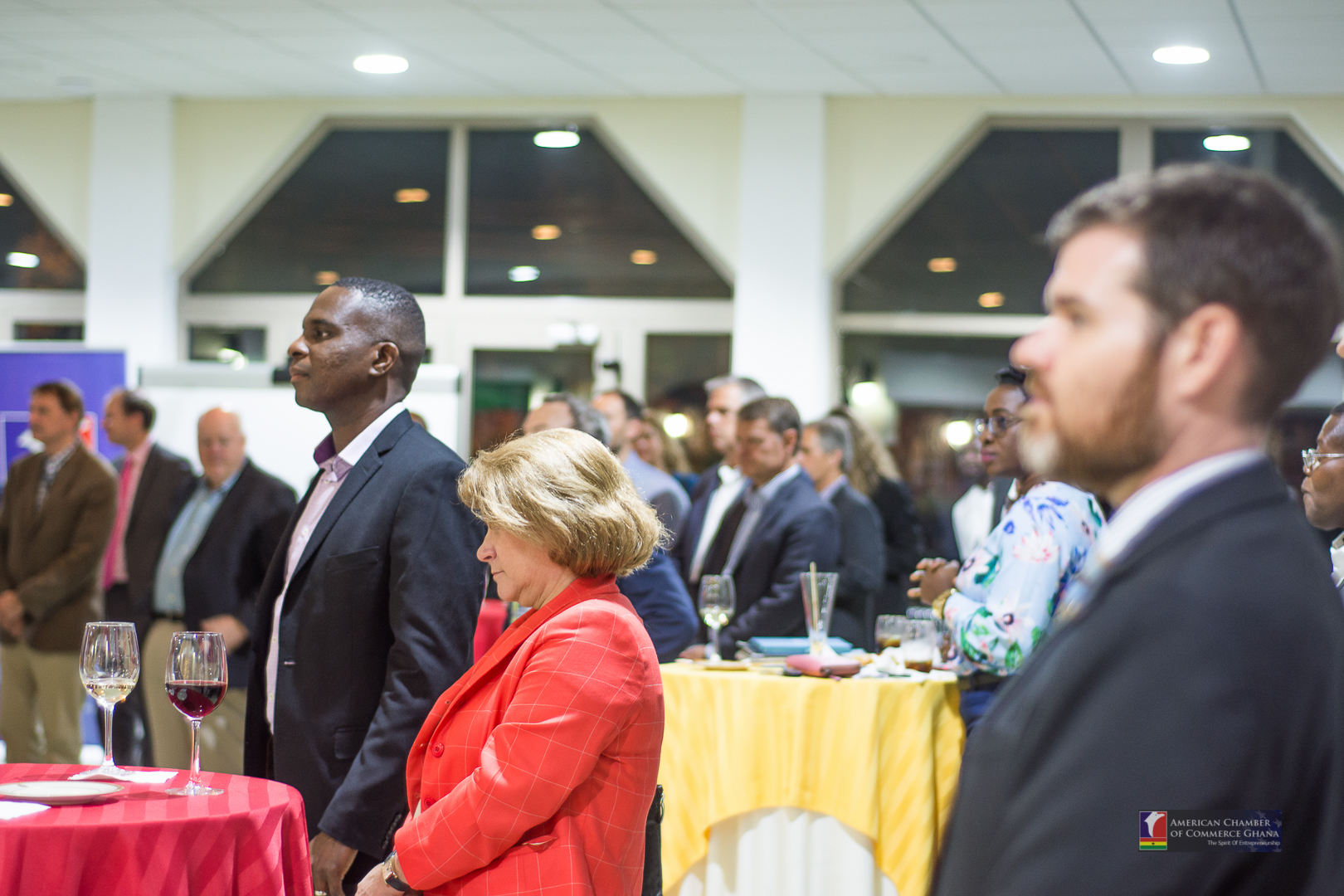
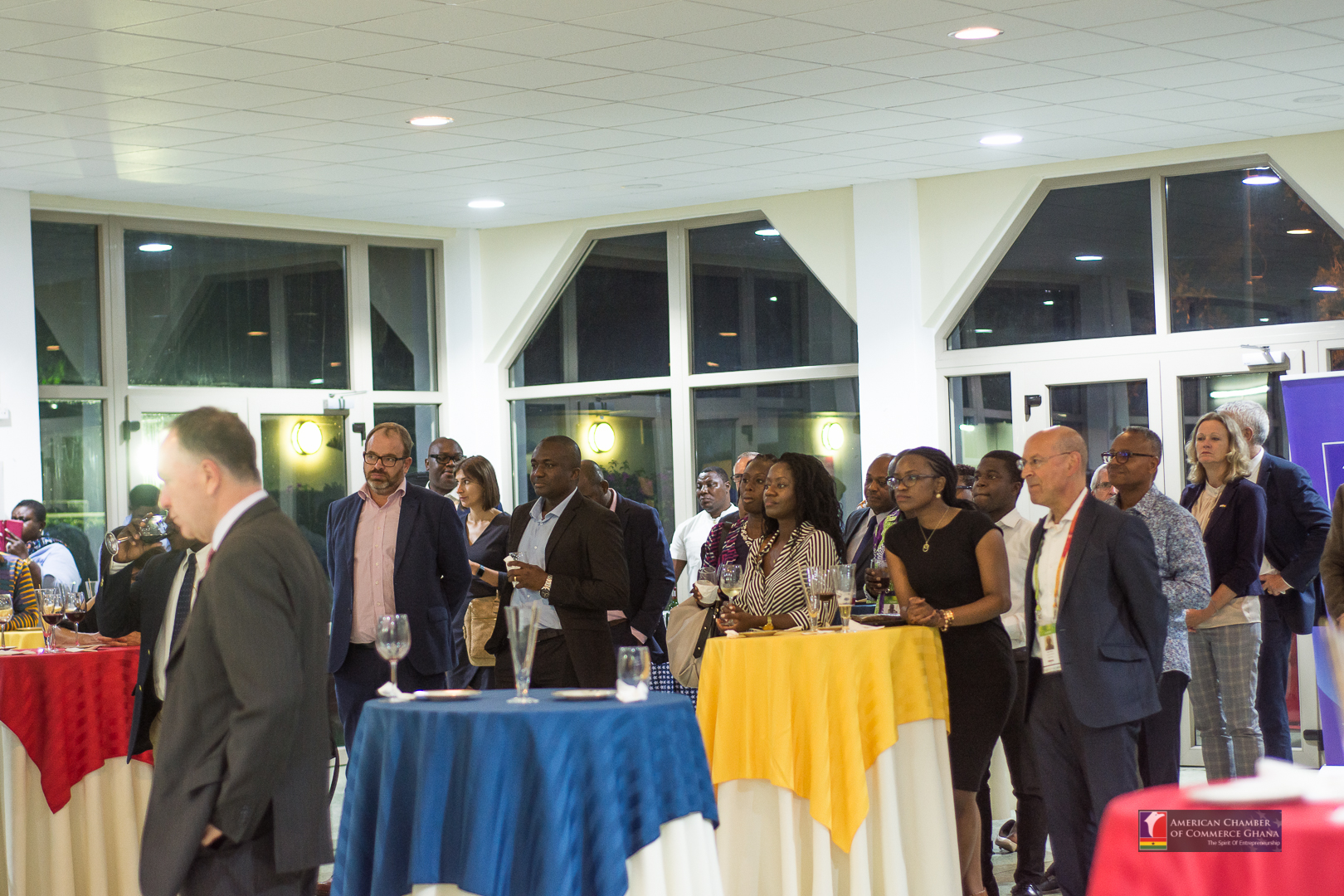
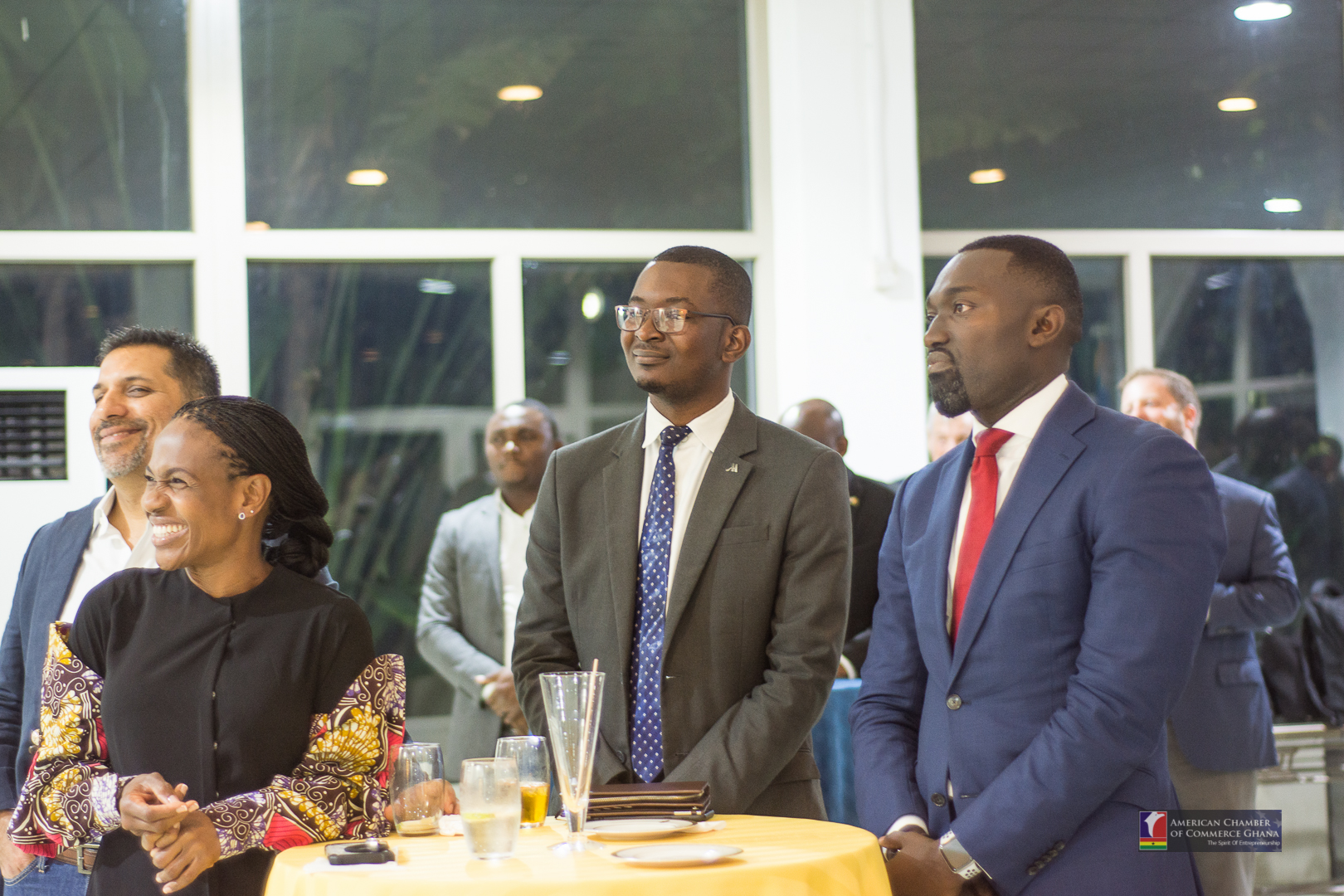
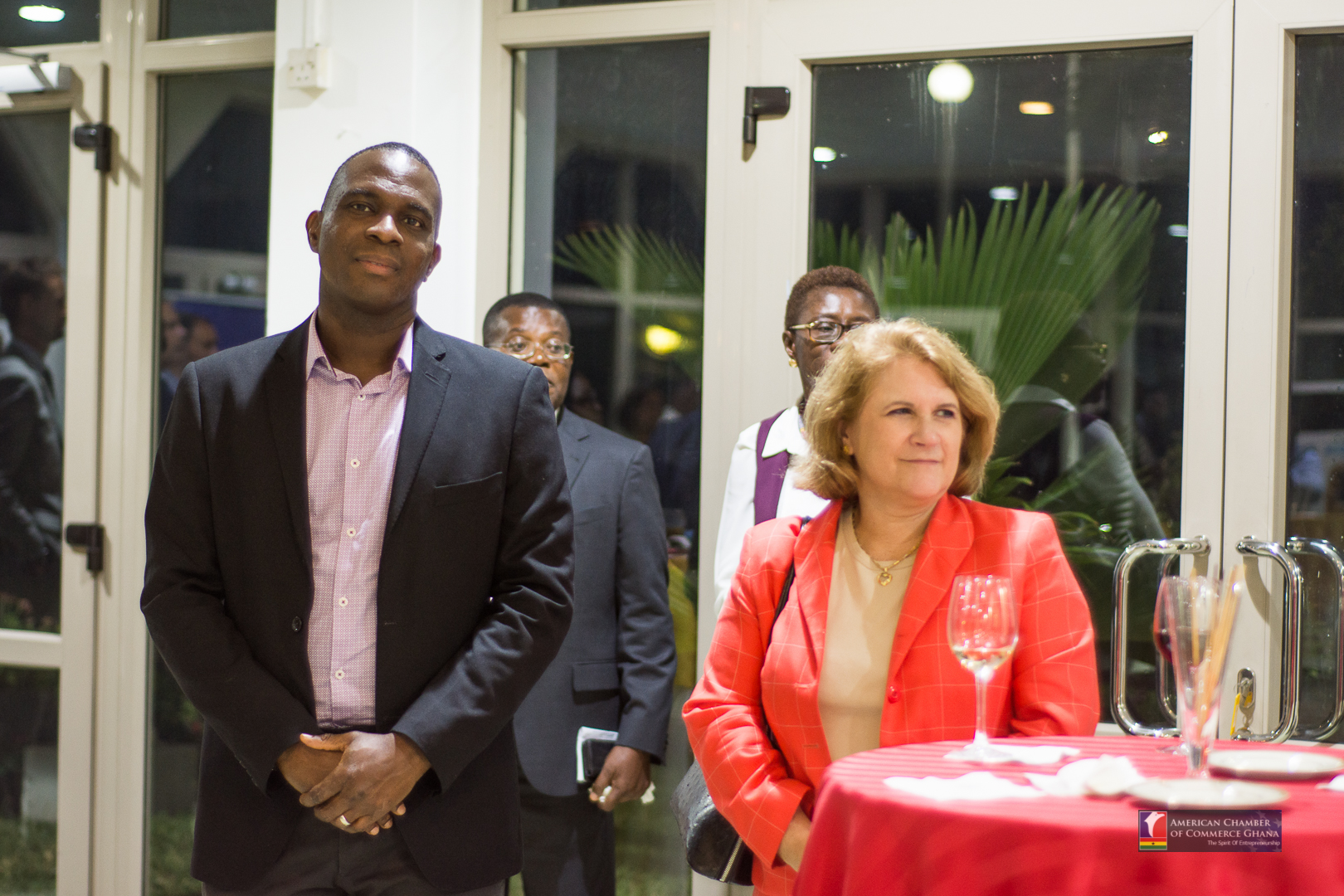
AmCham Ghana Business Reception With 2019 African Green Revolution Forum Delegates

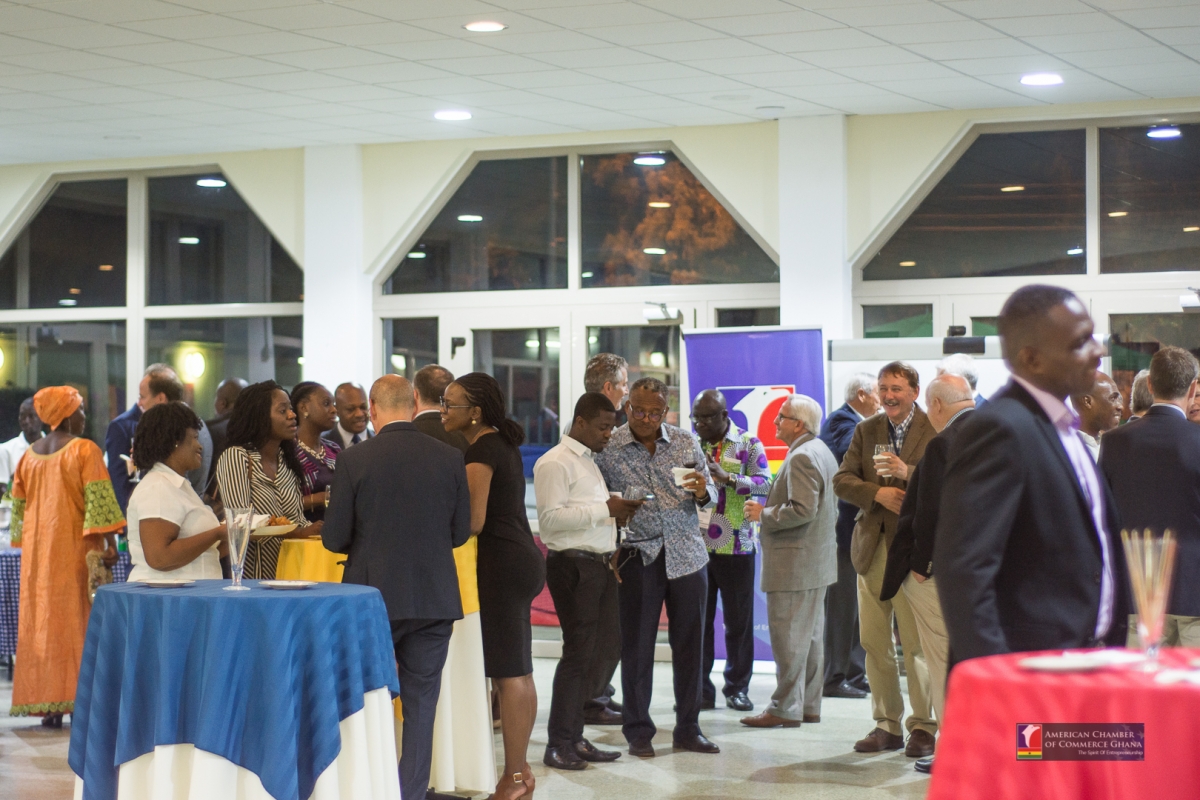
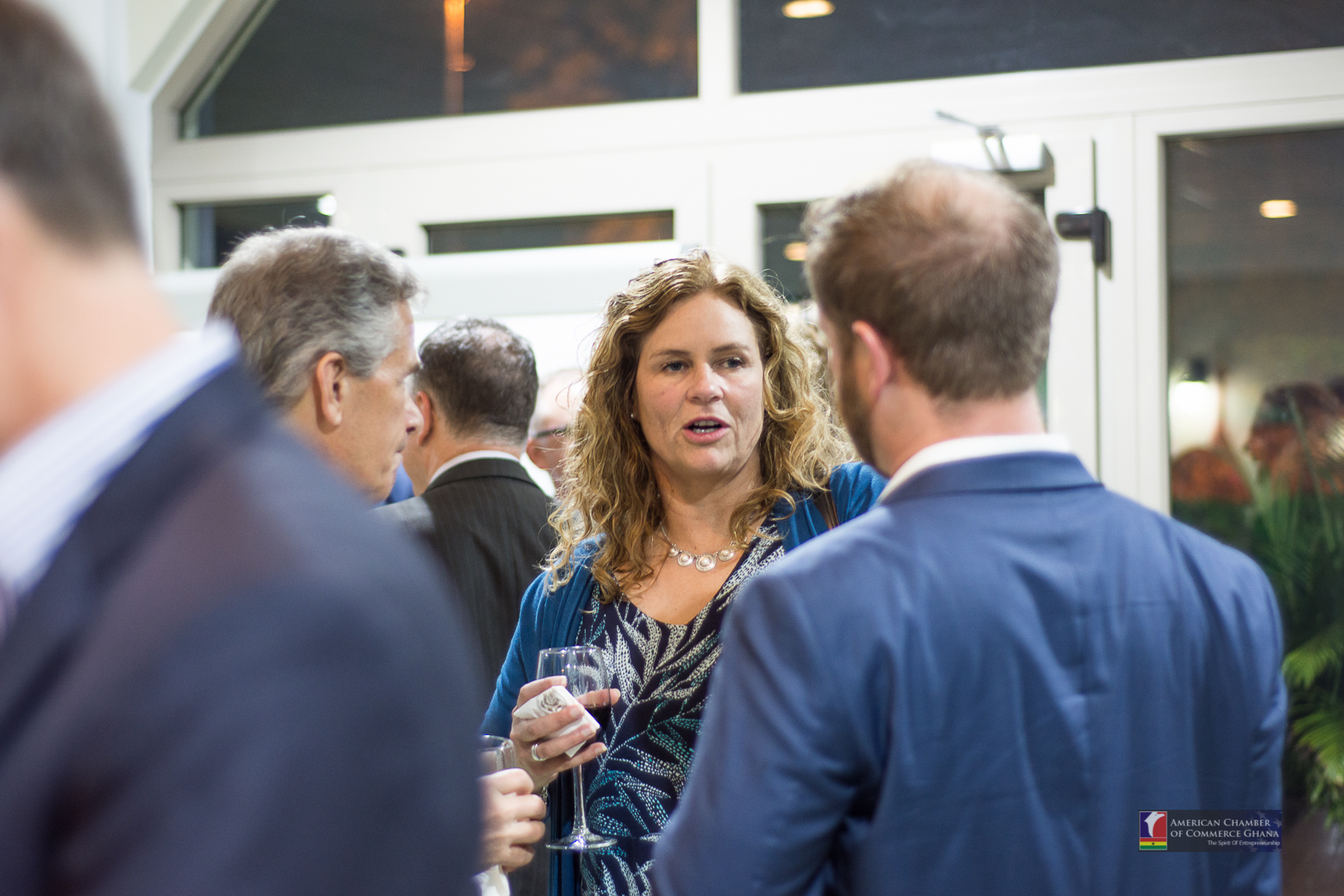
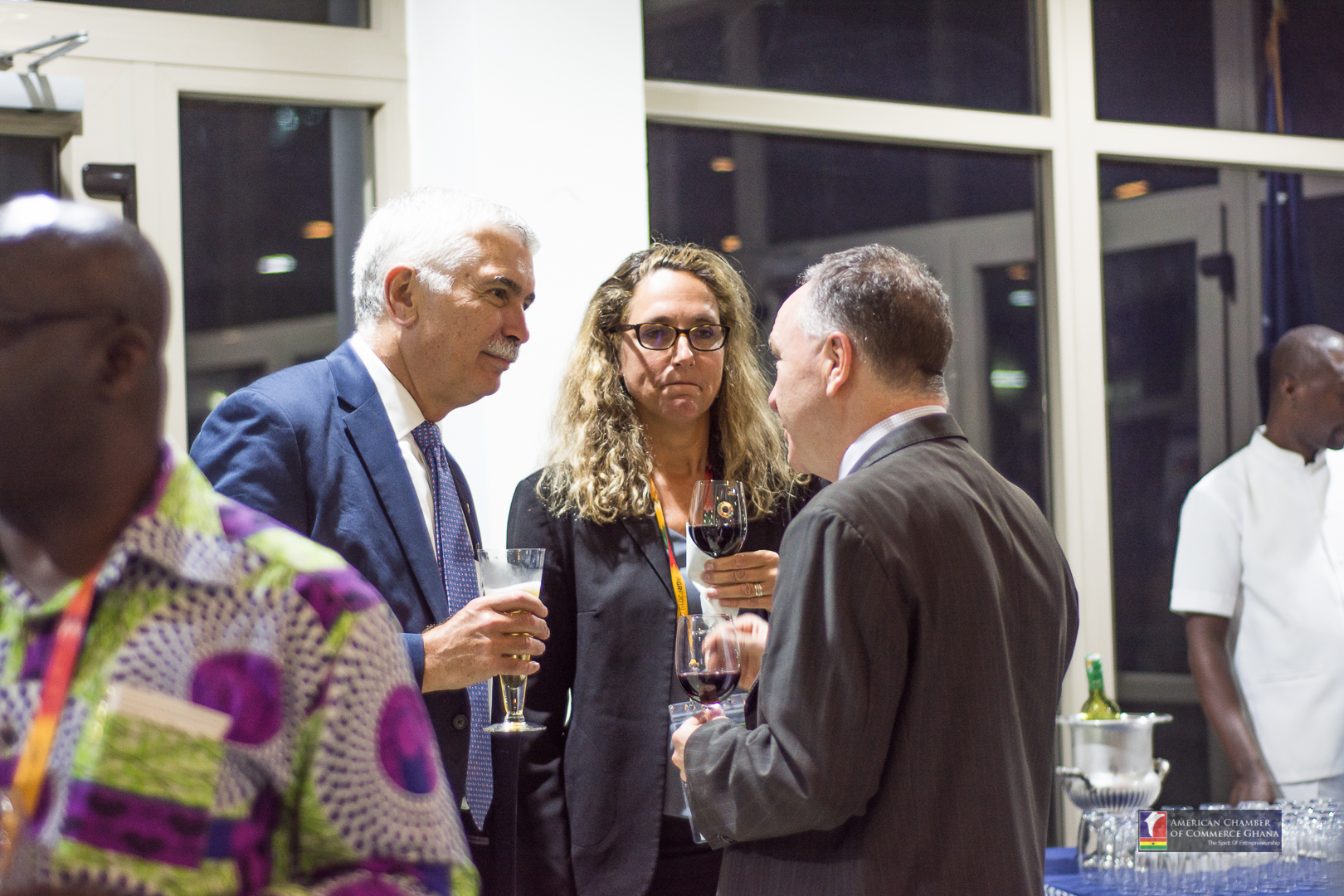
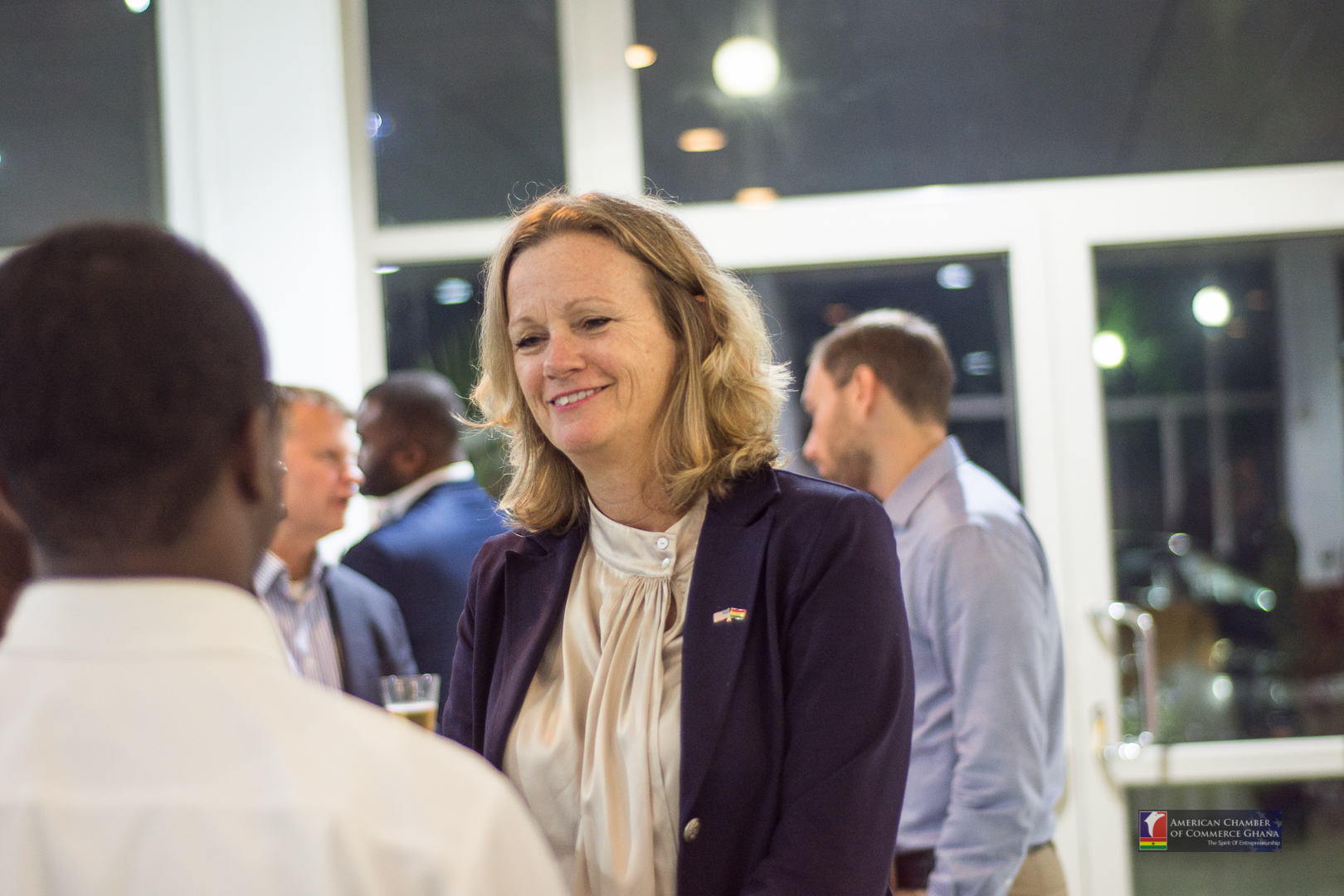
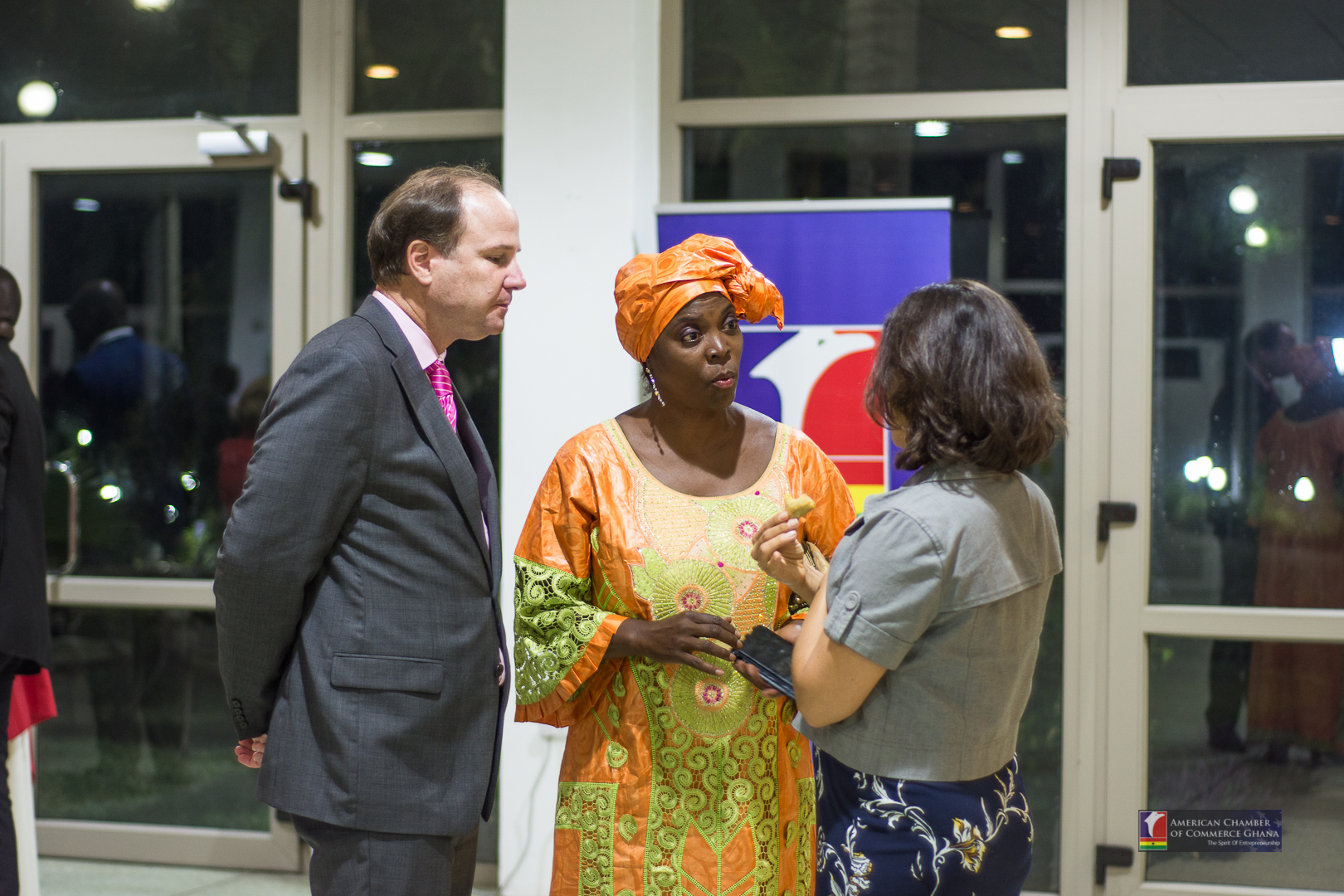
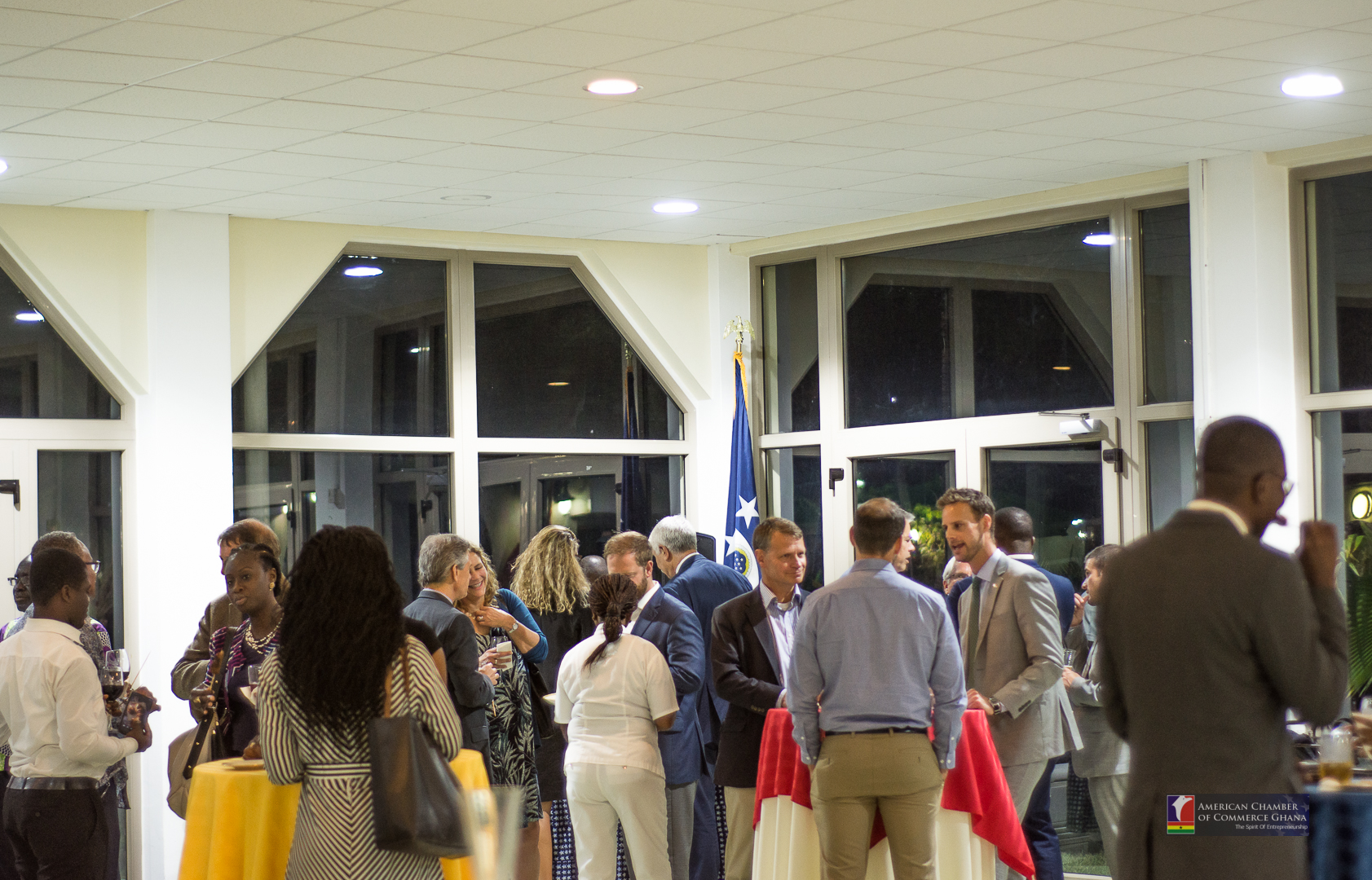
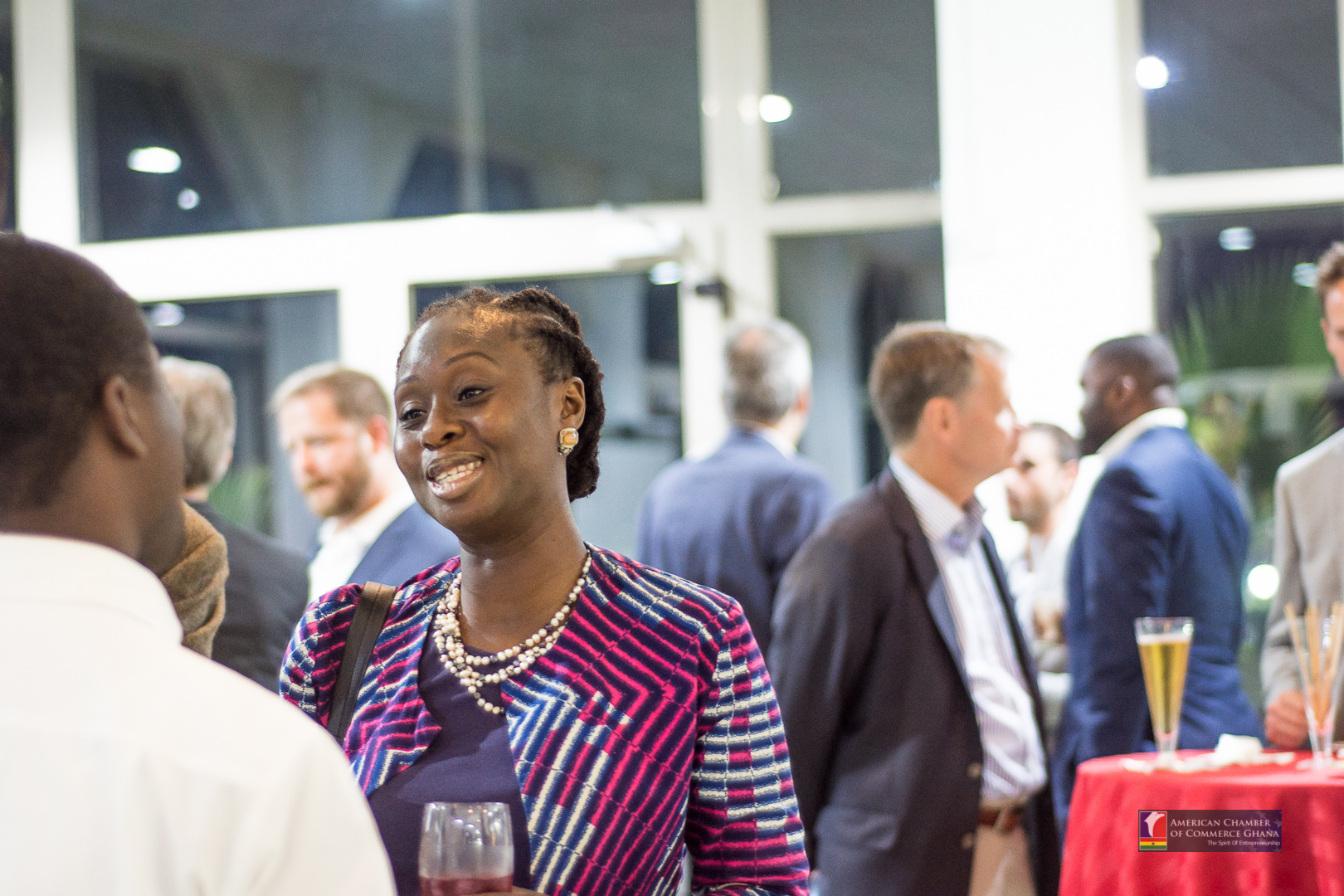
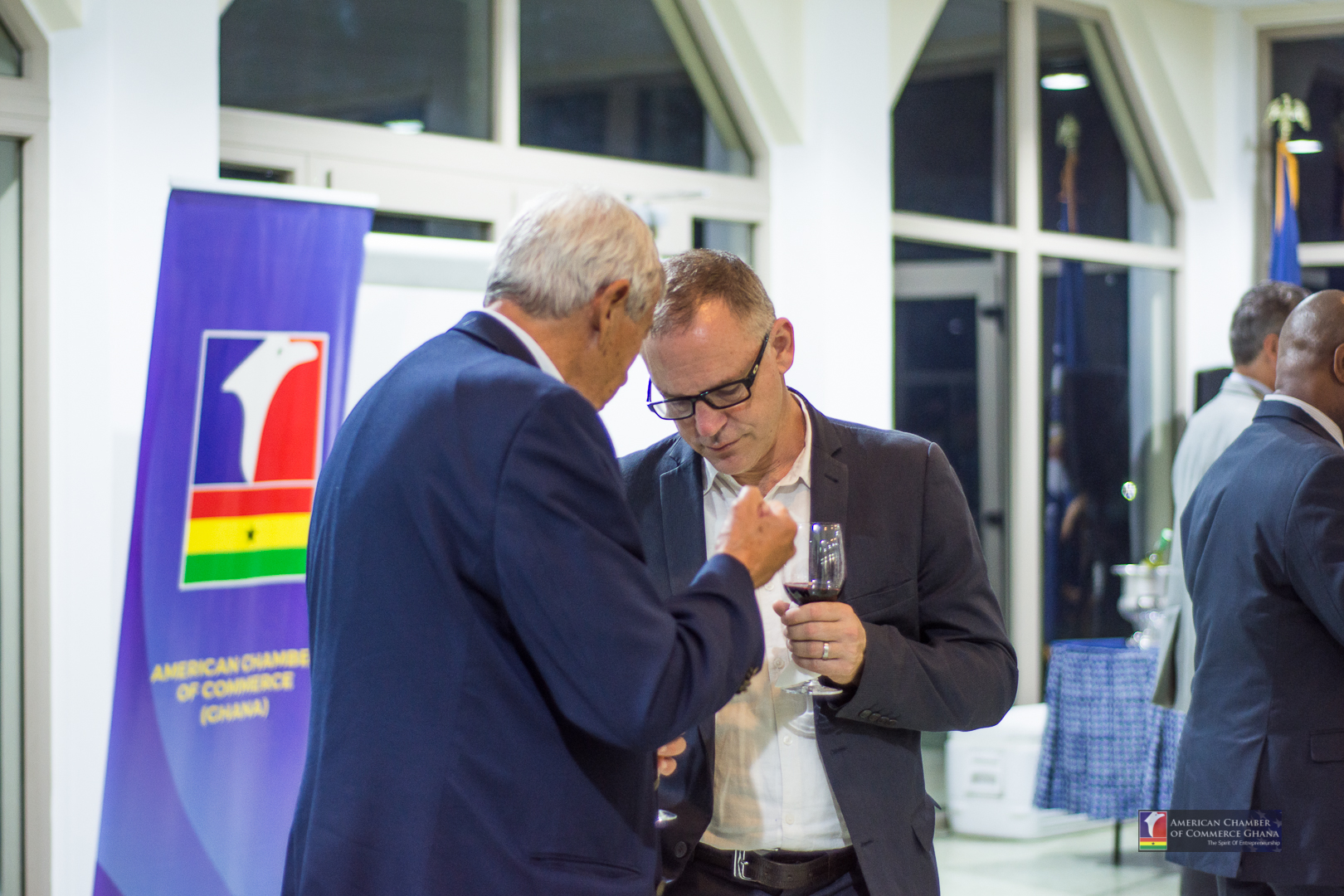
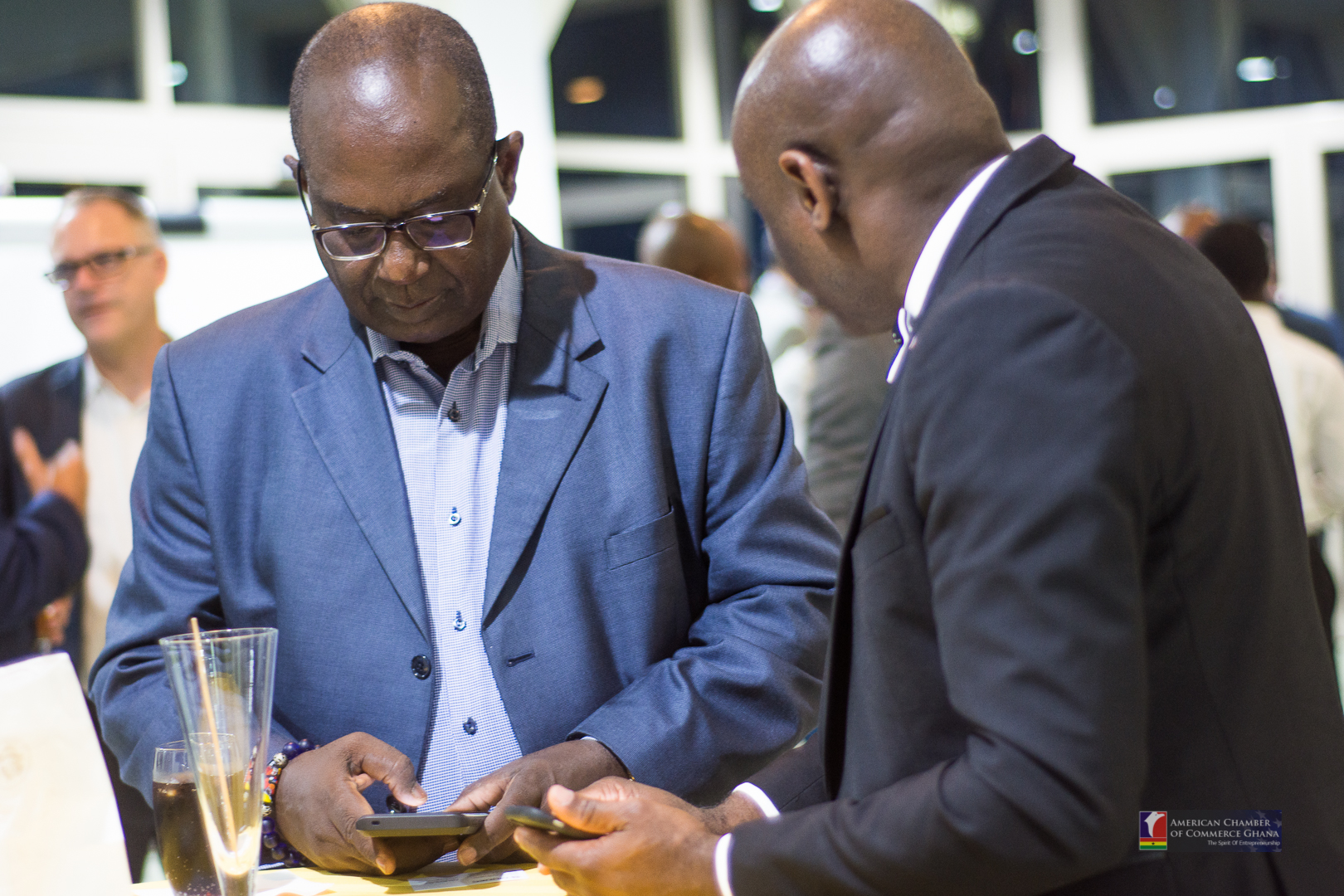
AmCham Ghana, under the auspices of the U.S. Ambassador and the U.S. Embassy in Ghana, hosted selected delegates of the just ended 2019 African Green Revolution Forum (AGRF) for a business reception.
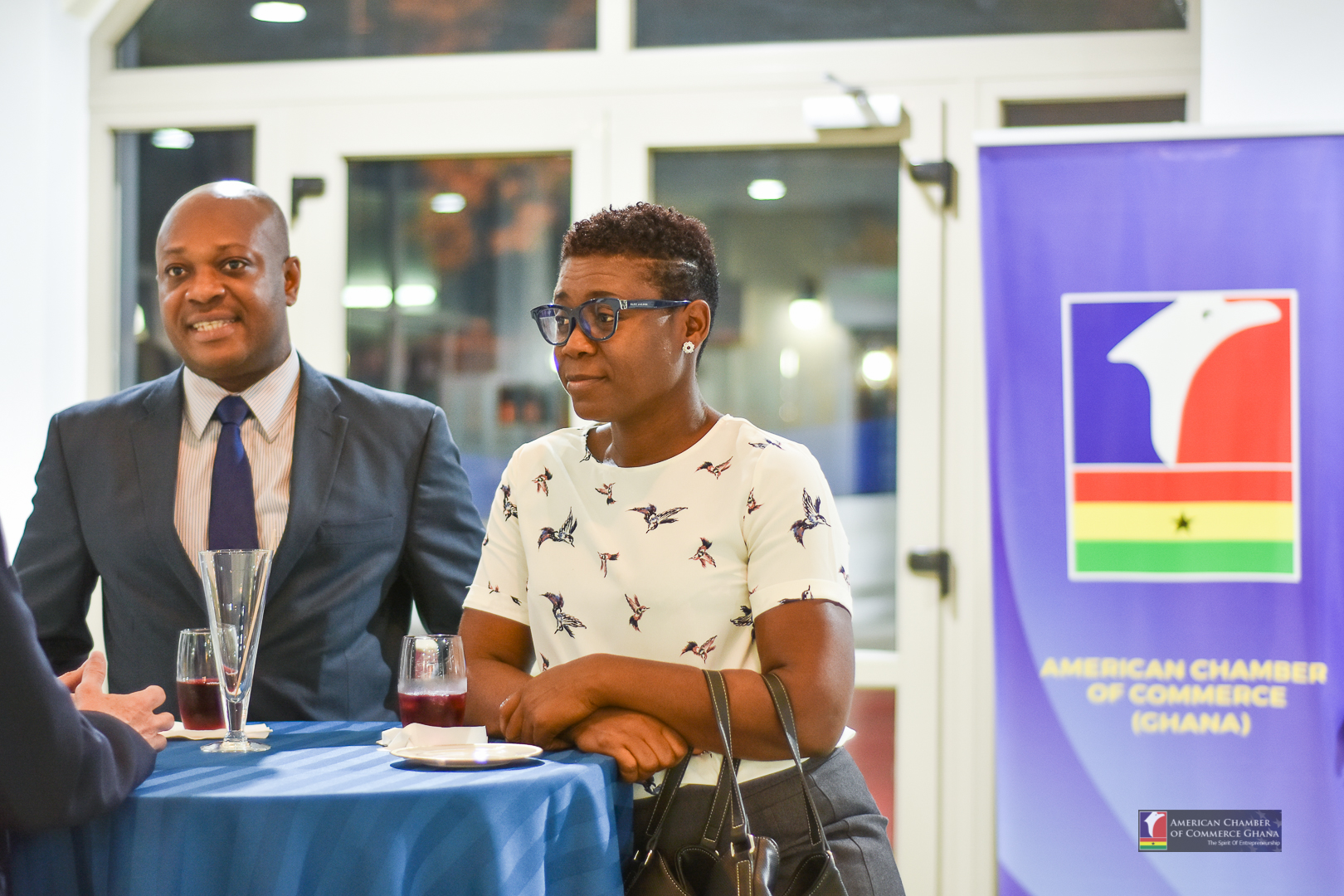
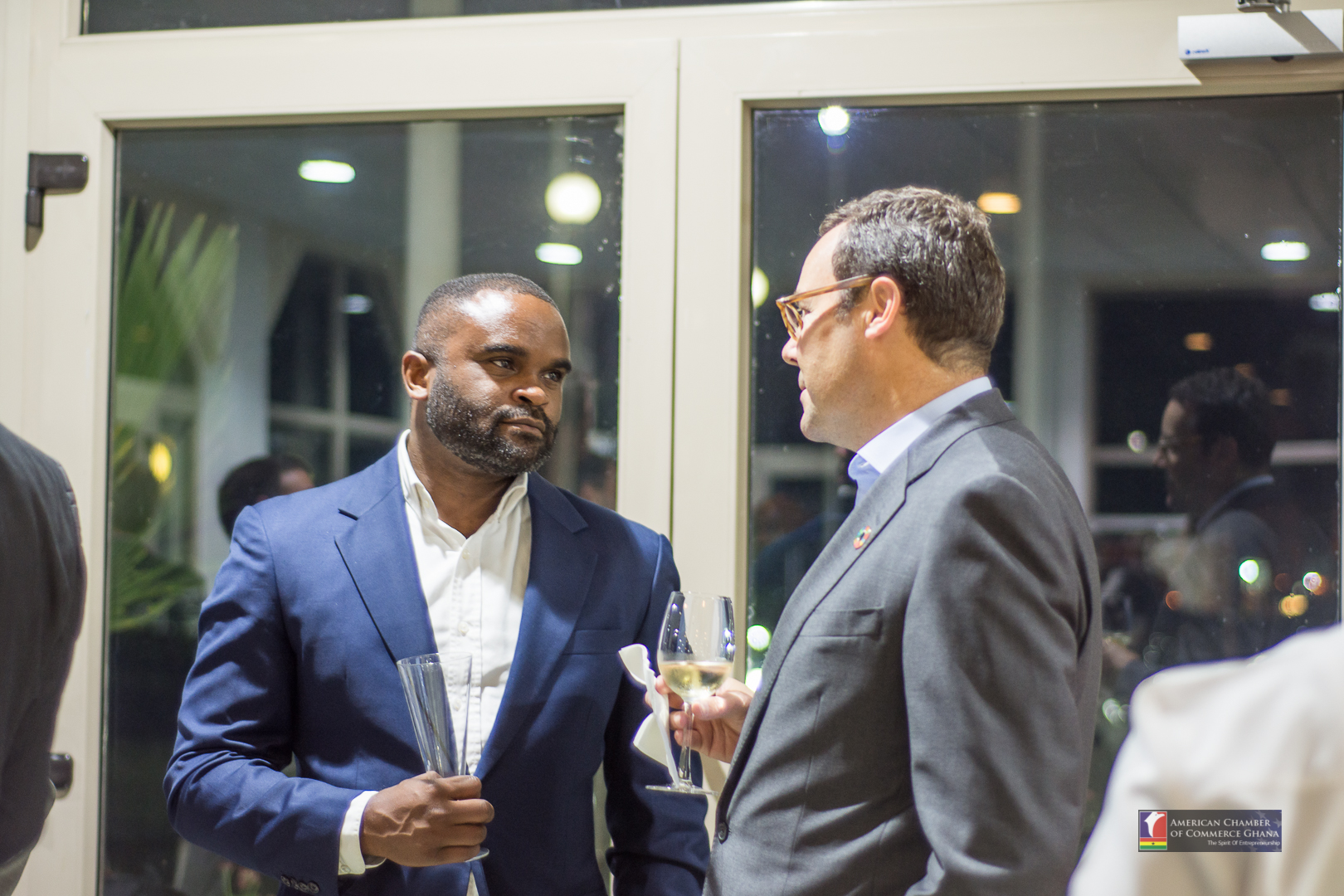
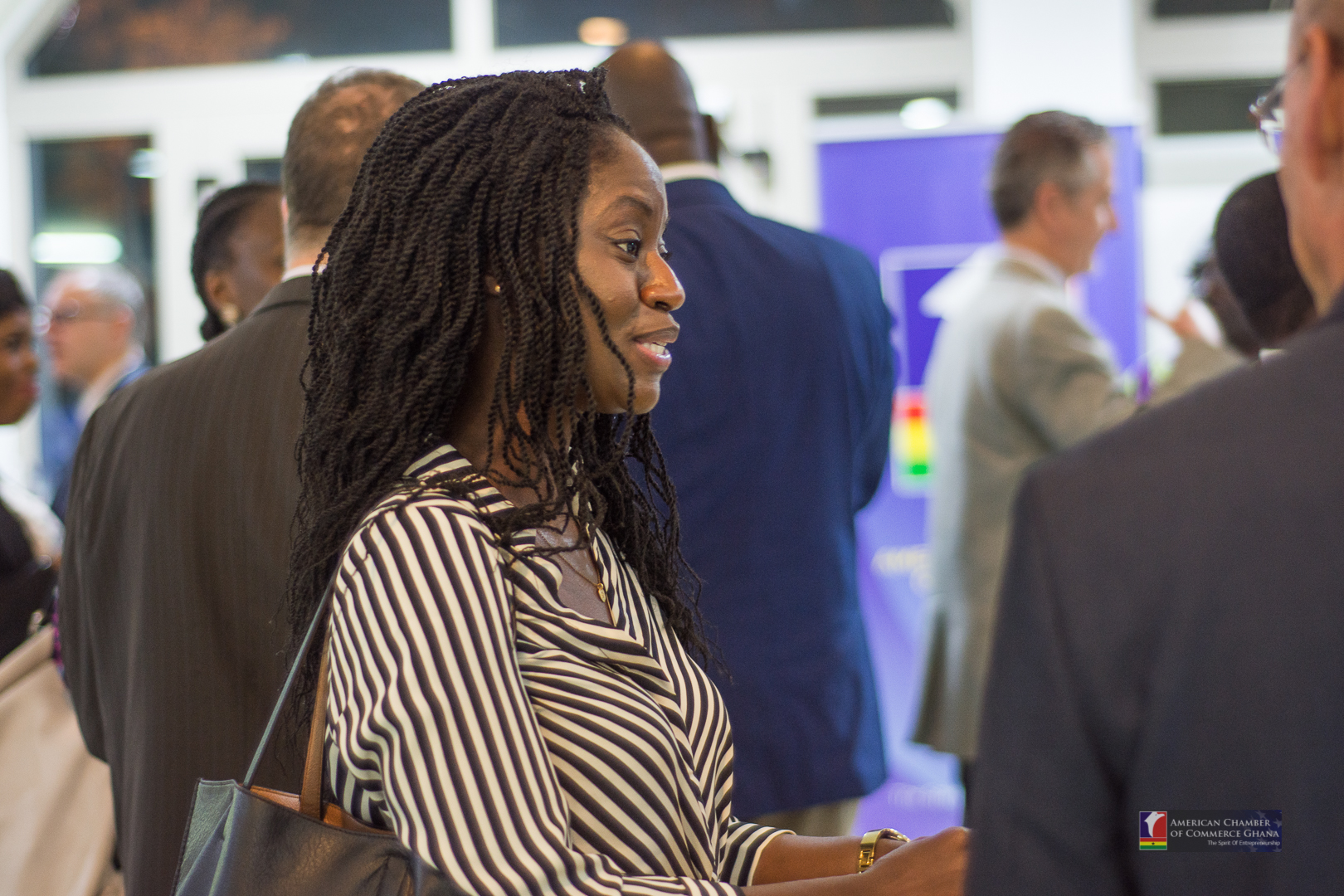
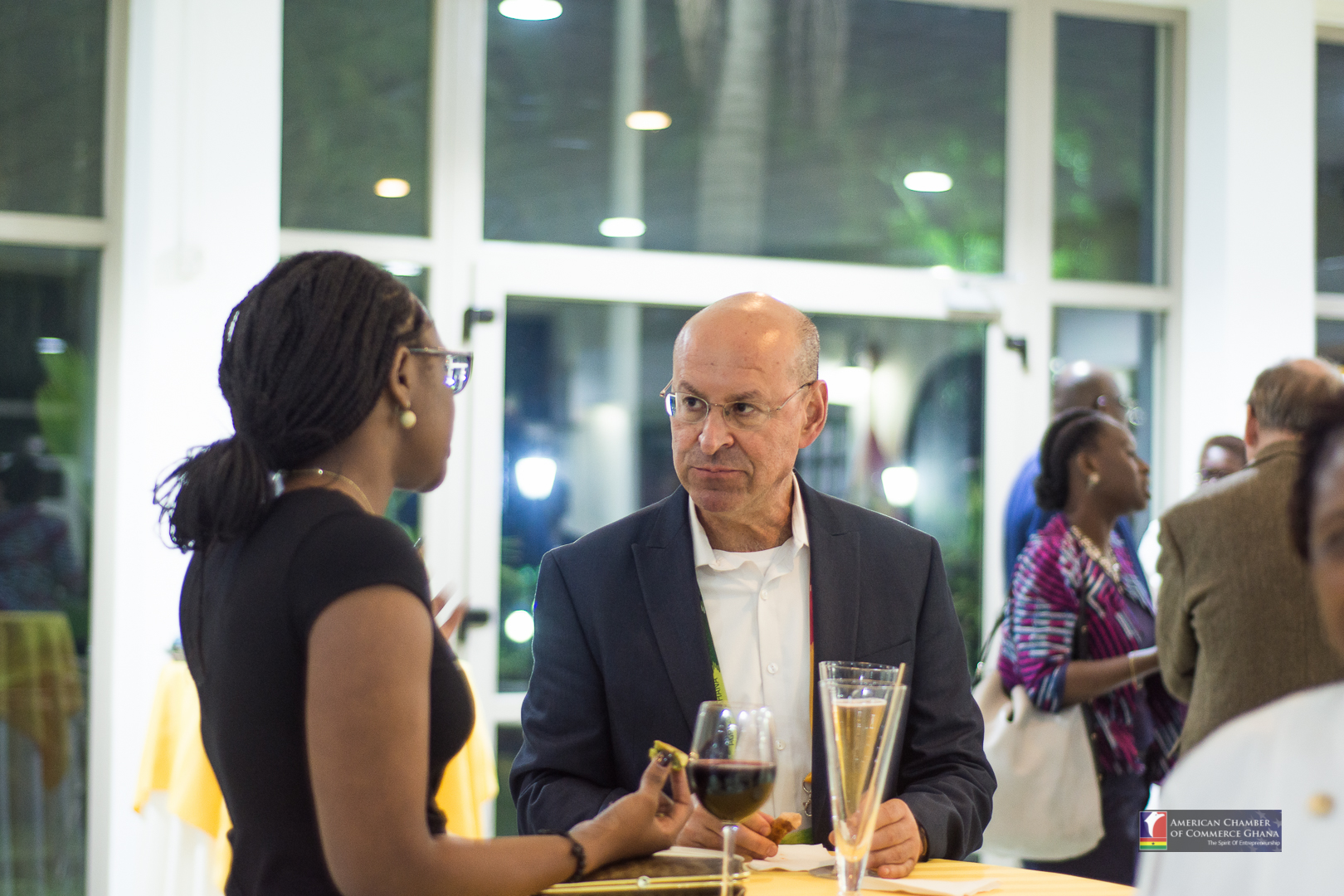
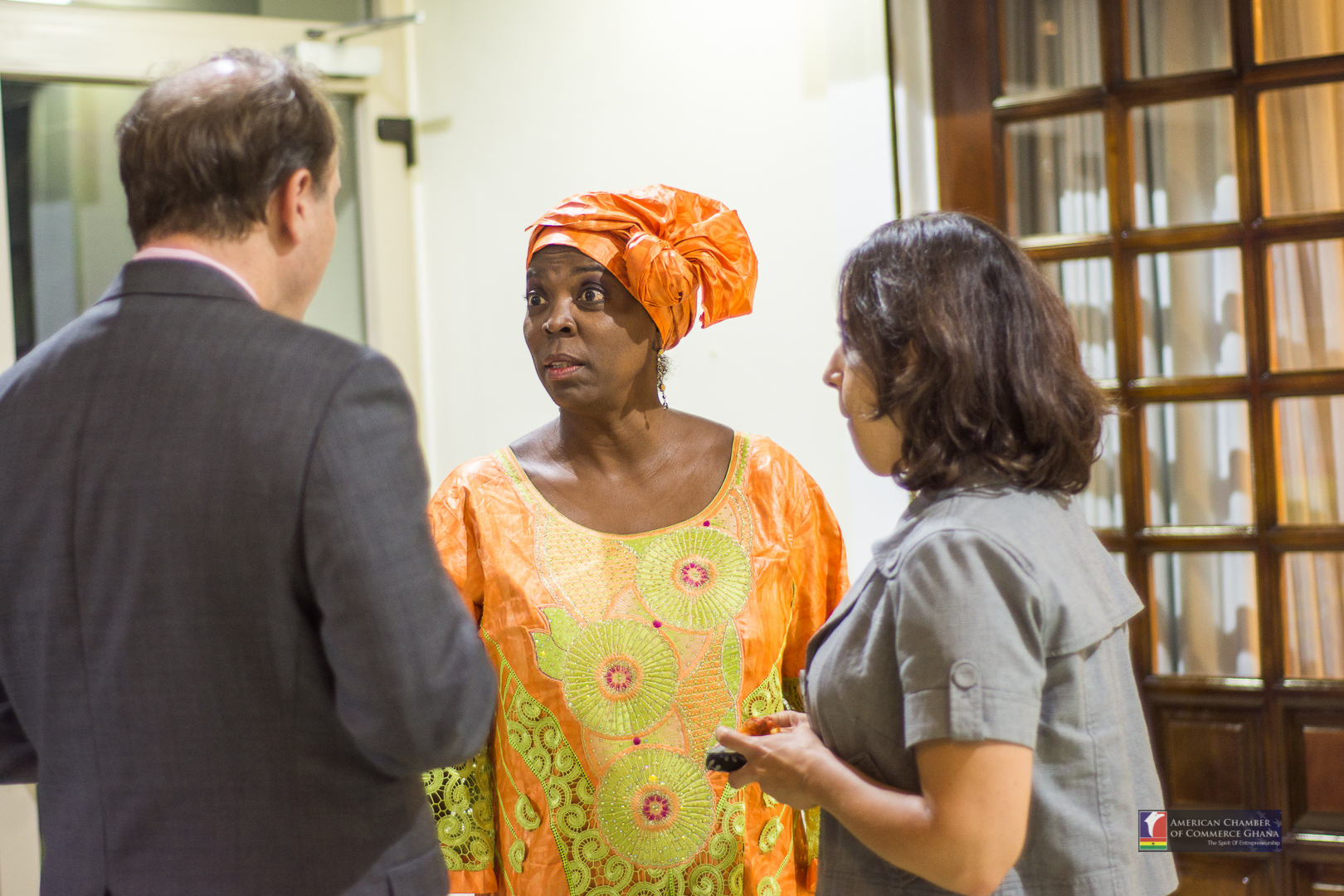
The reception which was hosted at the residence of the U.S. Ambassador to Ghana allowed AmCham Ghana members to interact with the selected delegates, share ideas and establish relations for possible future collaborations.
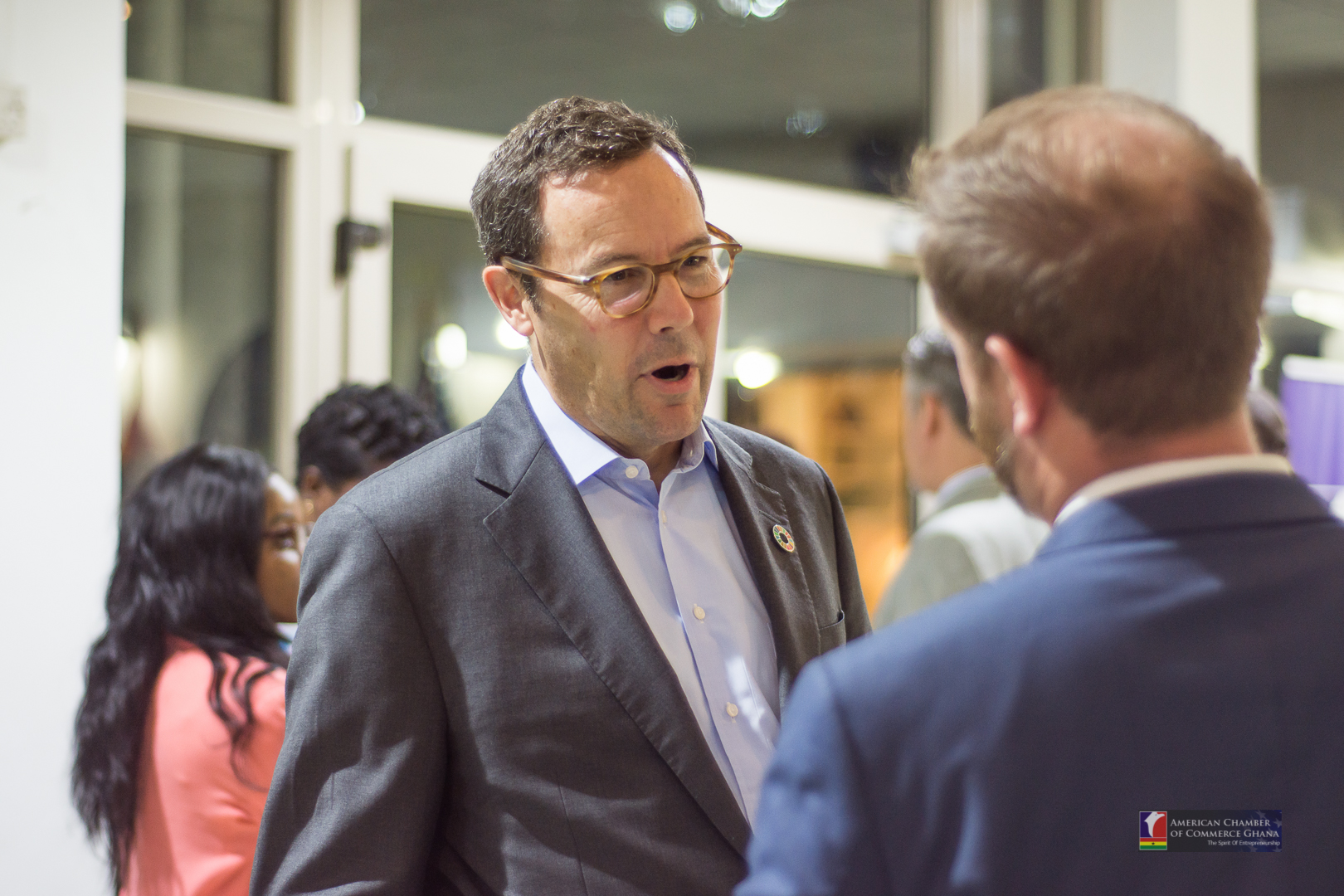
The AGRF is considered the world’s most important and impactful forum for African agriculture, pulling together stakeholders in the agricultural landscape to take practical actions and share lessons that will move African agriculture forward.

Since the first AGRF was held in Ghana in 2010, the Forum has annually brought together Heads of State, Ministers, business leaders, development partner leadership, researchers, thought leaders, farmer organization representatives, youth entrepreneurs, and other critical stakeholders to focus on the actions and policies needed to move the continental agenda forward.