Google AI Research Center Launches Community Engagement Hub to Drive Local Innovation

Google AI Research Africa, based in Accra, has announced a major step forward in its mission to harness artificial intelligence for social good: the creation of a dedicated AI Community Engagement Center.

The new hub will support local innovators, startups, and researchers by providing access to cloud credits, mentorship, and global visibility. It builds on Google’s long-term commitment to advancing AI in Africa while equipping the next generation with resources to solve pressing local and global challenges.

As part of this initiative, Google Research Africa is also scaling up its student residency program, which hosts master’s students for six-month applied research residencies. This pipeline is designed to give young African talent the opportunity to work on frontier AI problems while contributing solutions tailored to the region.


The launch underscores Google’s belief that AI must be inclusive, collaborative, and beneficial to communities. Projects already making global impact include:

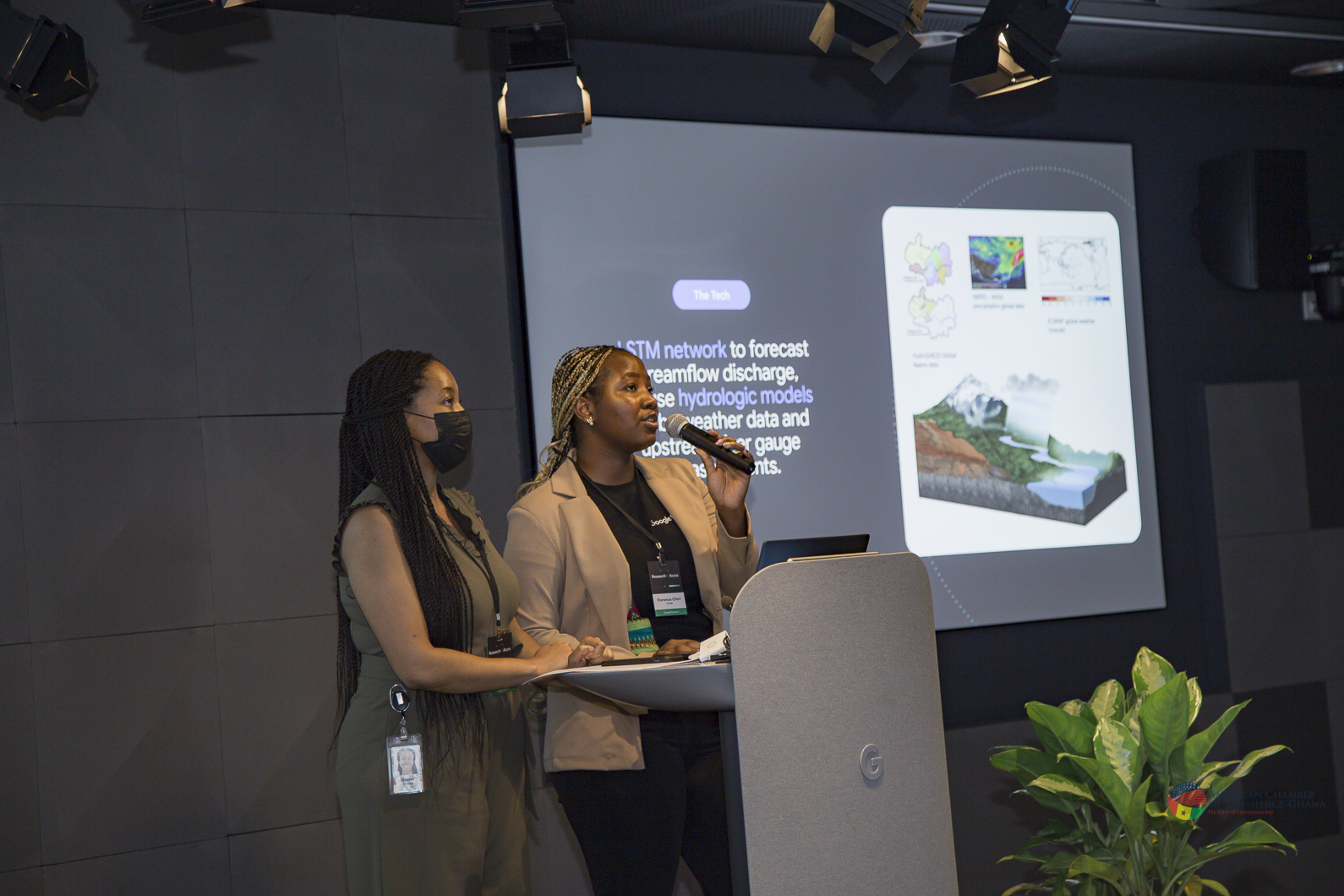
  • Flood Forecasting Models to predict riverine and urban floods.
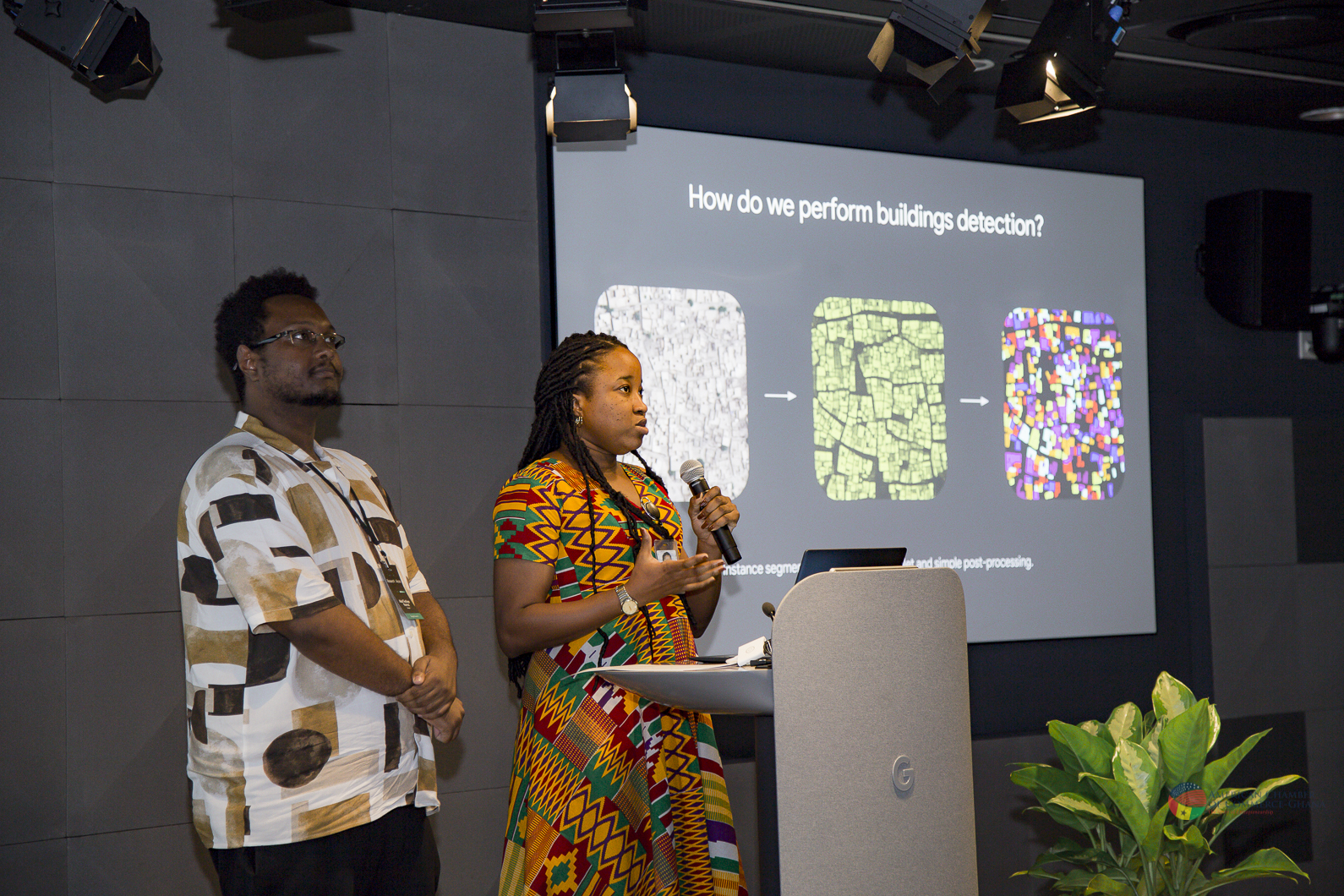
  • The Open Buildings Dataset, mapping 1.8 billion buildings worldwide and used by governments and the UN for census, vaccination campaigns, and urban planning.
  • Plant Health AI apps that detect crop diseases and boost agricultural productivity.
  • African Language Models, created with the University of Ghana, covering Twi, Ewe, Dagbani, and more to enable speech-to-text, subtitling, and accessibility applications.


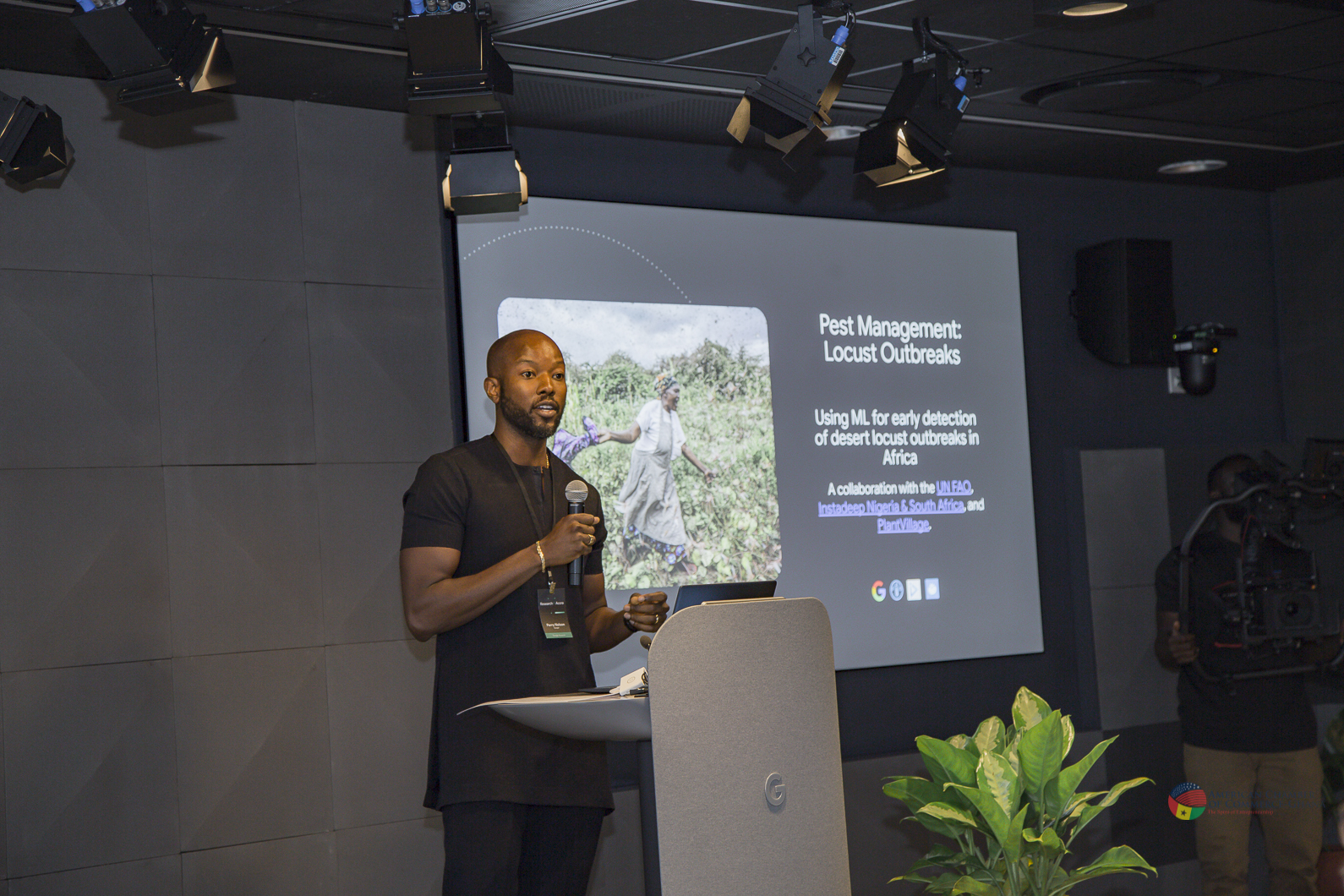
Google Ghana’s Country Manager, Perry Nelson host AmCham Ghana CEO Doris Afanyedey on Listening Tour

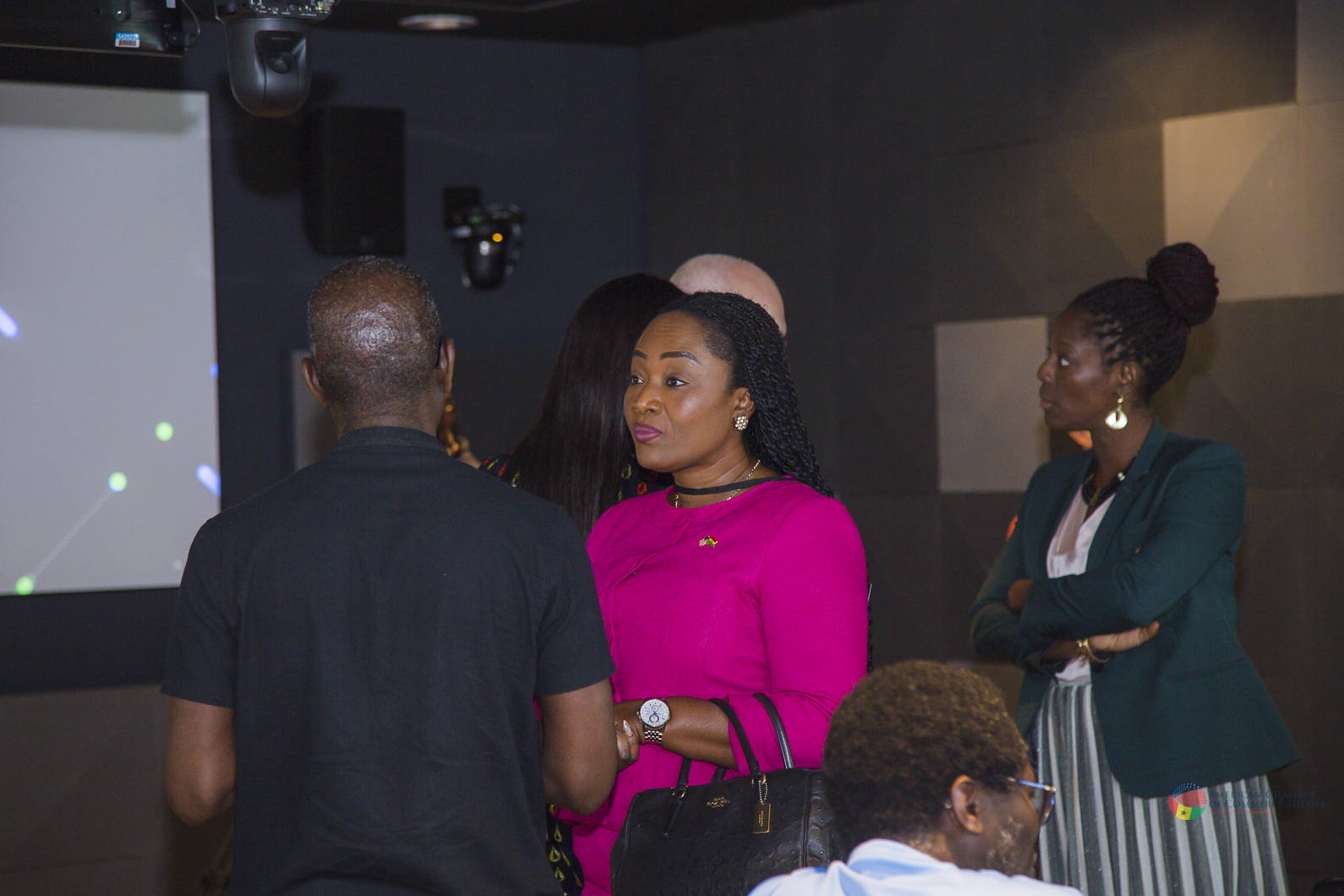
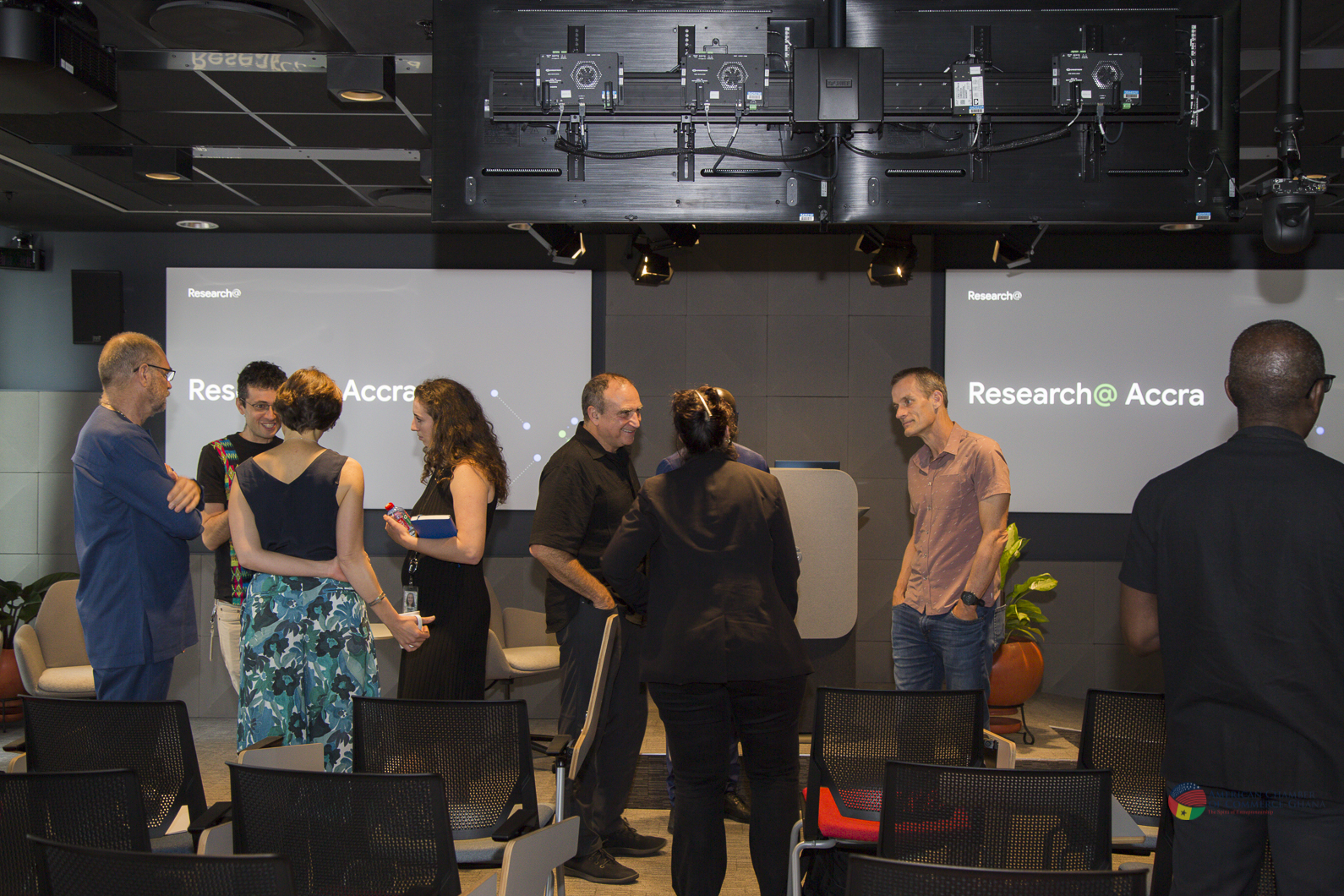
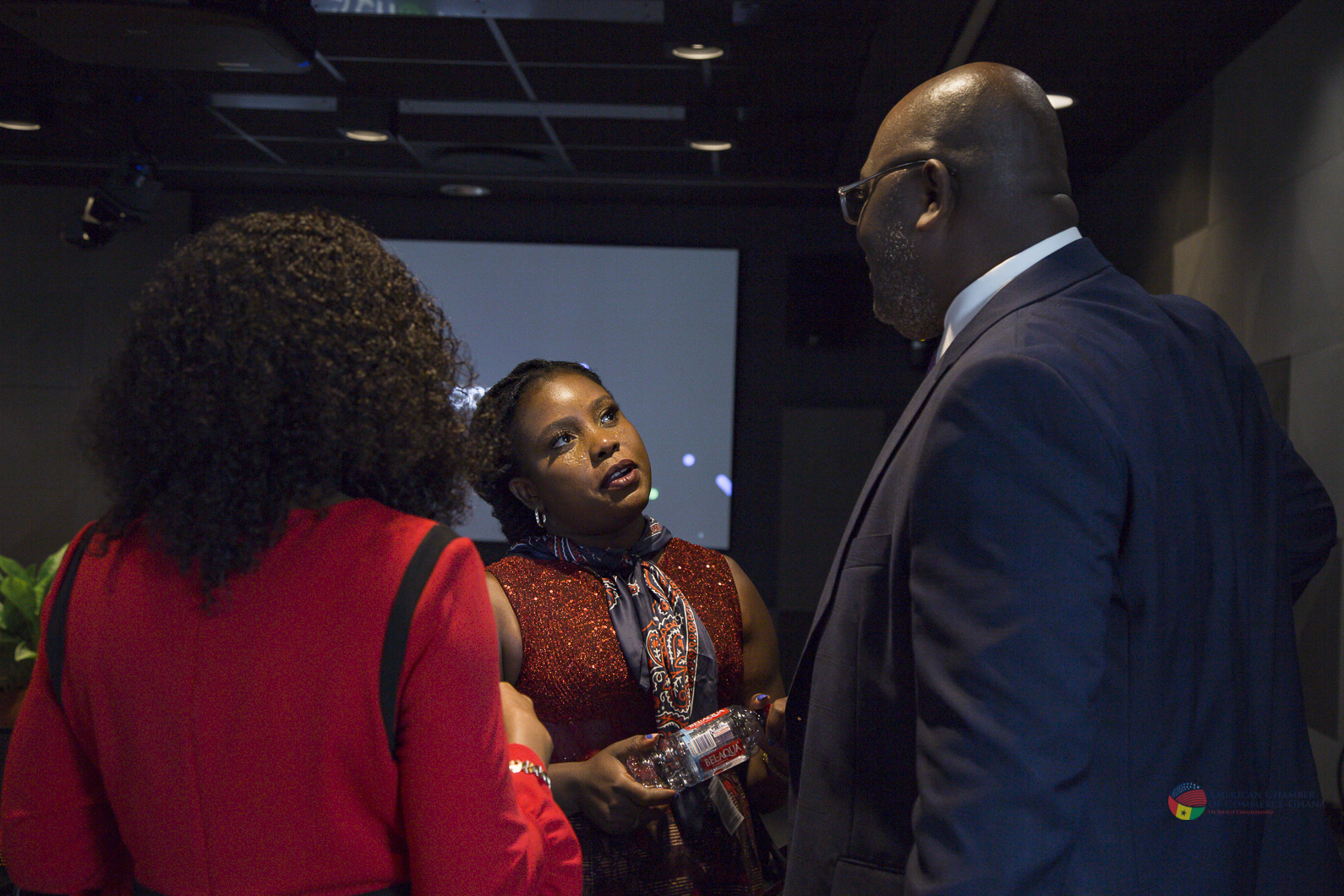
As part of the AmCham Ghana 2.0 roadmap, CEO Doris Afanyedey and Eloina Baddoo Board Member/General Manager of Delta Air Lines Ghana, led a delegation to Google Ghana’s Research Africa office in Accra for a high-level meeting with Country Manager Perry Nelson and his team. The visit also introduced Evan Ato as the new Head of Cloud Sales for West Africa, underscoring Google’s commitment to pairing cutting-edge AI research with deeper business engagement across the sub-region.

Conversations with Google’s leadership explored key priorities, including discussions on Google’s  three core priorities, namely  AI research for social impact, Growth, Connectivity Infrastructure, and Educational & AI Applications

On the social impact front, Google is advancing AI projects such as flood forecasting, hunger prediction, and plant health tools that directly address community needs. From a business perspective, the potential of African language AI stood out, offering applications in call centers, accessibility services, and subtitling to bridge communication gaps. Equally important was community development, with Google’s Engagement Center and student residency program positioned as platforms to nurture talent and support the next generation of innovators.

Google recently reaffirmed its commitment to Ghana and the continent with a $37 million investment in an AI Community Engagement Center. The facility will serve as a hub for innovators, researchers, and students, providing access to cloud credits, mentorship, and applied research opportunities. This investment reflects Google’s vision of fostering inclusive innovation and ensuring African talent plays a central role in shaping the future of AI.

The visit laid the groundwork for stronger collaboration between Google and AmCham, ensuring that AI solutions developed in Ghana not only advance global research but also deliver practical, lasting benefits for local businesses and communities.

Google Launches AI Community Center in Ghana With $37M Investment, Deepening U.S.–Africa Tech Collaboration

Accra, Ghana — In a major step toward advancing Africa’s role in global AI development, American technology giant Google has launched its AI Community Center in Accra, backed by a $37 million commitment to support artificial intelligence innovation across the continent.

The initiative is designed to accelerate local research, empower startups in sectors such as healthcare and education, and enable projects focused on crop monitoring and the adaptation of AI tools for African languages. The center will serve as a collaborative hub for developers, researchers, entrepreneurs, and policymakers working to shape Africa’s digital future.

To mark this milestone, Ghana’s Minister for Communication, Digital Technology & Innovation, Hon. Sam George, and U.S. Chargé d’Affaires Rolf Olson joined Google leadership in a launch ceremony in Accra.

“This launch is a powerful example of U.S.–Africa partnership in action,” said Olson. “The United States government is committed to working with trusted industry leaders to deliver secure, full-stack AI solutions—including hardware, models, software, applications, and standards—to our allies around the world.”

The U.S. Embassy in Ghana applauds this investment as a strong testament to the potential of public-private partnerships in driving inclusive, tech-driven growth across Africa.

Google Is Leveraging The Power Of Artificial Intelligence (AI) To Tackle Pressing Issues In Africa

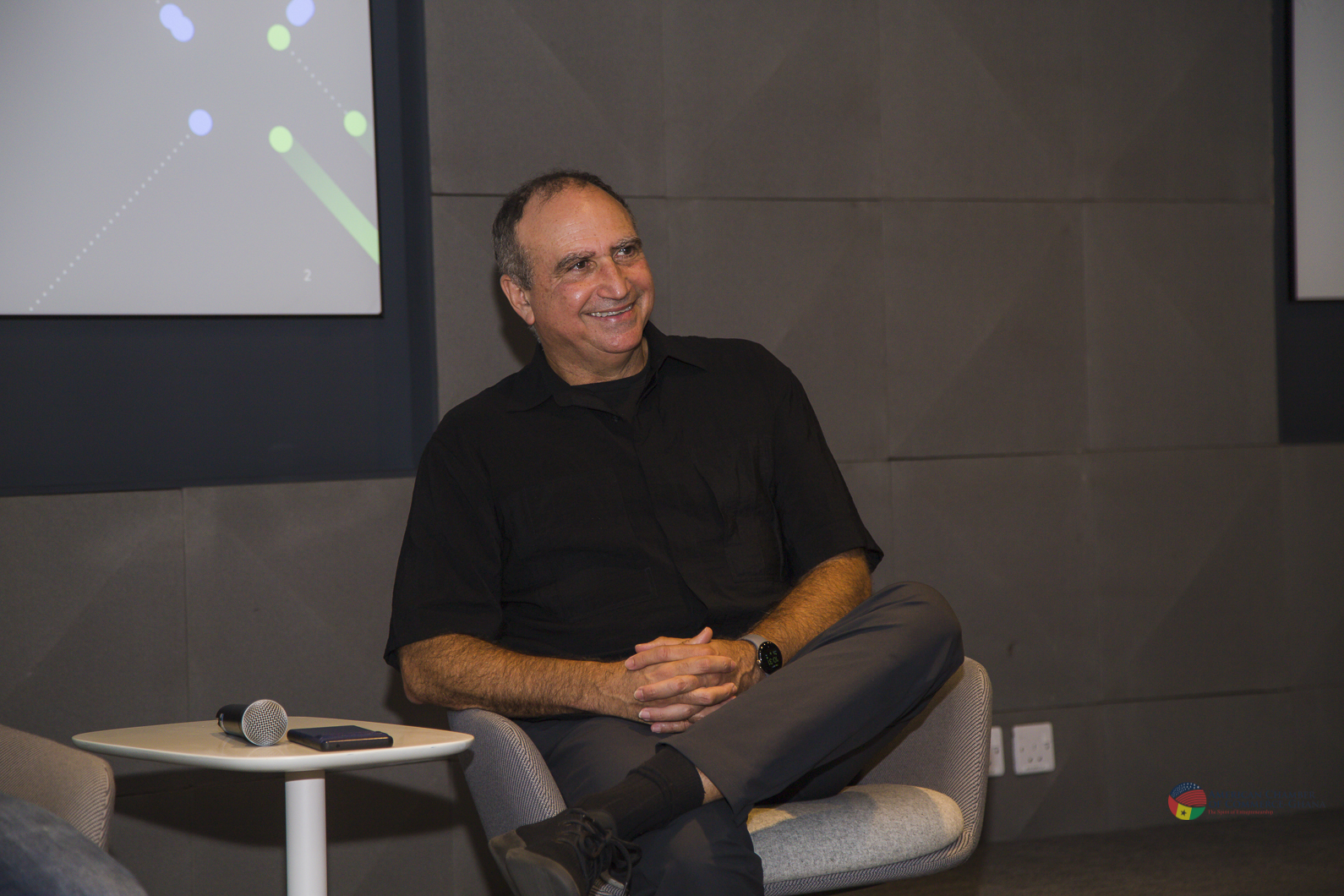
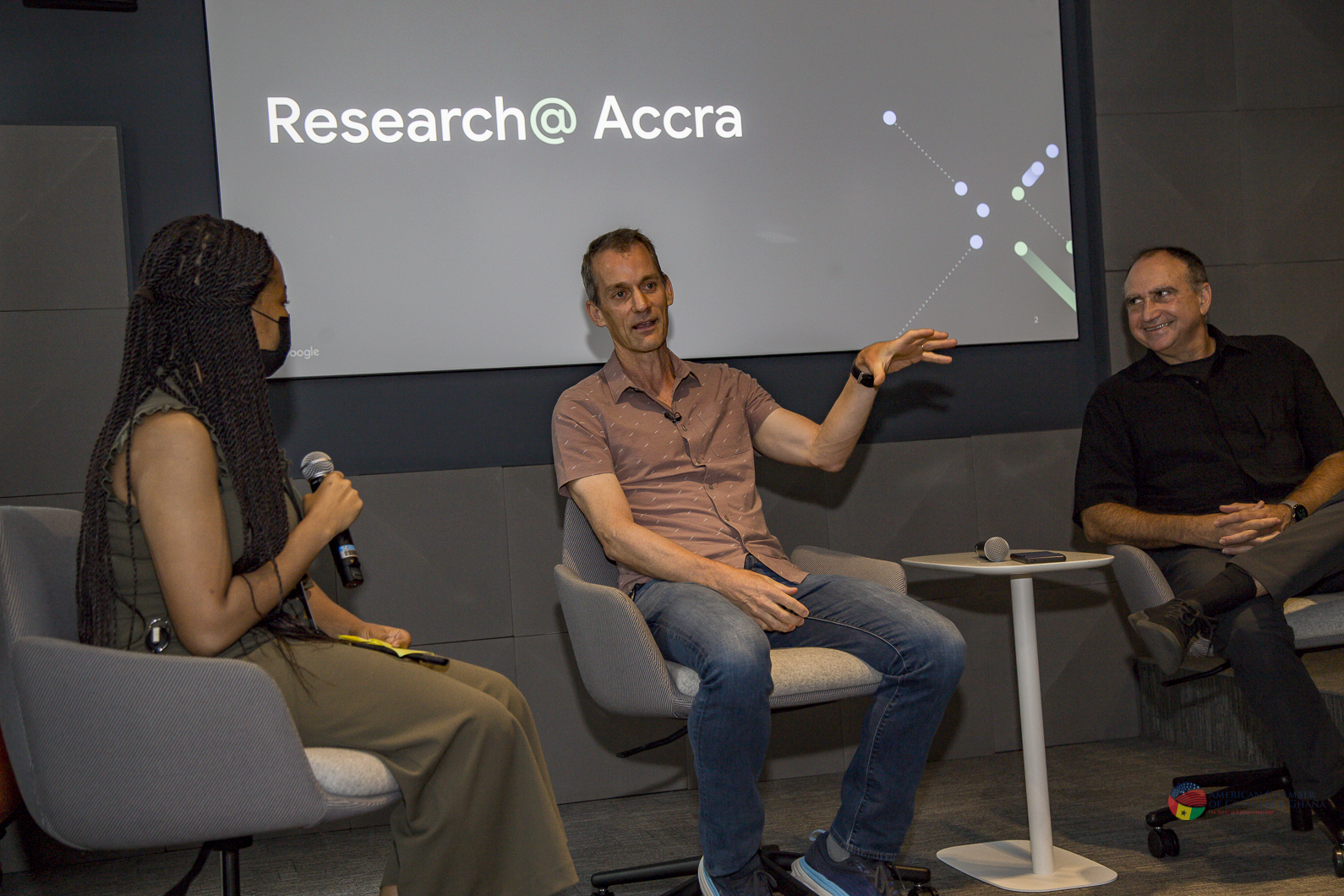
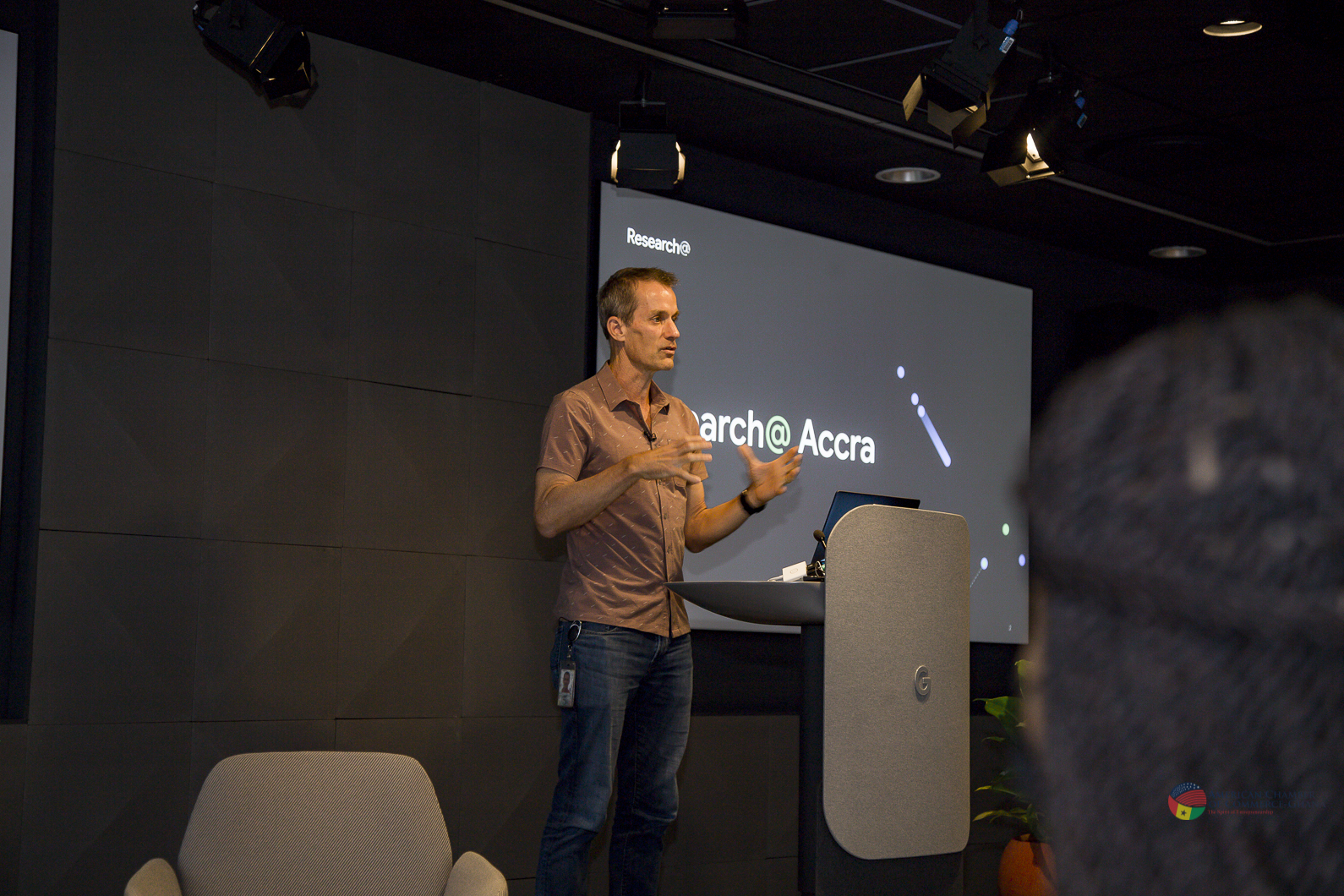
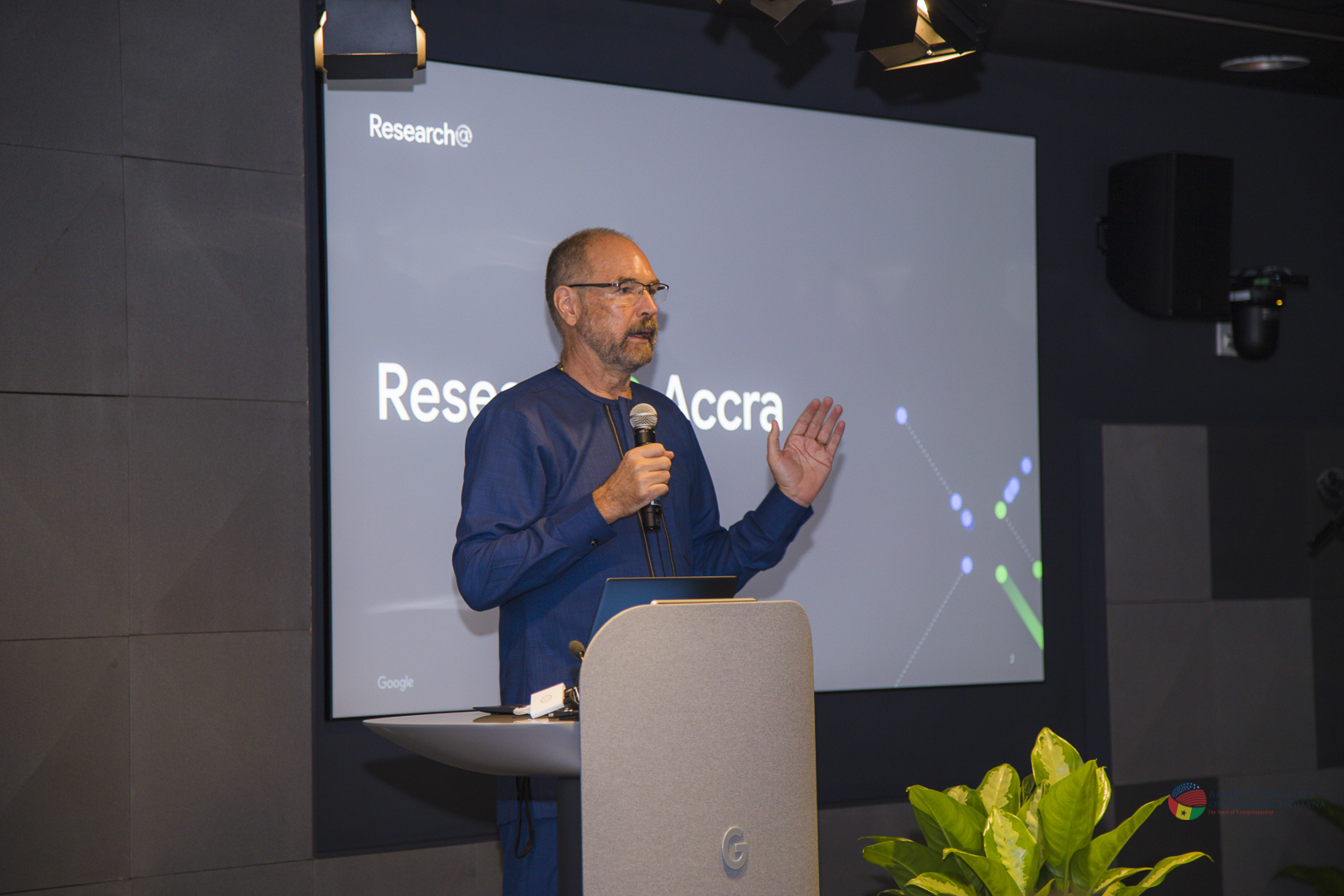
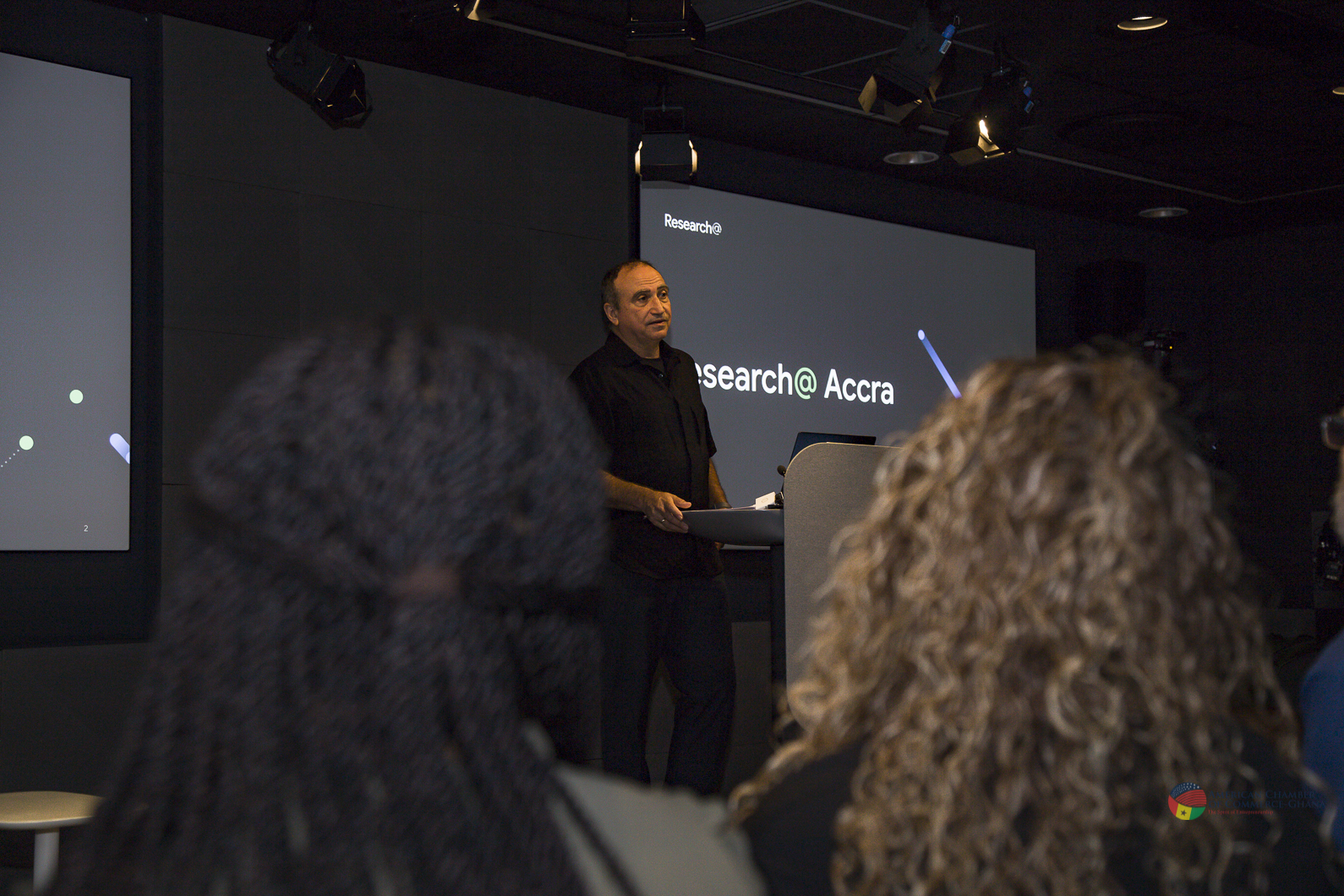
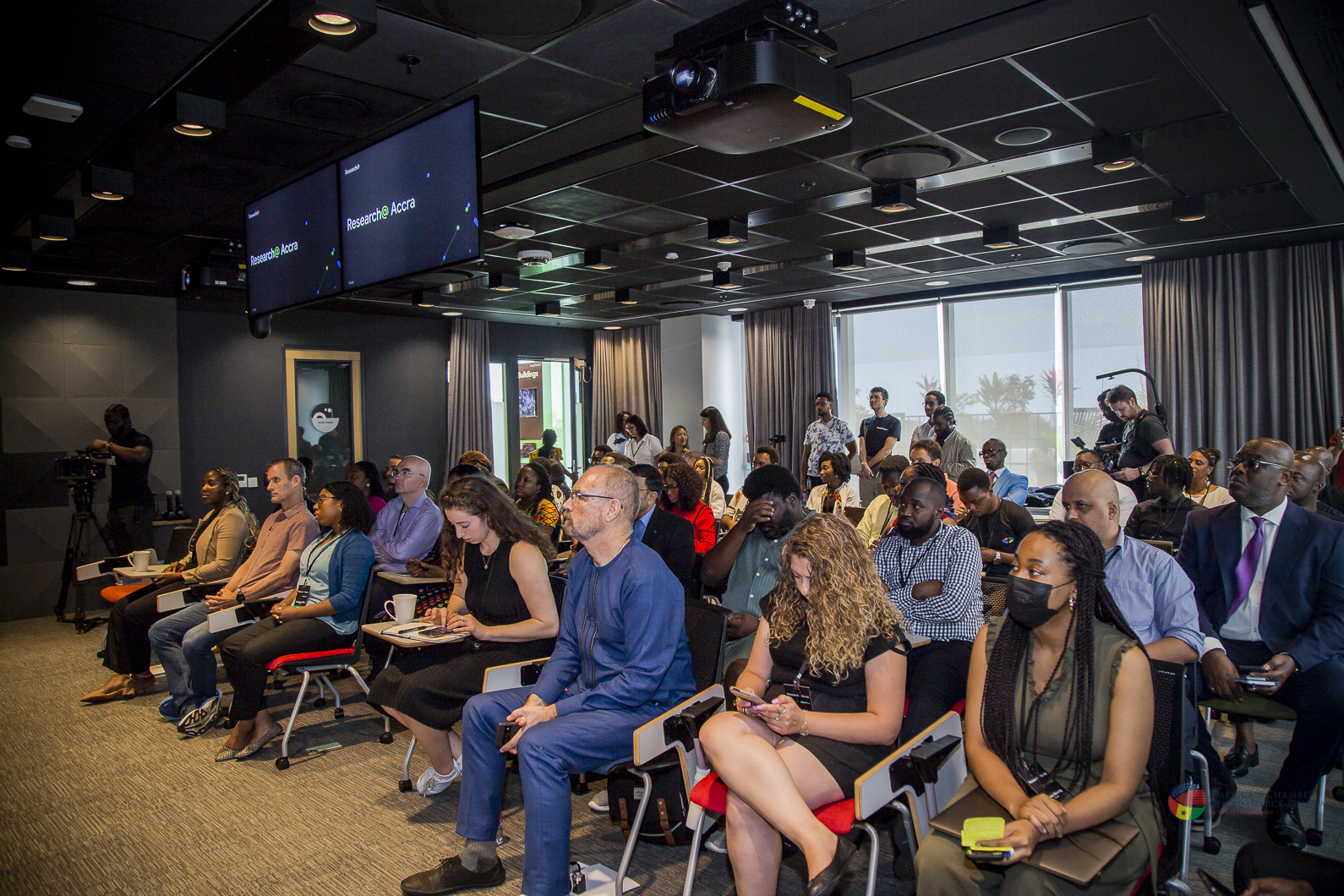
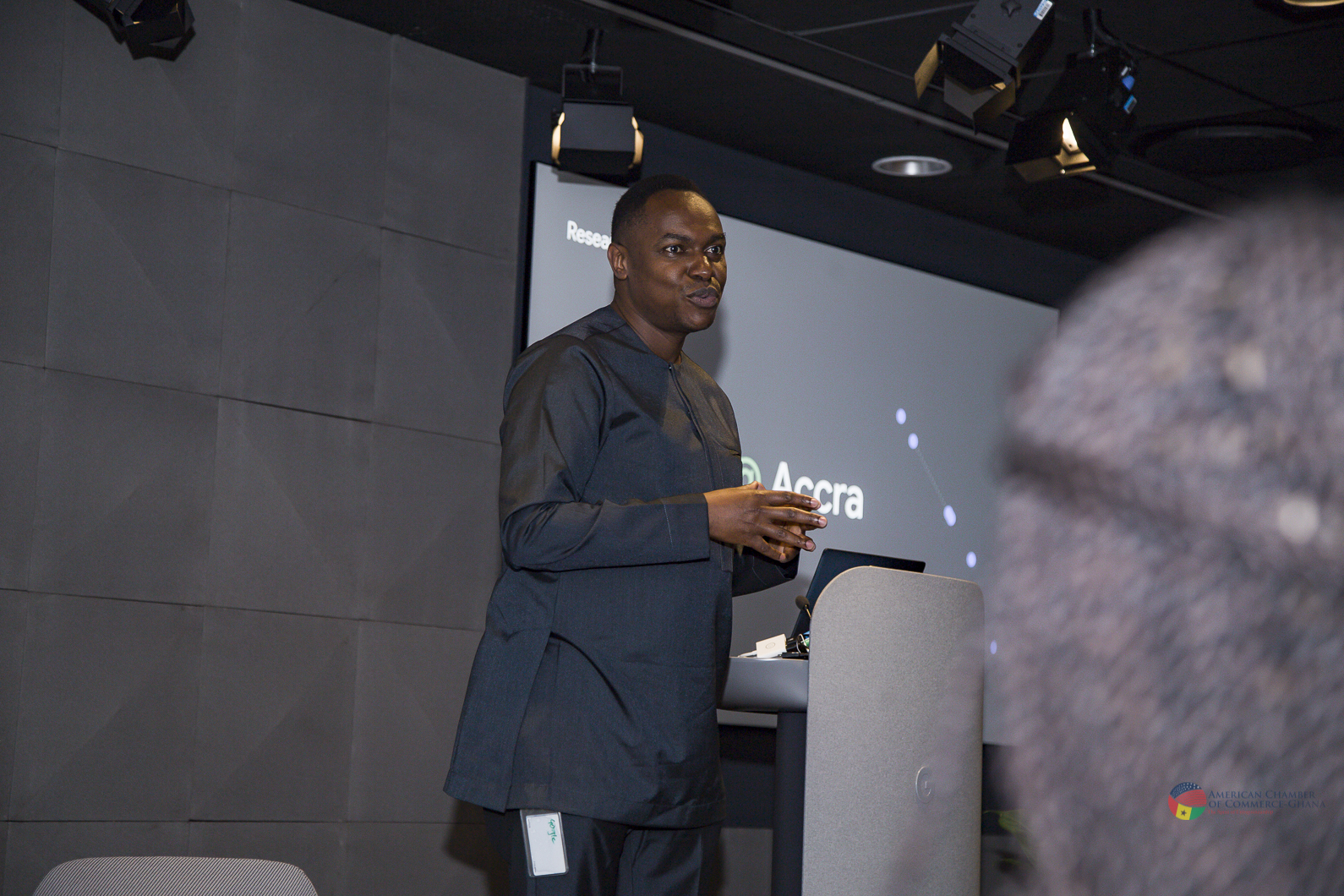
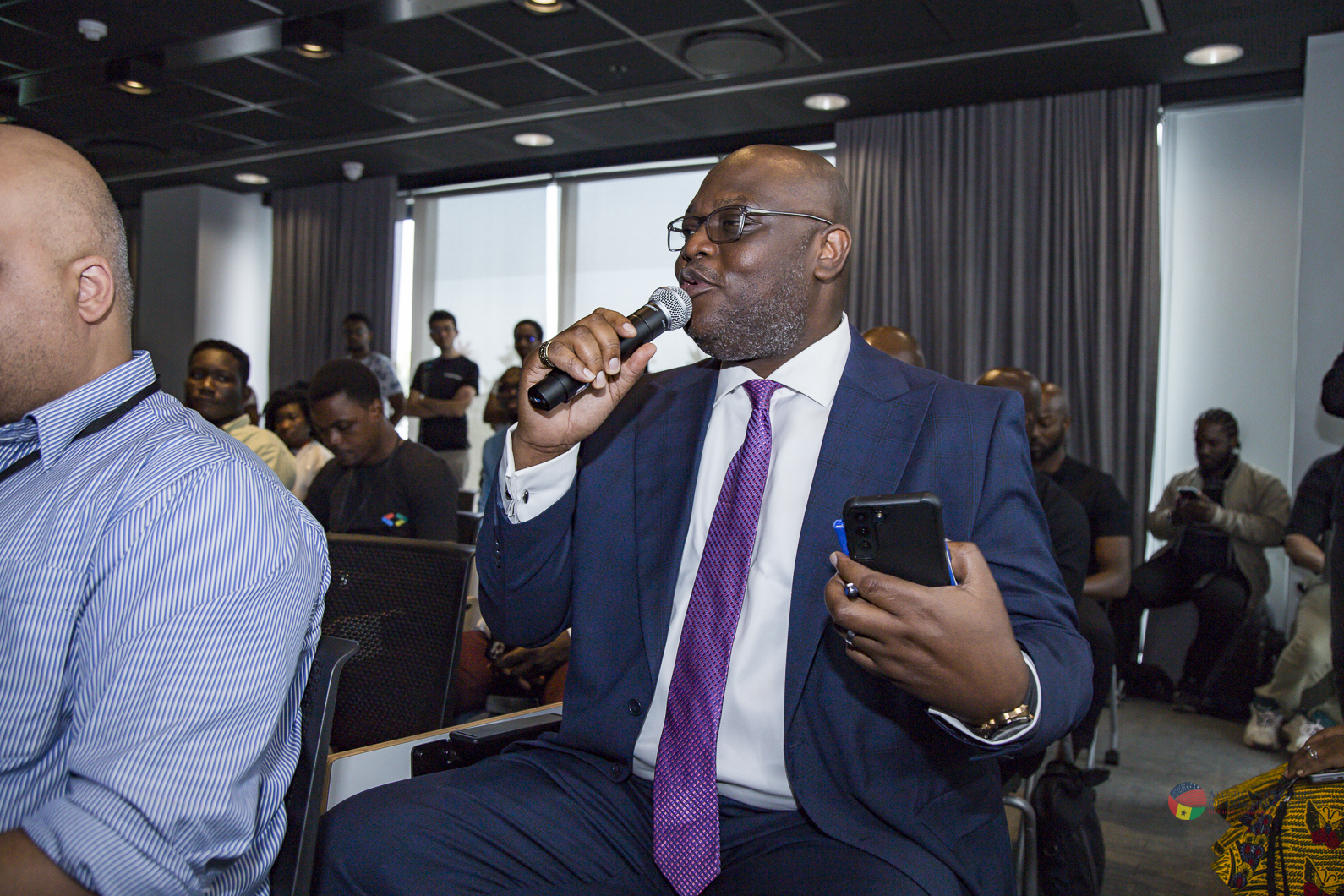
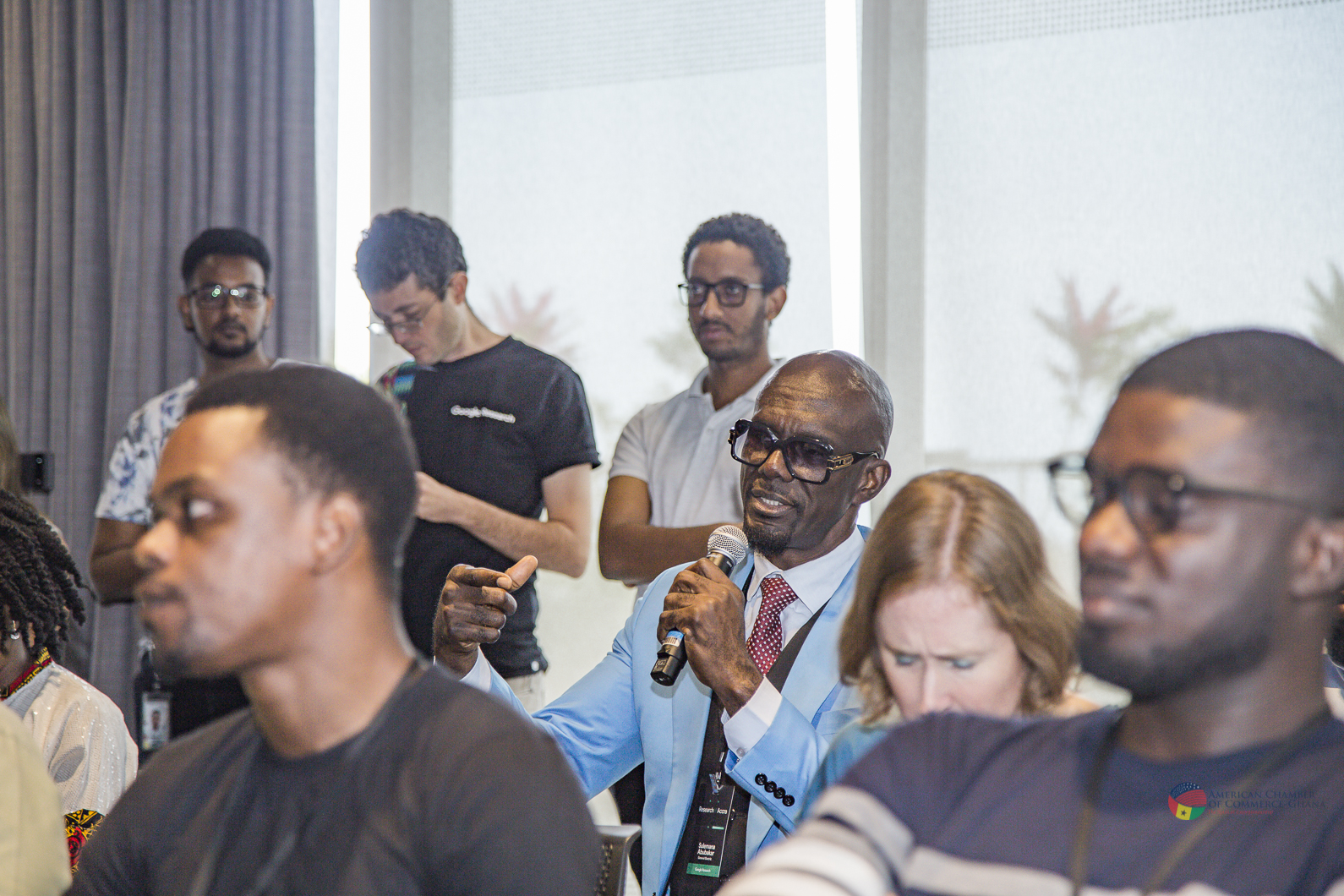
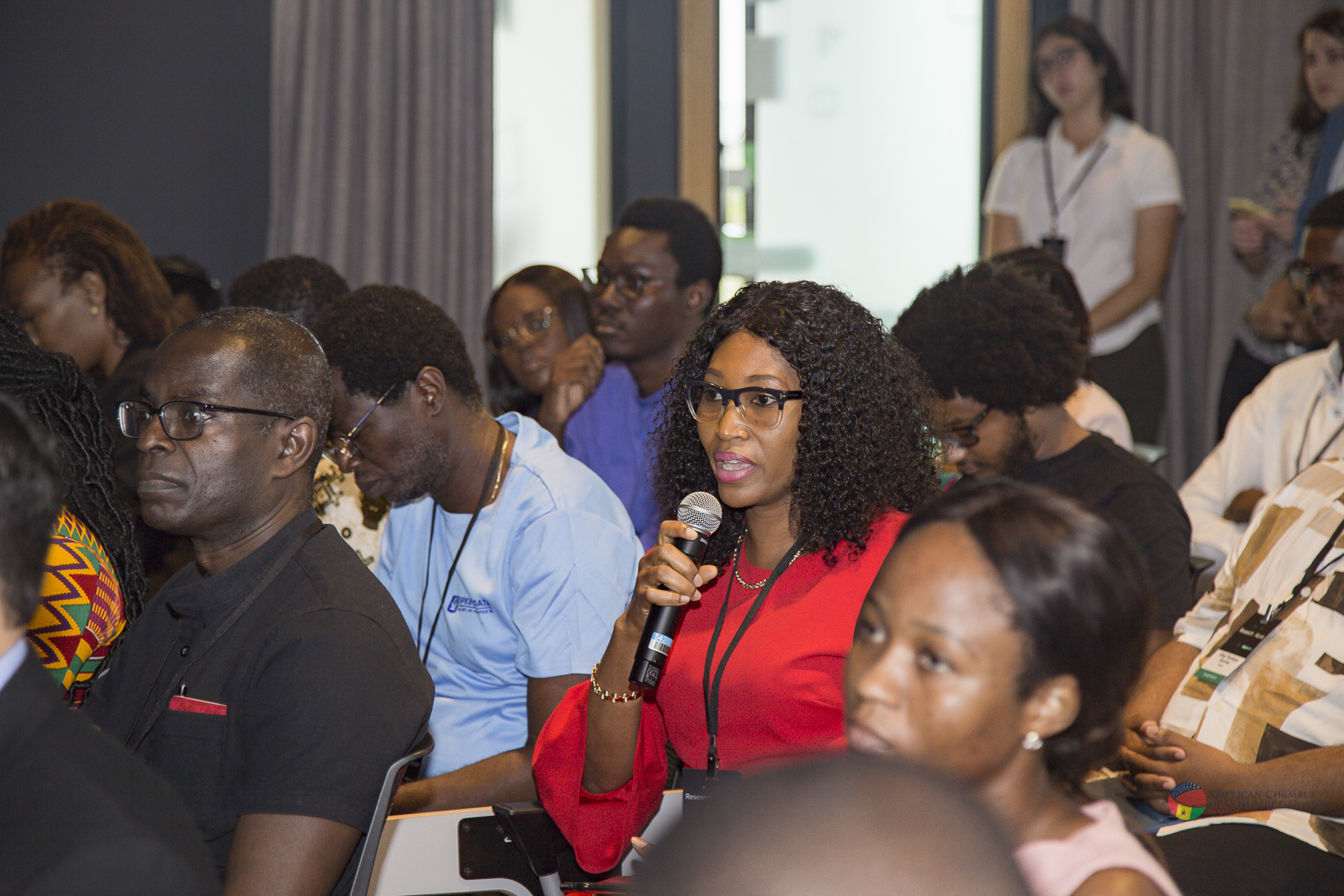
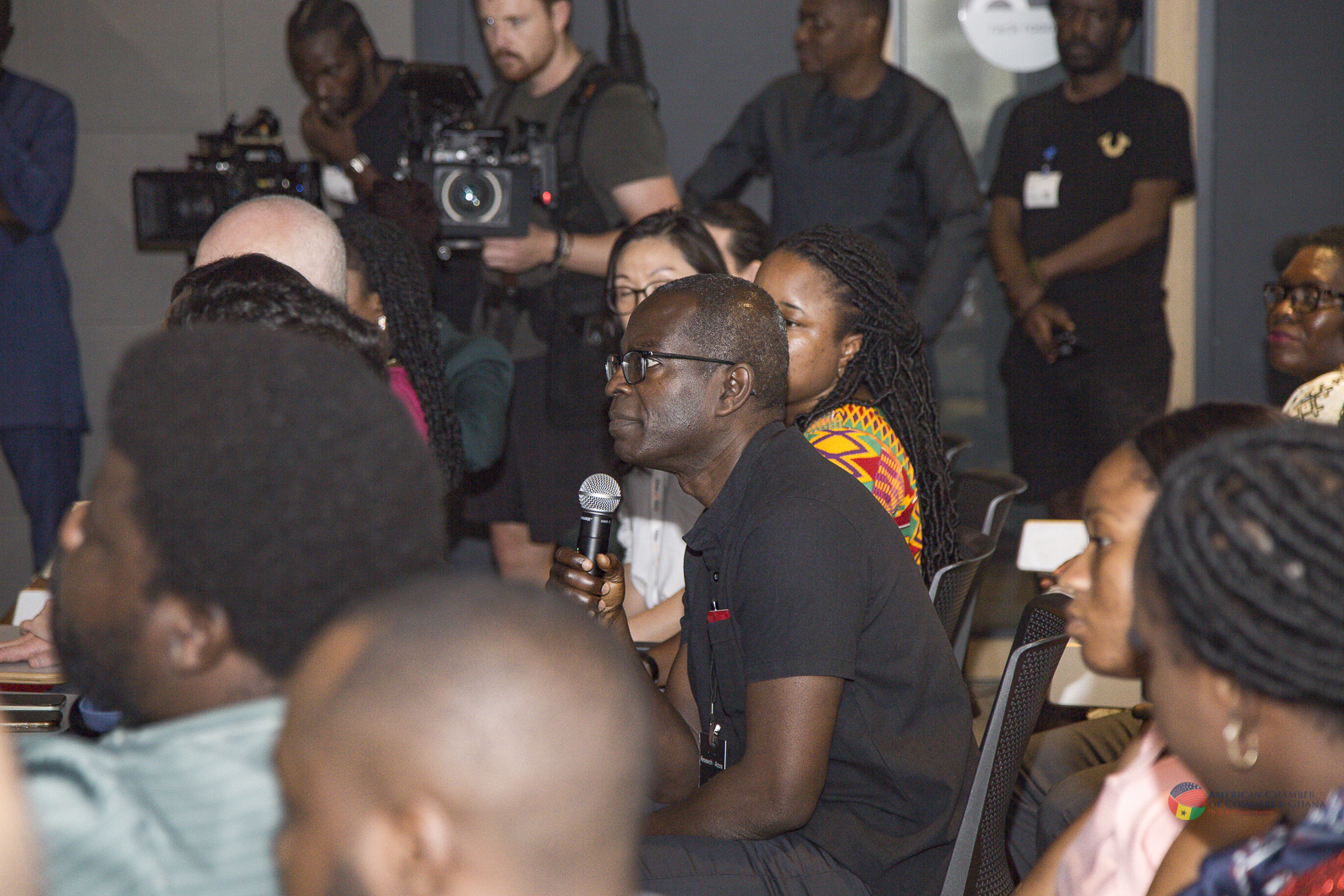
Google, on Thursday, September 7, 2023,  hosted the Research @ Accra event at the company’s AI research lab in Accra to discuss the future of artificial intelligence in Africa and highlight the various advancements achieved in the areas of navigation, language, weather forecast, flood control, and food security on the continent.

Since opening the company’s research center in Accra in 2018, they have collaborated with global research teams to lead multiple sustainability initiatives of interest to Africa.

The event featured presentations and demos of Google’s works in Flood Forecasting, Project Relate, Maternal Health Ultrasound, and Open Buildings. Google said the center in Africa aims to push the boundaries of AI while solving pressing problems affecting millions of people locally and globally.

Africa is the most linguistically diverse continent, and Google believes there are big opportunities to explore the various African languages through AI. The company, through its Waxal system, is creating  Natural Language Processing (NLP) resources using crowdsourced speech and text data of diverse African languages and using it to research novel architectures and deep learning algorithms for multilingual NLP systems (Speech, NMT, Q&A, LM, etc.) that are robust to variations in accents, code-switching, and targeted at low-end mobile devices. They believe Waxal will make NLP systems more inclusive while advancing the state of the art in deep learning for NLP and machine learning under severe memory/computing constraints.

Mapping buildings in remote locations can be challenging, even in the presence of satellite imagery. As a result, planning infrastructure can be difficult when these buildings go unmapped.

To tackle the issue, the team at the Accra research center launched the Open Buildings dataset project, which combines AI with satellite imagery to pinpoint the location of buildings. This helps governments and non-profit organizations to understand the needs of residents and offer assistance.

The company’s executives also encourage regulators and policymakers on the continent not to focus on controlling AI but also to seek a better understanding of the technology to make policies that won’t chamber progress but encourage its development to ensure advancement in healthcare, education, and agriculture.