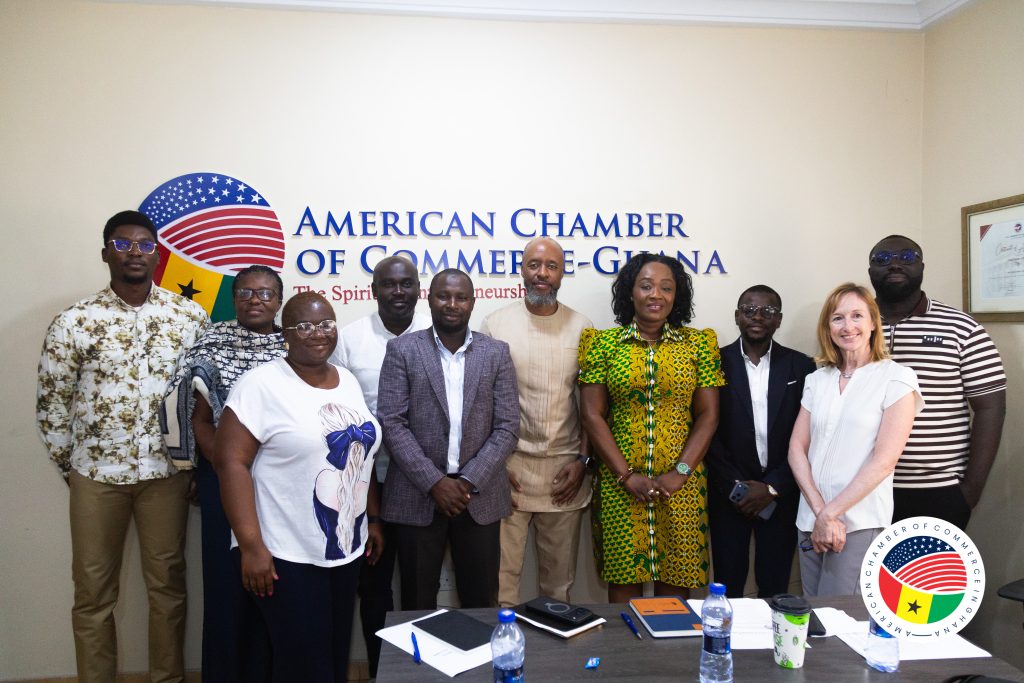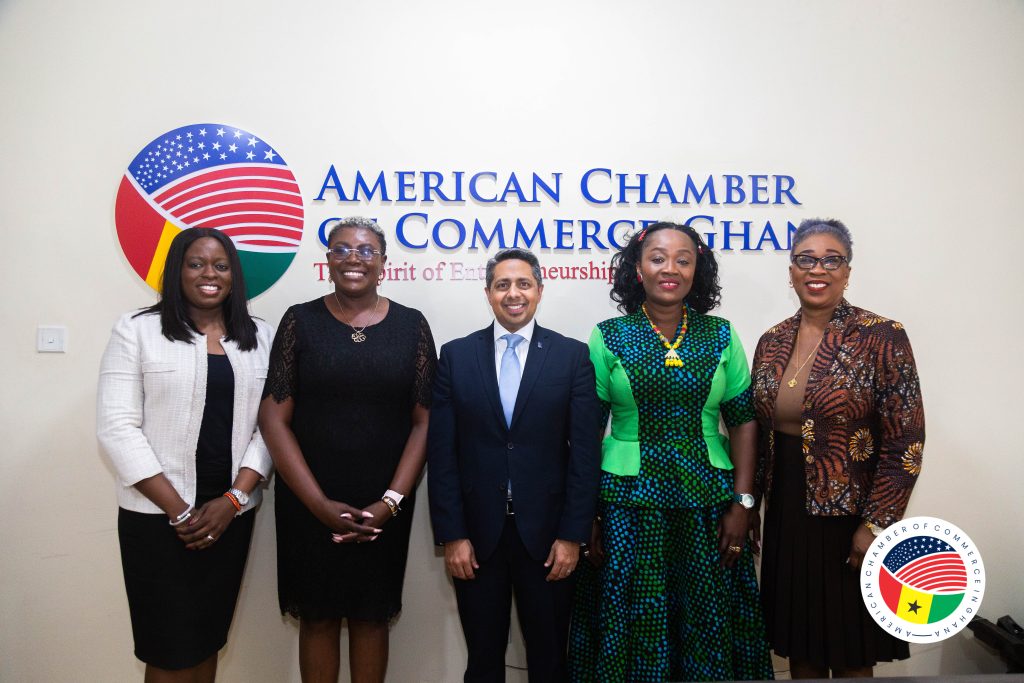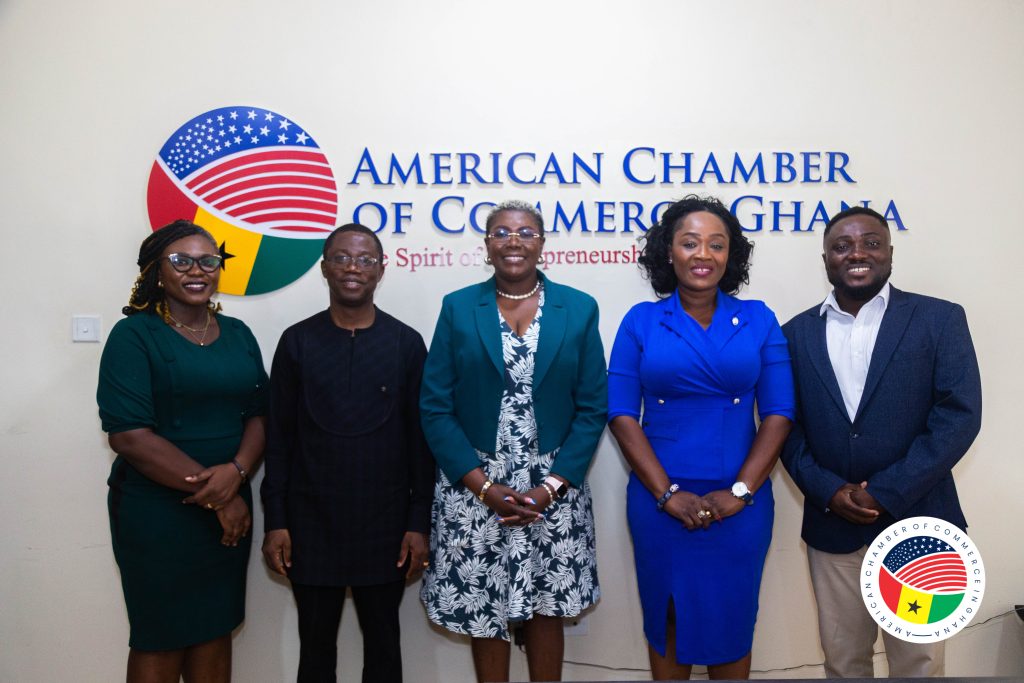

AmCham Ghana this week held a strategic discussion with the Corporate Insolvency and Restructuring Professionals (CIRIP), focusing on strengthening Ghana’s corporate recovery frameworks, legal processes, and long-term business sustainability.
The conversation centered on the evolution of Ghana’s insolvency and restructuring regime, particularly legislative reforms in recent years that have deliberately shifted the national approach away from liquidation toward business recovery and rehabilitation. CIRIP outlined its role in this space: deploying multidisciplinary teams of accountants, lawyers, and bankers to stabilize distressed companies and chart a path toward sustainable operations.
From Collapse to Recovery, How the Framework Works
Under Ghana’s current framework, companies facing financial distress can be granted temporary protection from creditor actions, creating a window for reorganization and restructuring. The intent is clear: preserve viable businesses, protect jobs, and sustain economic activity, rather than allowing recoverable enterprises to collapse under short-term pressure.
Key Gaps Are Holding Back Progress
Despite the framework’s promise, critical challenges remain. Chief among them is low awareness, too many businesses only seek restructuring support when financial distress has already reached an advanced, harder-to-reverse stage. Early intervention, participants agreed, dramatically improves recovery outcomes and reduces the risk of job losses and broader economic fallout.
The absence of dedicated recovery financing is another significant constraint. Distressed companies often lack the capital needed to stabilize operations during restructuring, limiting the effectiveness of even well-structured interventions.
Institutional capacity gaps also persist. Delays in court processes, limited judicial specialization in restructuring matters, and the ongoing need for practitioner training continue to slow case resolution and reduce confidence in the system. Progress has been made, but further investment in capacity building and system efficiency is needed to fully unlock the framework’s potential.
The Case for Local Expertise
AmCham Ghana spotlighted an important opportunity: many multinational and regional companies operating in Ghana rely on external decision-making frameworks that don’t always account for local regulatory and operational realities. This creates a strong case for closer collaboration with Ghana-based restructuring professionals who understand the terrain.
The issue of confidentiality also came up, a double-edged dynamic where protecting distressed businesses during intervention limits the ability to publicly document successful recoveries and build broader market awareness of what structured restructuring can achieve.
Deepening the Collaboration
Both parties identified concrete opportunities to work together, through forums, targeted member engagements, and knowledge-sharing sessions designed to raise awareness of restructuring options among AmCham’s membership. There was strong consensus that business recovery and insolvency discussions should be woven into broader conversations around corporate governance, investment protection, and economic resilience.
The meeting concluded with a shared commitment to deepen the partnership, increase visibility of CIRIP’s work within the AmCham network, and explore how CIRIP can be integrated into upcoming AmCham programs, ensuring member companies have timely access to the expertise they need to navigate financial and operational challenges before it’s too late

 By By Albert Ludwig Botchway, AmCham Communications