AmCham – Google AI Business Dialogue and Networking Event 2025

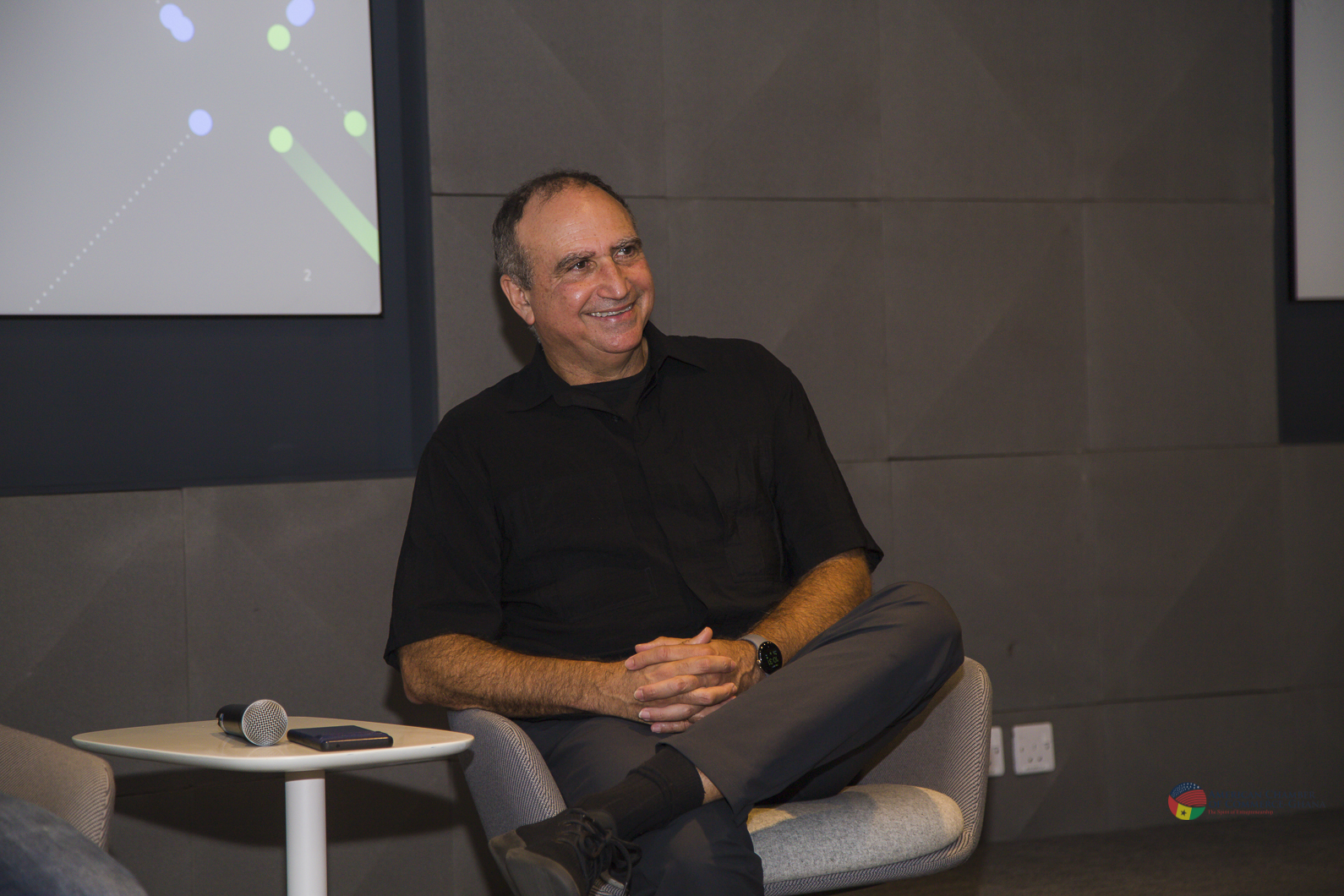
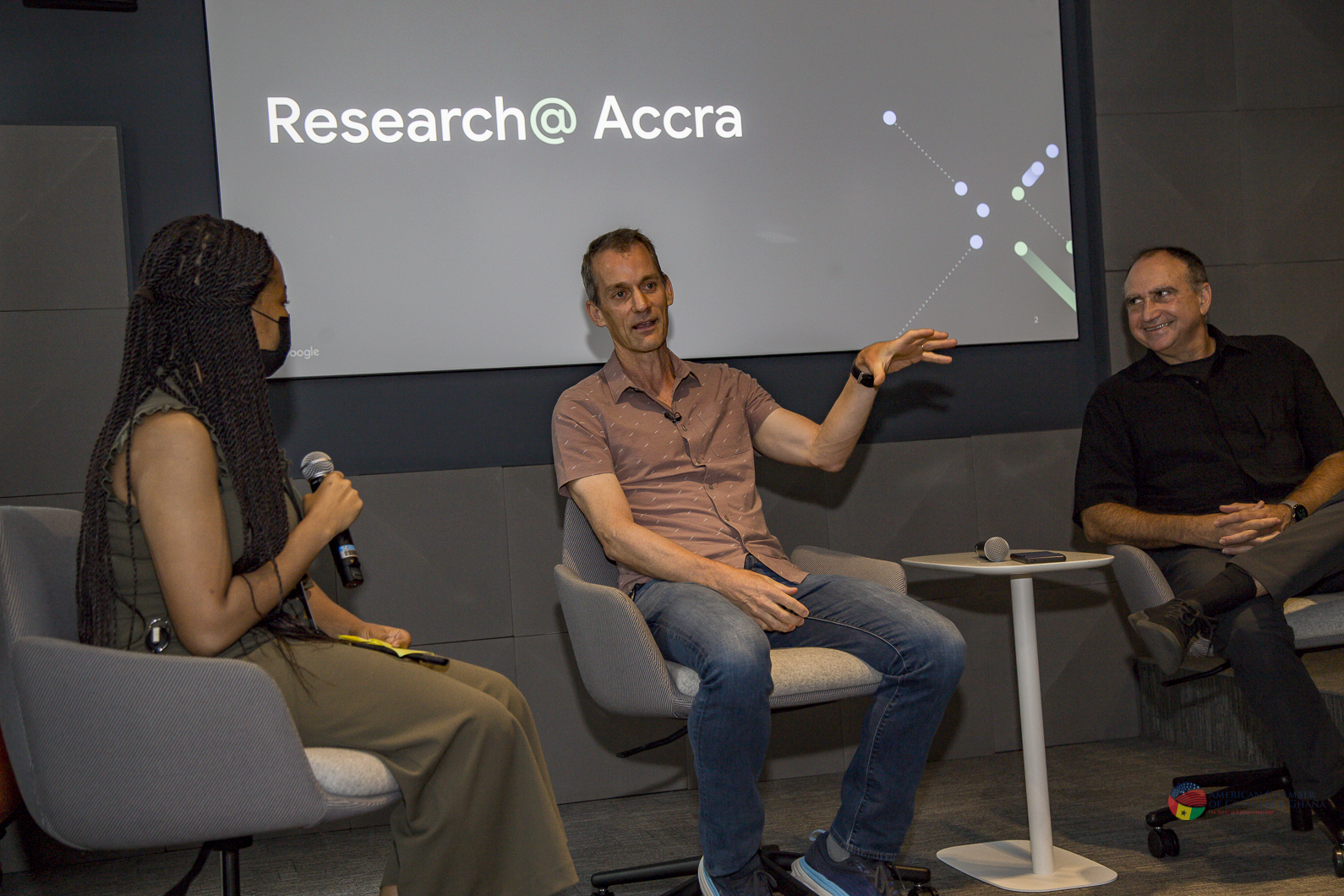
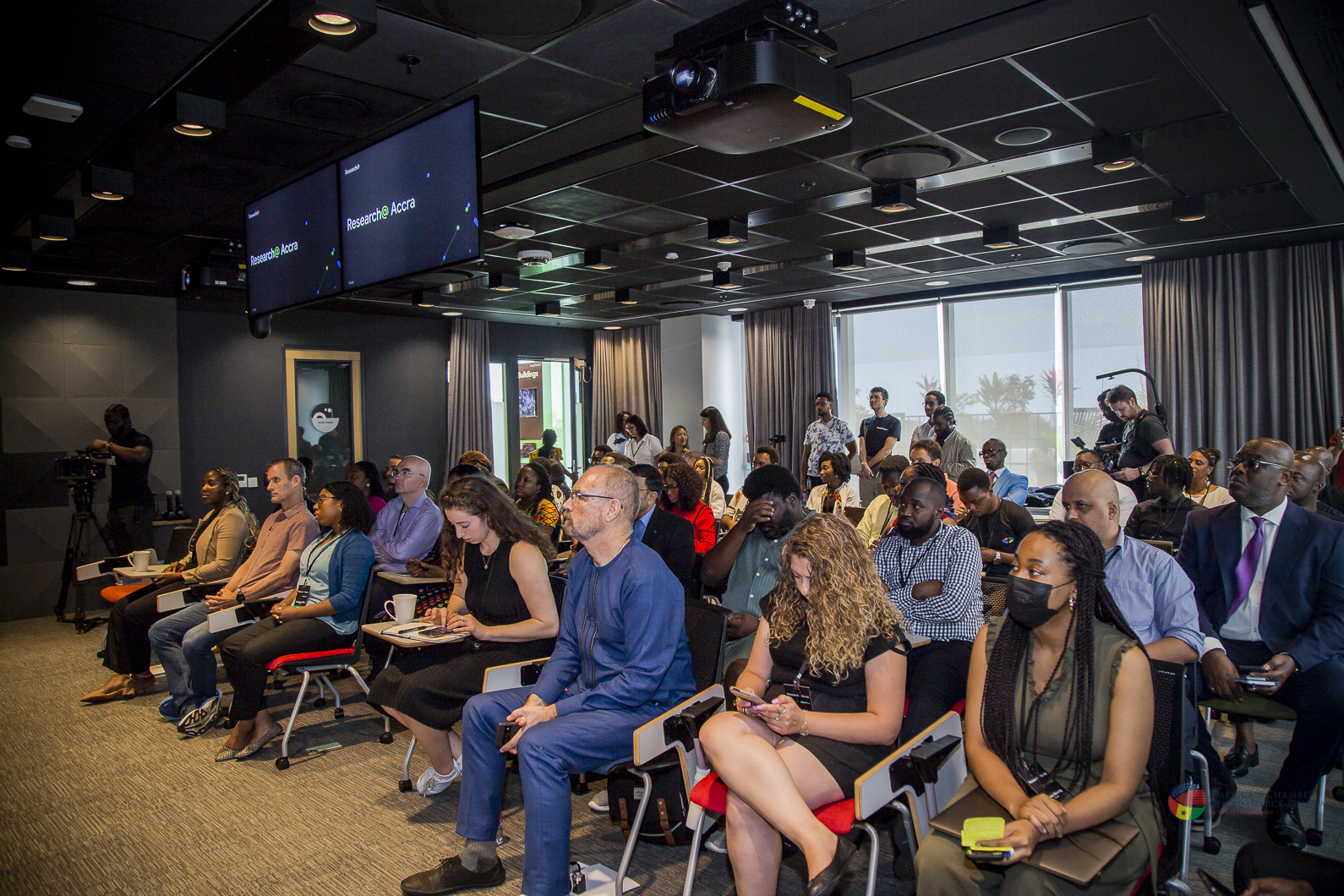
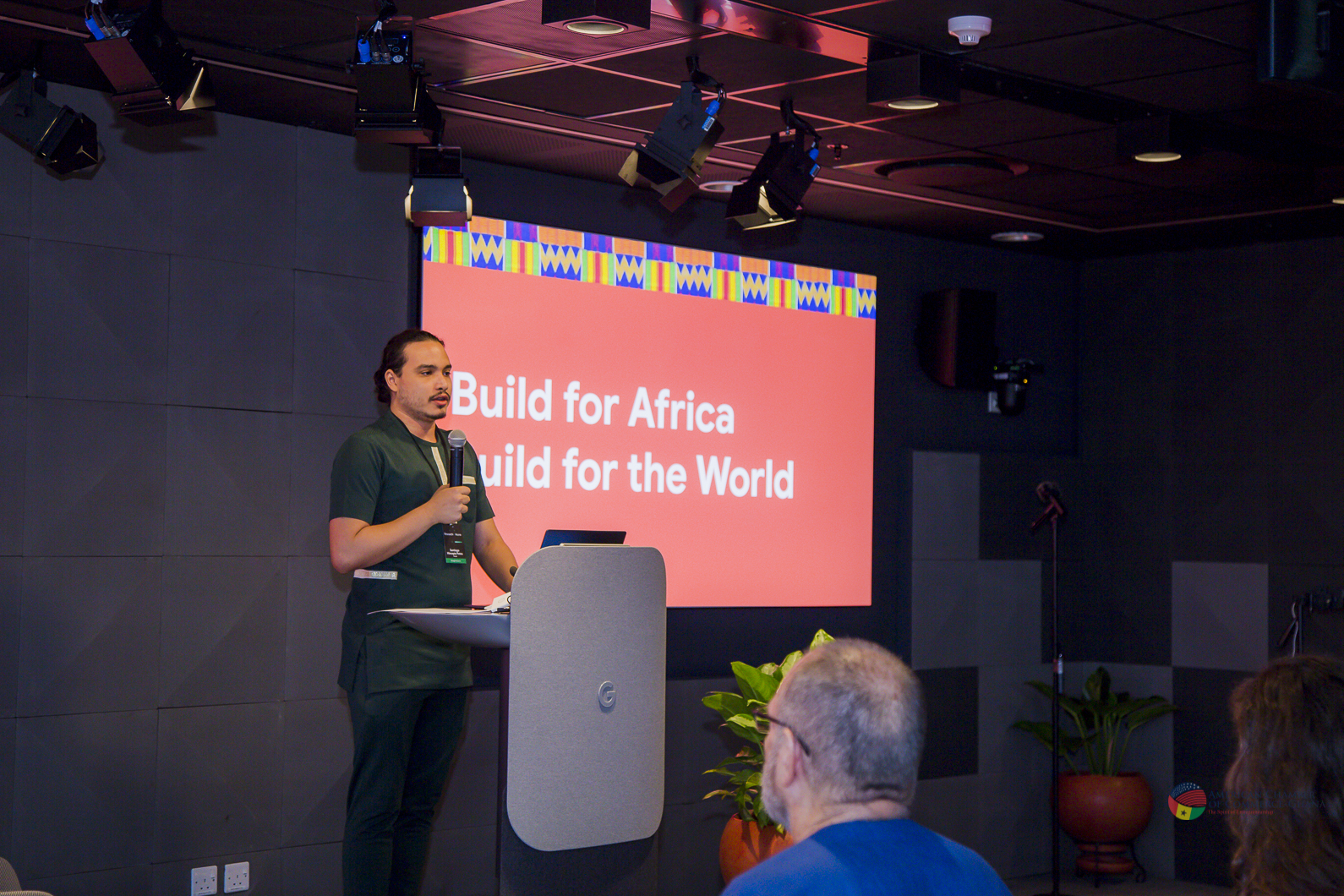
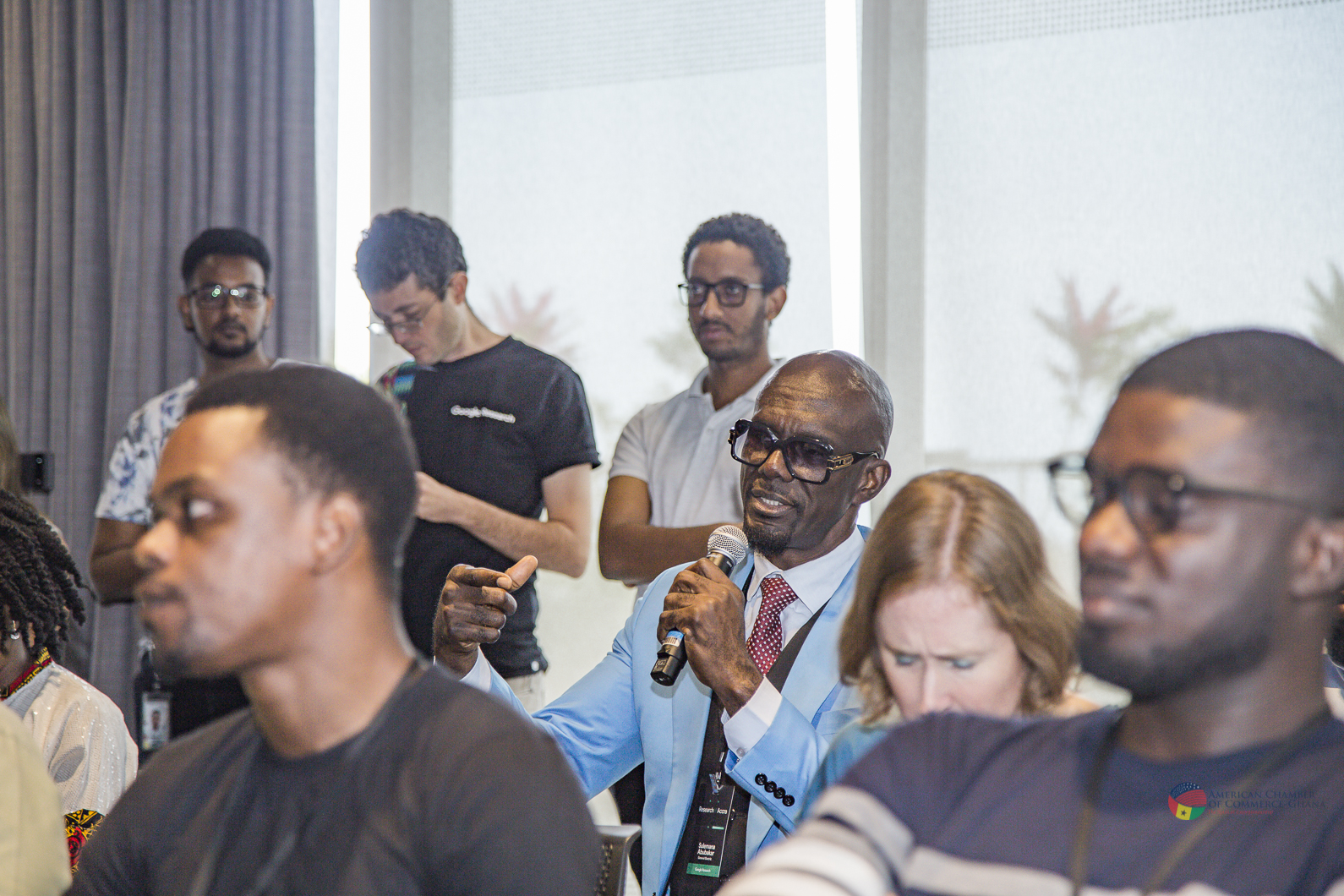
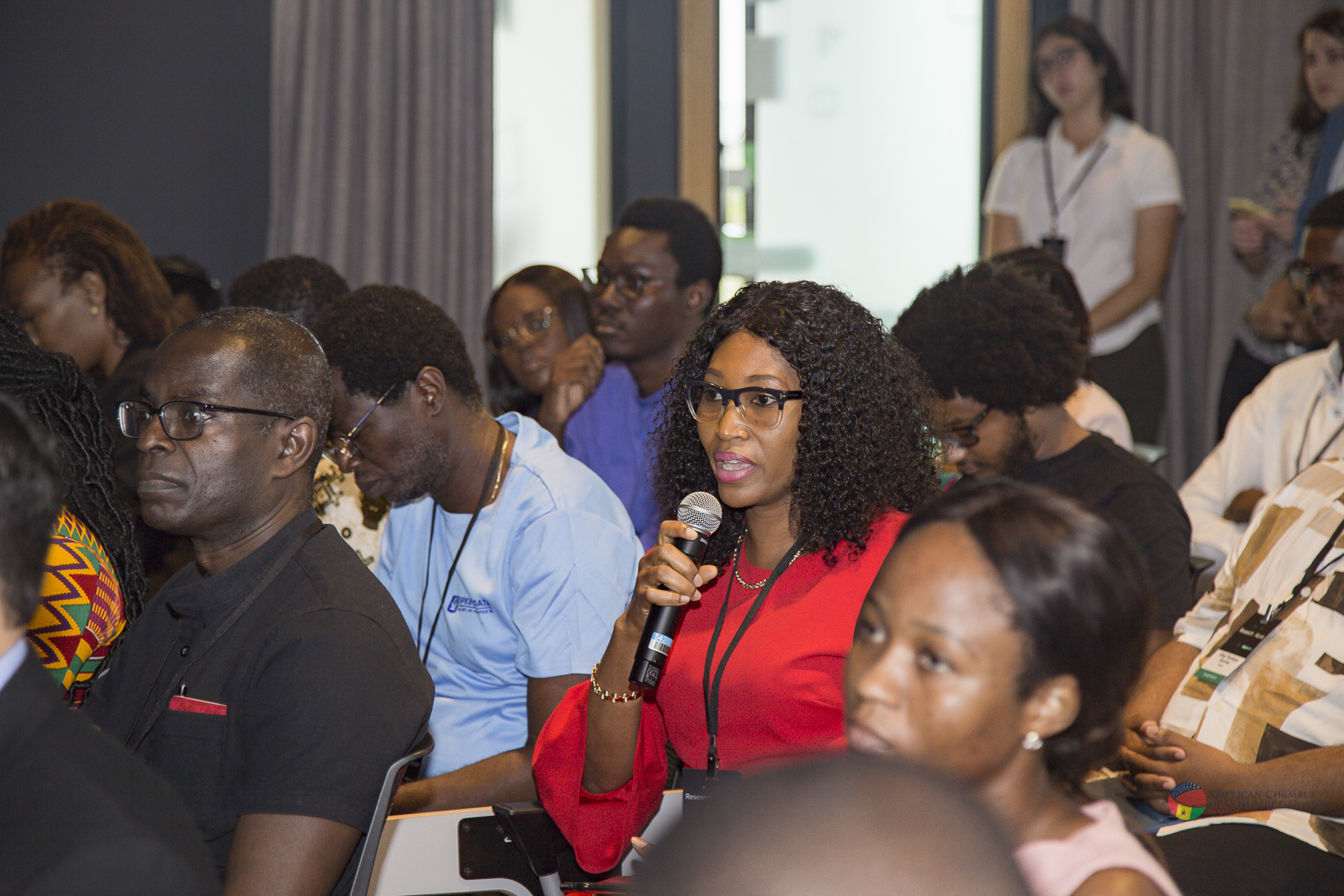
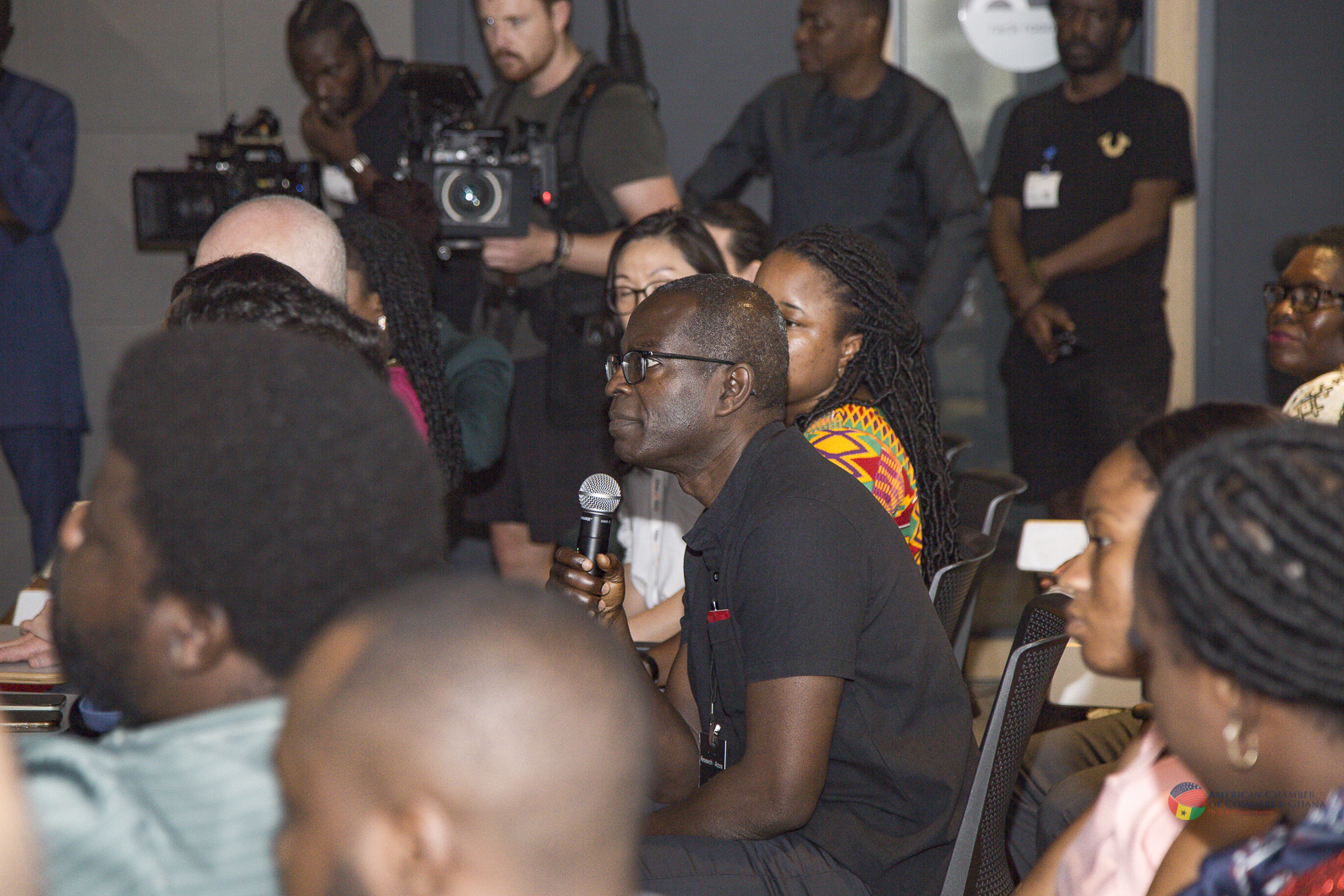
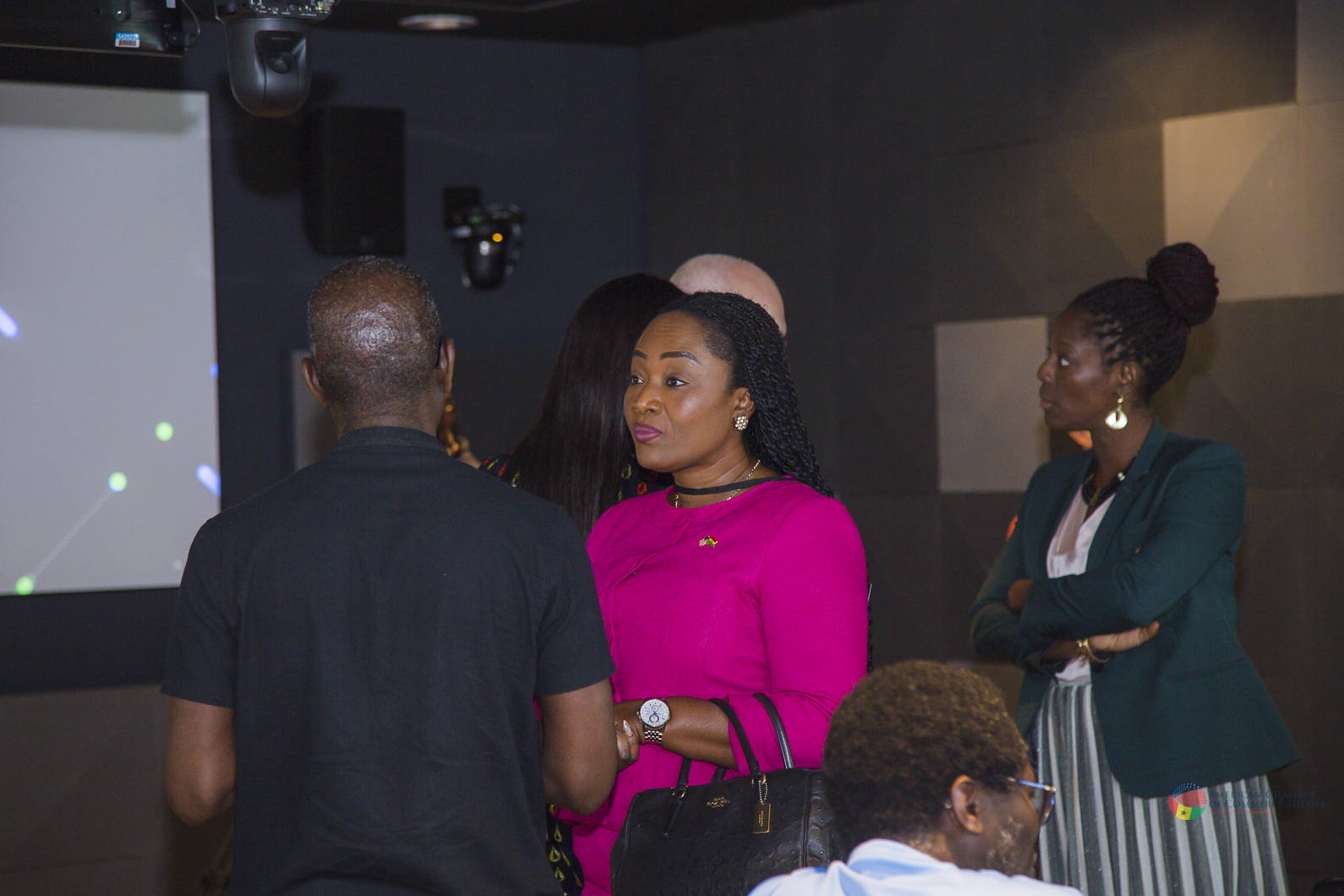
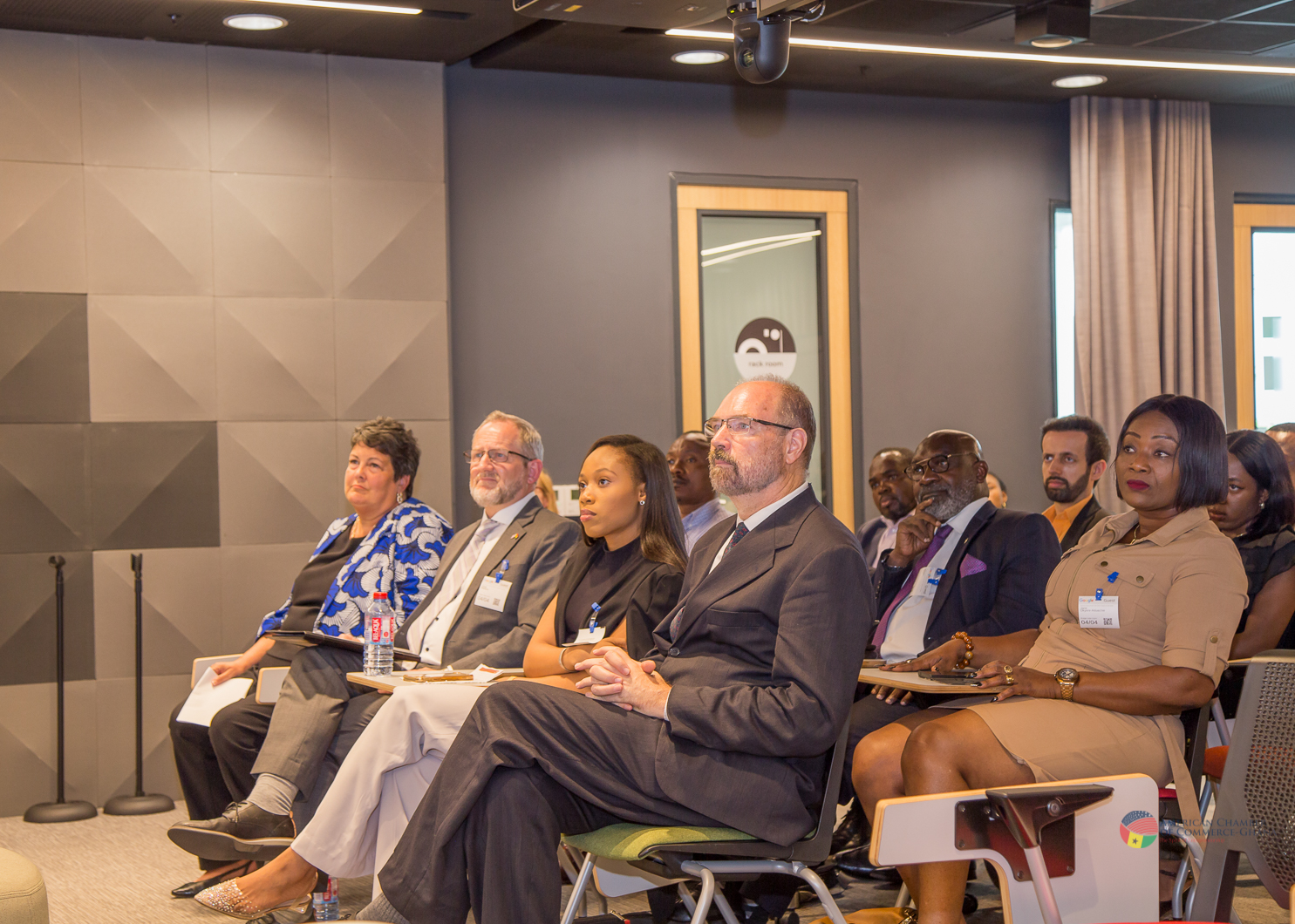
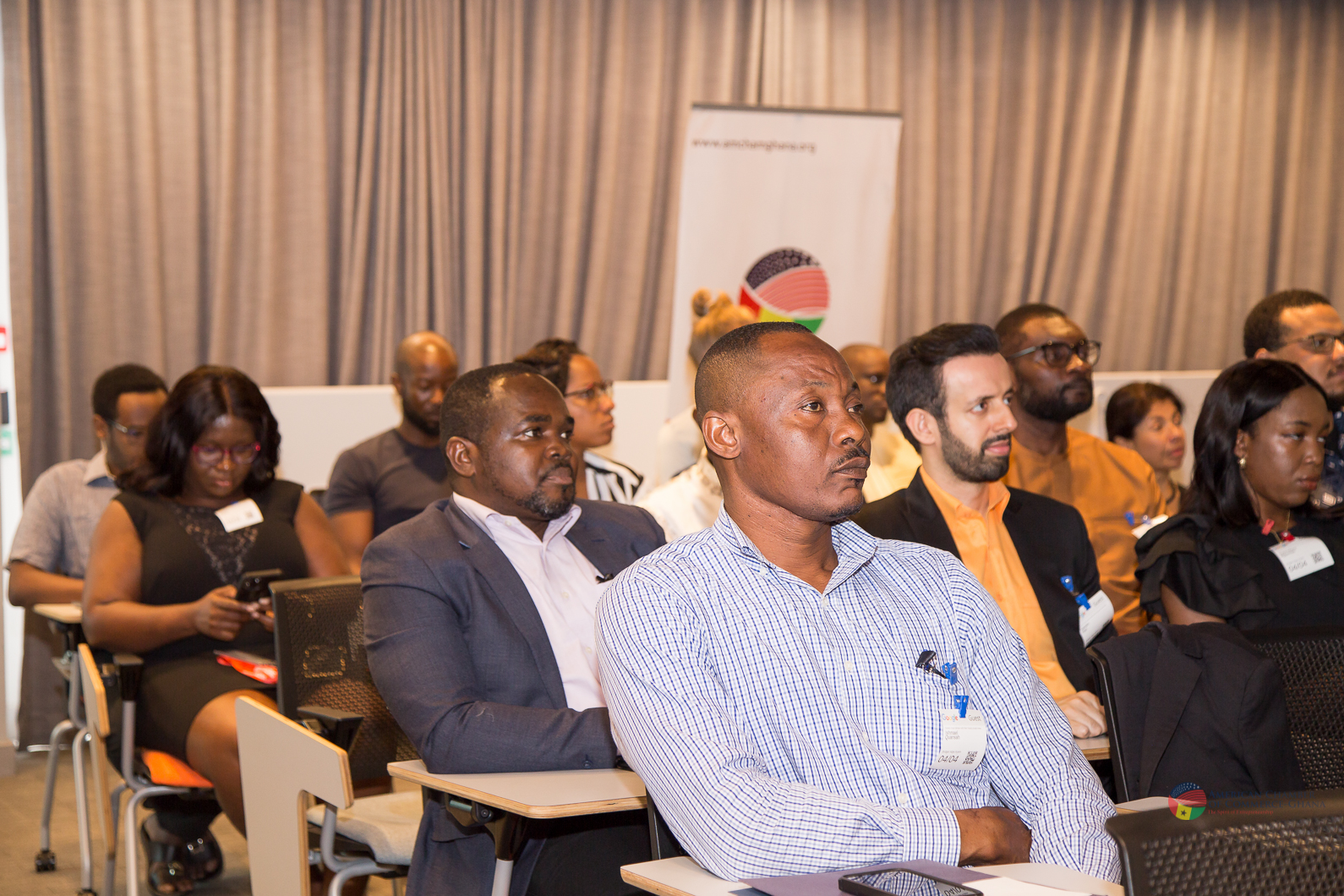
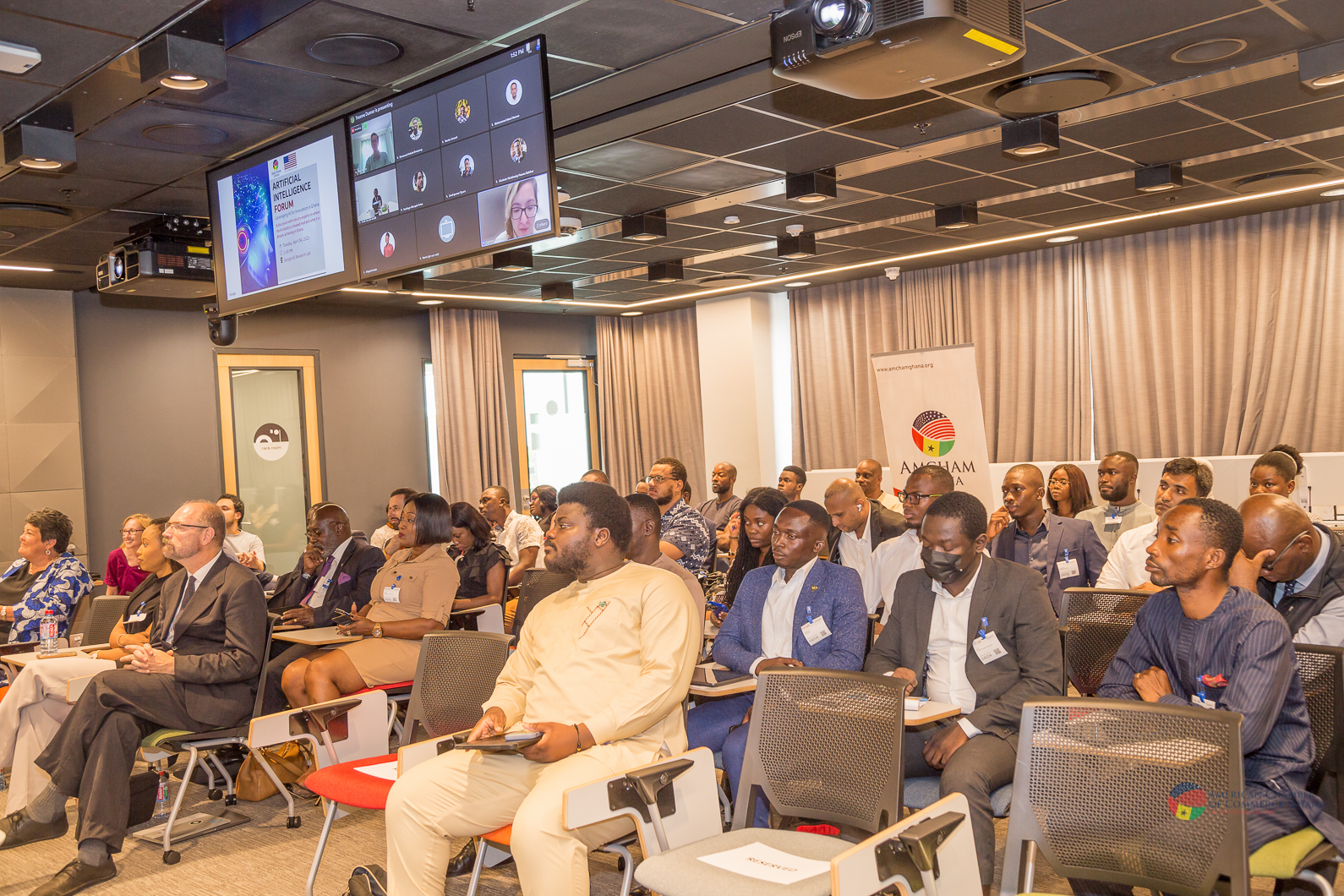
Yesterday, September 16, 2025, the American Chamber of Commerce, Ghana (AmCham Ghana), in partnership with Google, hosted the AI Business Dialogue and Networking Event at the Google AI Office in Accra. The program brought together executives, entrepreneurs, and technology leaders to explore the evolving role of Artificial Intelligence (AI) in business and the workplace.
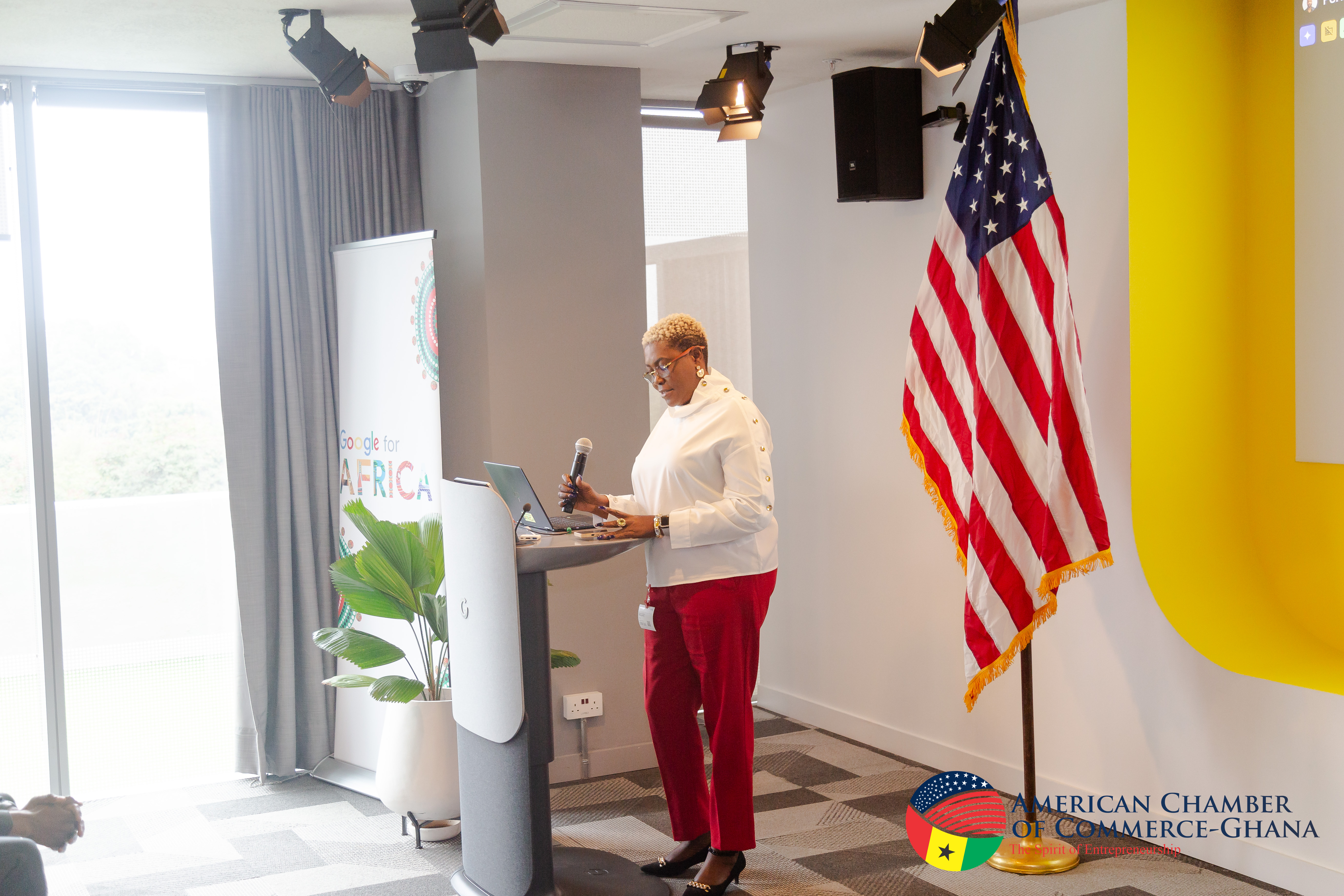
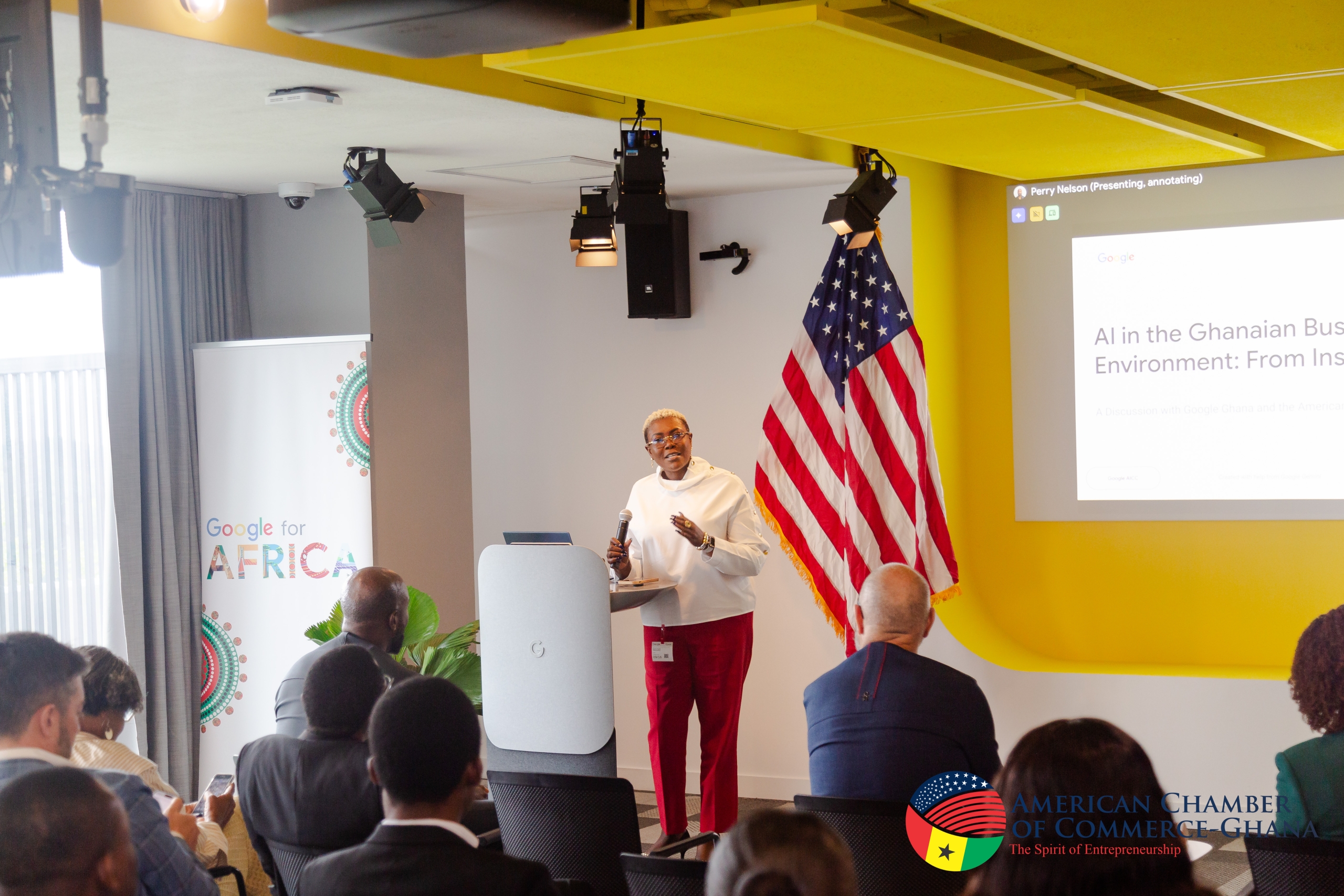
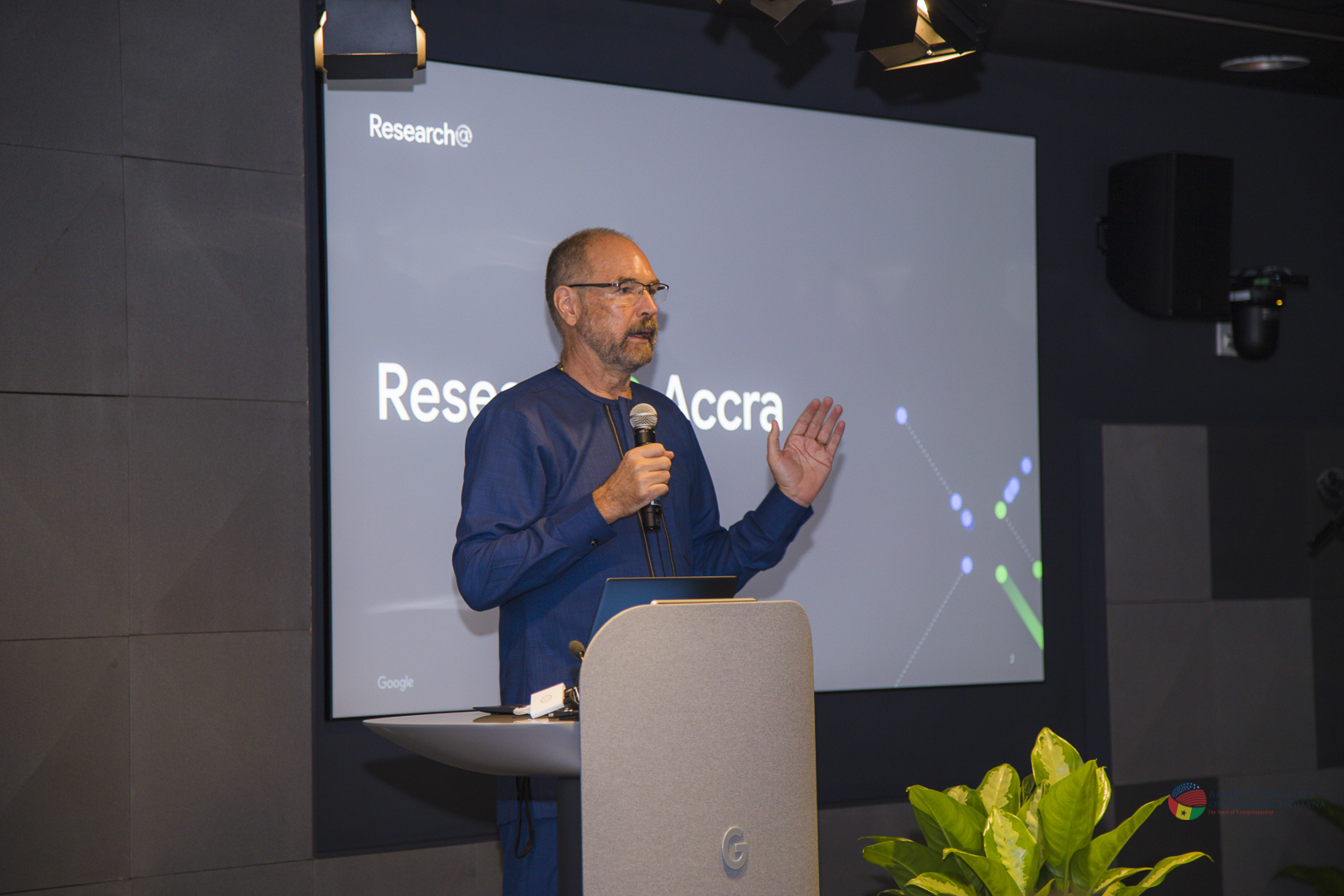
Delivering her remarks at the engagement, AmCham CEO Doris Kafui Afanyedey highlighed the transformative potential of AI while emphasizing the responsibility to use these tools ethically and inclusively. She reaffirmed AmCham Ghana’s mission to provide platforms that connect U.S. companies, Ghanaian businesses, and entrepreneurs in leveraging emerging technologies for growth and competitiveness.
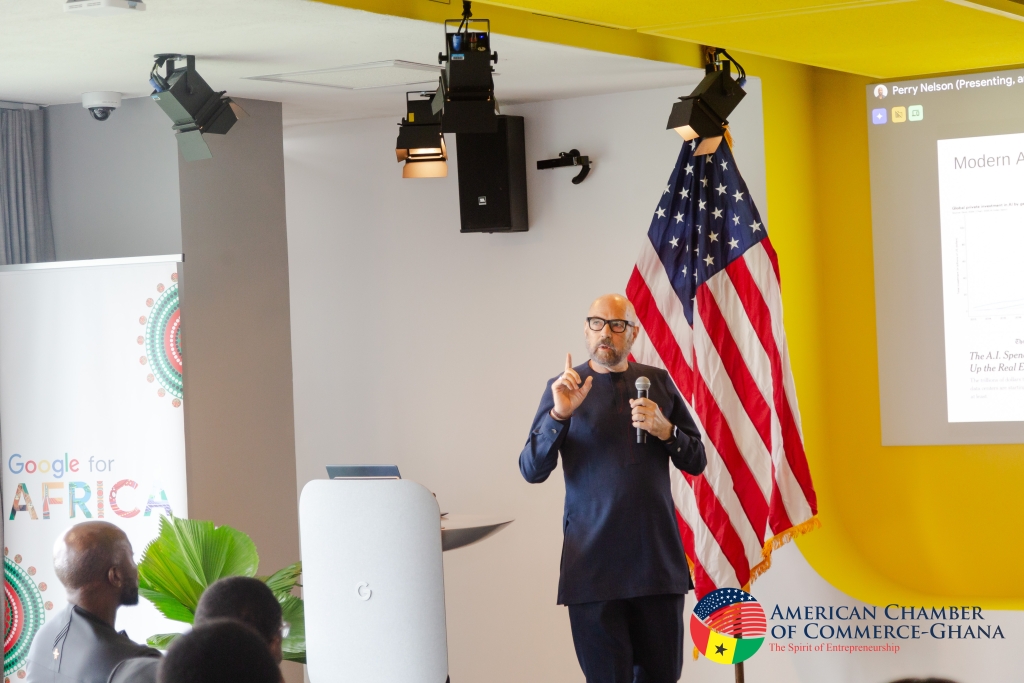
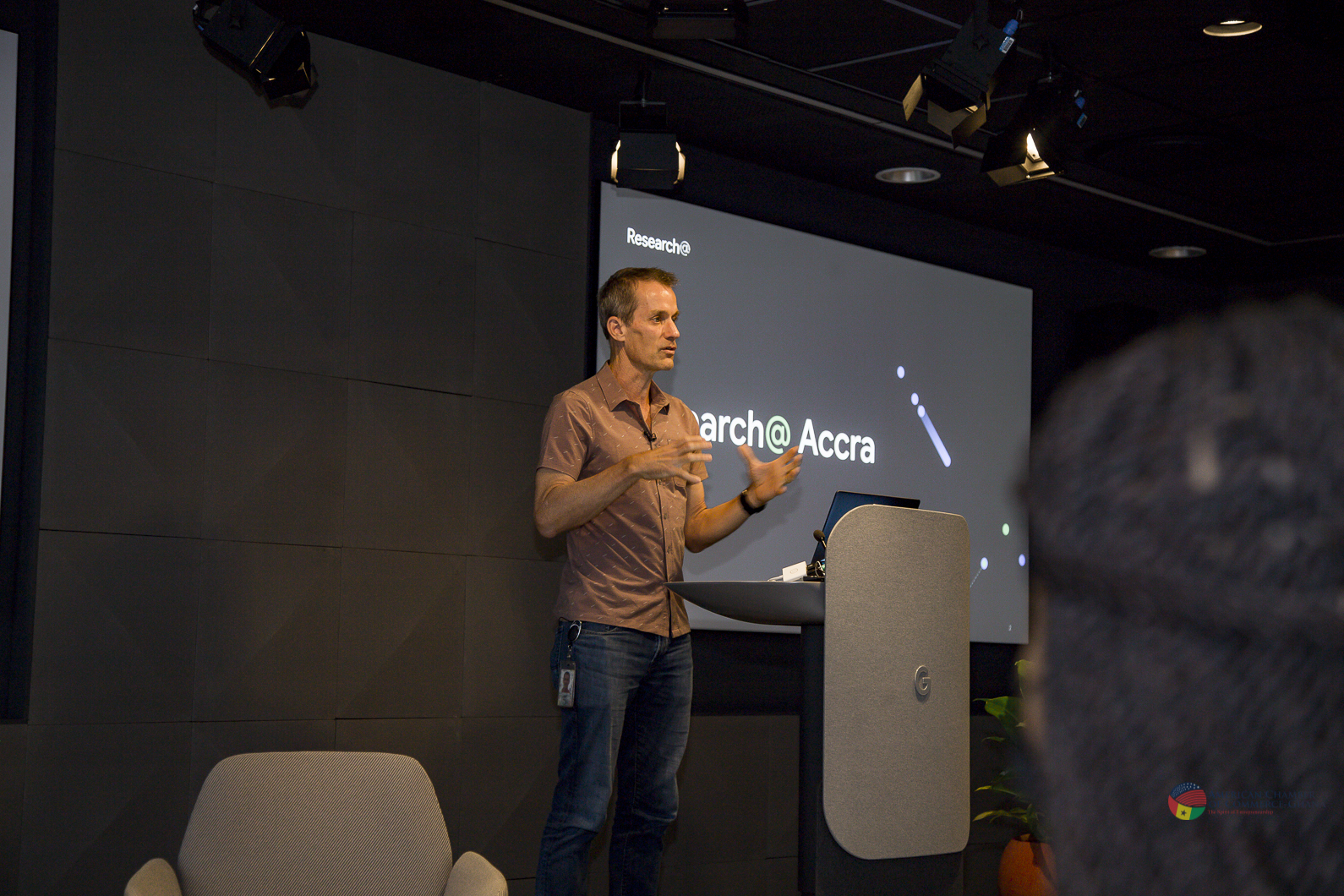
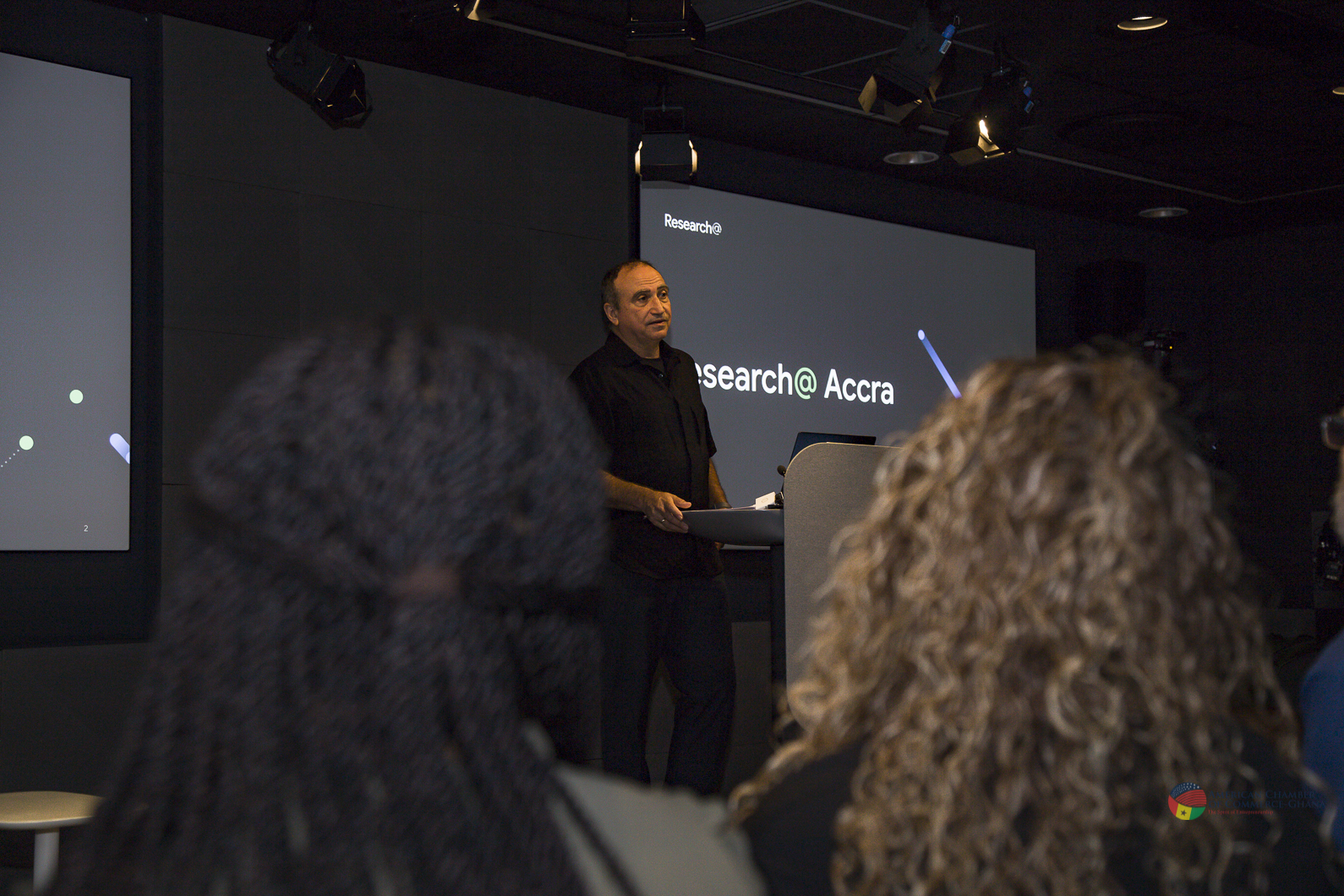
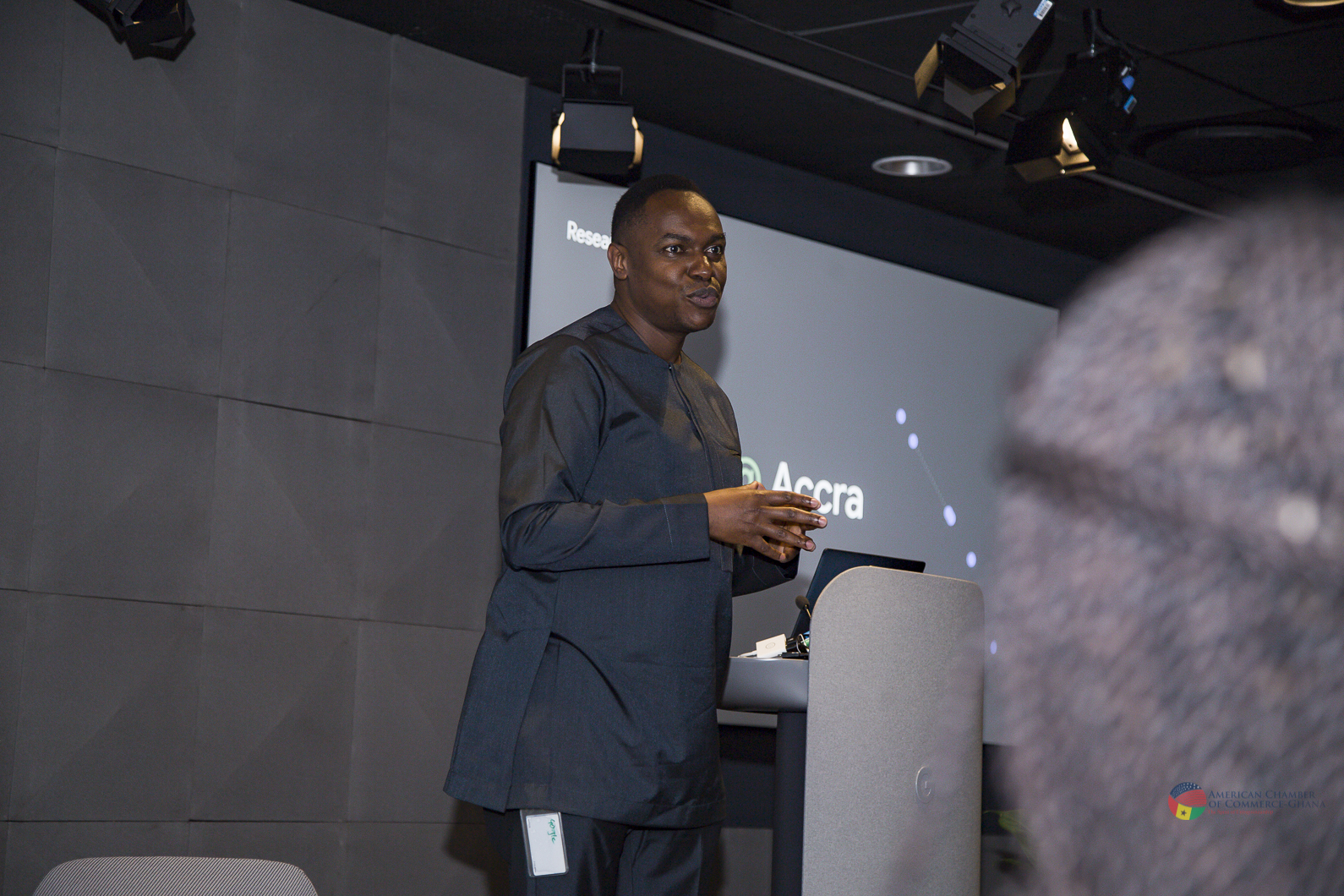
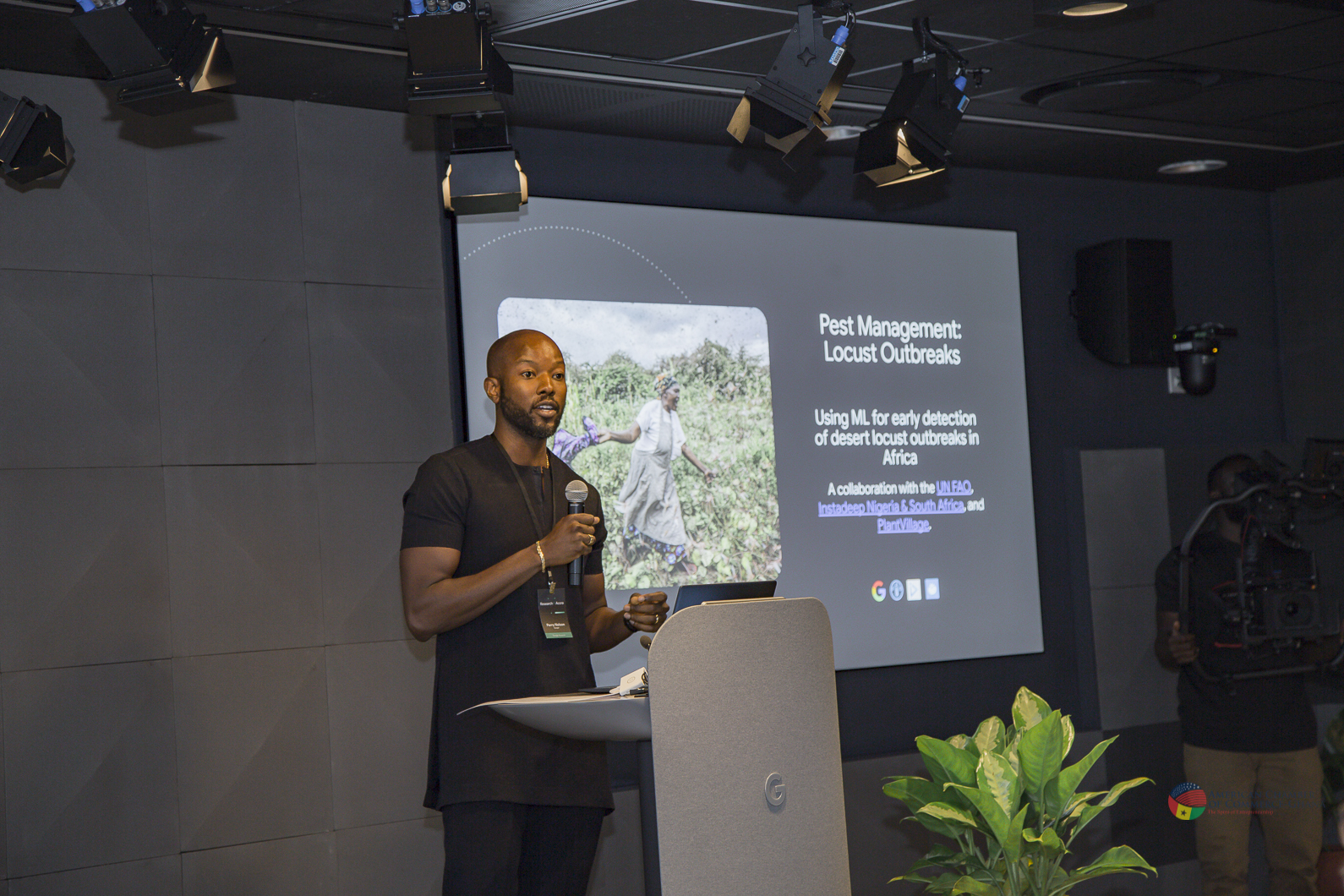
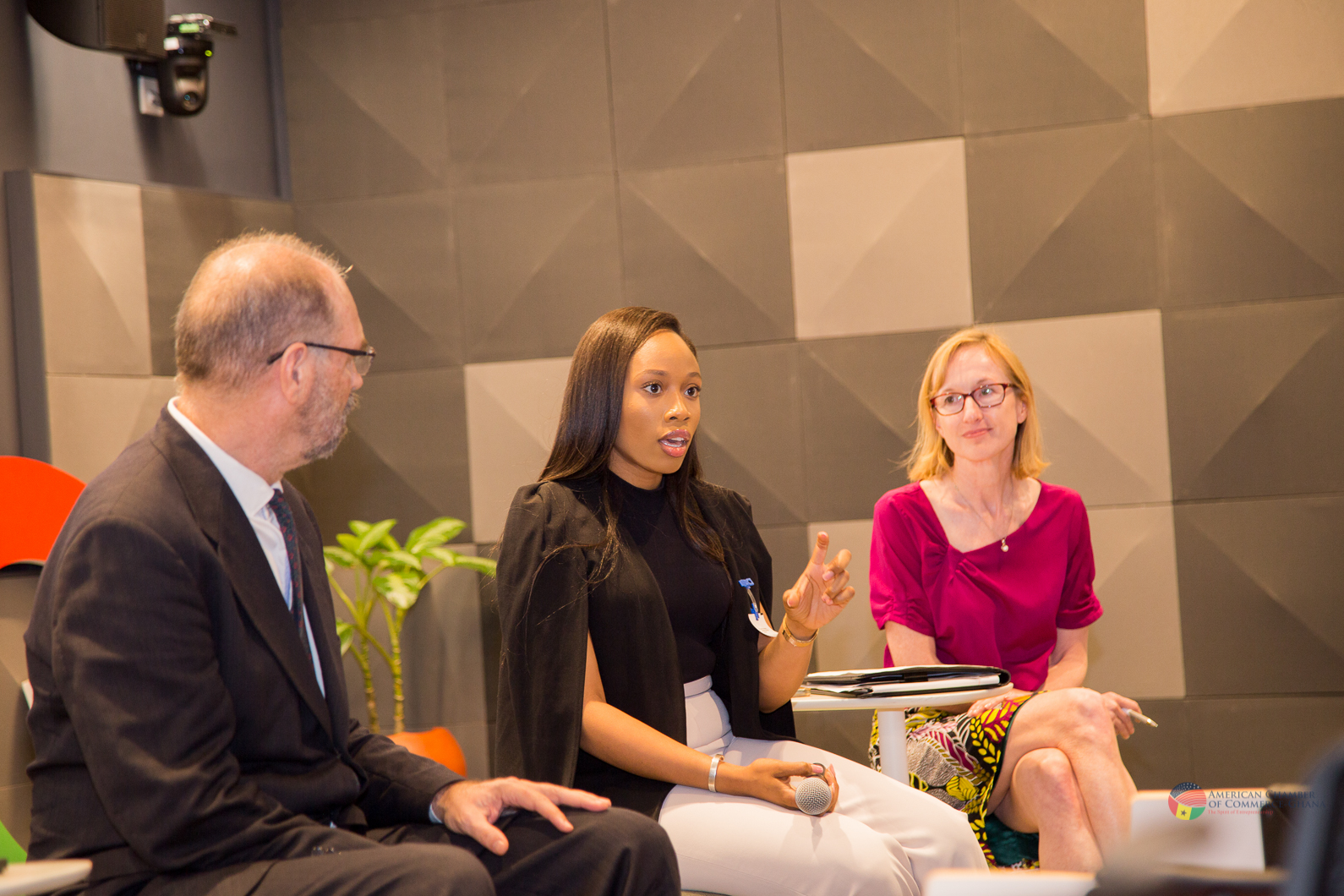
Jason Hickey, Senior Research Scientist at Google DeepMind, traced the history of AI from regression models to today’s large language models (LLMs), helping participants contextualize how far the technology has come and where it is headed. Perry Nelson, Country Lead at Google, then led participants through live demonstrations of Gemini for Work and Notebook LLM, showcasing practical applications to boost workplace productivity and collaboration.
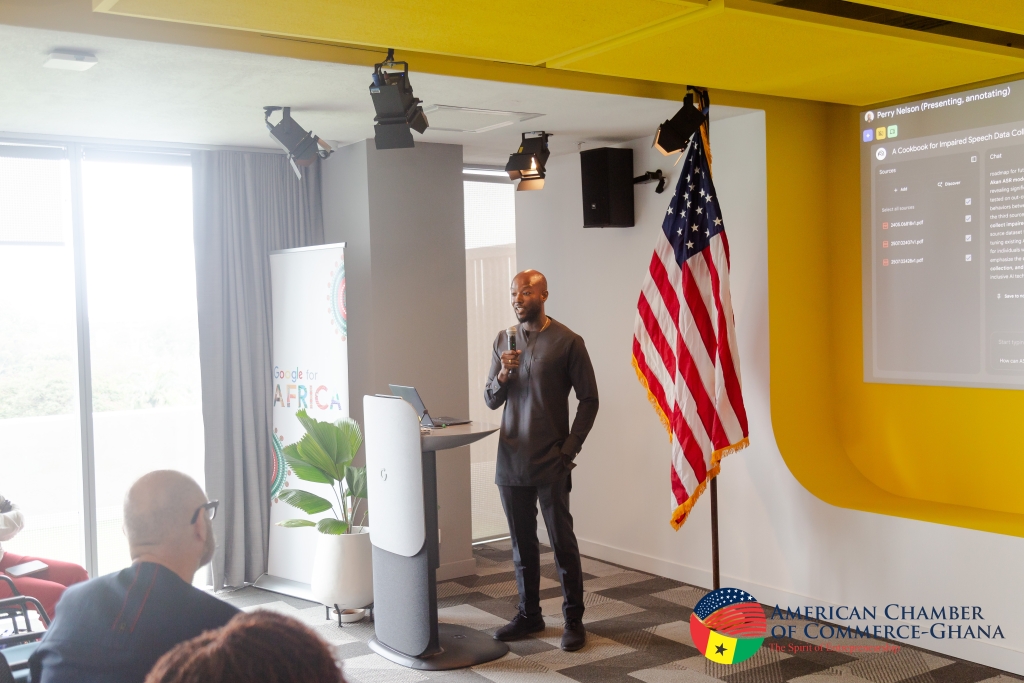
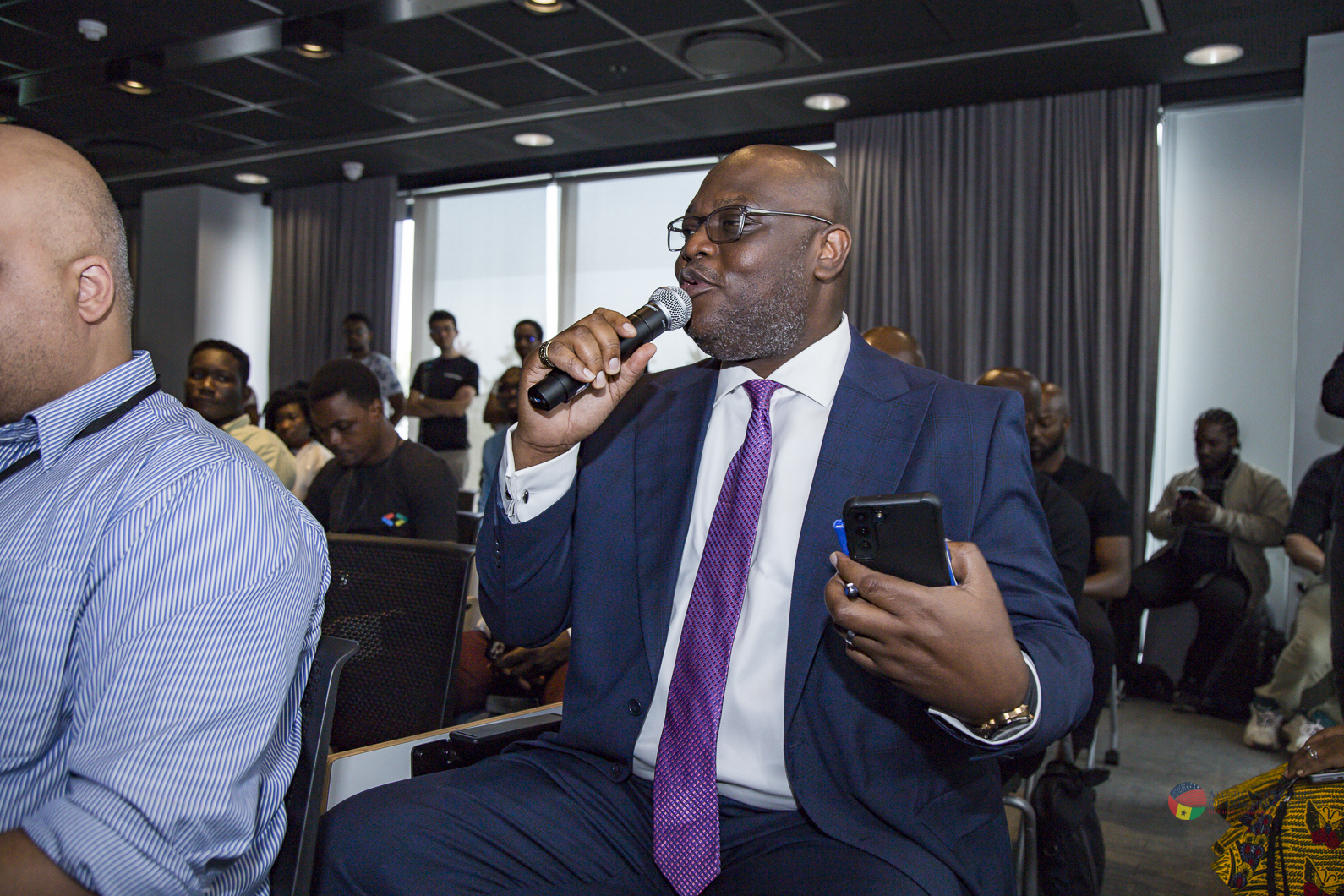
Conversations throughout the event focused on the ethical use of AI, the risks of generated content, and practical strategies to ensure accountability and trust in business applications. Participants also raised thought-provoking questions on how AI can support knowledge preservation, creativity, and industry-specific innovation, highlighting both opportunities and challenges.


The program concluded with networking and refreshments, providing a platform for collaboration and exchange among stakeholders committed to shaping Ghana’s digital and business future responsibly.

Google Launches AI Community Center in Ghana With $37M Investment, Deepening U.S.–Africa Tech Collaboration

Accra, Ghana — In a major step toward advancing Africa’s role in global AI development, American technology giant Google has launched its AI Community Center in Accra, backed by a $37 million commitment to support artificial intelligence innovation across the continent.

The initiative is designed to accelerate local research, empower startups in sectors such as healthcare and education, and enable projects focused on crop monitoring and the adaptation of AI tools for African languages. The center will serve as a collaborative hub for developers, researchers, entrepreneurs, and policymakers working to shape Africa’s digital future.

To mark this milestone, Ghana’s Minister for Communication, Digital Technology & Innovation, Hon. Sam George, and U.S. Chargé d’Affaires Rolf Olson joined Google leadership in a launch ceremony in Accra.

“This launch is a powerful example of U.S.–Africa partnership in action,” said Olson. “The United States government is committed to working with trusted industry leaders to deliver secure, full-stack AI solutions—including hardware, models, software, applications, and standards—to our allies around the world.”

The U.S. Embassy in Ghana applauds this investment as a strong testament to the potential of public-private partnerships in driving inclusive, tech-driven growth across Africa.

Google Is Leveraging The Power Of Artificial Intelligence (AI) To Tackle Pressing Issues In Africa

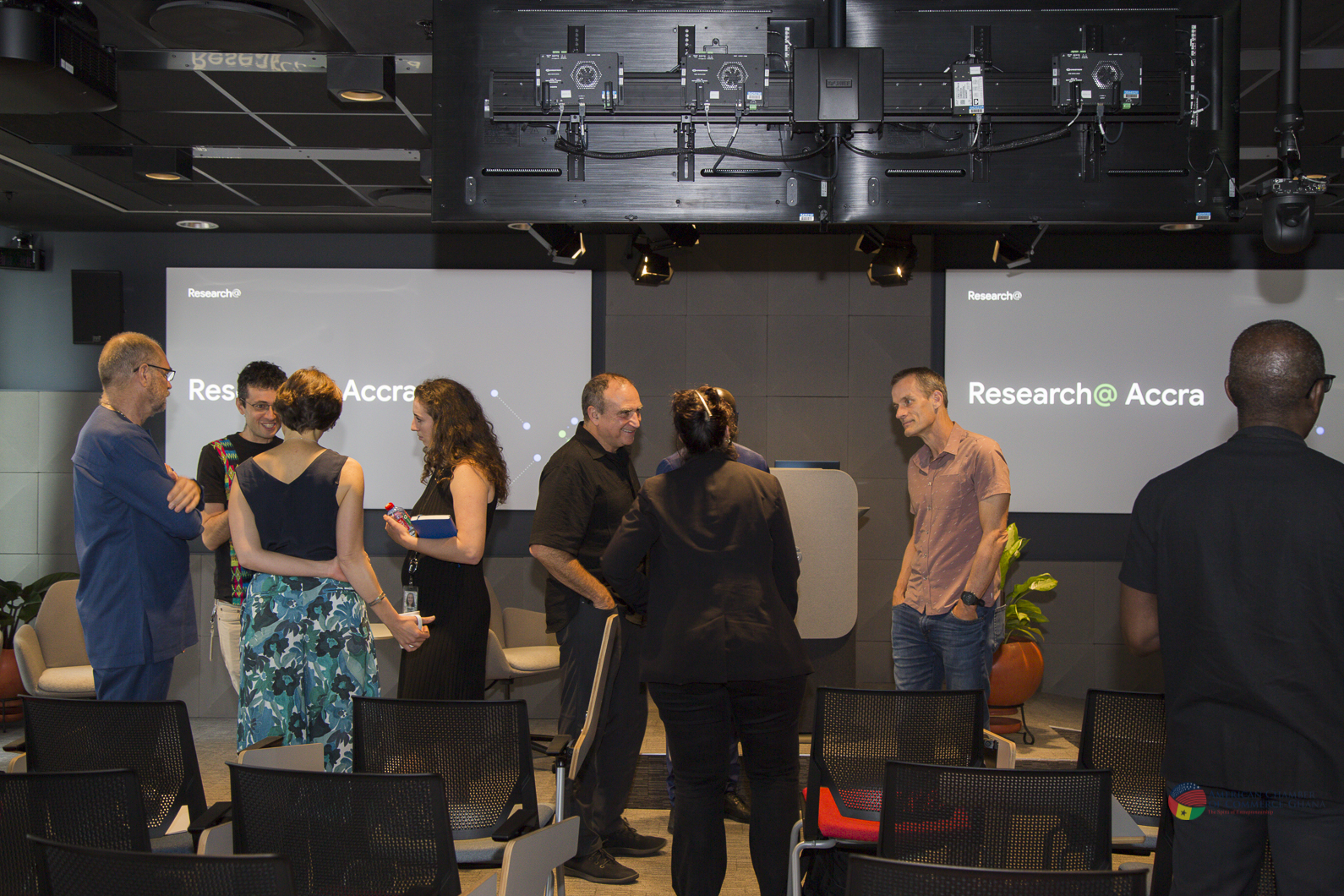
Google, on Thursday, September 7, 2023,  hosted the Research @ Accra event at the company’s AI research lab in Accra to discuss the future of artificial intelligence in Africa and highlight the various advancements achieved in the areas of navigation, language, weather forecast, flood control, and food security on the continent.

Since opening the company’s research center in Accra in 2018, they have collaborated with global research teams to lead multiple sustainability initiatives of interest to Africa.

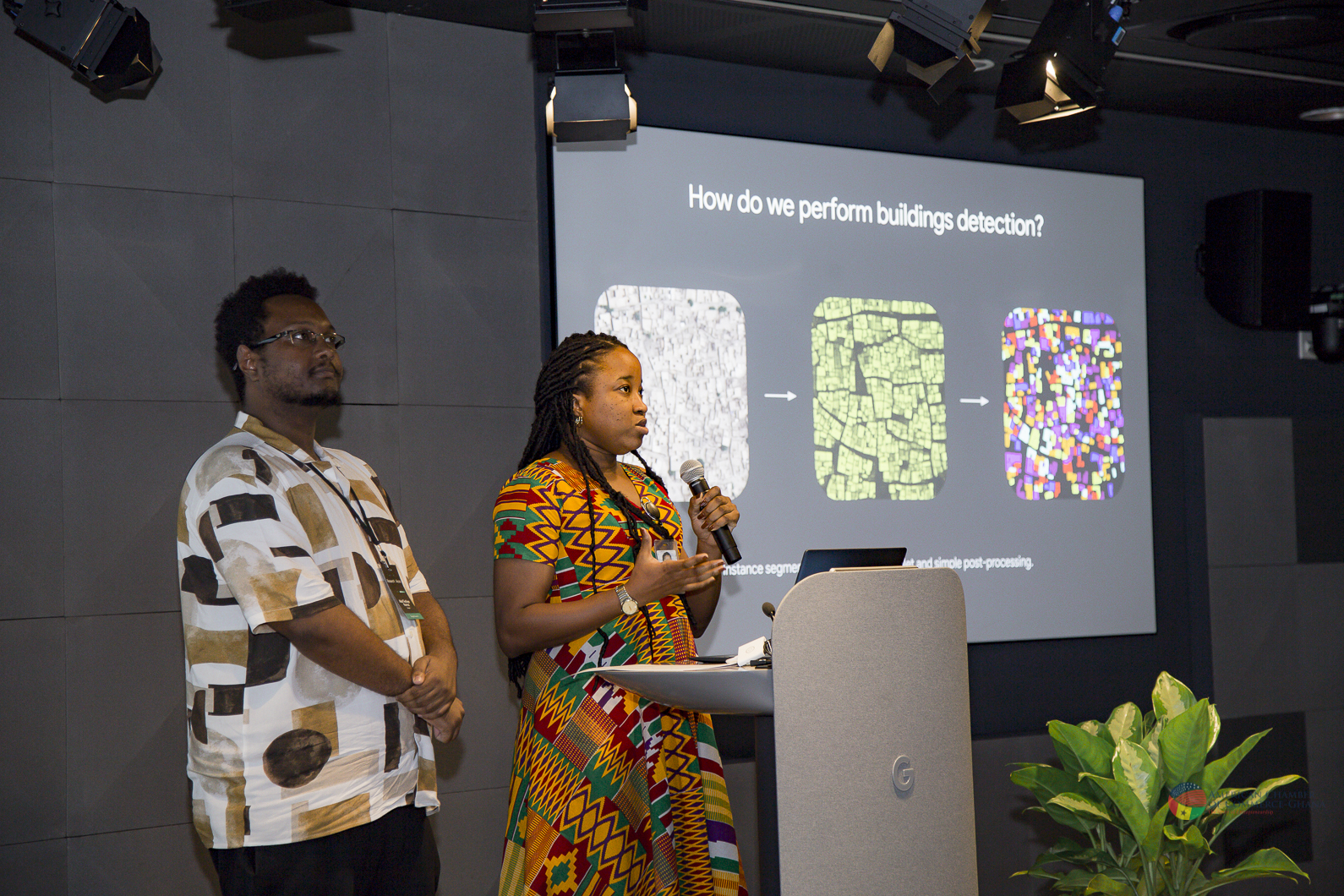
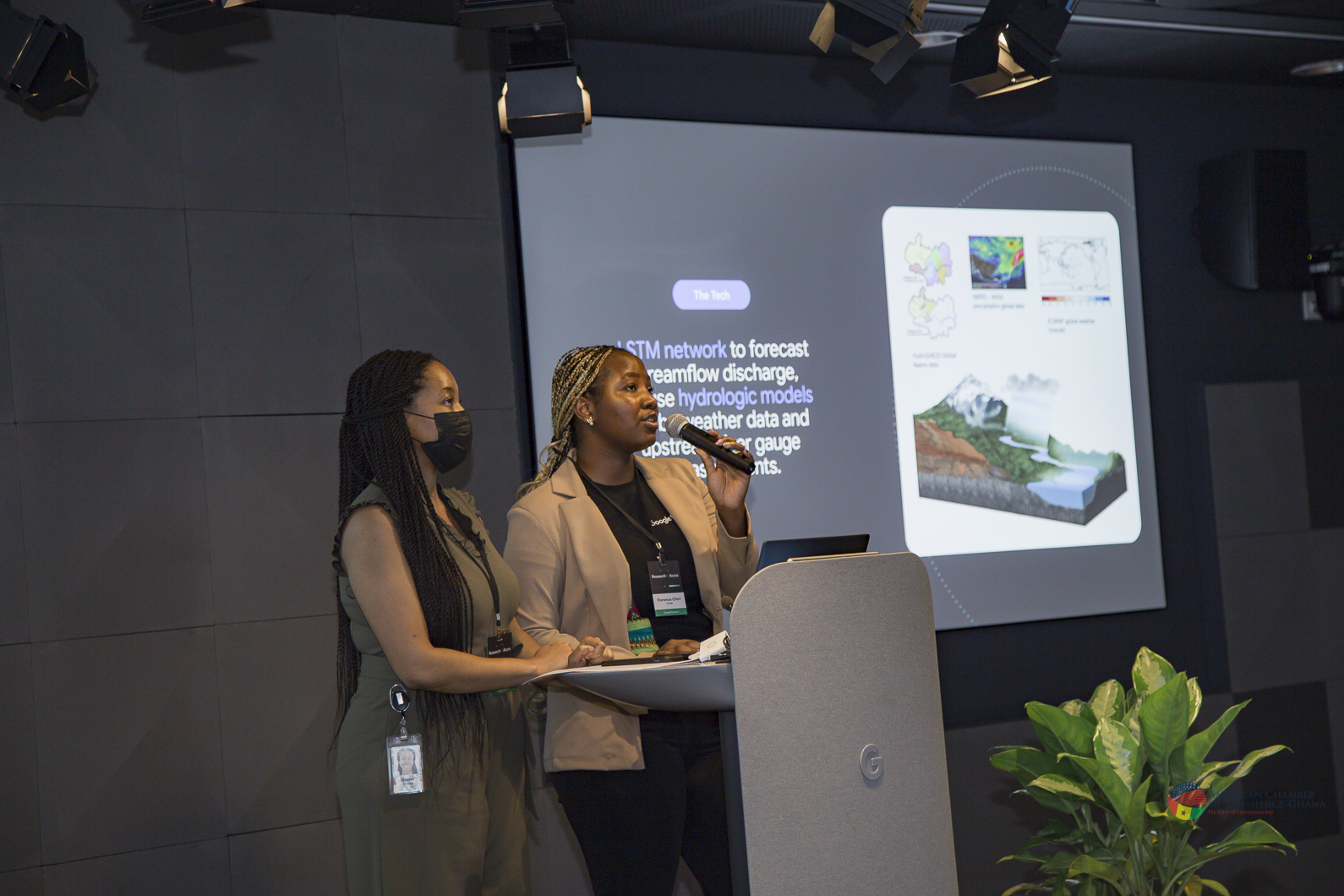
The event featured presentations and demos of Google’s works in Flood Forecasting, Project Relate, Maternal Health Ultrasound, and Open Buildings. Google said the center in Africa aims to push the boundaries of AI while solving pressing problems affecting millions of people locally and globally.

Africa is the most linguistically diverse continent, and Google believes there are big opportunities to explore the various African languages through AI. The company, through its Waxal system, is creating  Natural Language Processing (NLP) resources using crowdsourced speech and text data of diverse African languages and using it to research novel architectures and deep learning algorithms for multilingual NLP systems (Speech, NMT, Q&A, LM, etc.) that are robust to variations in accents, code-switching, and targeted at low-end mobile devices. They believe Waxal will make NLP systems more inclusive while advancing the state of the art in deep learning for NLP and machine learning under severe memory/computing constraints.

Mapping buildings in remote locations can be challenging, even in the presence of satellite imagery. As a result, planning infrastructure can be difficult when these buildings go unmapped.

To tackle the issue, the team at the Accra research center launched the Open Buildings dataset project, which combines AI with satellite imagery to pinpoint the location of buildings. This helps governments and non-profit organizations to understand the needs of residents and offer assistance.

The company’s executives also encourage regulators and policymakers on the continent not to focus on controlling AI but also to seek a better understanding of the technology to make policies that won’t chamber progress but encourage its development to ensure advancement in healthcare, education, and agriculture.


AmCham Ghana And U.S. Embassy Engage Stakeholders On AI Opportunities For Innovation

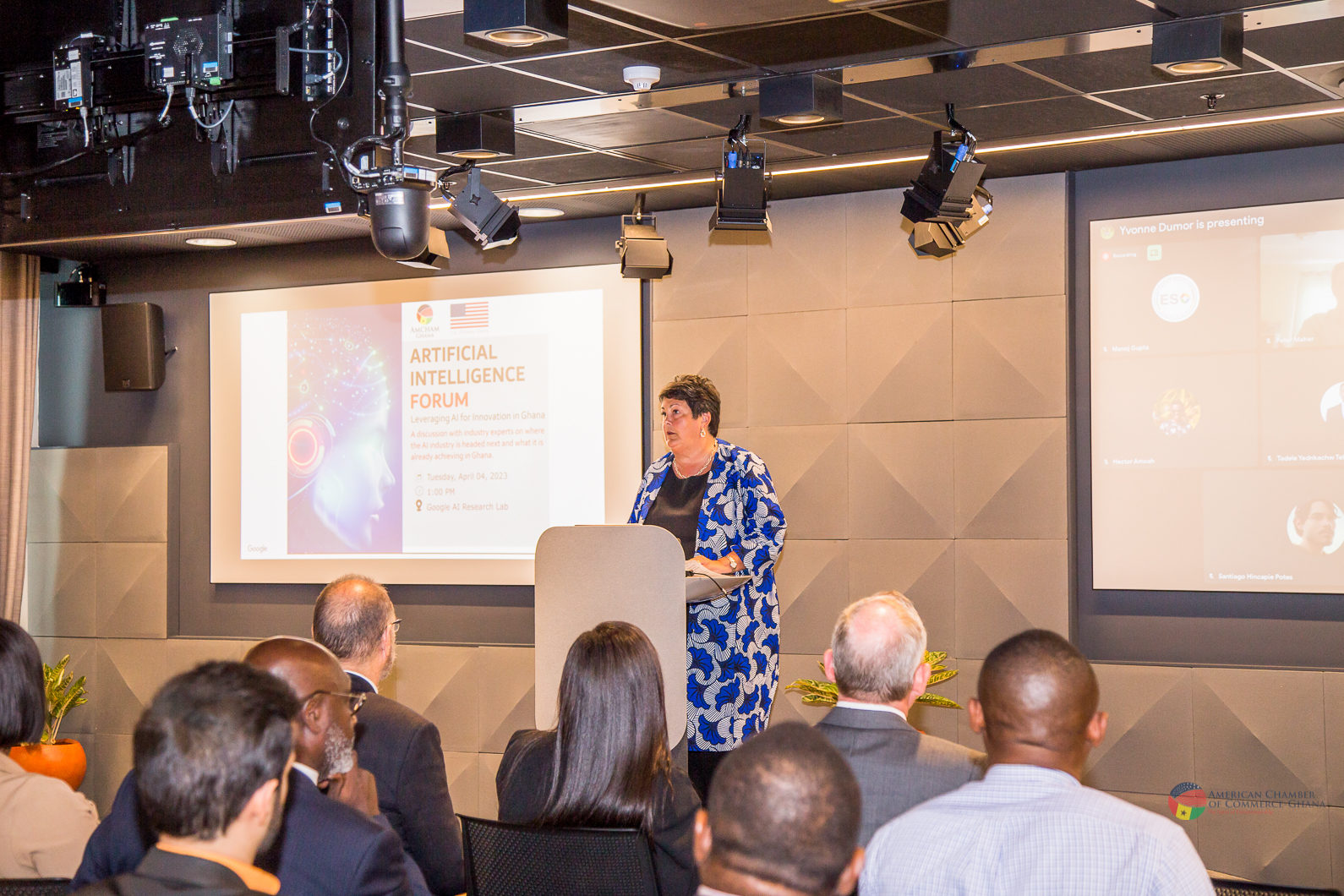
The American Chamber of Commerce, Ghana, and the U.S. Embassy in Ghana on Tuesday, April 4, 2023, jointly hosted the AI Forum on “Leveraging Artificial Intelligence for Innovation” at the Google AI Research Center in Accra.

The event focused on developments in industry, research, and policy related to artificial intelligence.

More than 40 local and international ICT companies, including AmCham Ghana member companies, startups, incubators, academic experts, industry representatives from agriculture, food processing, and manufacturing, as well as graduate students in computer science, NGOs, and civil society representatives, attended the event.

Officials from the Office of the President of Ghana and the National Data Commission were also in attendance.

“U.S. companies and organizations, like those represented here today, are at the forefront of this technology. The responsible use of these technologies has the potential to transform our economy and drive Ghana’s digital transformation,” said U.S. Ambassador Palmer.

The Ambassador highlighted AI tools being deployed around the world to enhance capacities and improve efficiencies in nearly all industry and social sectors, from health to transportation to agriculture and food security.

The United States Government is working to build partnerships connected by shared values and a shared commitment to the responsible use of AI.

Dr. Jason Hickey, Head of Google’s AI Research Center, highlighted Google’s research activities, many of which involve local researchers who are developing AI solutions for use within Ghana and the wider African continent.

Ludwika Alvarez, Digital Team Leader for AI at the U.S. Department of Commerce, provided an overview of fast-moving investment and expansion efforts in the AI industry in the United States.

Fatima Tajambang of the U.S. company Nvidia explained how the company is providing Ghanaian ICT communities with mentoring and computing resources so that aspiring local developers can build and scale their AI expertise, nurture emerging technologies and drive innovation.

Dr. Daphne Stavroula Zois from the University of Albany (New York) detailed her research on AI applications for use in Ghana’s agricultural sector.

Darlington Akogo from KaroAgroAI, which is partially funded by several American foundations, spoke about his active work using AI to diagnose plant diseases and provide solutions for Ghana’s farmers.

Dr. Peter Maher from Webster University in St. Louis, Missouri, highlighted how U.S. education is responding to the AI sector’s fast growth, including developing specialized curricula to train the researchers and workers who will work with the technology in a wide range of disciplines.

For more information on the United States National Artificial Intelligence Strategy, see www.ai.gov.

[unitegallery AIFORUM]


Google Joins AmCham Ghana

The American Chamber of Commerce, Ghana, is pleased to announce Google as our new Platinum Member.

Google is an American multinational technology company specializing in Internet-related services and products, including online advertising technologies, a search engine, cloud computing, software, and hardware.

Google is Alphabet’s largest subsidiary and is a holding company for Alphabet’s Internet properties and interests.

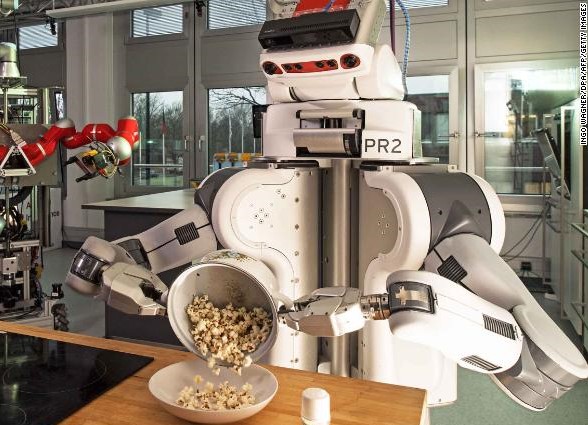
A robot pours popcorn from a cooking pot into a bowl on March 8, 2017 at the Institute for Artificial Intelligence (AI) of the university of Bremen, northwestern Germany.
Scientists of the institute work among others on “AI-based control methods for robotic agents, performing human-scale everyday manipulation-task”, and investigate “computing systems that assist humans at home, at work and during leisure activities”. / AFP PHOTO / dpa / Ingo Wagner / Germany OUT (Photo credit should read INGO WAGNER/AFP/Getty Images)

They offer services designed for work and productivity (Google DocsGoogle Sheets, and Google Slides), email (Gmail), scheduling and time management (Google Calendar), cloud storage (Google Drive), instant messaging, and video chat (Google DuoGoogle Chat, and Google Meet), language translation (Google Translate), mapping and navigation (Google MapsWazeGoogle Earth, and Street View), podcast hosting (Google Podcasts), video sharing (YouTube), blog publishing (Blogger), note-taking (Google Keep and Jamboard), and photo organizing and editing (Google Photos).

Google has moved increasingly into hardware; from 2010 to 2015, it partnered with major electronics manufacturers to produce its Google Nexus devices. It released multiple hardware products in 2016, including the Google Pixel line of smartphones, Google Home smart speaker, Google Wifi mesh wireless router. Google has also experimented with becoming an Internet carrier (Google Fiber and Google Fi).

Google in 2019 opened its first Africa Artificial Intelligence lab in Ghana to provide developers with the necessary research needed to build products that can solve problems that Africa faces today.

The center also focuses on enhancing Google Translate’s ability to capture African languages more precisely, with Cisse saying a continent with more than 2000 dialects deserves to be better served.