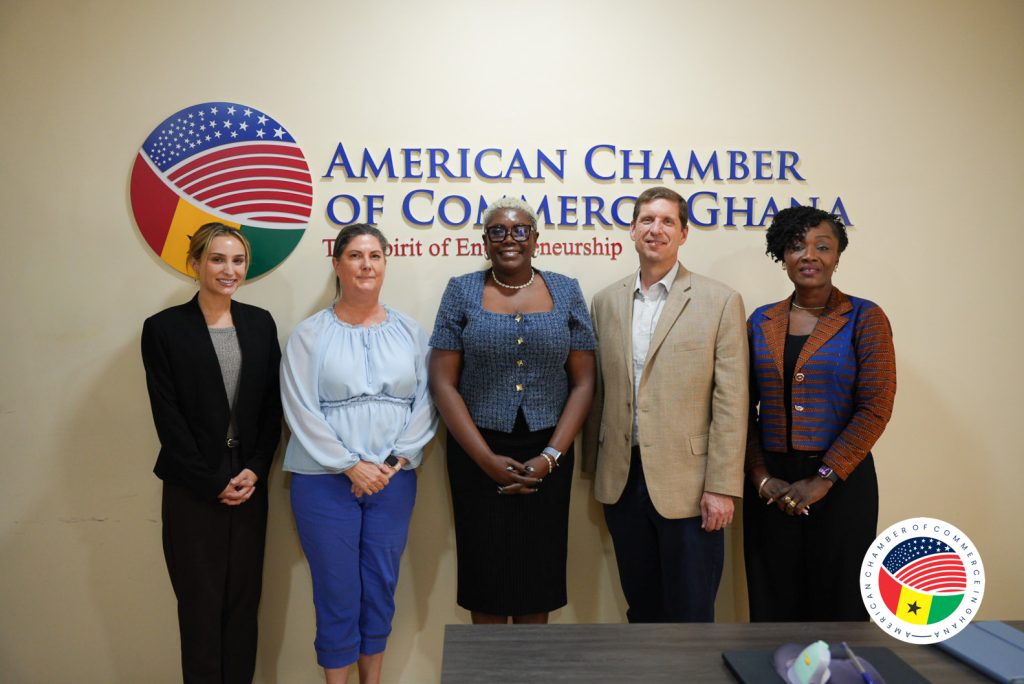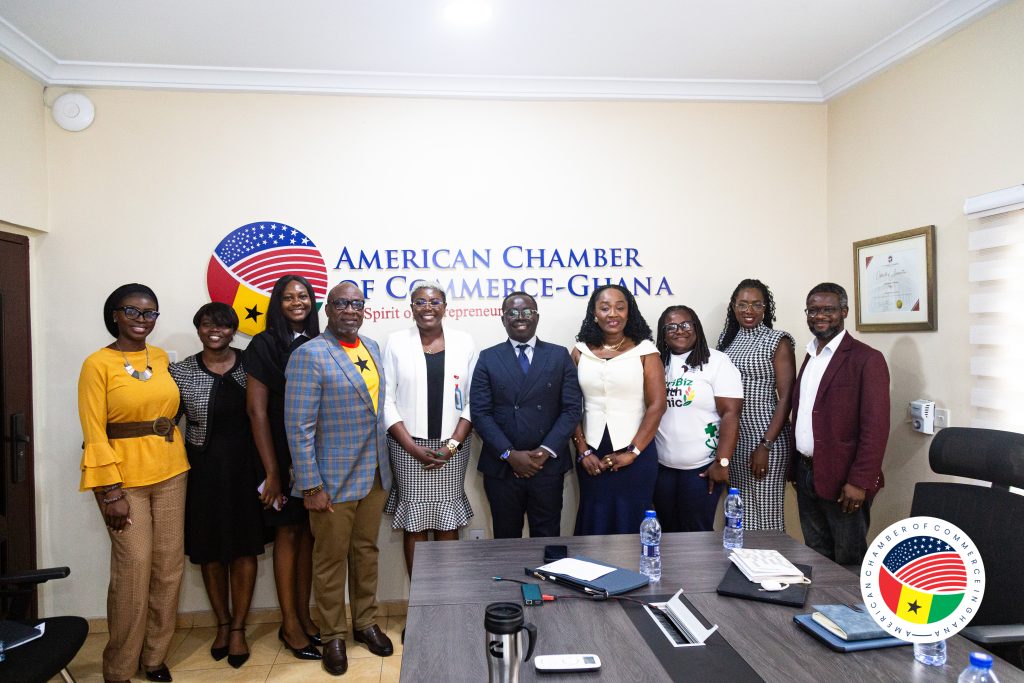

The American Chamber of Commerce Ghana’s Legal, Policy and Governance Committee convened on 23 June 2026 at the AmCham Ghana Secretariat, bringing together legal practitioners, policy experts, business leaders, and government affairs professionals to examine the regulatory and legislative developments most relevant to Ghana’s business environment. The meeting was chaired by Augustine Kidisil, Managing Partner at Templars Ghana, one of Ghana’s leading commercial law firms, whose leadership brought a sharp legal and policy lens to the discussions. The session took place at a moment when Ghana’s legislative calendar is particularly active, with several consequential bills moving through the pipeline across digital governance, labour regulation, investment policy, and trade facilitation. The committee reaffirmed its commitment to serving as a credible and proactive voice for the private sector, with members agreeing that effective advocacy means engaging policymakers early in the legislative process rather than responding after decisions have already been made.
A significant portion of the discussion focused on Ghana’s emerging digital policy landscape, particularly proposed legislation governing artificial intelligence, data transfers, and emerging technologies more broadly. Members expressed concern that overlapping regulatory mandates and multiple approval requirements across institutions could increase compliance costs and create the kind of uncertainty that discourages technology-driven investment, sitting in direct tension with Ghana’s ambition to become a regional innovation hub. The committee also discussed labour regulation reforms, stressing that any new legislative framework must reflect the realities of modern business practices, including evolving workforce models and the growing role of digital and remote work arrangements. In both areas, members identified the need to obtain and review draft bills early so that the private sector’s experience and concerns can be incorporated before policies are finalised.
On trade and investment, the committee examined Ghana’s obligations and opportunities under the African Continental Free Trade Area agreement and the African Growth and Opportunity Act, both of which are at important inflection points. While AfCFTA holds significant promise for regional integration, members pointed to persistent barriers including high logistics costs, limited trade facilitation, and insufficient awareness of market access opportunities as challenges that continue to hold back intra-African commerce. Discussions also touched on the balance between local content objectives and maintaining Ghana’s attractiveness to foreign investors, with members noting that transparency, consistency, and predictability in policy implementation are as important as the policies themselves. Ease of doing business, including efficient dispute resolution, predictable tax administration, and better coordination among regulatory institutions, was identified as a priority theme that cuts across all of these areas.
Looking ahead, the committee outlined a series of priority engagements for the coming months with institutions including the Ghana Revenue Authority, the Office of the Registrar of Companies, the Judiciary, and other regulatory bodies whose decisions directly affect business operations. Members agreed that the strongest advocacy positions are those grounded in documented member experience and credible sector data, and the committee encouraged companies to share their encounters with regulatory and compliance challenges so that these can inform the Chamber’s submissions and stakeholder engagements. Through consistent dialogue with policymakers and regulators, the Legal, Policy and Governance Committee will continue working to ensure that Ghana’s regulatory environment keeps pace with its economic ambitions, and that the voice of the private sector contributes meaningfully to shaping the policy decisions that determine whether those ambitions are realised.
AmCham Ghana Legal, Policy and Governance Committee
AmCham Ghana Communications Office
www.amchamghana.org
 By By Albert Ludwig Botchway, AmCham Communications