AmCham Ghana Hosts USTDA Regional Director For A Business Breakfast

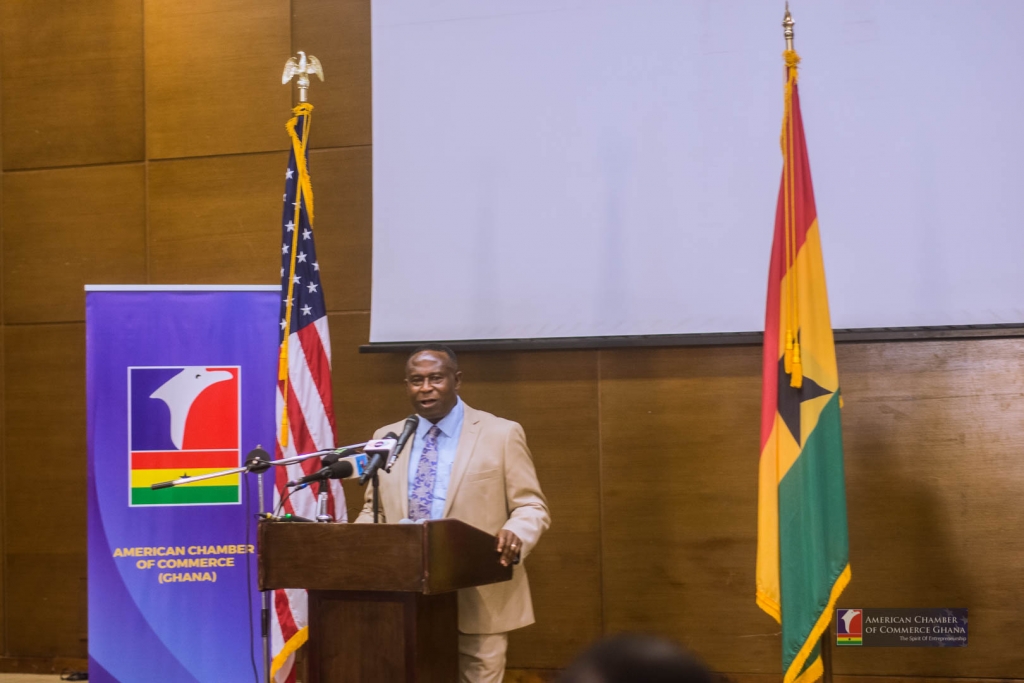
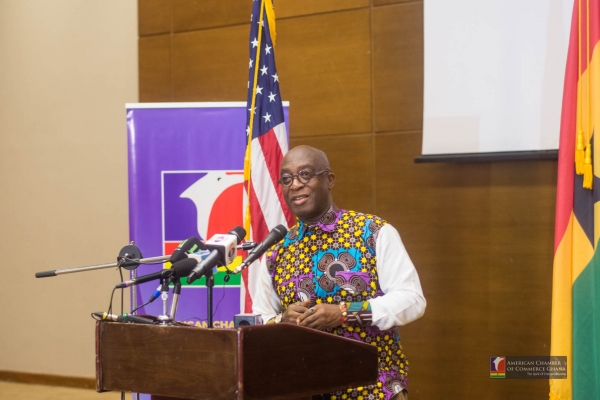
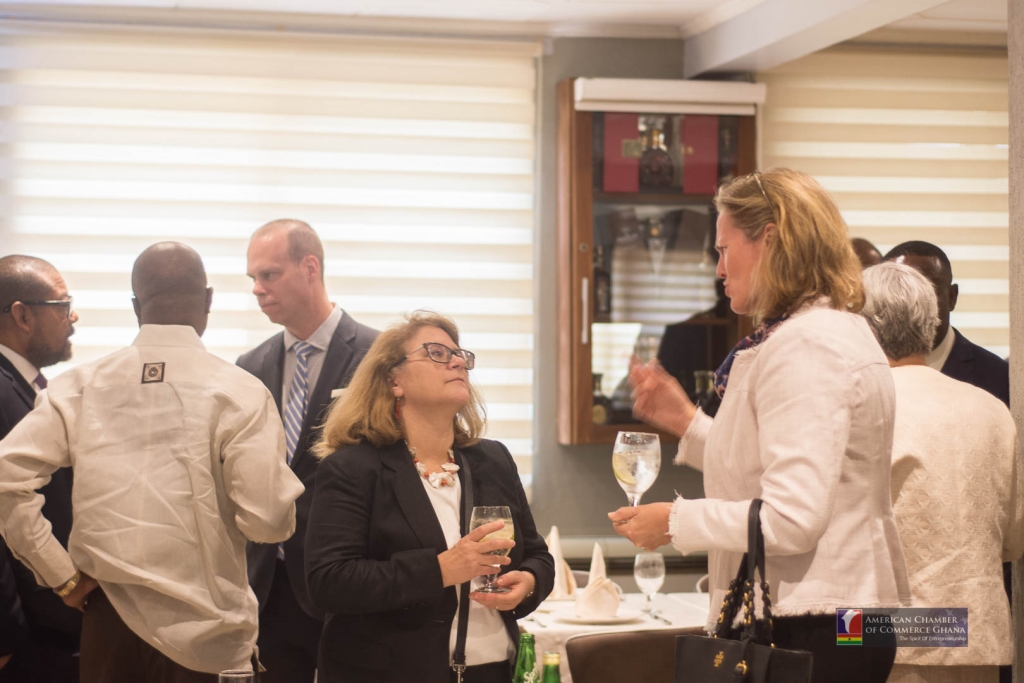
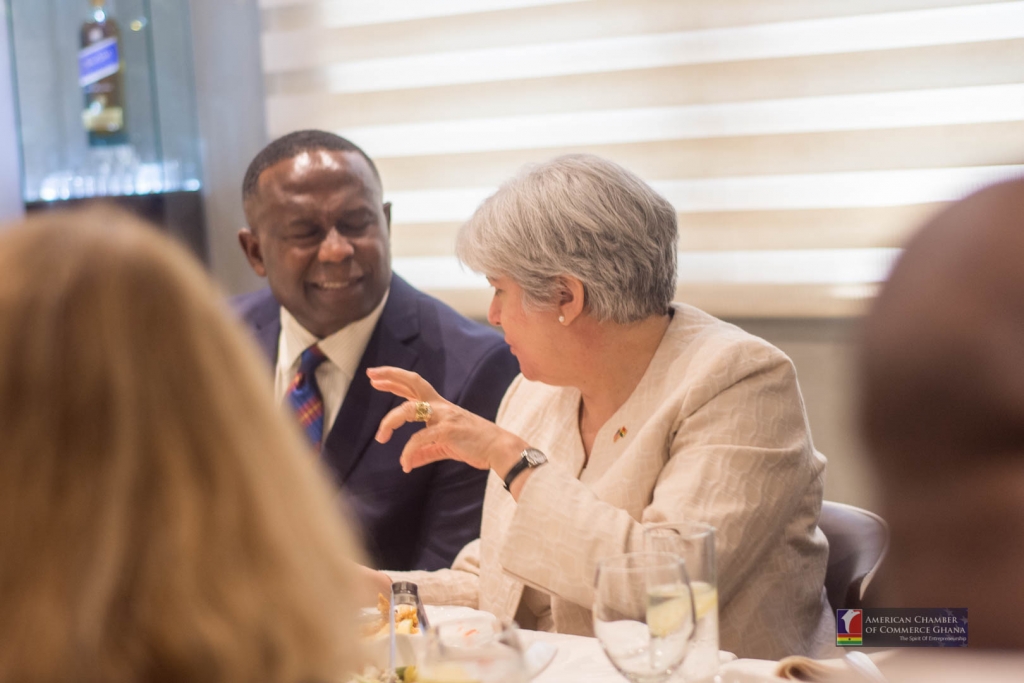
The American Chamber of Commerce, Ghana, on Friday, 5th April 2019, hosted Heather Lanigan, USTDA Regional Director for Sub-Saharan Africa for a business breakfast meeting at the residence of the U.S. Ambassador to Ghana.

HE Stephanie S. Sullivan, United States Ambassador to Ghana, commended the leadership of AmCham Ghana for a vibrant chamber and the positive relationship between Ghana and the United States, adding that the United States shares Amcham Ghana’s goals to contribute positively to the overall economic stability in Ghana to help U.S businesses prosper and grow, to increase job opportunities and to encourage and promote Ghana’s private enterprise system.

Ambassador Sullivan gave a brief overview of the work of USTDA, noting the organization provides grants for project preparatory activities that cover economic, environmental and financial analysis for public or private sector infrastructure projects in middle or low-income countries around the world as part of USTDA’s core mission of facilitating the development of sustainable infrastructure projects and supporting the use of U.S. equipment and services. She urged members of the Chamber to take advantage of USTDA’s assistance and stated that the USTDA is not just a trade and development agency but an organization involved in transforming dreams into actions.

Mr. Joe Mensah, President of AmCham Ghana, highlighted the importance of infrastructure development and emphasized the need for Ghana to improve the business environment to attract more investments.

Heather Lanigan, USTDA Regional Director for sub-Saharan Africa stated the USTDA works alongside U.S. private sector to support the development of infrastructure in emerging economies around the world in energy, transportation, ICT, telecommunications and in some countries agribusiness to spur economic growth in partner countries and also present great opportunities for U.S companies.

Ms. Lanigan indicated that USTDA funds project preparation activities such as large scale feasibility and technical studies; and pilot projects. In addition, USTDA provides training grants to U.S. companies as well as hosts events and activities -such as the Reverse Trade Missions among others – that bring together key stakeholders from the private and public sector around the world.

She highlighted the impressive rate of return on projects supported by USTDA and noted sub-Saharan Africa, which is the region with the highest potential for infrastructure growth and strong partnerships, as also the largest region for USTDA investments. Ms. Lanigan noted that USTDA has a large variety of projects in Ghana within the aviation and energy sectors and is willing to support the development of other projects in the country.

USTDA’s priority sectors, funding criteria, project preparatory tools (feasibility Studies, pilot projects, and training grants), convening tools (Reverse Trade Missions and Technical Assistance) as well as USTDA’s past and current projects in Ghana were presented by Clare Sierawski, Power Africa Country Manager, West Africa and Shannon Roe, Country Manager, West Africa Region.

[unitegallery AmChamUSTDA_BF2019]

AMCHAM-GARIA Symposium with Ghana’s Speaker of Parliament

On 25th March 2019, the American Chamber of Commerce, Ghana (AMCHAM) and the Ghana Association of Restructuring and Insolvency Advisors (GARIA) organized a symposium with the Speaker of Ghana’s Parliament, Professor Aaron Michael Oquaye at the La Palm Royal Beach Hotel in Accra. The symposium was on the theme “Improving the Current Legal Framework to Enhance the Ease of Doing Business” which aimed at fostering public dialogue on the new Companies Bill which is currently before Parliament. The symposium had in attendance the Majority Leader of Parliament, Hon. Osei Kyei-Mensa-Bonsu;  Minority Leader of Parliament, Hon. Haruna Iddrisu; former Supreme Court Judge, Justice S. K. Date-Bah; President of AMCHAM, Mr. Joe Mensah; and the President of GARIA, Mr. Felix Addo.

Opening Remarks by Mr. Joe Mensah, President, AMCHAM

In his opening remarks, Mr. Joe Mensah highlighted the contribution of American companies to the various sectors of the Ghanaian economy such as agriculture, technology, and employment among others. According to him, a study conducted by PricewaterhouseCoopers (PwC) in 2015 revealed that American companies in Ghana had invested about $13 billion in the Ghanaian economy and about $300 million on corporate social responsibility (CSR) programmes.

He, however, bemoaned Ghana’s 10th place ranking on the Rand Merchant Bank’s “Where to Invest in Africa Report” and stressed the need for collaboration between Parliament and the business community to create a conducive environment to enhance the ease of doing business as well as attract Ghanaians in the diaspora to invest in the country.

Address on Existing Company Legislation by Justice S. K. Date-Bah

Justice S. K. Date-Bah, who chaired the symposium, gave a historical overview of company legislation in Ghana from pre-independence to the enactment of the 1963 Companies Code drafted by Professor Gower and the recent Business Law Reforms which started in 2008 to review and amend the 1963 Companies Code.

According to Prof. Date-Bah, Ghana’s new Companies’ Bill remains predominantly Gower’s original Act but new concepts have been introduced. The new concepts include: simplifying the registration of companies, complete abrogation of the doctrine of ultra vires, special resolutions in major transactions, buy‐out for dissenting shareholders, enabling of electronic mode of exercising powers, the use of updated accounting terminologies (such as financial statements), the implementation of the office of the Registrar of Companies and the need for the office of the Registrar of Companies to monitor the Companies law and make proposals to government for reforms when necessary.

He concluded that the enactment of the Companies bill in 2019 will help ease and simplify the process of doing business as well as become an important step in restructuring Ghana’s legal regime for business growth and development.

Address on Corporate Insolvency Bill by Mr. Felix Addo, President, GARIA

Mr. Felix Addo provided an overview of the new Corporate Insolvency Bill which is part of the Business Law Reform Committee’s work in 2008 that is currently before Parliament. Mr. Addo stated that under the proposed Insolvency Bill, a Division of Insolvency which will handle all issues related to insolvency and restructuring will be created under the Office of the Autonomous Registrar.

Also, according to Mr. Addo, the new Insolvency Bill makes provision for restructuring or administration (where a distressed company can be restructured under Chapter 11 of the Bankruptcy Code: thus a rescue culture for distressed companies in the country), post-commencement financing for distressed companies, a stay of trading imposed on insolvent companies that are ready to start administrative processes, cross border transactions and a regulatory regime for insolvency practitioners.

Remarks by the Minority Leader of Parliament, Hon. Haruna Idrissu

The Minority Leader, Hon. Haruna Idrissu remarked that the revised Companies Bill is an important document since it impacts on the ease of doing business in the country and assured the business community of the full support of the Parliament of Ghana to pass the bill into law to make Ghana a better place to do business.

On the ease of doing business, he noted that the country needs to improve as in some instances the country’s respectability and enforcement of contracts suffer during political transitions. He also stressed the need for the Customs Division of the Ghana Revenue Authority to work 24 hours, as well as the need for every government institution to create an enabling environment for the private sector in order to enhance the ease of doing business in the country.

He lamented the high transaction cost -including taxation- and the time of doing business in Ghana. He also noted that insolvency legislation would have been timely in the wake of the country’s banking crisis to help secure, protect and allow the survival of financial institutions.

He concluded that the country needed to address two key issues: first is the synergy between the Registrar General, the Minister of Finance and taxation as well as the extent to which the government gets its due from corporate entities; second is the need to clearly define the individuals behind corporate entities in order to deepen transparency and accountability to help combat corruption. This is because there are instances where corporate entities register in tax havens and due to privity of contracts, these companies are not identified yet they benefit unknown persons.

Remarks by the Majority Leader of Parliament, Hon. Osei Kyei-Mensah-Bonsu

Hon. Osei Kyei-Mensah-Bonsu in his address stated that the business environment in developing countries is often challenged with non-transparent, time consuming and costly bureaucratic procedures, outdated laws and regulations for business transaction, inconsistent legal frameworks, unstable and unpredictable weak infrastructure and policy as well as high levels of corruption which increase the cost of doing business and subsequently affects enterprise development, economic growth, employment and poverty reduction efforts.

He noted that in order to improve the business environment in the country, it is necessary to improve infrastructure and the legal and fiscal regimes. Concerning infrastructure, he mentioned that it is important to improve critical factors such as the road networks, rail network, the cost of delivering electricity to businesses, water, telephone, and efficient ports, and import duties. He expressed concerns about Ghana’s high import duties which does not encourage businesses noting that over the past five years the country’s port activities have only increased by 4% whereas activities in the port of Lome in Togo has increased by 300%.

About the legal regime, he noted that a number of amendments (about 520) have been proposed concerning the new Companies’ Bill and Parliament will work to facilitate the passing of the bill.  He also mentioned that Parliament is working on a number of bills such as the Right to Information Bill (RTI), the Procurement Act, Public Financial Management Act, Electronic Business Transaction Act, and Electronic Payment Systems Act.

According to him, the country’s fiscal regime – GDP growth rate, exchange rate, inflation and interest rate among others- is in good shape but needs to be improved in order to attract investments.

He concluded by emphasizing the need for the country to strengthen security, increase the fight against corruption, revise tax laws and collaborate with the business community to protect businesses and create an enabling environment for businesses to thrive.

Remarks by Ghana’s Speaker Parliament, Professor Aaron Michael Oquaye

The Speaker of Parliament, Professor Aaron Michael Oquaye, the keynote speaker for the event, expressed his displeasure at the corrupt practices of some businesses and the recent crisis in the country’s banking sector and called for the establishment of systems and proper accounting practices as well as strong laws to regulate companies in the country. According to the Speaker, the ease of doing business is often associated with the simplicity of doing business without the necessary checks and balances being in place. He, therefore, called on all stakeholders to ensure that businesses are conducted the right way.

With regards to the new Companies Bill, he stated that although there have been a number of suggestions from stakeholders, Parliament would welcome the suggestions of the business community. He noted that Ghana has made progress in terms of dialogue between government agencies, stakeholders and the business community but the politicization of issues in the country is a major problem. He, therefore, called for the establishment of independent institutions to select regulators in order to make the regulatory process completely independent from politics.

He concluded that the laws of the country need to be strengthened in order to curb the political, social, cultural and legal factors that hinder the successful operation of businesses.

[unitegallery symposium19]

AmCham Ghana Signs MoU With Young African Leaders Initiative

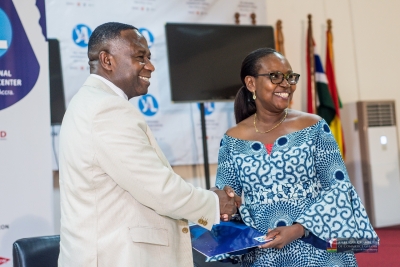
The American Chamber of Commerce, Ghana on Friday, March 22, 2019, signed a Memorandum of Understanding with the Young African Leaders Initiative (YALI) Accra Regional Leadership Center. The MoU was signed during the closing ceremony of YALI Cohort 13.

The MoU is to establish a framework for communication and collaboration between AmCham Ghana and YALI Accra RLC.

The two organizations are interested in sharing strengths and experience to promote and develop West Africa young businessmen/businesswomen’s entrepreneurial and leadership skills.

Young African Leaders Initiative (YALI) was launched by the United States government as a signature effort to invest in the next generation of African leaders, and this partnership with AmCham Ghana will further enhance YALI’s efforts in shaping the future of business and entrepreneurship, civic leadership, and public management.

The participation of the private sector in youth training is a key investment to build a more stable society with better citizens, better business leaders, and more responsible consumers. Under the terms of this MoU, AmCham Ghana will serve as a Resource Partner to YALI Accra RLC, through in-kind contributions, AmCham will offer speakers for training sessions in the RLC. The Chamber will also offer mentoring and internship opportunities for RLC participants.

Also, AmCham as a Driver of Sustainability will provide assistance in areas which will respond to and address developmental challenges in Africa.

The delivery of high-quality training will enable young people to engage more directly in the knowledge society and contribute to the competitiveness of the national economy, for this reason, AmCham Ghana is pleased to go into this partnership with YALI.


About AmCham Ghana

The American Chamber of Commerce (Ghana) is a voluntary association of professional and business people, working to create an environment where business can thrive between Ghanaian and American communities. AMCHAM exists to promote commercial, economic, educational and cultural ties between the United States of America and the Republic of Ghana.
Amcham is the first point of resort for sourcing business contacts for US Trade and Congressional delegations. Over the years, the Chamber has met with and briefed many Trade and Congressional delegations. Learn more…
About YALI

The Young African Leaders Initiative (YALI) was launched by the United States government as a signature effort to invest in the next generation of African leaders. The need to invest in grooming strong, results-oriented leaders comes out of the statistics: nearly 1 in 3 Africans are between the ages of 10 and 24, and approximately 60% of Africa’s total population is below the age of 35. Who will empower and lead these young Africans? Who will shape the future of business and entrepreneurship, civic leadership, and public management? In order to answer these questions, YALI promotes three models designed to identify and empower young leaders: the YALI Mandela Washington FellowshipYALI Network and now the establishment of Regional Leadership Centers across Africa.

Supporting this progress, the Accra Regional Leadership Centre (RLC), as part of the United States government initiative, Young African Leadership Initiative (YALI), will offer an innovative and game-changing leadership training program in Africa. The program will be hosted by Ghana Institute of Management and Public Administration (GIMPA), and the first cohort will walk through the doors on the 31st July 2014. Learn more…

[unitegallery AmchamYali]

2019 AmCham Ghana Energy Forum

On 8th March 2019, AmCham Ghana held its 2019 maiden Ghana Energy Forum on the theme: “Energy Sector Perspective: Vision and Strategies for a Sustainable Energy Sector in Ghana”  with the Hon. John Peter Amewu, Energy Minister as Guest Speaker. Hon. Vicky Bright, Managing Partner and Co-Founder, of law firm AddisonBrightSloane was the moderator.

Hon. Vicky Bright posed questions that had been collated from AmCham Members. The interview with the Minister of Energy has been transcribed for your reading.

Introduction

Vicky Bright (VB): Welcome Mr. Minister. We have a very exciting industry. Only last week we heard that PDS has finally taken over the operations and management of ECG. And of course, the expectation is that they will make ECG leaner and improve access to electricity in Ghana. I was reading that you (Minister of Energy and the President) have already told PDS that you’ll be watching them with a Hawk’s eye. Also in the oil and gas sector, Ghana has finally started its first licensing round.

Power Sector

Question (VB): Minister perhaps we could start with the power sector, could you please let us know the current status of the review of the power purchase agreement(PPA); whether that exercise is ongoing or completed and if it completed or when it is, what should companies expect after the whole review?

Answer –John Peter Amewu (JPA): Let me use this opportunity to thank the American Chamber of Commerce-the organizers of this platform for carving out such an educative program for public awareness creation and the benefit of our socio-economic development.

The Ministry of Energy as you are aware is an ongoing organization, which means that policies have been transformed from one point to another. Again, let me use this opportunity to thank my predecessors-past ministers of the Ministry for laying down some of the solid foundations especially Hon. Agyarko for what they have done and for which am also building on.

The agenda of this current government as you are all aware is 100% penetration of power and also the affordability of power across of the country. As I speak the penetration rate is in the range of about 83% and we still have a lot to do. You will recollect prior to the election of His Excellency Nana Akuffo Addo one of the key indicators and triggers for that election was as a result of the circumstances of the power sector. I always say that we came to power through power and as there was a lot of intermittent interruption of power supply across the country, stable power supply becomes very critical.

We took over with a lot of complexities; several PPAs had been signed. Currently, our peak demand is about 2600 megawatts and we have availability in terms of generation of almost close to 5000 megawatts. The PPAs were signed on the basis of ‘take or pay’ terms which means once the power has been produced if it is not harvested to the grid, it still has to be paid for. Ghana is currently paying between US$25m to US$30m dollars monthly as a result of excess capacity.

A government team which analyzed the power sector found that the number of PPAs signed outweighs the generation capacity needed. As I speak about 11 PPAs have been put on hold for termination within the framework of the 2600 megawatts generation capacity. By 2022-2023, the government expects power demand to increase between 12- 15% and so PPAs have been deferred to that period.

The cost of excess capacity by 2020 is expected to go up to US$403m and by 2021 will be US493m which represented high excess capacity charges which are worrying. As you are aware most of the previous PPAs were signed through negotiations which did not bring cost-value reconciliation compared to the international market and resulted in high and excess capacity charges.

VB: We understand there will be no more PPAs signed by the Ministry except for renewables?

JPA: Correct. But even PPAs for renewables is still questionable because if you bring on board a 50 megawatts renewable plant, it means you have to retire a 50 megawatts conventional power plant for which you have to pay, therefore the addition of renewables then becomes an addition to our capacity charges. Much as there is interest in renewable, the position is to have the PPAs on a ‘take and pay’ basis as opposed to the existing ‘take or pay’ arrangements. ‘Take and pay’ PPAs which are competitively priced should be able to give a capacity charge that will help pay for excess capacity of conventional plants that will be retired, then automatically such a PPA will be on the grid at the base or peak load.  The government will then set aside (not cancel) the take or pay PPAs to enable to the ‘take and pay’ plant to be on the grid. We have invited some of the power companies for a negotiation to relook at their rates.


VB: Does it mean if power suppliers don’t agree with this new scenario, their plants will not be used?

JPA: Yes of course. The government will only be paying their capacity charges and not variable and pass through charges which are margins of the power plant’s operational cost. So when you have a competitive PPA on ‘take and pay’ basis then of course Government will allow the very expensive power producers to stay aside and use the PPAs that are competitively priced.

VB: Under the previous administration, there was a bit of confusion because some of the PPAs were signed by the Ministry of Energy and others by ECG. I understand in this new administration any PPA that will be signed will be renewables and will probably now be signed by PDS-the ECG concessionaire?

JPA: Yes. The Ministry of Energy will stick to its role of providing policy directions and would allow PDS (ECG) the organization responsible for managing power distribution to sign and manage the implementation of the PPAs.

Oil and Gas Sector

VB:  The Ministry of Energy is currently undertaking its first oil and gas licensing rounds. How are you ensuring that the process is open and fair?

JPA: The President, Nana Addo Dankwa Akuffo-Addo believes in the rule of law and it was under his leadership that Ghana launched its first the oil and gas licensing round. In fact, the President launched the first market sounding event in Accra.

The way the Ministry is making the process transparent is to open up the invitations for bids, the market sounding events and every part of the process for prospective bidders which includes big oil and gas companies like Exxon, BP, and Total. I want to use this opportunity to announce our competitive licensing regime has been one of the most competitive in the sub-region. I can assure all players involved that the process is fair right down from the beginning and that the best winner will be the best choice for this country.

VB: Mr. Minister, where is the Ministry in the licensing process at the moment and when will the process be completed and final awards made?

JPA: The Ministry will definitely make sure that the winner is announced between August/September 2019 or latest by the end of the last quarter of this year. The Ministry has written to all the bidders who have gone through the pre-qualification stage and so the next stage is where their inputs in terms of the biddable factors are going to be taken into consideration and so this is where we are now and when those bids are available, we will develop our own selection criteria. The selection criteria have to do with technical competence, financial capability, and your past experiences and on top of all-a very key element is the local content.

For me, local content is paramount. Even though some claim Ghana does not have a local content capacity. In the case of mining, Ghana has been mining gold for over 100 years, yet some people claim we don’t have the local content capacity. We may not have the financial resources, but we do have the capacity to procure those resources.

VB: Are there any plans to have local content in mid-stream and downstream sectors?

JPA: Yes. The Ministry is coming out with a local content policy which has been reviewed and approved by the cabinet’s finance and economic sub-committee and will be presented to the larger cabinet. We had the local content for the upstream sector and we are now coming out with a similar policy for the mid-stream sector. For example, international companies should not be in involved in the selling of petroleum products and we believe it is time Ghanaians get involved in the business and so a very strong Ghanaian participation policy is being drafted to make sure Ghanaians take charge. For instance, fuel supply to the mines is a huge market and we want to say that going forward Ghanaians must be the only people who should in the mining fuel supply business.

VB:  The government planned to set up a petroleum hub in the Western Region, what is the timeline for the Petroleum Hub and what are some of the opportunities companies can take advantage of in the hub?

JPA: I am happy to announce that cabinet, about two weeks ago, gave approval for the establishment of the petroleum hub. The hub will create a lot of jobs and investment opportunities for interested companies. The petroleum hub-a free zone concept-will have government facilitate access to about 20,000 km2 of land where petroleum infrastructure such as fertilizer plant; refinery and other petroleum-related activities will be located. The petroleum hub will be private sector driven, however, the government will provide the infrastructure such as roads. The hub is going to be for petroleum activities for the sub-region.

VB: As past Minister of Lands and knowing about the land tenure system Ghana, how much land are you expecting to acquire for the petroleum hub and how confident are you that we will get a good title of tenure?

 JPA: Land as you rightly put it is difficult to acquire; we are seriously talking to the traditional authority and we will have title to the land before the project starts.

VB: What do you consider to be the three greatest challenges facing the petroleum industry in Ghana and where do you see the sector 10 years from now.

JPA: The three major challenges I will say are: first, the low rate of the replacement rate (the reserve to the production ratio) over the period has not been encouraging and the challenge has been about how to increase rig activities-given Ghana’s rig activity is the weakest in the sub-region. Second, the late submissions of IOC work programs which the law stipulates must be done within 60 days are submitted sometimes after about one year. However, once submitted, the OICs expect approval within four days.  This can be quite challenging for the ministry. Third, companies that existed before the coming into force of the local content policy tend to award unilateral contracts without recourse to the Petroleum Authority. Some companies base their decisions on the stabilization agreements they have and this is a worry to the Ministry.

The Ministry has started putting in place measures to address these challenges. In terms of reserve to production ratio, the Ministry has begun new exploration exercises in the Voltain and the Keta Basins with the support of some international investors. With regards to local content, the issue is being addressed through the Accelerated Capacity Building Project being implemented by the Petroleum Commission.

VB: What is your final message to companies the power, and oil and gas sectors?

JPA:  This is the best time for international companies to invest in Ghana. One thing I want the International Oil Companies to be assured of is that investing in Ghana’s peaceful and competitive environment will bring higher returns on their income statement. Thank you.

[unitegallery EGf19]

AmCham Ghana – MiDA Procurement Seminar

On February 28, 2019, the American Chamber of Commerce, Ghana organized a Procurement Seminar in collaboration with the Millennium Development Authority to lay bare the various procurement opportunities available under the current Ghana Power Compact.

Procurement Director at MiDA, Frank Mante, took participants through the various procurement opportunities available under Compact II and urged local companies to take advantage of these opportunities.

Mr. Mante said MiDA runs a very transparent and fair bid selection process and that everyone stands a chance to win, provided they present all that is required and submit their bids on time.

President of the American Chamber of Commerce, Ghana, Joe Mensah, advised Ghanaian entrepreneurs not to feel intimidated by the challenge, but rather come on board with the hope and optimism that they would sail through.

“You are well qualified for the challenge as a Ghanaian entrepreneur; do not feel intimidated because your enterprise is not big, visit the website, know more and discover where you can fit in and join,” he said.

Frank Mante also made it known during his presentation that, some Ghanaian companies were able to win contracts under Compact I, therefore, Compact II should see more local companies participating.

He added that in order not to be disqualified, participants should submit accurate documents within the stipulated deadlines.

Martin Eson Benjamin, Chief Executive Officer of MiDA, encouraged small companies to look out for partnerships with business in order to meet up with requirements.


Click here to Download the Presentation. 

[unitegallery 2019Procurement_1]

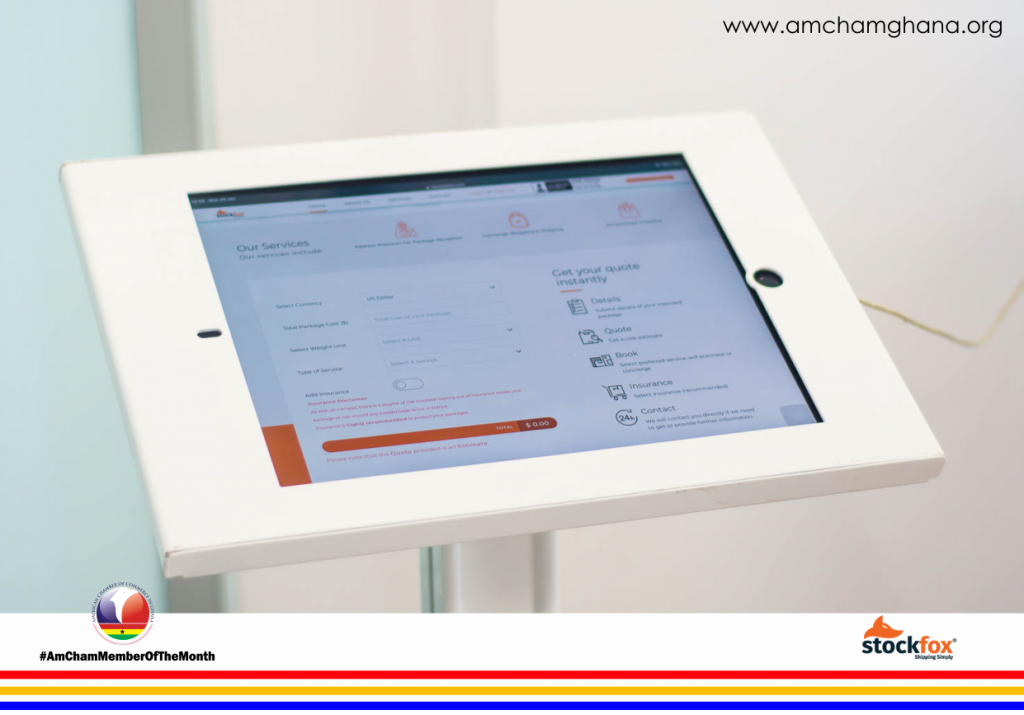
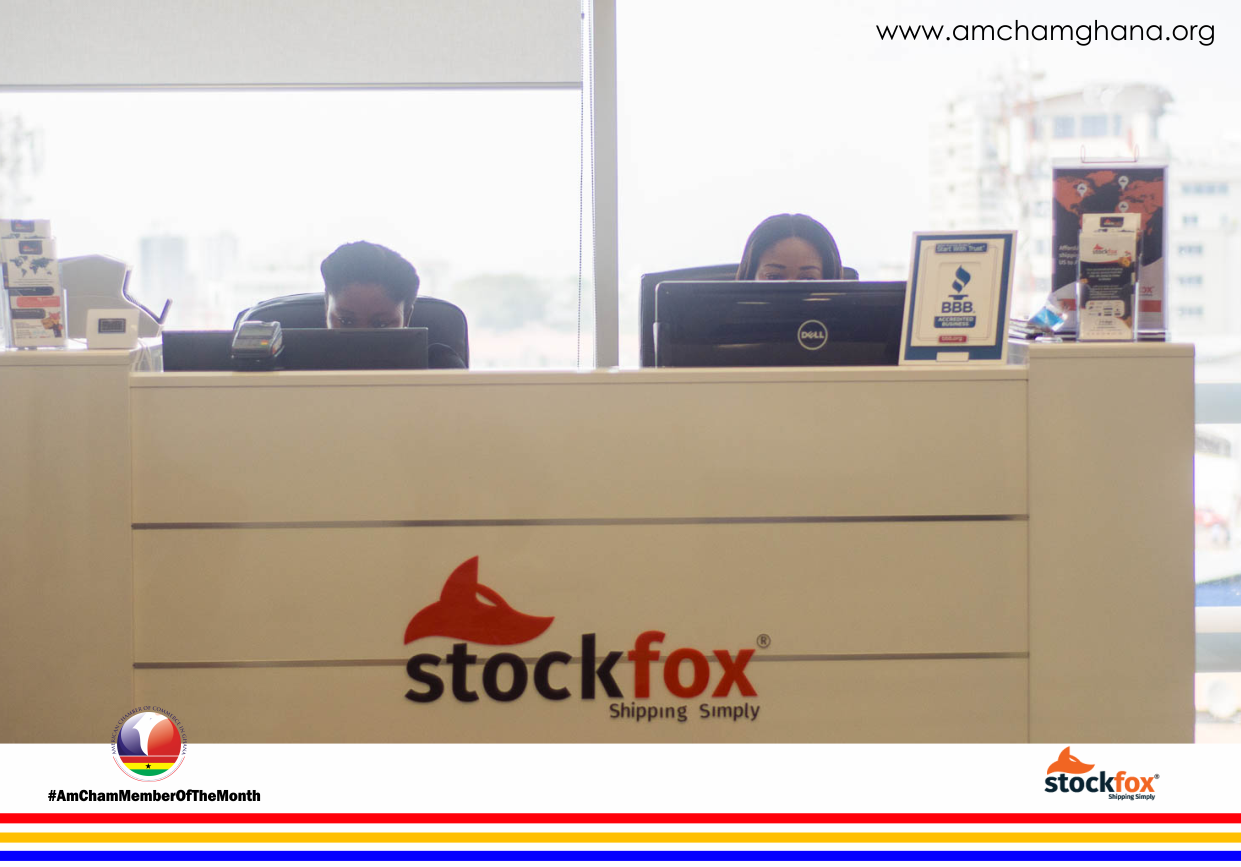
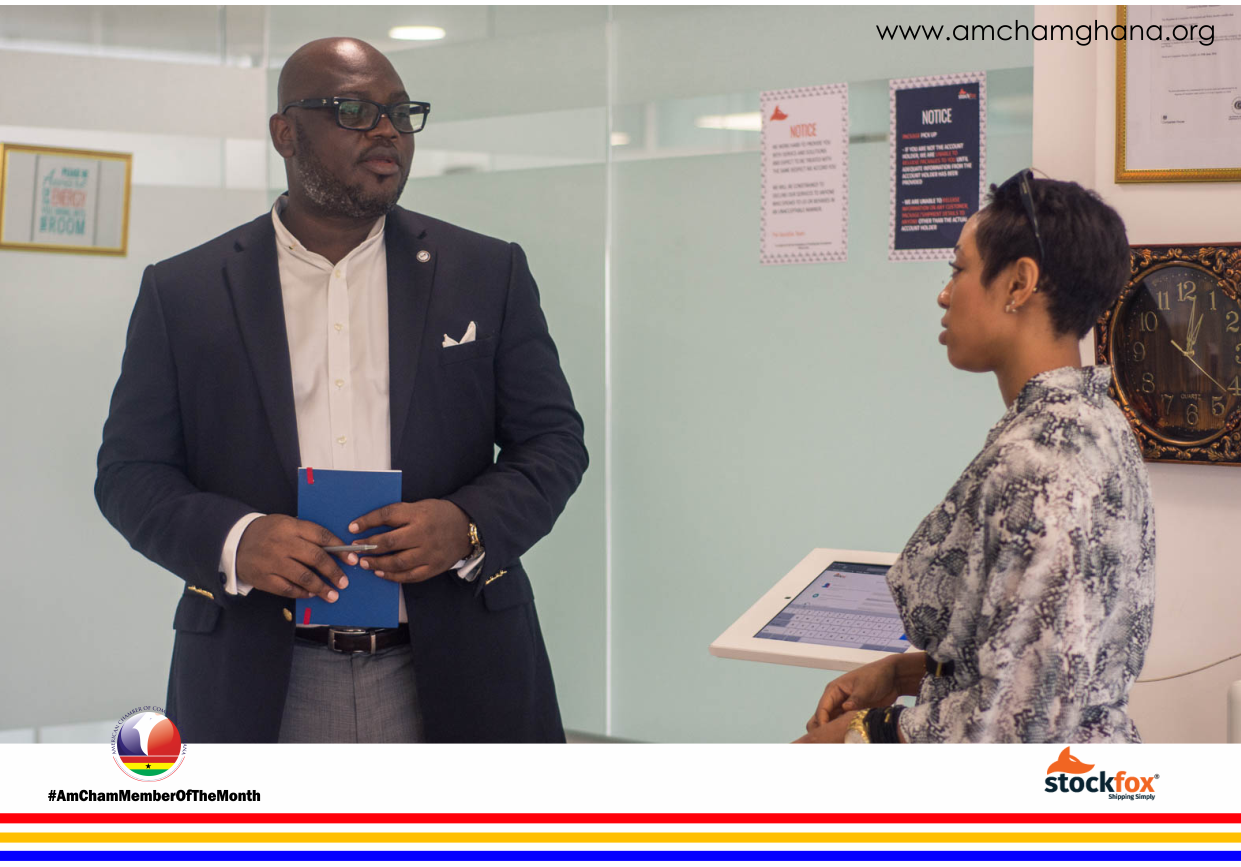
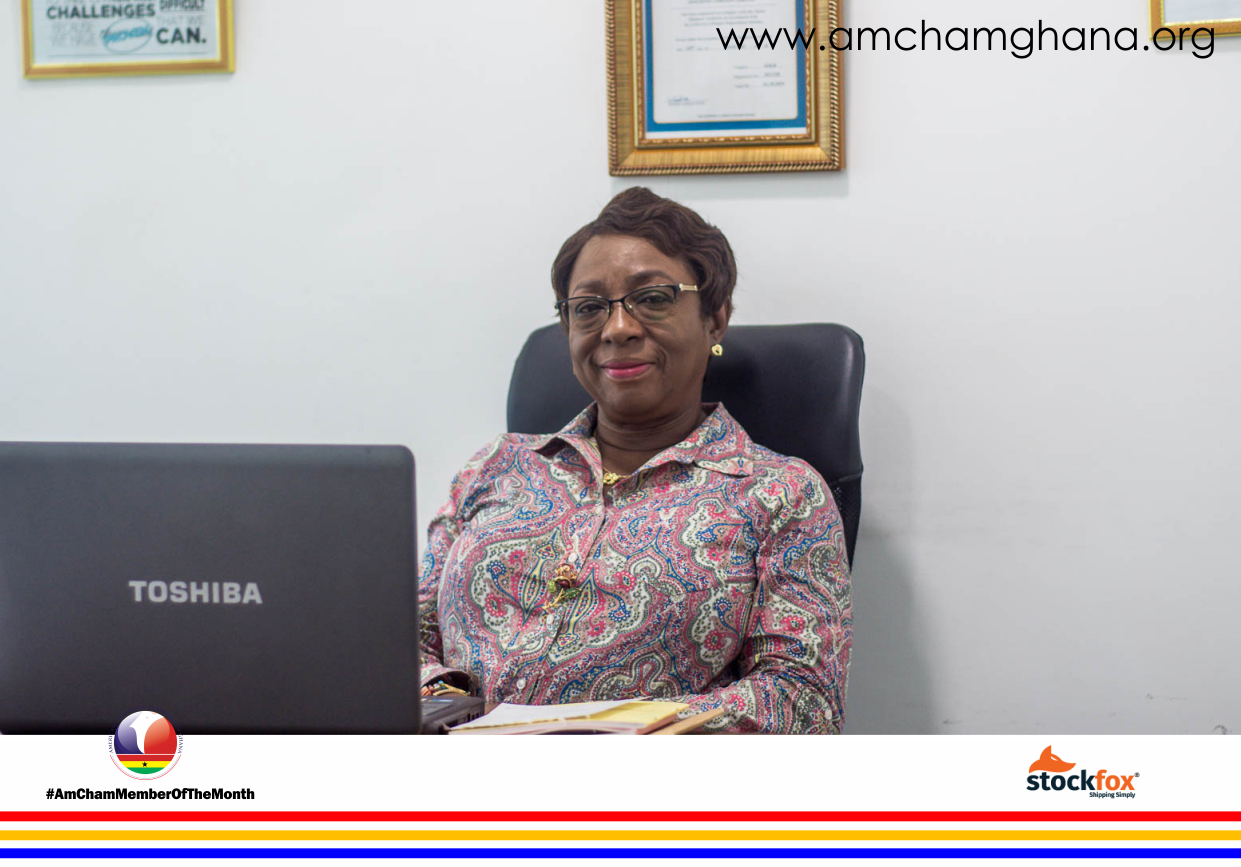
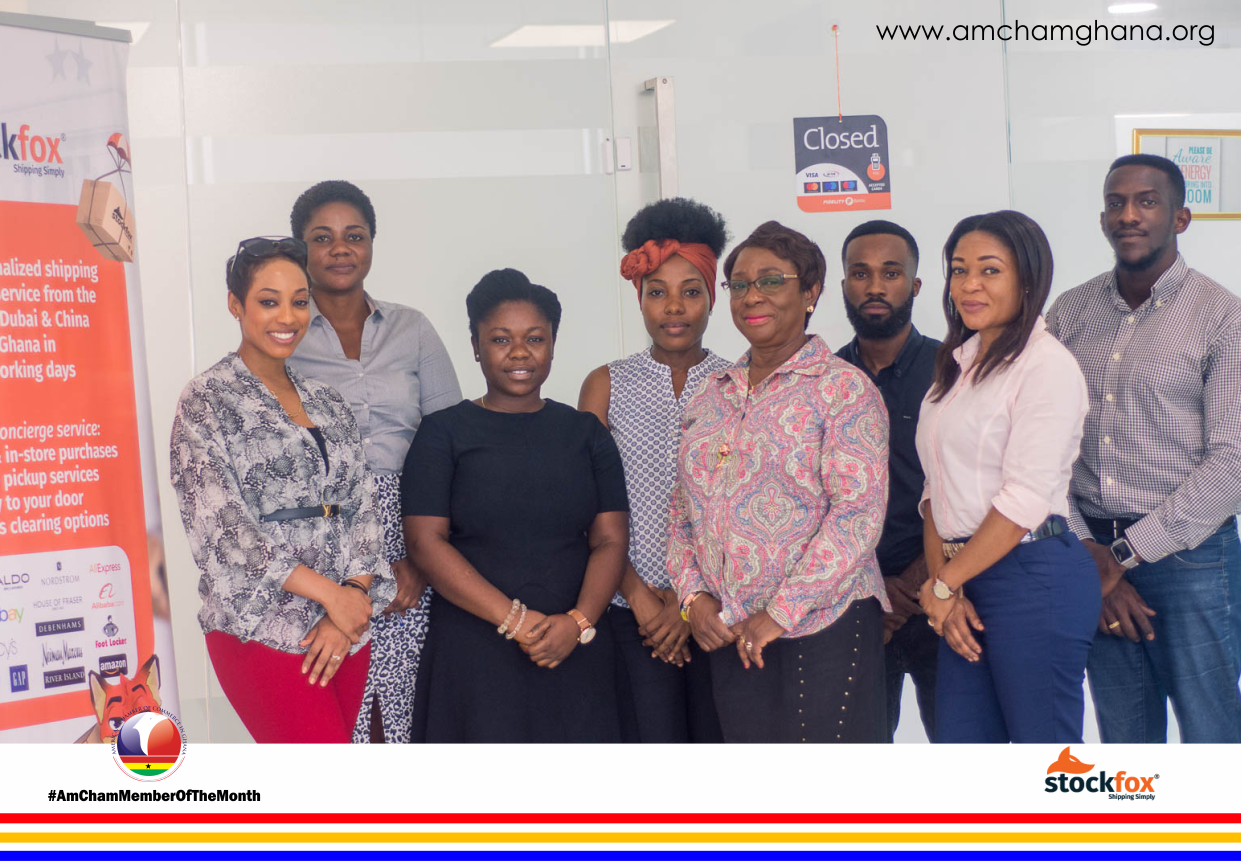
Stockfox | AmCham Ghana Member Of The Month

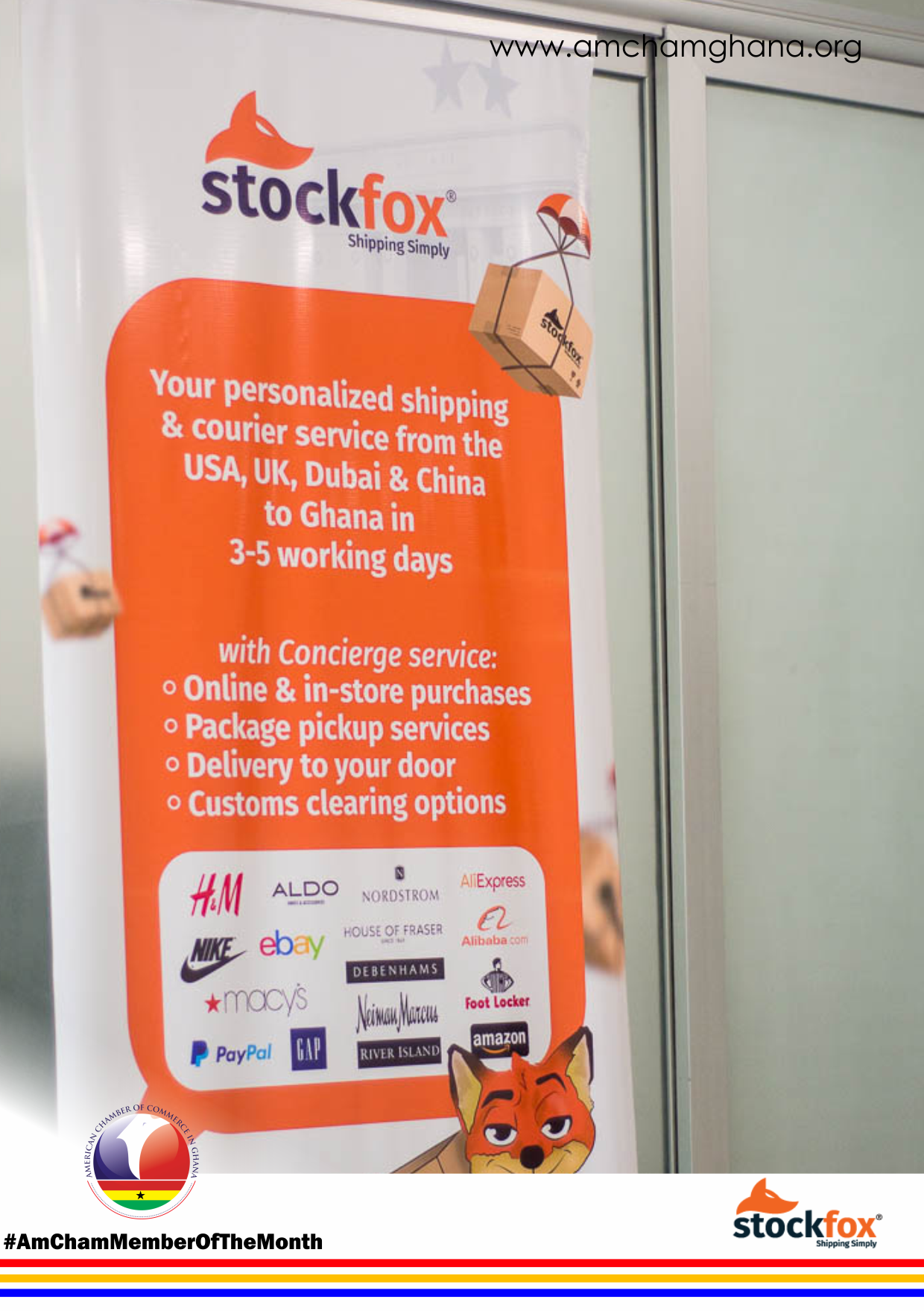
Personalized shipping solutions provider, Stockfox is our Member of the Month for February.  The company officially launched in 2017 and has since provided tailored shipping solutions to meet the specific needs of their clients.

The company has dedicated personnel, ready to assist, support and provide you with the assistance you need to get your packages safely delivered to you. Stockfox currently has operations to Ghana out of the United States of America, United Kingdom, China, and Dubai.

Being a home-grown business venture, Stockfox can boast of a crafted courier service that gets customers what they need, when they need it and how they need it, without the hassle of having to contact and depend on friends and relatives and be at the mercy of other people’s schedules.

The companies scope of services which is perfect for individuals and small to large businesses include;

Package reception – you can shop yourself and mail packages to our addresses (after signup )in countries of operation for onward shipping to Ghana

Personalized Shipping – tailored to your specific shopping and shipping needs.

Concierge Service – Cant travel to do your shopping? This service assists with online purchases with our credit/debit cards if you are unable to. The service also includes in-store pickups and other personal shopping needs at your request.


Package Storage and Consolidation Service – We hold all packages till they are ready to be shipped as one bulk package to save on shipping costs.

Auto parts Service – Assists with the acquisition of automobile parts across Europe and the Americas. We provide new, used and refurbished prices to suit your budget and ship to Ghana.

Ship Only Service – Have your own clearing agent? We can simply ship your packages to you and hand over to your clearing agent. (2 business days)

All-Inclusive Service – StockFox handles your package reception, shipping, and Clearing (this includes delivery to your door at your request in 3-5 business days)


Contact

Ghana Airport Cargo Centre,
Suite 311
Airport City
Accra
+233 24 243 8645
Mon – Fri: 9AM – 5PM
Extended hours are on a case by case basis.

(Corporate/Time Sensitive Shipments)

info@mystockfox.com

AmCham Ghana Business Breakfast With National Black MBA Association

The American Chamber of Commerce, Ghana on Friday, February 22, 2019, hosted members of the National Black MBA Association(NBMBAA) for a Business Breakfast engagement at the Movenpick Hotel in Accra. The event was organized in collaboration with the Ghana International Chamber of Commerce.

The National Black MBA Association is in Ghana for their 2nd  annual trade mission excursion. This Mission is to expose African Americans to the current African culture and the various investment opportunities across the continent; consequently potentially diversifying and growing their investment portfolios.

President of the Chamber, Joe Mensah in his opening remarks shared his experience when he returned home from the United States to open an IBM office in Ghana. He also said out of an experience, the agricultural sector is a viable business sector to invest in. He encouraged members of the National Black MBA Association to consider investing in that sector.

Jese Tyson, the President of the NBMBAA said throughout the trip, participants were exposed to the culture and life in both countries through guided activities, along with an opportunity for participants to give back. He added that their ongoing commitment to promote bilateral trade relationships have seen the association assist companies in finding overseas partners, license technology and aid in international growth.

The Chief Executive Officer of the Ghana Investment Promotion Centre (GIPC), Yofi Grant, who was also a speaker at the event encouraged the diaspora business community to take advantage of Ghana’s stable socioeconomic and competitive environment to partner their Ghanaian counterparts.
He added that members of the NBMBAA have come at a very instructive time, where the country has position itself to lead the economic emancipation of the continent of Africa.

The African American community is estimated to have a collective buying power of $1.3 trillion. This Matilda Arhin, the President of the Ghana International Chamber of Commerce believes can be leveraged to drive development on the African Continent.

“Every year the members spend $400 million on tourism, hence if these people are invited to return home, some for holidays and others to invest it will greatly improve on the sector,” she added.

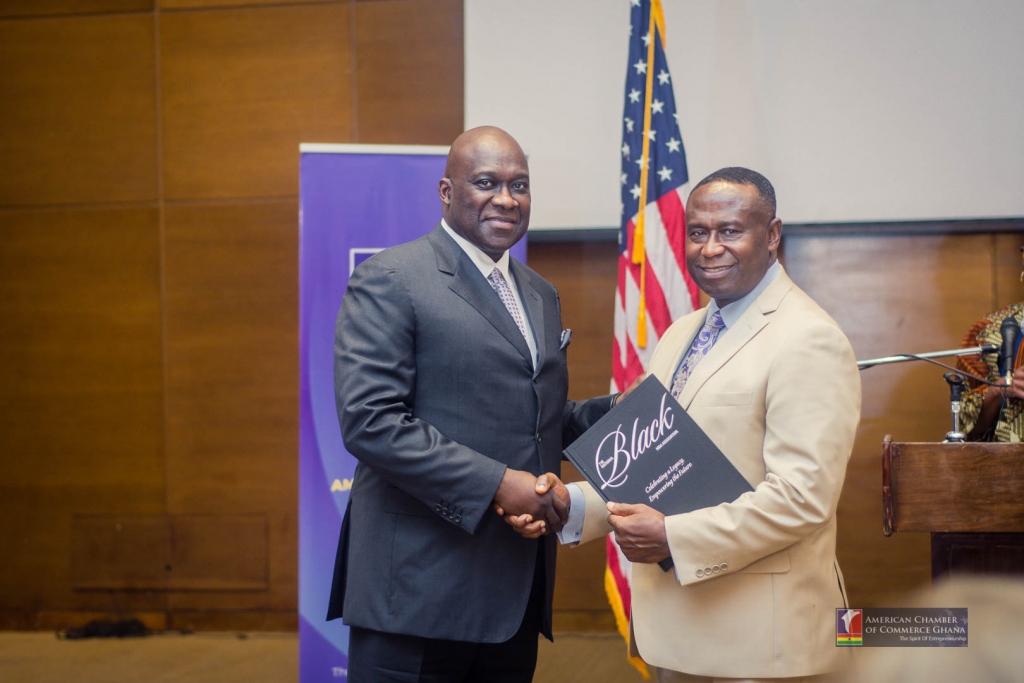
President of the National Black MBA Association presented a special edition book on the association to Joe Mensah, President of AmCham Ghana for the support he has rendered the association over the years.


The National Black MBA® Association was conceived in 1970 to help Blacks coming into the corporate sector, largely for the first time, share experiences and insights to help make the journey easier. By nurturing these new professionals, the organization helped early members navigate and, ultimately, succeed in unfamiliar and frequently challenging environments and have risen up and reached back to bring up the next generation of Black professionals through providing coaching, guidance and mentoring.

[unitegallery amcham_e2019]

AmCham Ghana Board Meets With New U.S. Ambassador To Ghana

On February 12, 2019, the President and Board Members of the American Chamber of Commerce, Ghana met with the United States Ambassador to Ghana, Stephanie S. Sullivan.

The meeting was to officially introduce the AmCham Ghana Board to the Ambassador and also interact for the first time since she presented her credentials to President Nana Addo Dankwa Akufo-Addo on January 23, 2019.

They had further discussions on how the Chamber and the Embassy can collaborate to strengthen U.S Ghana relations in the areas of commerce and tourism. According to the Ambassador, much as she is interested in seeing more U.S business coming into Ghana, she also wants to see more Americans visiting Ghana for leisure.

The Ambassador also stated she plans to work with AmCham in selling Ghana’s potentials to drive commerce and tourism for mutual benefits.

Ambassador Sullivan served as Chief of Operations for the Africa Region of Peace Corps from 1994 to 96, as well as a role as Political Chief at the U.S. Embassy in Ghana. Most recently, she was the Acting Principal Deputy Assistant Secretary for the Bureau of African Affairs at the U.S. Department of State, after having been Deputy Assistant Secretary for Central African Affairs and Security Affairs since January 2017.

Ms. Sullivan served as the Political Chief in Accra, Ghana (1997-2001) and as management, consular, and political officer in Douala and Yaoundé, Cameroon (1986-1988). Other Washington assignments include desk officer for Mali, Niger and Burkina Faso in the Bureau of African Affairs (1991-93) as well as post management and human resources positions supporting colleagues in Africa, Europe, and the Western Hemisphere.

[unitegallery 19meet1]

GKH Limited Joins AmCham Ghana

GKH Limited,  a fully owned Ghanaian firm established in 2016, is now a member of the American Chamber of Commerce, Ghana. The company is based and headquartered in Ghana, with its administrative office in the capital city, Accra.

GKH offers agency, account and distributor management services and distributorship for multinational brands. They also offer business and market development services to multinational companies with a focus on market entry and route to market strategies, agency/distributor as well as key account management as its core activity and process improvement solutions using the Six Sigma methodology in reviewing operational inefficiencies.

The company is managed by a team with expertise in Business Development, Project Management, Supply Chain Management, and Operations Management.

GKH limited has the vision to become a top trusted company that supports business and market development, process improvement and project management activity in West Africa and on a mission to provide advisory services on market entry and market development strategies for targeted products at West Africa customers and also help businesses improve internal processes focused on improving customer satisfaction. Learn more


Contact:

Email: george.haizel@gkkhlimited.com
Loc: No. 3 Candle Street Adenta, Accra, Ghana
Tel: +233-20-822-3267

Emergent Technology Joins AmCham Ghana As Platinum Members

The American Chamber of Commerce, Ghana is pleased to announce Emergent Technology as our new member. The pre-eminent payments provider joined AmCham Ghana as a Platinum Member.

Emergent Technology Holdings LP (“EmTech”), a global financial technology company in 2018 acquired Interpay Limited. The acquisition extends the operations of EmTech’s digital payments business, Emergent Payments®, a local payments provider.

Eighty-five percent of the world’s population reside in emerging markets. To access these markets, Emergent Technology believes that there is a need for strong local payment solutions and efficient and reliable finance infrastructure.

Emergent Payments is the pre-eminent payments provider for digital merchants expanding into high-growth markets. They are the only company with full payments coverage in all major emerging regions – Asia Pacific, Latin America, Middle East, and Africa.

They deliver total solutions for large digital merchants in over 55 high-growth countries. With deep local market penetration and sophisticated FX, repatriation, tax and regulatory expertise, Emergent Payments offers an unparalleled market solution and superior customer service.

They are proud of their technology. With a single integration, they give digital merchants access to hundreds of local payment methods around the world. Learn more…


Contact:

 No.5 North Ridge Close 4th Block
PMB CT 121, Accra, Ghana