AmCham Ghana President Meets Pamela Ward, Minister Counselor for Commercial Affairs & Regional Commercial Officer Sub-Saharan Africa

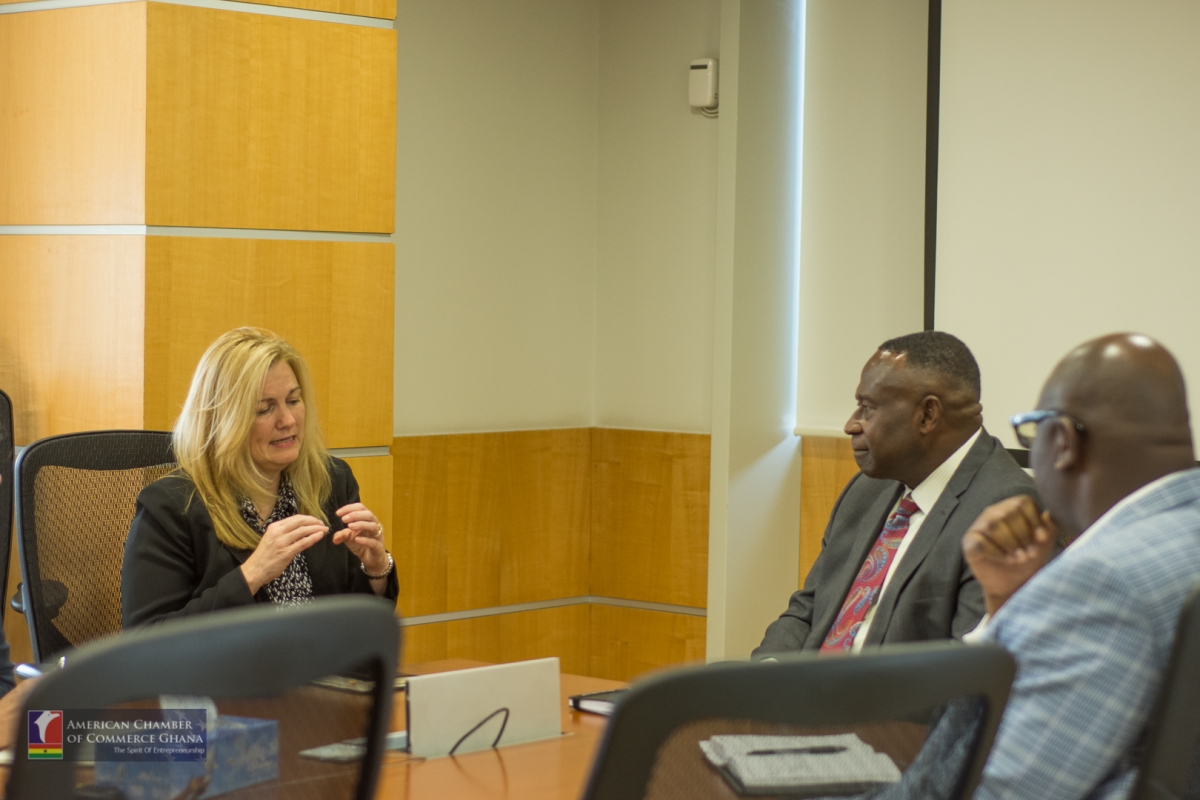
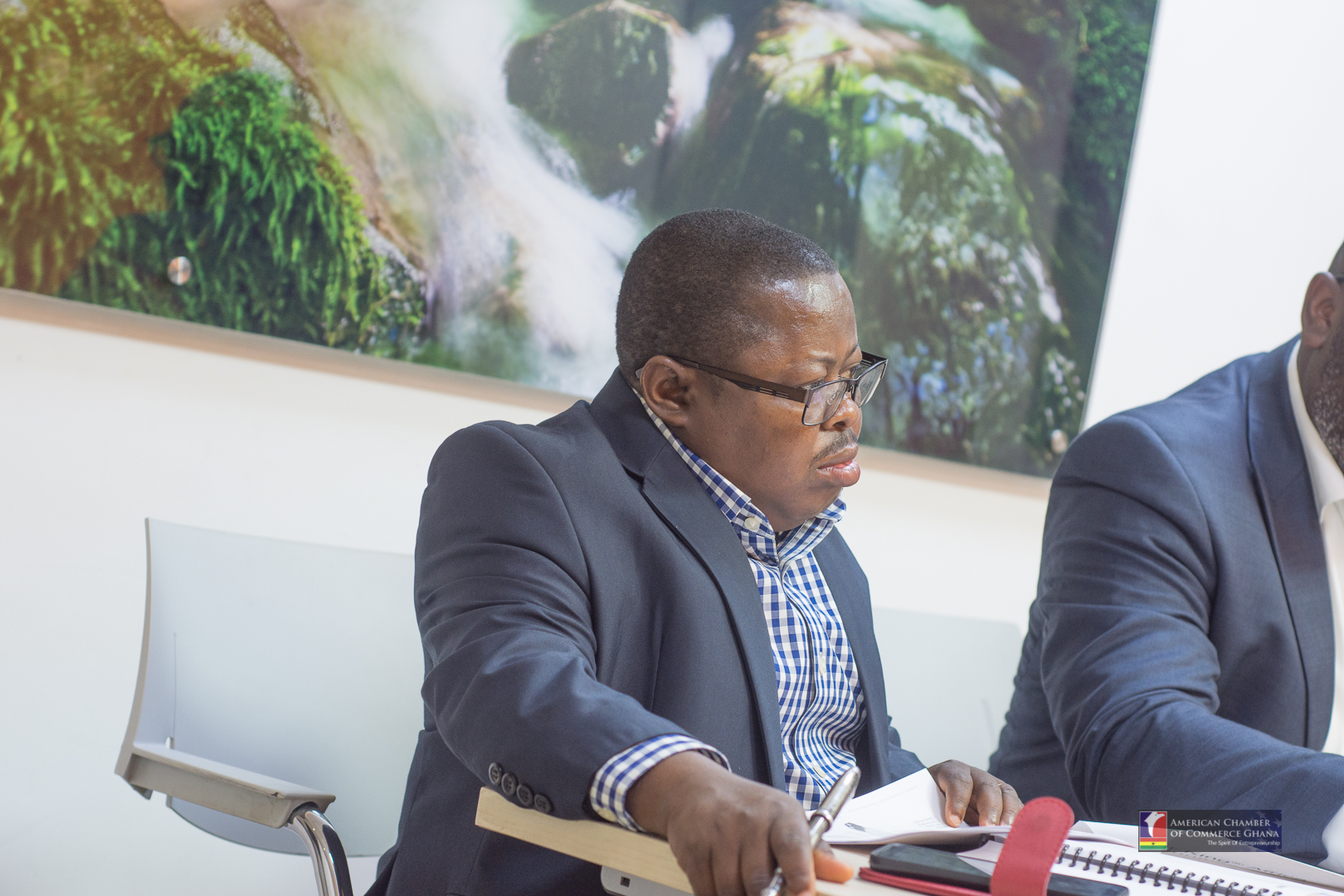
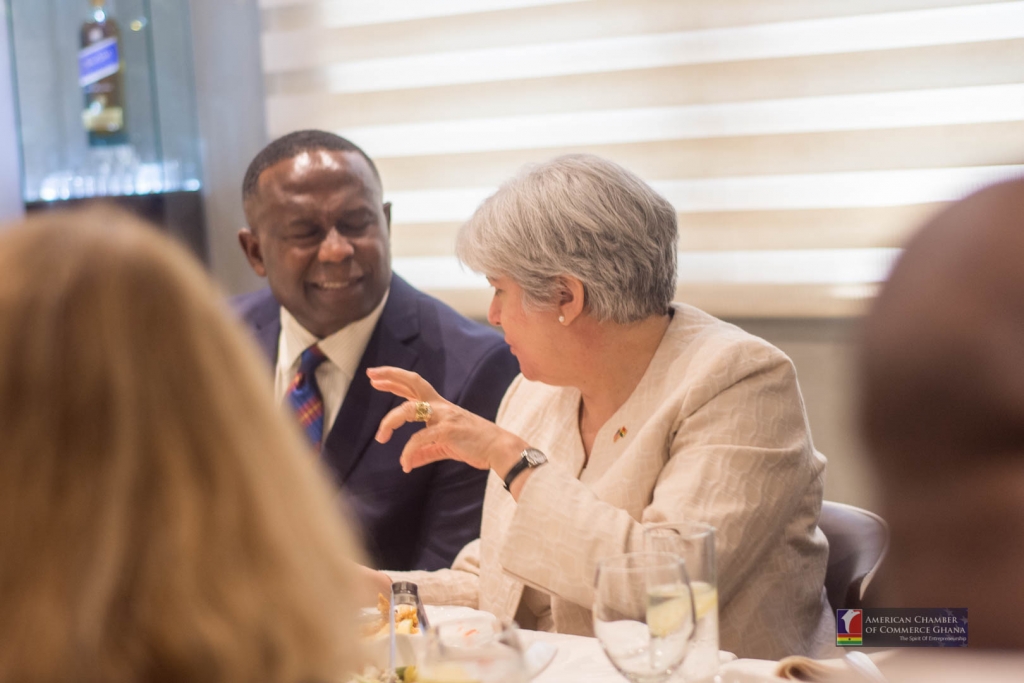
AmCham Ghana President, Joe Mensah, met with Pamela Ward, Minister Counselor for Commercial Affairs & Regional Commercial Officer Sub-Saharan Africa.

They discussed improving America’s involvement in the development of Ghana and means to further improve direct trade between the two nations by making it easier for traders and supplier to source directly from the United States.

Also discussed at the meeting was making investing in Ghana attractive to the diaspora.  According to Joe Mensah, the diaspora must get involved. “We all need to engage, and when we find something wrong, we all find means to solve it.” He added.

The President of the chamber also shared with Pamela Ward,  some of the chamber’s advocacy activities aimed at policy formulation and change to improve the business climate in Ghana.

Pamela Ward has over twenty years of experience supporting U.S. business in international markets as a Foreign Commercial Officer for the U.S. Department of Commerce.

Also present at the meeting were AmCham Ghana Executive Secretary, Simon Madjie, and Hannah Kamenetsky, Senior Commercial Officer, U.S. Embassy Accra.

[unitegallery WardMeeting]

AmCham Ghana Hosts 2019 U.S. Ghana Business Reception In Honor Of Nancy Pelosi

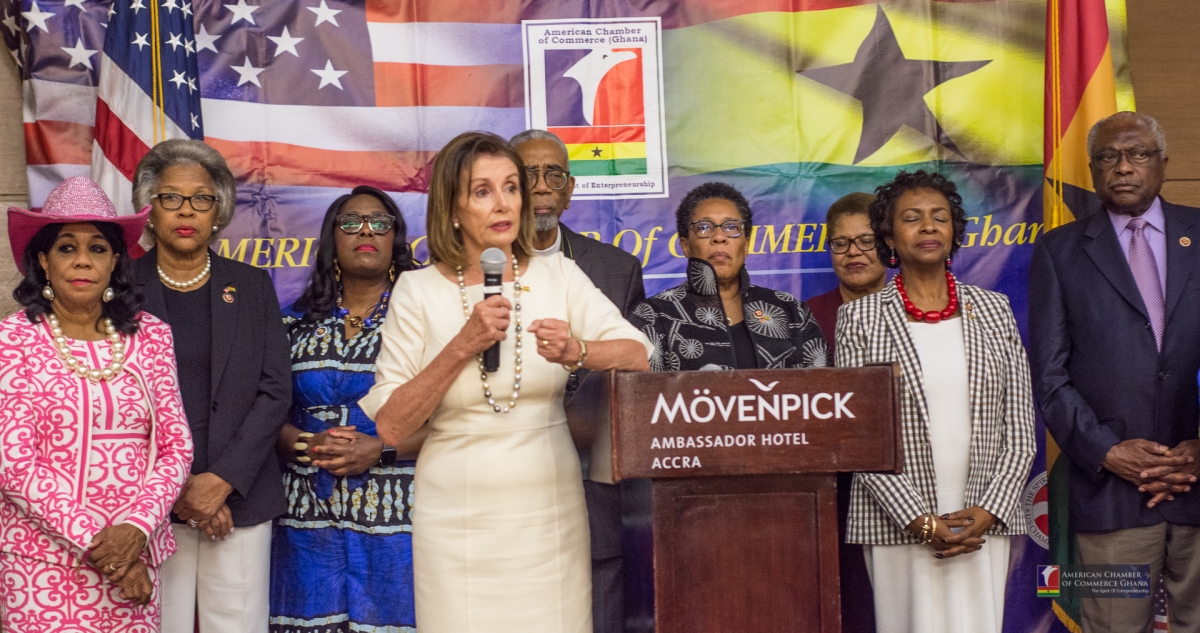
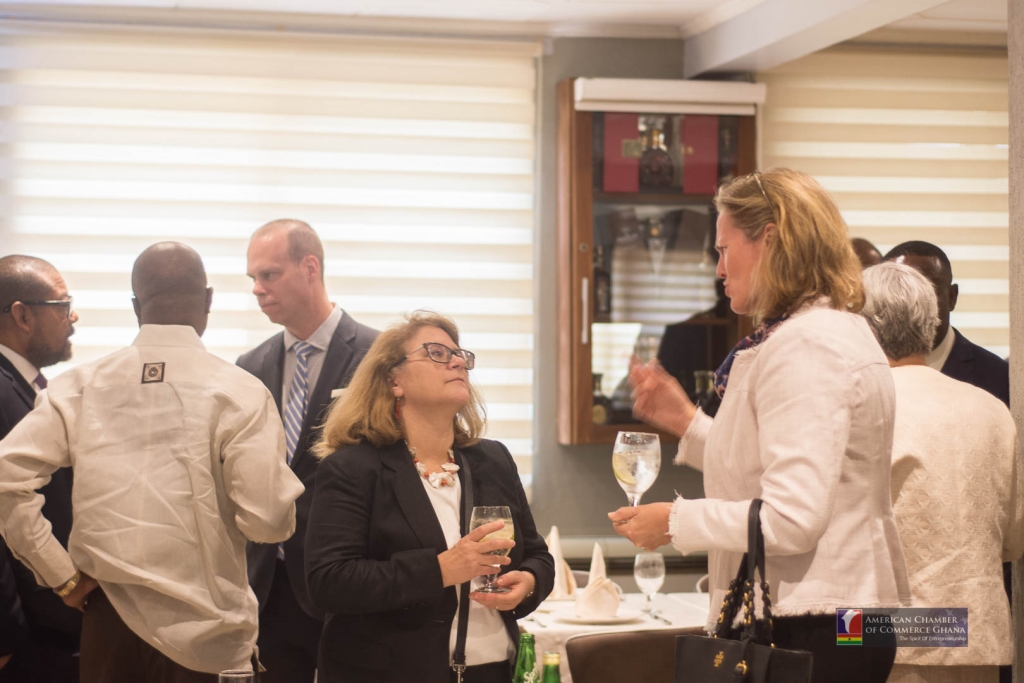
Monday, July 29, 2019. The American Chamber of Commerce, Ghana, organized the 2019 AmCham U.S. – Ghana Business Reception to host the U.S. Congressional delegation led by Nancy Pelosi, Speaker of the United States House of Representatives. The event was part of Nancy Pelosi’s visit to the country to hold high-level discussions with Ghana’s President, Speaker of Parliament, and other senior government officials and was attended by the United States Ambassador to Ghana, Stephanie S. Sullivan, the Minister for Trade and Industry, Alan Kyerematen, AmCham Ghana Members and associates.

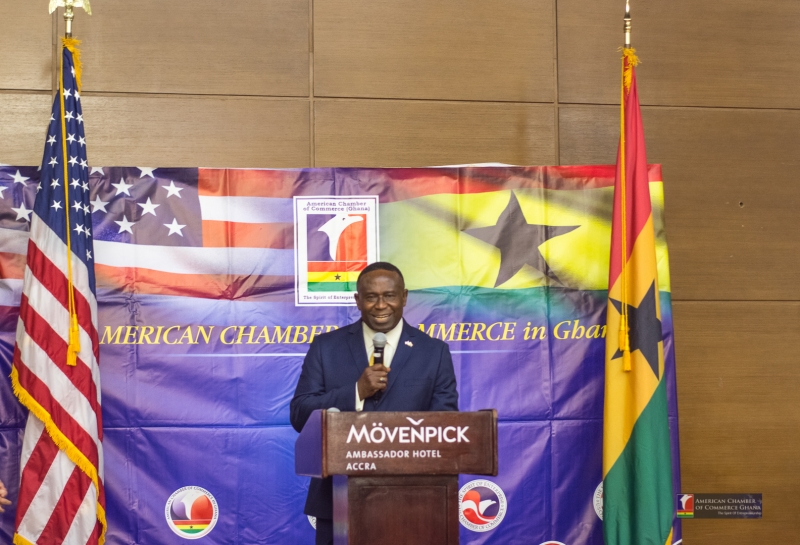
Remarks by Joe Mensah, President of AmCham Ghana

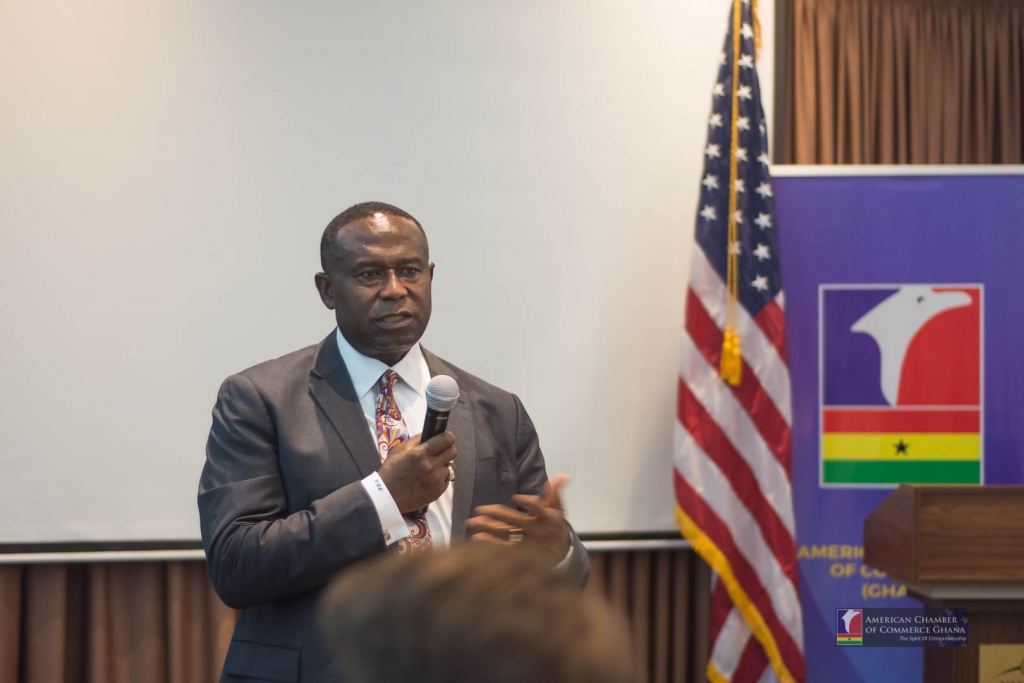
Joe Mensah, in his opening remarks, highlighted the important relationship between Ghana and the U.S. as well as the contribution of AmCham to the Ghanaian economy.

He stressed the need for a conducive environment to attract investors and called on American companies to take advantage of the common language and similarity of laws between Ghana and the U.S. to invest in infrastructure development in the country. According to him, American companies could instill discipline to reduce the level of corruption which has been the bane of the African continent for a long time.

He commended Speaker Pelosi for her good works at the U.S. Congress and stressed the need to further improve the relationship between Ghana and the United States.


Remarks by Stephanie S. Sullivan, United States Ambassador to Ghana

Ambassador Sullivan remarked that Speaker Pelosi has long been engaged in building the framework of U.S.-Africa foreign and commercial relationships from the original enactment of the African Growth and Opportunity Act (AGOA) to its ten-year extension in 2015.

She highlighted the role of the Congressional Black Caucus in the development of African countries and underscored the investments and values of American companies in Ghana.

She went on to commend the leadership of AmCham Ghana for the advocacy work in advancing policies that create jobs and spur economic growth in both Ghana and the U.S.


Remarks by Nancy Pelosi, Speaker of the House of Representatives in the United States

House Speaker, Nancy Pelosi introduced the members of her delegation and expressed her appreciation to the leadership and members of AmCham Ghana. She stated that AmCham is another arm of diplomacy for the U.S. and a representation of America’s private sector in Ghana -that interacts with the private and public sector.

She highlighted the importance of the historic friendly relationship between Ghana and the U.S., stating that Ghana is a very special country to the United States. She further stressed the importance of the role of AmCham to the economic relationship between Ghana and the United States and finally called for infrastructure investment to address climate change.


Remarks by Karen Bass, Chairwoman of the Congressional Black Caucus

Karen expressed her excitement about the trip to Ghana and noted that the work of the Congressional Black Caucasus in Africa is to ensure that the U.S. views Africa as a continent and a partner, and promote U.S. business involvement on the continent. She noted that the Congressional Black Caucus has worked on legislation which will facilitate business opportunities in Africa for businesses in the United States.

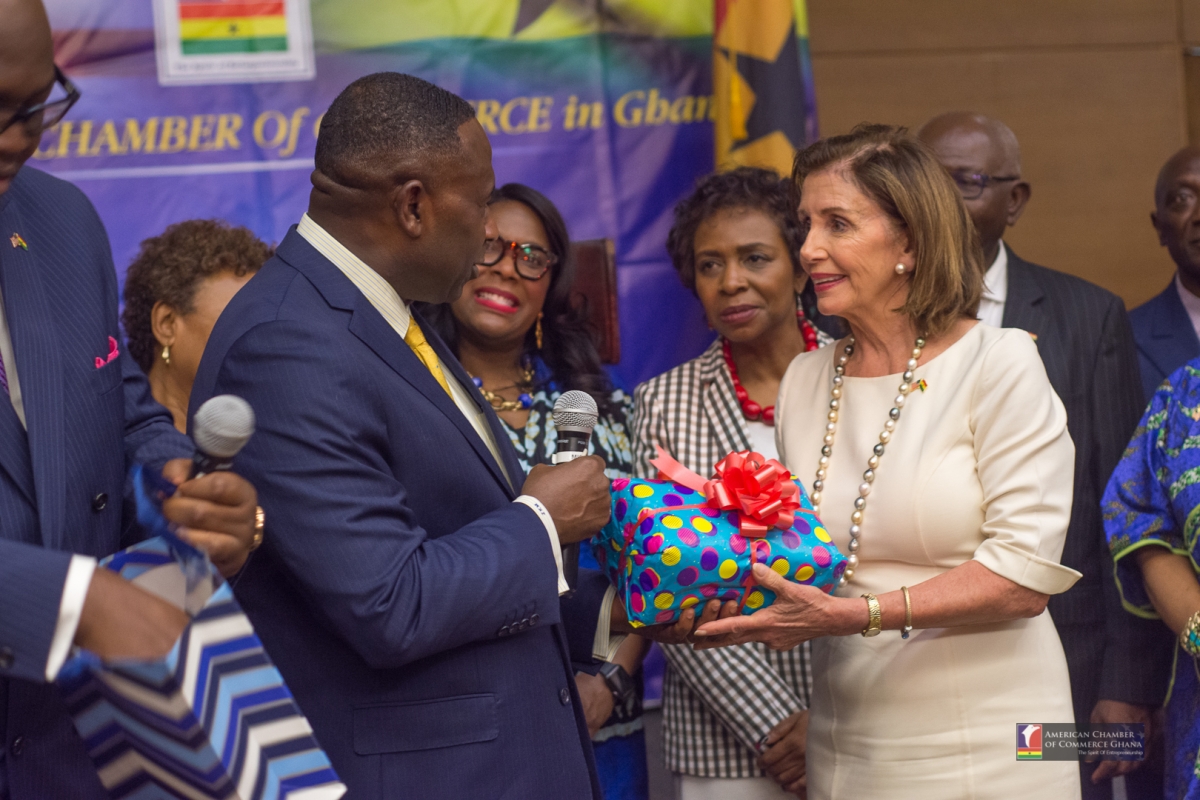
The meeting ended on a high note as Nancy Pelosi and the Congressional delegation danced to some Ghanaian music. The leaders of AmCham also presented gifts to Speaker Pelosi and members of the Chamber had the opportunity to interact with the Congressional delegation and dignitaries in attendance.


[unitegallery 2019BR]

Investment Meeting With Burger King General Manager – Africa Division, EMEA  

AmCham Ghana Exec. Secretary, Simon Majie had an investment meeting with Robert Lu, General Manager – Africa Division, EMEA at Burger King Corporation and other investors in Accra.

Robert Lu is in Ghana to engage with Burger King franchise owners, to prospect for the expansion of the brand and explore means to improve the supply chain for effective service delivery in Ghana.  Lu is also looking to get new franchisees to introduce Tim Hortons and Popeyes brands to the Ghanaian market.

Burger King currently has three restaurants in Accra and want to increase that number significantly in the next five years. Lu cited the country’s current favorable business climate as the reason for Burger King’s renewed interest in expanding its business in Ghana.

Tim Hortons Inc. (known as Tim Hortons Cafe and Bake Shop in some countries) is a fast-food restaurant chain, specializing in coffee and donut items. It is Canada’s largest quick-service restaurant chain; as of December 31, 2018, it had a total of 4,846 restaurants in 14 countries. The company has its headquarters in Toronto.

The company was founded in 1964 in Hamilton, Ontario, by Canadian hockey player Tim Horton (1930–1974) and Jim Charade (1934–2009), after an initial venture in hamburger restaurants. On August 26, 2014, Burger King agreed to purchase Tim Hortons for US$11.4 billion; the chain became a subsidiary of the Canadian holding company Restaurant Brands International, which is majority-owned by Brazilian investment firm 3G Capital. Learn more

Popeyes is an American multinational chain of fried chicken fast food restaurants founded in 1972 in New Orleans, Louisiana and headquartered in Miami, Florida. Since 2008, its full brand name is Popeyes Louisiana Kitchen, Inc.and it was formerly named Popeyes Chicken & Biscuits and Popeyes Famous Fried Chicken & Biscuits. It is currently a subsidiary of Toronto-based Restaurant Brands International.

Popeyes serves chicken dishes in mild and spicy flavors and offers sides such as red beans and rice, Cajun fries, mashed potatoes with Cajun-style gravy, Cajun rice, macaroni & cheese, and coleslaw. In addition to fried chicken, other entree items include a chicken-and-sausage jambalaya and po’ boy sandwiches. Learn more 

AMCHAM-GARIA Symposium with Ghana’s Speaker of Parliament

On 25th March 2019, the American Chamber of Commerce, Ghana (AMCHAM) and the Ghana Association of Restructuring and Insolvency Advisors (GARIA) organized a symposium with the Speaker of Ghana’s Parliament, Professor Aaron Michael Oquaye at the La Palm Royal Beach Hotel in Accra. The symposium was on the theme “Improving the Current Legal Framework to Enhance the Ease of Doing Business” which aimed at fostering public dialogue on the new Companies Bill which is currently before Parliament. The symposium had in attendance the Majority Leader of Parliament, Hon. Osei Kyei-Mensa-Bonsu;  Minority Leader of Parliament, Hon. Haruna Iddrisu; former Supreme Court Judge, Justice S. K. Date-Bah; President of AMCHAM, Mr. Joe Mensah; and the President of GARIA, Mr. Felix Addo.

Opening Remarks by Mr. Joe Mensah, President, AMCHAM

In his opening remarks, Mr. Joe Mensah highlighted the contribution of American companies to the various sectors of the Ghanaian economy such as agriculture, technology, and employment among others. According to him, a study conducted by PricewaterhouseCoopers (PwC) in 2015 revealed that American companies in Ghana had invested about $13 billion in the Ghanaian economy and about $300 million on corporate social responsibility (CSR) programmes.

He, however, bemoaned Ghana’s 10th place ranking on the Rand Merchant Bank’s “Where to Invest in Africa Report” and stressed the need for collaboration between Parliament and the business community to create a conducive environment to enhance the ease of doing business as well as attract Ghanaians in the diaspora to invest in the country.

Address on Existing Company Legislation by Justice S. K. Date-Bah

Justice S. K. Date-Bah, who chaired the symposium, gave a historical overview of company legislation in Ghana from pre-independence to the enactment of the 1963 Companies Code drafted by Professor Gower and the recent Business Law Reforms which started in 2008 to review and amend the 1963 Companies Code.

According to Prof. Date-Bah, Ghana’s new Companies’ Bill remains predominantly Gower’s original Act but new concepts have been introduced. The new concepts include: simplifying the registration of companies, complete abrogation of the doctrine of ultra vires, special resolutions in major transactions, buy‐out for dissenting shareholders, enabling of electronic mode of exercising powers, the use of updated accounting terminologies (such as financial statements), the implementation of the office of the Registrar of Companies and the need for the office of the Registrar of Companies to monitor the Companies law and make proposals to government for reforms when necessary.

He concluded that the enactment of the Companies bill in 2019 will help ease and simplify the process of doing business as well as become an important step in restructuring Ghana’s legal regime for business growth and development.

Address on Corporate Insolvency Bill by Mr. Felix Addo, President, GARIA

Mr. Felix Addo provided an overview of the new Corporate Insolvency Bill which is part of the Business Law Reform Committee’s work in 2008 that is currently before Parliament. Mr. Addo stated that under the proposed Insolvency Bill, a Division of Insolvency which will handle all issues related to insolvency and restructuring will be created under the Office of the Autonomous Registrar.

Also, according to Mr. Addo, the new Insolvency Bill makes provision for restructuring or administration (where a distressed company can be restructured under Chapter 11 of the Bankruptcy Code: thus a rescue culture for distressed companies in the country), post-commencement financing for distressed companies, a stay of trading imposed on insolvent companies that are ready to start administrative processes, cross border transactions and a regulatory regime for insolvency practitioners.

Remarks by the Minority Leader of Parliament, Hon. Haruna Idrissu

The Minority Leader, Hon. Haruna Idrissu remarked that the revised Companies Bill is an important document since it impacts on the ease of doing business in the country and assured the business community of the full support of the Parliament of Ghana to pass the bill into law to make Ghana a better place to do business.

On the ease of doing business, he noted that the country needs to improve as in some instances the country’s respectability and enforcement of contracts suffer during political transitions. He also stressed the need for the Customs Division of the Ghana Revenue Authority to work 24 hours, as well as the need for every government institution to create an enabling environment for the private sector in order to enhance the ease of doing business in the country.

He lamented the high transaction cost -including taxation- and the time of doing business in Ghana. He also noted that insolvency legislation would have been timely in the wake of the country’s banking crisis to help secure, protect and allow the survival of financial institutions.

He concluded that the country needed to address two key issues: first is the synergy between the Registrar General, the Minister of Finance and taxation as well as the extent to which the government gets its due from corporate entities; second is the need to clearly define the individuals behind corporate entities in order to deepen transparency and accountability to help combat corruption. This is because there are instances where corporate entities register in tax havens and due to privity of contracts, these companies are not identified yet they benefit unknown persons.

Remarks by the Majority Leader of Parliament, Hon. Osei Kyei-Mensah-Bonsu

Hon. Osei Kyei-Mensah-Bonsu in his address stated that the business environment in developing countries is often challenged with non-transparent, time consuming and costly bureaucratic procedures, outdated laws and regulations for business transaction, inconsistent legal frameworks, unstable and unpredictable weak infrastructure and policy as well as high levels of corruption which increase the cost of doing business and subsequently affects enterprise development, economic growth, employment and poverty reduction efforts.

He noted that in order to improve the business environment in the country, it is necessary to improve infrastructure and the legal and fiscal regimes. Concerning infrastructure, he mentioned that it is important to improve critical factors such as the road networks, rail network, the cost of delivering electricity to businesses, water, telephone, and efficient ports, and import duties. He expressed concerns about Ghana’s high import duties which does not encourage businesses noting that over the past five years the country’s port activities have only increased by 4% whereas activities in the port of Lome in Togo has increased by 300%.

About the legal regime, he noted that a number of amendments (about 520) have been proposed concerning the new Companies’ Bill and Parliament will work to facilitate the passing of the bill.  He also mentioned that Parliament is working on a number of bills such as the Right to Information Bill (RTI), the Procurement Act, Public Financial Management Act, Electronic Business Transaction Act, and Electronic Payment Systems Act.

According to him, the country’s fiscal regime – GDP growth rate, exchange rate, inflation and interest rate among others- is in good shape but needs to be improved in order to attract investments.

He concluded by emphasizing the need for the country to strengthen security, increase the fight against corruption, revise tax laws and collaborate with the business community to protect businesses and create an enabling environment for businesses to thrive.

Remarks by Ghana’s Speaker Parliament, Professor Aaron Michael Oquaye

The Speaker of Parliament, Professor Aaron Michael Oquaye, the keynote speaker for the event, expressed his displeasure at the corrupt practices of some businesses and the recent crisis in the country’s banking sector and called for the establishment of systems and proper accounting practices as well as strong laws to regulate companies in the country. According to the Speaker, the ease of doing business is often associated with the simplicity of doing business without the necessary checks and balances being in place. He, therefore, called on all stakeholders to ensure that businesses are conducted the right way.

With regards to the new Companies Bill, he stated that although there have been a number of suggestions from stakeholders, Parliament would welcome the suggestions of the business community. He noted that Ghana has made progress in terms of dialogue between government agencies, stakeholders and the business community but the politicization of issues in the country is a major problem. He, therefore, called for the establishment of independent institutions to select regulators in order to make the regulatory process completely independent from politics.

He concluded that the laws of the country need to be strengthened in order to curb the political, social, cultural and legal factors that hinder the successful operation of businesses.

[unitegallery symposium19]

AmCham Ghana Board Meets With New U.S. Ambassador To Ghana

On February 12, 2019, the President and Board Members of the American Chamber of Commerce, Ghana met with the United States Ambassador to Ghana, Stephanie S. Sullivan.

The meeting was to officially introduce the AmCham Ghana Board to the Ambassador and also interact for the first time since she presented her credentials to President Nana Addo Dankwa Akufo-Addo on January 23, 2019.

They had further discussions on how the Chamber and the Embassy can collaborate to strengthen U.S Ghana relations in the areas of commerce and tourism. According to the Ambassador, much as she is interested in seeing more U.S business coming into Ghana, she also wants to see more Americans visiting Ghana for leisure.

The Ambassador also stated she plans to work with AmCham in selling Ghana’s potentials to drive commerce and tourism for mutual benefits.

Ambassador Sullivan served as Chief of Operations for the Africa Region of Peace Corps from 1994 to 96, as well as a role as Political Chief at the U.S. Embassy in Ghana. Most recently, she was the Acting Principal Deputy Assistant Secretary for the Bureau of African Affairs at the U.S. Department of State, after having been Deputy Assistant Secretary for Central African Affairs and Security Affairs since January 2017.

Ms. Sullivan served as the Political Chief in Accra, Ghana (1997-2001) and as management, consular, and political officer in Douala and Yaoundé, Cameroon (1986-1988). Other Washington assignments include desk officer for Mali, Niger and Burkina Faso in the Bureau of African Affairs (1991-93) as well as post management and human resources positions supporting colleagues in Africa, Europe, and the Western Hemisphere.

[unitegallery 19meet1]

REDAVIA Solar Power | AmCham Member Of The Month

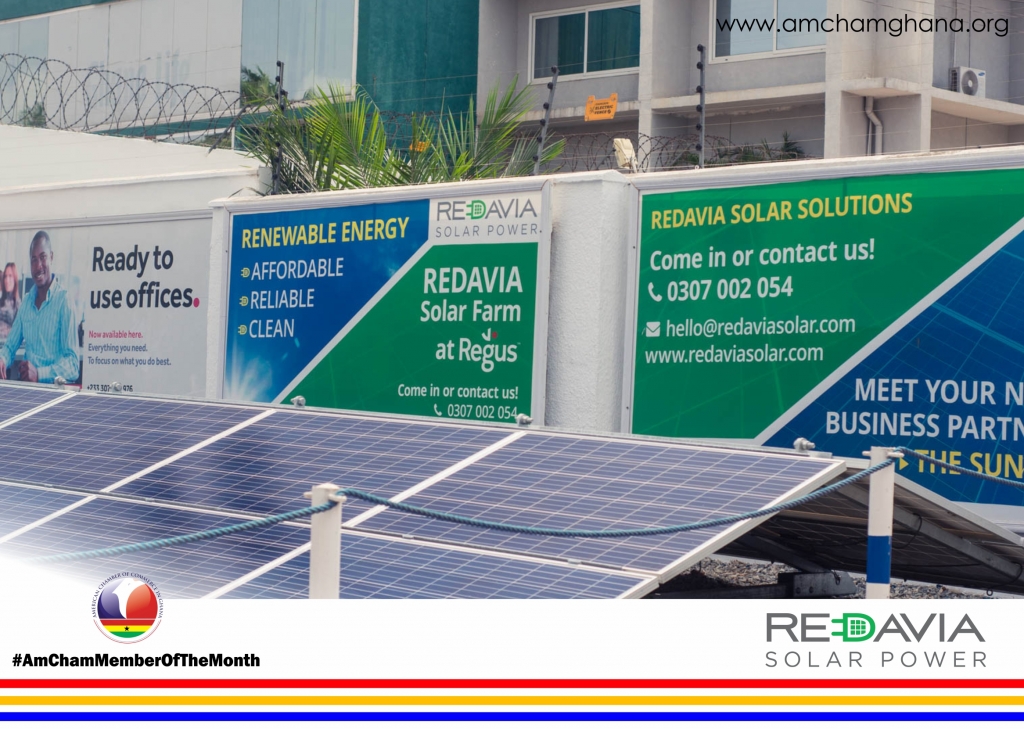
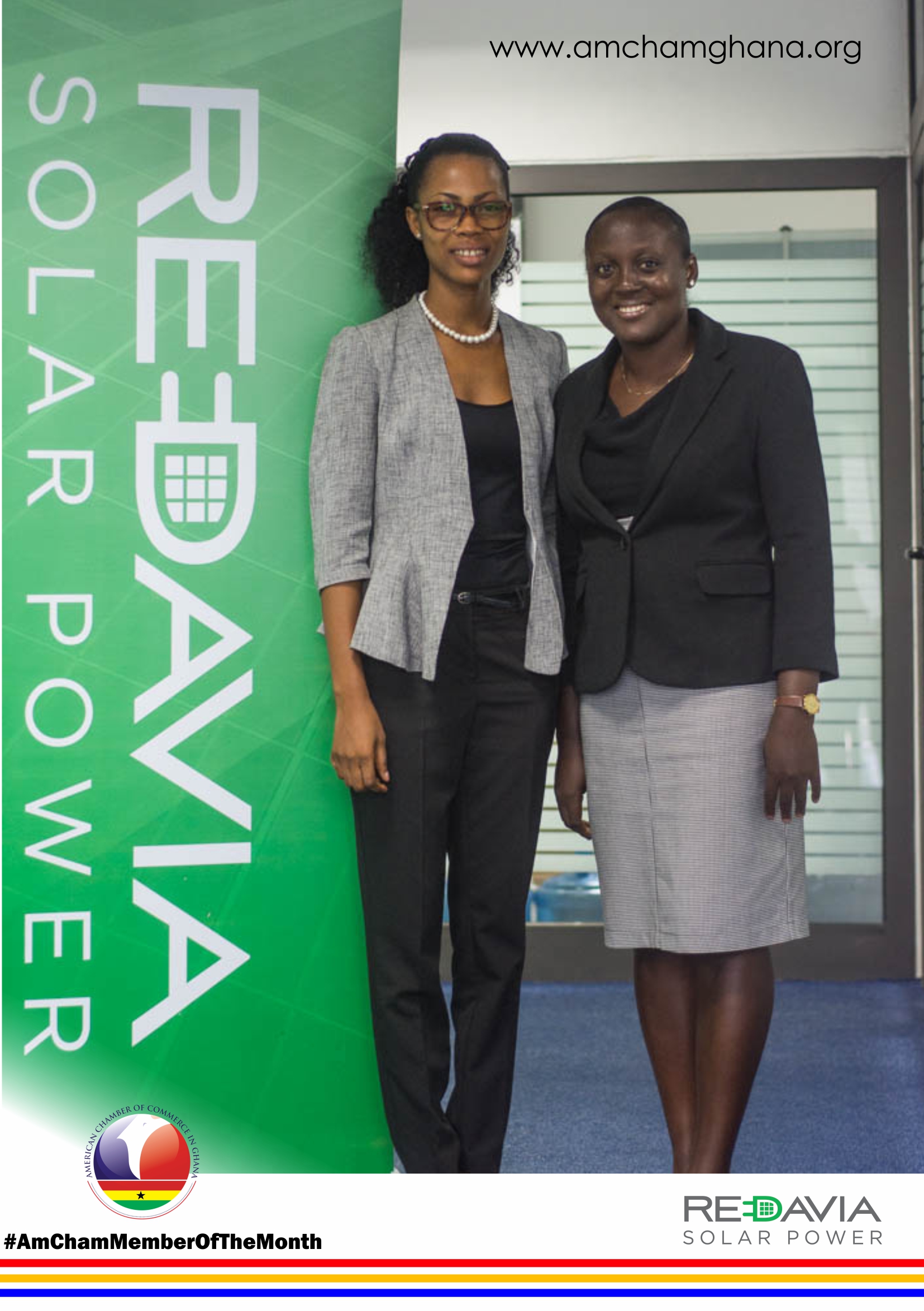
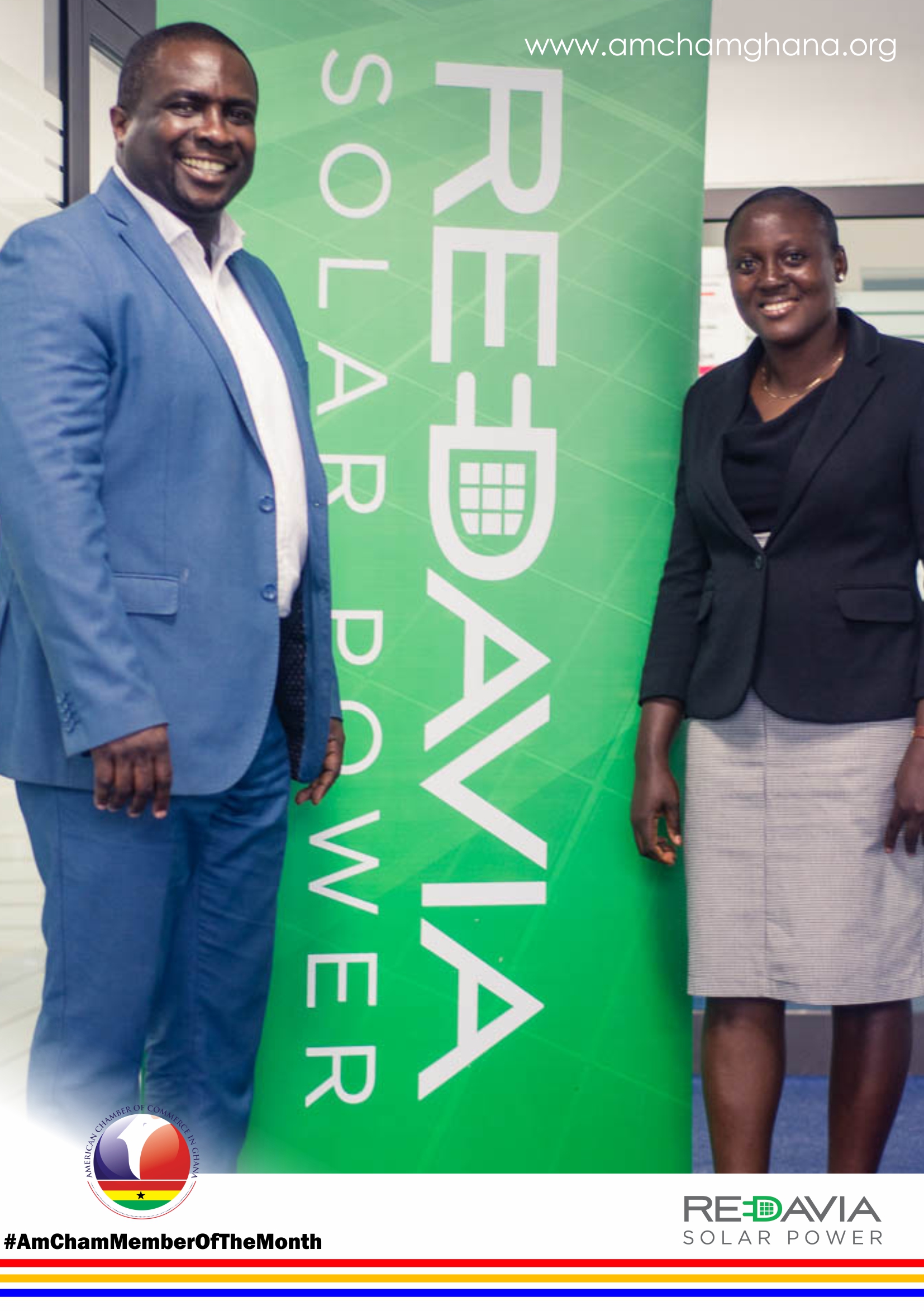
REDAVIA Solar Power, an industry leader in solar power is our Member of the Month for January. They are experts in agro-foods processing, manufacturing, mining, as well as service infrastructure, hospitality & real estate, communities and utilities.

Headquartered in Munich, Germany, REDAVIA serves its customers through local offices that help them deeply understand local challenges and establish fitting affordable, clean energy solutions.

The company opened its Ghana office in July 2017 and has since then delivered German-engineered technology at the heart of its containerized, easy to deploy solar farms. REDAVIA, through its Academy, ensures an ongoing knowledge transfer around renewable solar power to Ghanaian students and professionals with the aim to equip current and future generations with all relevant know-how.

In comparison to independent power producers, which typically demand around 20 years, fixed power purchase agreements, REDAVIA offers greater operational flexibility for their customers while also mitigating the risk for their funders. In addition, their approach allows them to provide customers with more consistent system quality, faster delivery, and simpler regulatory processes.

REDAVIA’S solution seamlessly integrates into existing power infrastructures, supplementing grid-connected power and/or diesel generators, using batteries when economic.

According to the company’s CEO,  Erwin Spolders, the decision to expand their presence in West Africa was a logical step in their business growth strategy and gives them the ability to serve their customers and prospects locally.

In 2018, REDAVIA signed an agreement with  Special Ice, a manufacturing company in the beverage industry in Ghana to deploy nine solar units and a total of 756 kWp to the Special Ice factory in the Oyarifa district in Accra.

At REDAVIA, they aim to significantly increase access to clean energy for businesses and households globally and at the same time uphold absolute integrity and maintain the highest standards in health and safety.

Click here for Company Overview and more at www.redaviasolar.com


Contact REDAVIA Ghana Asset Ltd. at

19 Kofi-Annan Street
Airport Residential Area Accra
Accra GA/R, Ghana
phone: +233 (0) 307 002 054

AmCham Host Students From The State University of New York at Buffalo

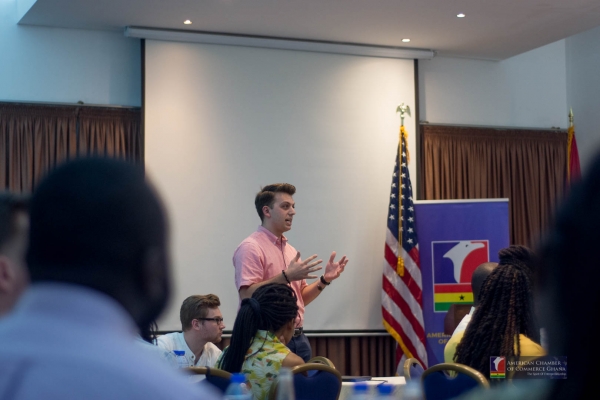
The American Chamber of Commerce, Ghana hosted some students from the State University of New York at Buffalo (UB) on Monday, 14th January 2019 as part of the University’s Social Innovation and Entrepreneurial Leadership Program. During the meeting, the students from UB had the privilege of interacting with AmCham Ghana President, Joe Mensah, some business executives from AmCham member companies and senior officials of the Ghana Investment Promotion Centre on the business environment in Ghana.

The students comprised medical and non-medical students, shared their experiences concerning their trip to various parts of the country focusing on their activities in health, economic development, business and sanitation among others.

Addressing the students at the beginning of the meeting, Mr. Joe Mensah noted that Ghana’s peaceful political atmosphere makes it a very attractive destination in West Africa for investors all over the world. He also noted that the common language (English) and similarity of laws of Ghana and many western countries makes Ghana even more attractive to investors.

According to him, the Government of Ghana, through its Ghana Beyond Aid Agenda, seeks to make the country self-sufficient. He however lamented the decline in the contribution of the agricultural sector to GDP in the country over the years but was optimistic of the progress being made in the sector in recent years. He commended the educational system of Ghana as being highly competitive and producing a highly skilled workforce and reiterated that Ghana is a good place to do business.

Representatives of the students from both the medical and non-medical fields gave an overview of the various activities they had undertaken in the country which included: running health clinics, visiting a number of businesses and market centers and tourist attractions. According to them, the experience which they described as invigorating also gave them an understanding of emerging trends in the Ghanaian economy.
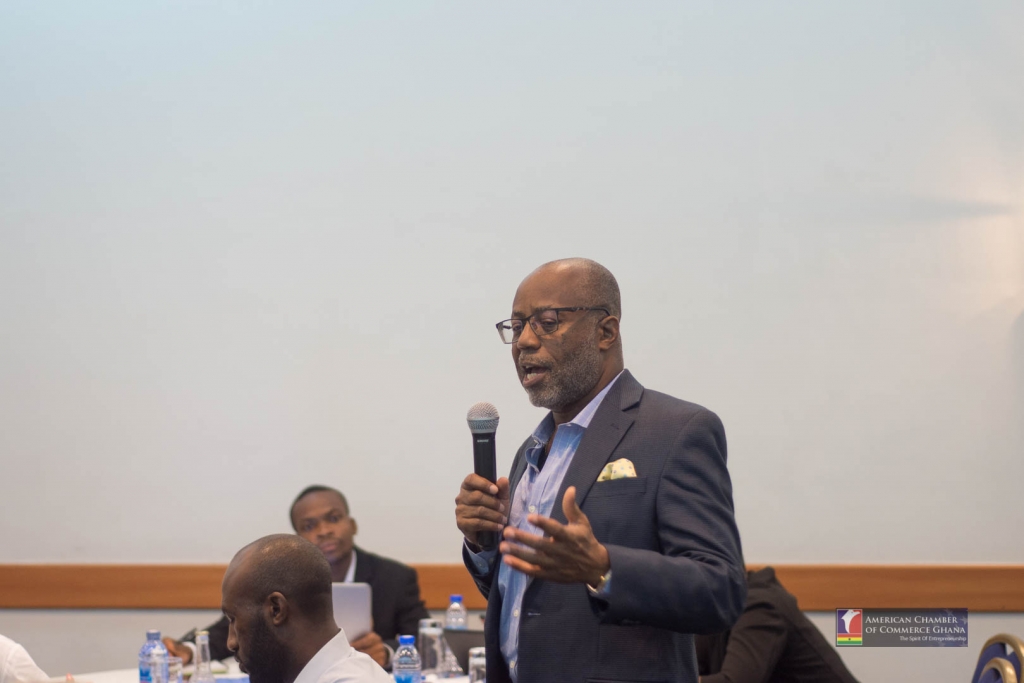
An important issue that was raised by the students during the meeting was how to manage business and ethics in Ghana. Some members of the Chamber present at the event noted that whiles corruption and leadership has been the bane of Africa and Ghana for that matter, businesses needed to stick with their principles, resist the urge to give in to corrupt practices and clearly define their brand to represent what they stand for. They added that, although it is not easy to fight corruption in the business environment in the country, some of them have persevered over the years.

The students also highlighted accessibility to healthcare, low level of education especially among women, infrastructure, protocols involved in transactions, corruption, lack of funding, limited number of doctors in rural areas, brain drain, and waste management as some of the challenges they observed in the country. The executives of AmCham encouraged the students to contribute to finding solutions to the challenges identified.

Chamber executives also noted that the presence of mentors to orient investors on the business and cultural environment in Ghana provides an opportunity for students and Ghanaian expatriates to do business in Ghana. They challenged the students to identify opportunities in the gaps they have identified in the country and propose suitable solutions to help bridge them.

[unitegallery 2019Event2]

Report : AmCham Breakfast Meeting To Discuss 2019 Economic Outlook

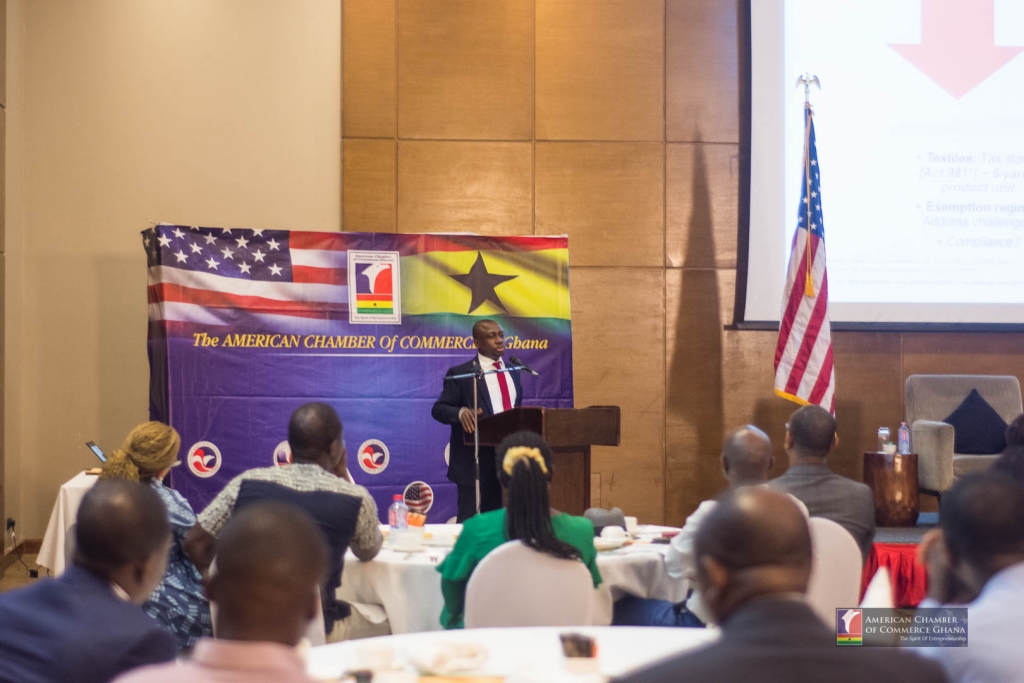
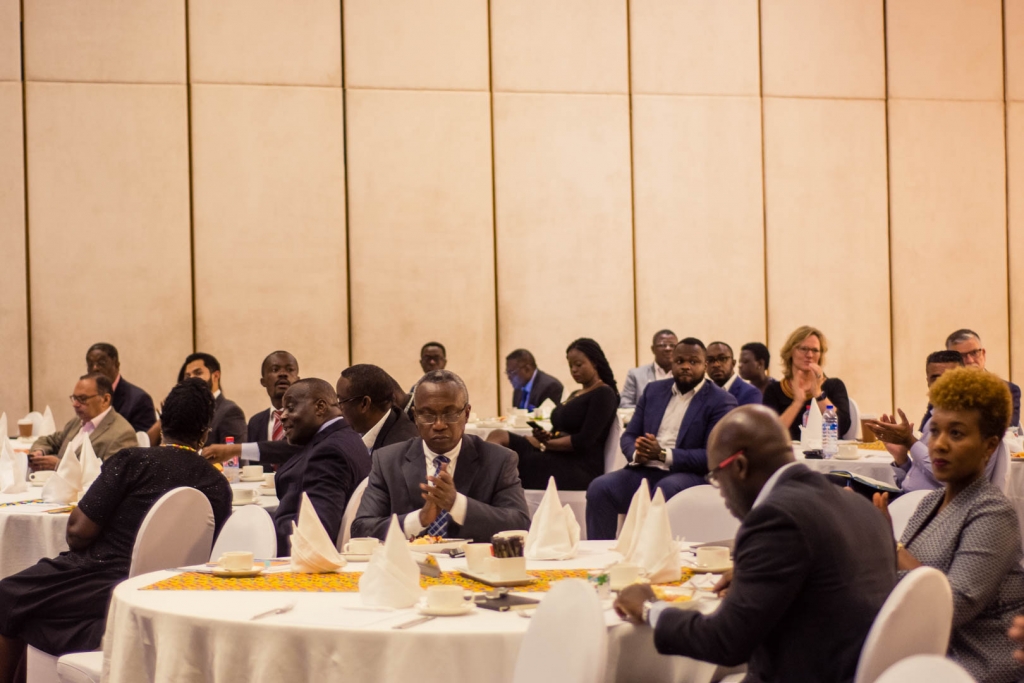
On Thursday, January 10th, 2019, the American Chamber of Commerce, Ghana held its maiden breakfast meeting on the theme “2019 Economic Outlook” at the Movenpick Ambassador Hotel in Accra. The objective of the meeting was to provide its members with critical information about the 2019 Budget Statement of the Government of Ghana as well as how other policy developments will impact the business environment.

Mr. Joe Mensah, President of AmCham Ghana, in his opening remarks, stated that the Chamber organized the meeting in collaboration with PwC to enable members to understand the economic outlook of the country, the new tax rules and regulations, and its implications on the business environment. According to him, it would help the Chamber progress in a positive direction and also strengthen its advocacy role to enable the government to move the economy in the right direction.

2019 Economic Outlook by Abeku Gyan-Quansah, Partner, Tax, PwC

The economy of Ghana is expected to record a real Gross Domestic Product (GDP) growth of 7.6% with the oil sector expected to drive growth, an end-of-year target inflation of 8% and a nominal GDP growth of about 15-16% according to the 2019 budget.

Meanwhile, the government expects to raise an anticipated revenue of GHS 58 billion against its intended expenditure of GHS 73.4 billion which will result in a deficit. About 77% (GHS 45 billion) of the entire government revenue is expected to be generated from taxes which comprises: taxes from income and property, goods and services and international trade. To achieve this revenue target will require more drastic tax and revenue measures and a drive towards compliance by the government given that the Ghanaian economy is largely informal. Also, the new Fiscal Responsibility Act requires that the Minister of Finance does not exceed a budget deficit of 5% except in exceptional circumstances. This implies that businesses will have to pay critical attention to tax regulations and ensure compliance as government will strictly pursue revenue mobilization.

The government has already outlined a number of tax measures under the various tax components. Under income and property tax, the government intends to increase the top marginal band to 30%, convert the mining sector exemption into equity, increase tax free band (tax wage earners that earn above the minimum wage), shift withholding tax in small scale mining from its current point to export, grant tax holidays to businesses under the One District One Factory (1D1F) initiative and effectuate housing tax concessions.
Tax measures on goods and services as well as international trade will include the introduction of tax stamps on textiles, zero-rating Value Added Tax (VAT) on locally manufactured textiles for three years to make the local textile industry more competitive and attractive and granting of tax exemptions to 1D1F enterprises and electric vehicles.

To improve domestic revenue mobilization, the government plans to intensify tax compliance by simplifying tax payment, reforming Ghana Revenue Authority (GRA) to enhance its performance, carrying out distress actions and prosecuting offenders.

Government will expand the tax base of the country by deploying Nation Builders Corps (NABCO) officers to assist GRA officers in revenue mobilization, deepening digitization and encouraging all Ghanaians to register for a Tax Identification Number (TIN) without which one cannot undertake a number of transactions in the country. Businesses must ensure their systems are properly updated to include the TIN of people they deal with.

Members of the Chamber were further educated on the TIN and the annual tax requirements to enable them to be compliant to tax regulations in the country in order to avoid the penalties and reputational damages they could face for defaulting their tax payment which could negatively affect their businesses.

Members also asked questions concerning the possible consequences the economy will face should the minister of finance exceed the 5% deficit, the complexity of expanding the tax base in the country, the need for the TIN and file numbers, relevance of money paid by informal sector businesses to government agencies and the availability of training programmes to educate members on how to file individual returns.

Mr. Joe Mensah during his concluding remarks acknowledged that the presentation was very insightful and thanked PwC for their support for the Chamber over the years. He noted that 2019 will be a great year for the Chamber and urged members of the Chamber to support each other to help drive American companies forward and fight corruption in the country.


Documents 

1. 2018 Tax Facts and Figures document and 
 
2. 2019 Budget Highlights document 


[unitegallery 2019Event1]

U.S. – Ghana Executive Business Roundtable Meeting With The President of Ghana

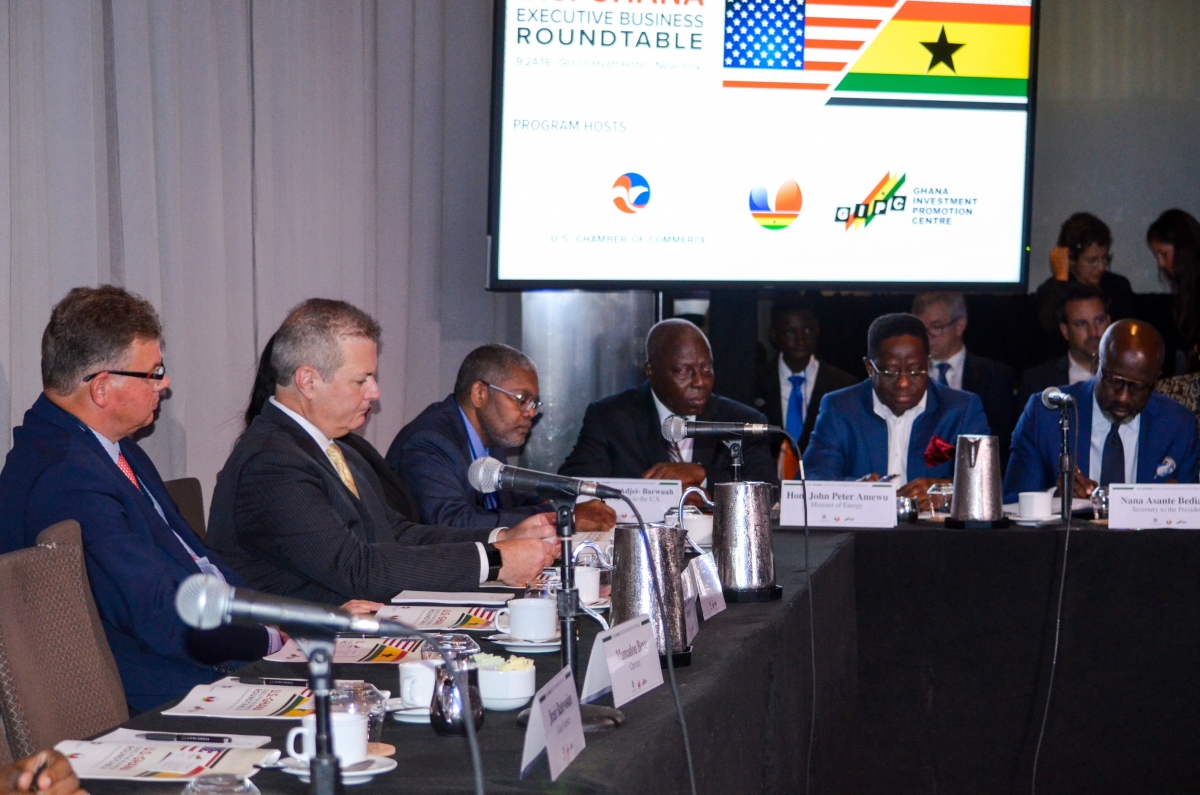
The U.S. – Africa Business Center in collaboration with the American Chamber of Commerce, Ghana and Ghana Investment Promotion Center on September 24, 2018 held a private ‘Executive Business Roundtable’ meeting with H.E. Nana Addo Dankwa Akufo-Addo. The event took place at the Grand Hyatt Hotel in New York, USA.

Discussions were held on the state of Ghana’s investment environment and means to further improve it to make it attractive to investors. This is in line with the President’s vision of industrializing the country.

Also, further discussions were held on the priority areas for FDI agreed between the U.S. Government and the Government of Ghana during U.S. Secretary of Commerce, Wilbur Ross’s visit to Ghana in July, 2018.

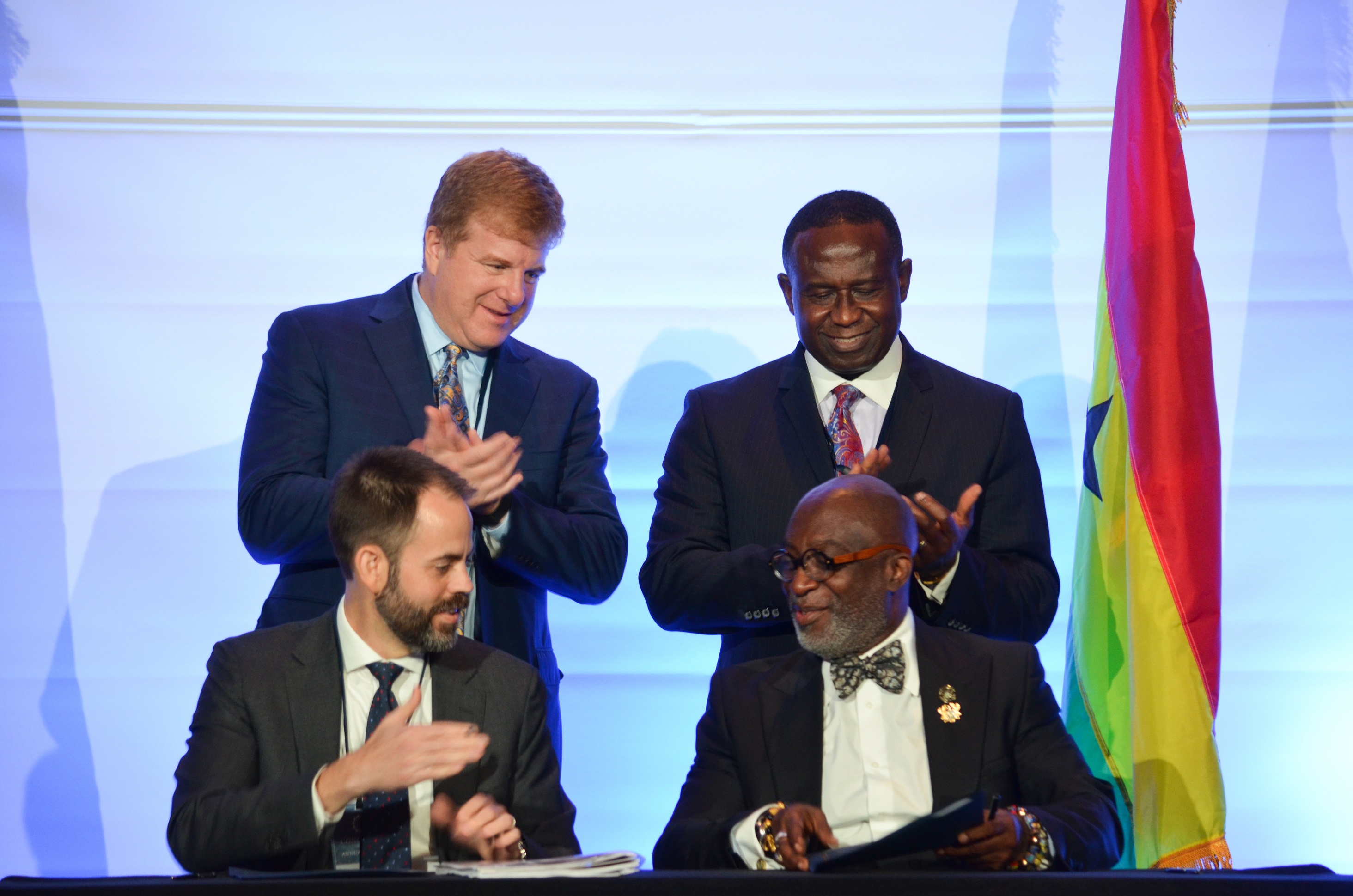
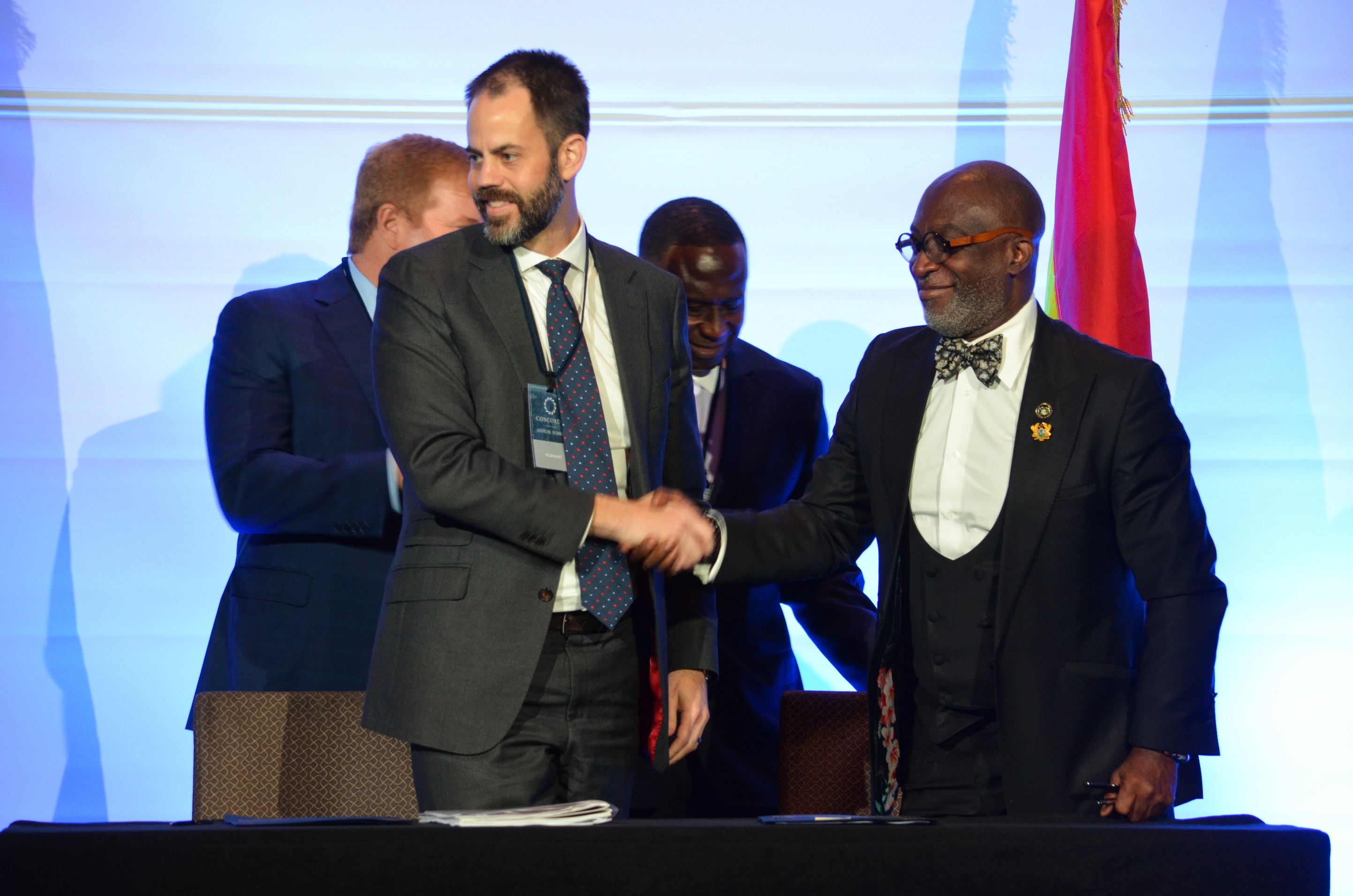
H.E. Nana Addo Dankwa Akufo-Addo also spoke about the advantages of investing in Ghana. This was followed by a Q&A session and the signing of an MoU between the U.S. – Africa Business Center and the Ghana Investment Promotion Center.

The MoU is to promote and drive Foreign Direct Investment (FDI) into Ghana, promote AGOA and market Ghana as a place to do business in Africa.

[unitegallery galley1]

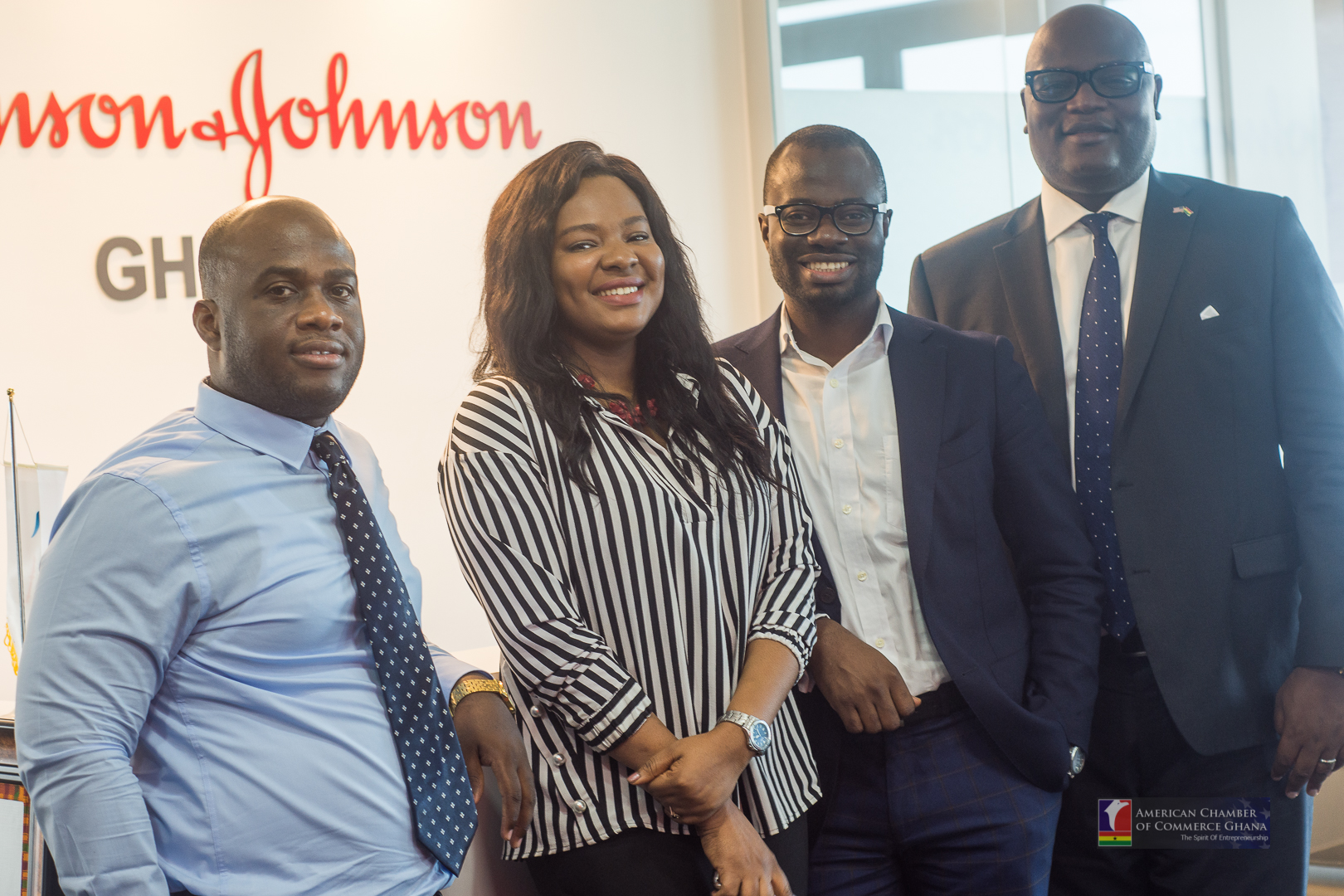
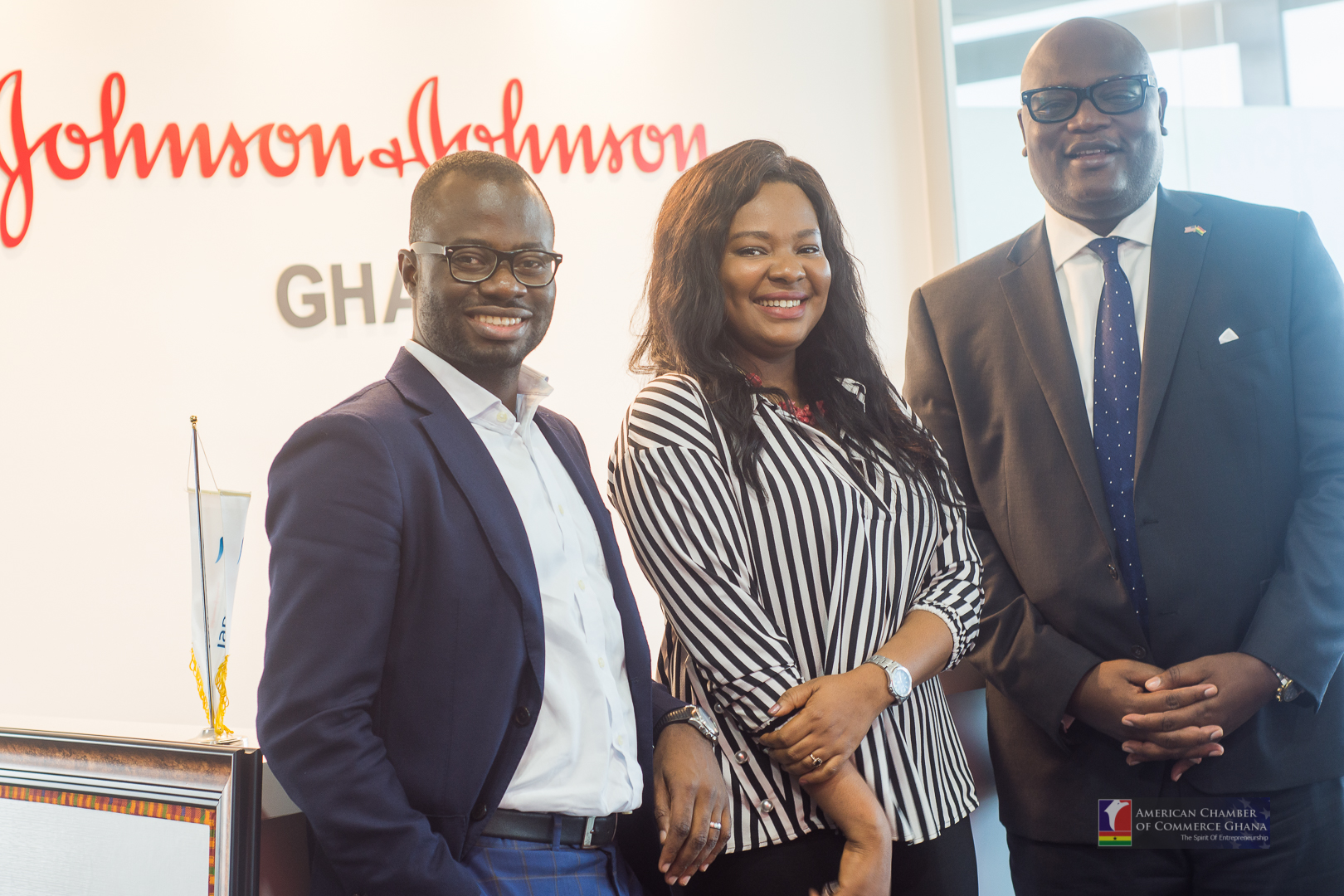
Johnson and Johnson Ghana to Embark on Mental Health Awareness Campaign

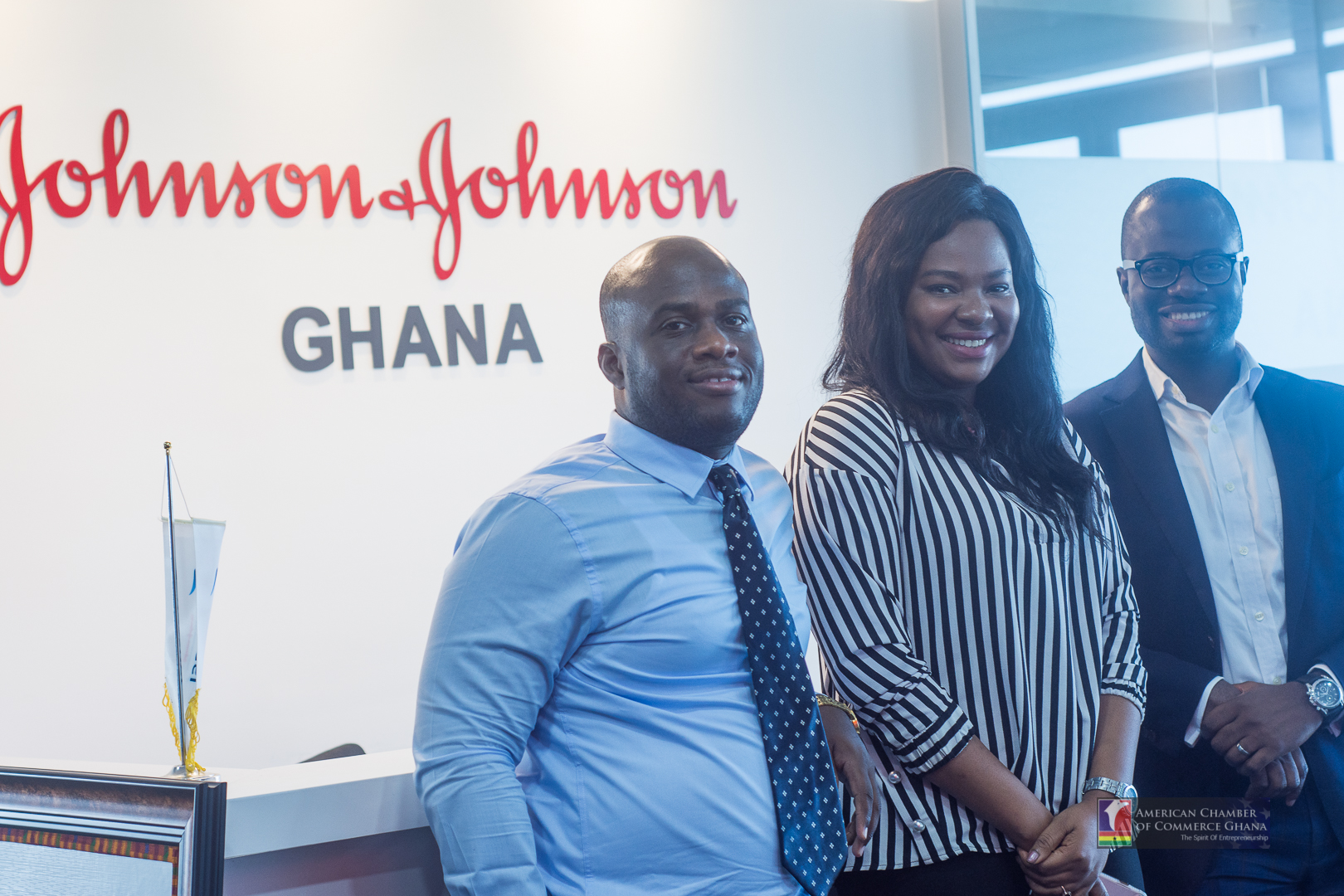
AmCham Ghana Executive Secretary, Simon Madjie paid a courtesy call on  Johnson & Johnson  Medical at their Ghana office. The visit was to interact with Management on the state of business since the company opened its Ghana office in Match 2017.

Mr. Madjie had several discussions with the Management of Johnson and Johnson, notable is the company’s initiative to create mental health awareness among the corporate world and the general public.  Johnson and Johnson Country Manager, Priscilla Owusu-Sekyere said mental illness appears to be common in the country but receives little to no attention.

According to the Ghana Health Service, about 41 percent of Ghanaians have some psychological disorder. For this reason, Ms. Owusu-Sekyere said mental health demanded more attention than it is getting.

Johnson and Johnson has already been doing some work in the area of mental health, in partnership with Basic Needs, they have donated medicine for mental health disorders and therapeutic techniques through gardening projects; the current gardening project benefits over 150 patients and over 100 care givers.

According Ms. Owusu-Sekyere, the current campaign will focus on schizophrenia, depression and other mental health illnesses.

Johnson & Johnson in Match 2017 announced the expansion of its operations in Africa with the launch of a new office in Accra, Ghana. The company’s new presence has brought together multiple teams representing Johnson & Johnson consumer, medical device, pharmaceutical and global public health (GPH) organizations to deliver an integrated approach to improving health outcomes in the region.