On Thursday, January 10th, 2019, the American Chamber of Commerce, Ghana held its maiden breakfast meeting on the theme “2019 Economic Outlook” at the Movenpick Ambassador Hotel in Accra. The objective of the meeting was to provide its members with critical information about the 2019 Budget Statement of the Government of Ghana as well as how other policy developments will impact the business environment.
Mr. Joe Mensah, President of AmCham Ghana, in his opening remarks, stated that the Chamber organized the meeting in collaboration with PwC to enable members to understand the economic outlook of the country, the new tax rules and regulations, and its implications on the business environment. According to him, it would help the Chamber progress in a positive direction and also strengthen its advocacy role to enable the government to move the economy in the right direction.
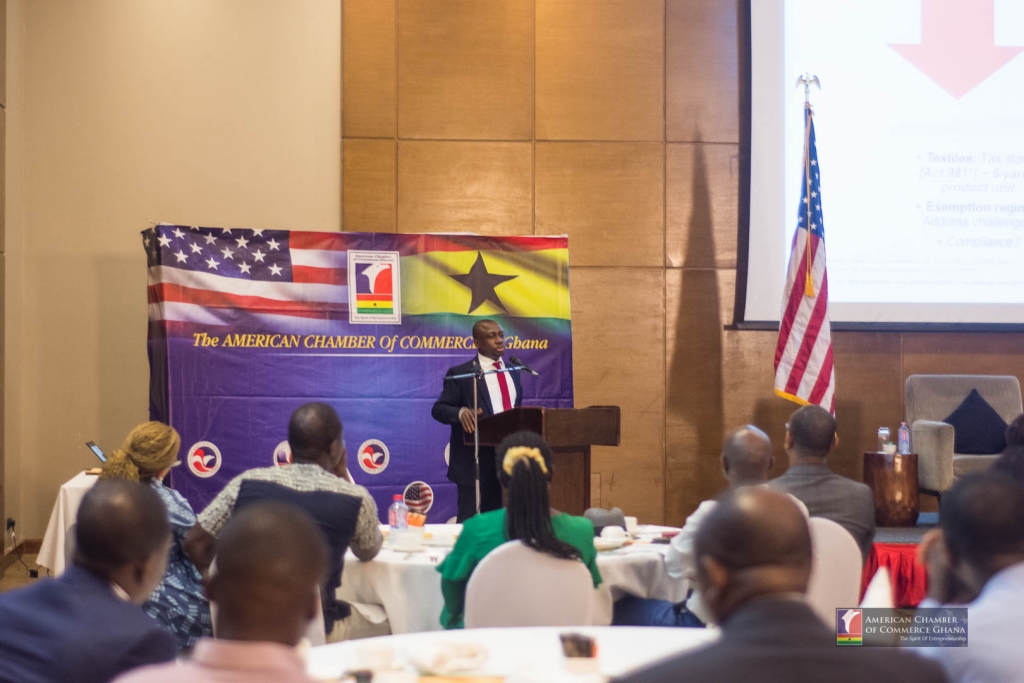
2019 Economic Outlook by Abeku Gyan-Quansah, Partner, Tax, PwC
The economy of Ghana is expected to record a real Gross Domestic Product (GDP) growth of 7.6% with the oil sector expected to drive growth, an end-of-year target inflation of 8% and a nominal GDP growth of about 15-16% according to the 2019 budget.
Meanwhile, the government expects to raise an anticipated revenue of GHS 58 billion against its intended expenditure of GHS 73.4 billion which will result in a deficit. About 77% (GHS 45 billion) of the entire government revenue is expected to be generated from taxes which comprises: taxes from income and property, goods and services and international trade. To achieve this revenue target will require more drastic tax and revenue measures and a drive towards compliance by the government given that the Ghanaian economy is largely informal. Also, the new Fiscal Responsibility Act requires that the Minister of Finance does not exceed a budget deficit of 5% except in exceptional circumstances. This implies that businesses will have to pay critical attention to tax regulations and ensure compliance as government will strictly pursue revenue mobilization.
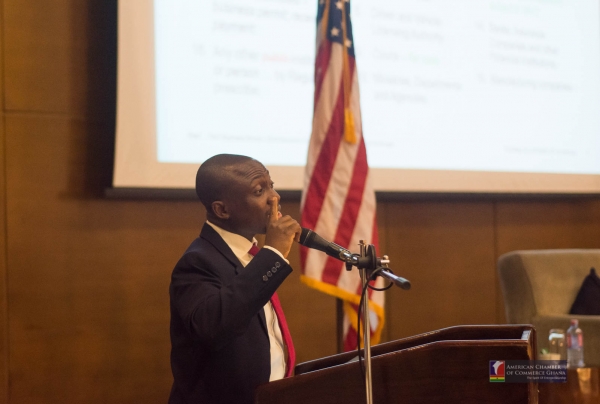 The government has already outlined a number of tax measures under the various tax components. Under income and property tax, the government intends to increase the top marginal band to 30%, convert the mining sector exemption into equity, increase tax free band (tax wage earners that earn above the minimum wage), shift withholding tax in small scale mining from its current point to export, grant tax holidays to businesses under the One District One Factory (1D1F) initiative and effectuate housing tax concessions.
Tax measures on goods and services as well as international trade will include the introduction of tax stamps on textiles, zero-rating Value Added Tax (VAT) on locally manufactured textiles for three years to make the local textile industry more competitive and attractive and granting of tax exemptions to 1D1F enterprises and electric vehicles.
To improve domestic revenue mobilization, the government plans to intensify tax compliance by simplifying tax payment, reforming Ghana Revenue Authority (GRA) to enhance its performance, carrying out distress actions and prosecuting offenders.
Government will expand the tax base of the country by deploying Nation Builders Corps (NABCO) officers to assist GRA officers in revenue mobilization, deepening digitization and encouraging all Ghanaians to register for a Tax Identification Number (TIN) without which one cannot undertake a number of transactions in the country. Businesses must ensure their systems are properly updated to include the TIN of people they deal with.
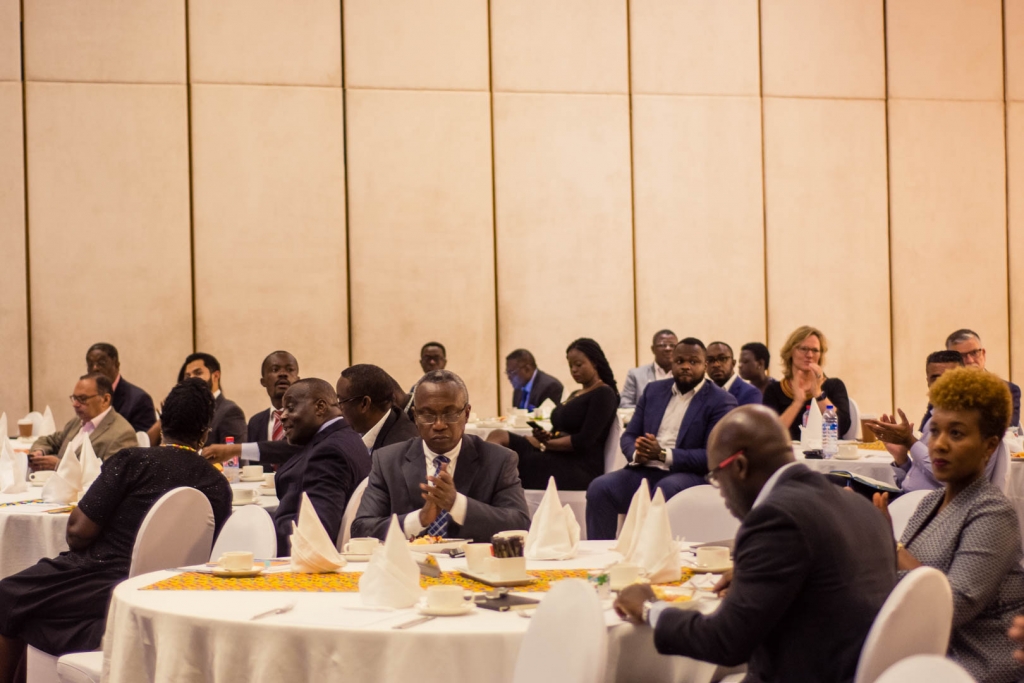
Members of the Chamber were further educated on the TIN and the annual tax requirements to enable them to be compliant to tax regulations in the country in order to avoid the penalties and reputational damages they could face for defaulting their tax payment which could negatively affect their businesses.
Members also asked questions concerning the possible consequences the economy will face should the minister of finance exceed the 5% deficit, the complexity of expanding the tax base in the country, the need for the TIN and file numbers, relevance of money paid by informal sector businesses to government agencies and the availability of training programmes to educate members on how to file individual returns.
Mr. Joe Mensah during his concluding remarks acknowledged that the presentation was very insightful and thanked PwC for their support for the Chamber over the years. He noted that 2019 will be a great year for the Chamber and urged members of the Chamber to support each other to help drive American companies forward and fight corruption in the country.
Documents
1. 2018 Tax Facts and Figures document and
2. 2019 Budget Highlights document
[unitegallery 2019Event1]



