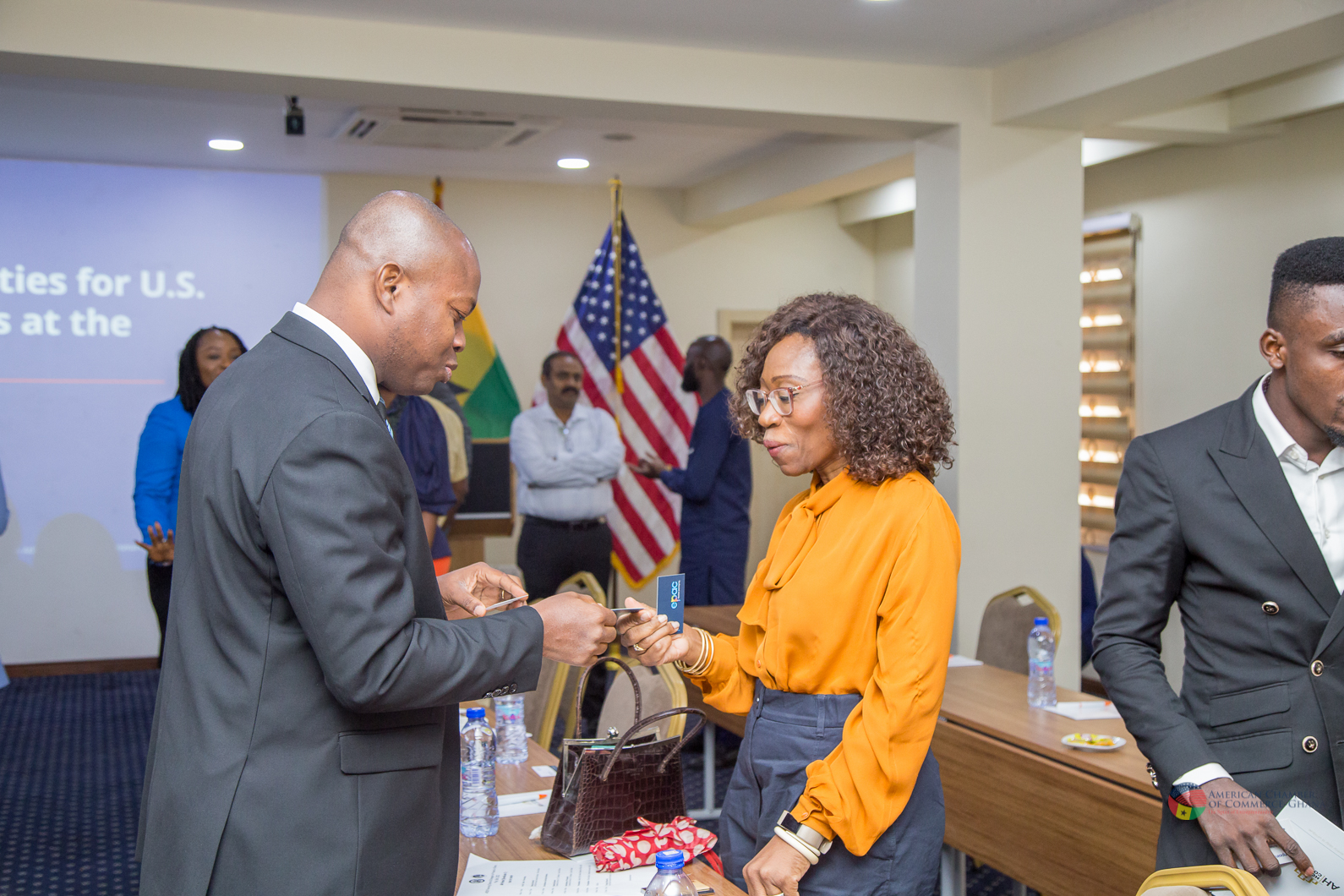
AmCham 2022 Black History Month Celebration

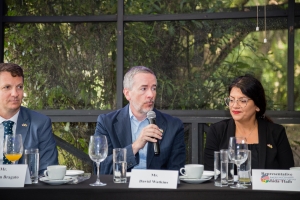
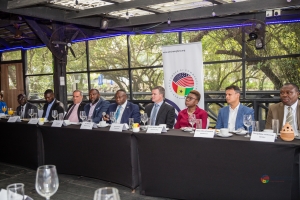
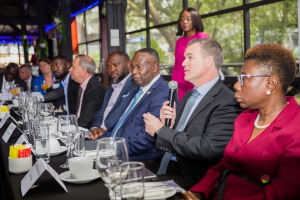
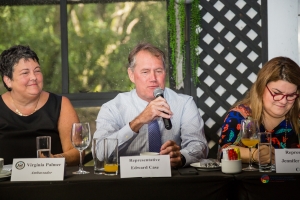
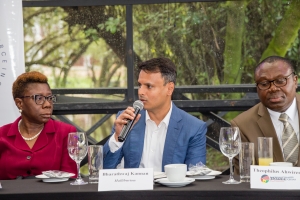
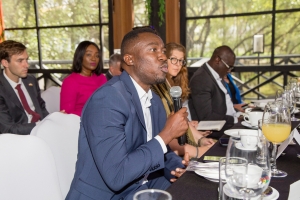
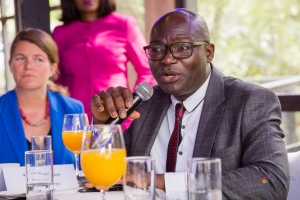
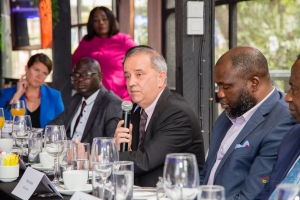
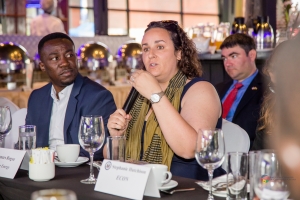
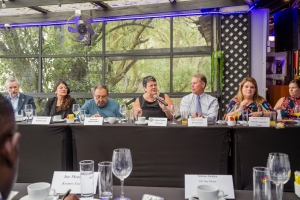
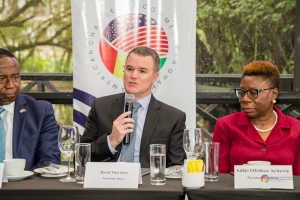
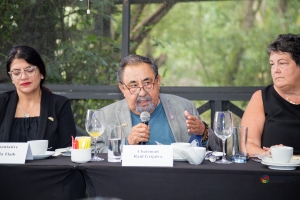
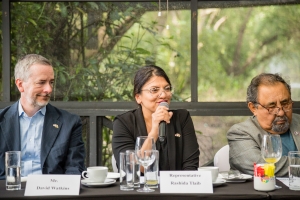
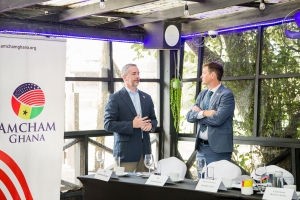
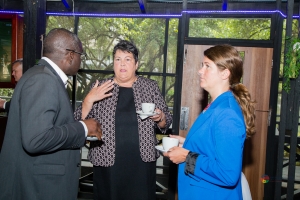
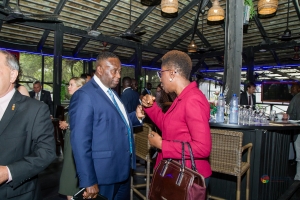
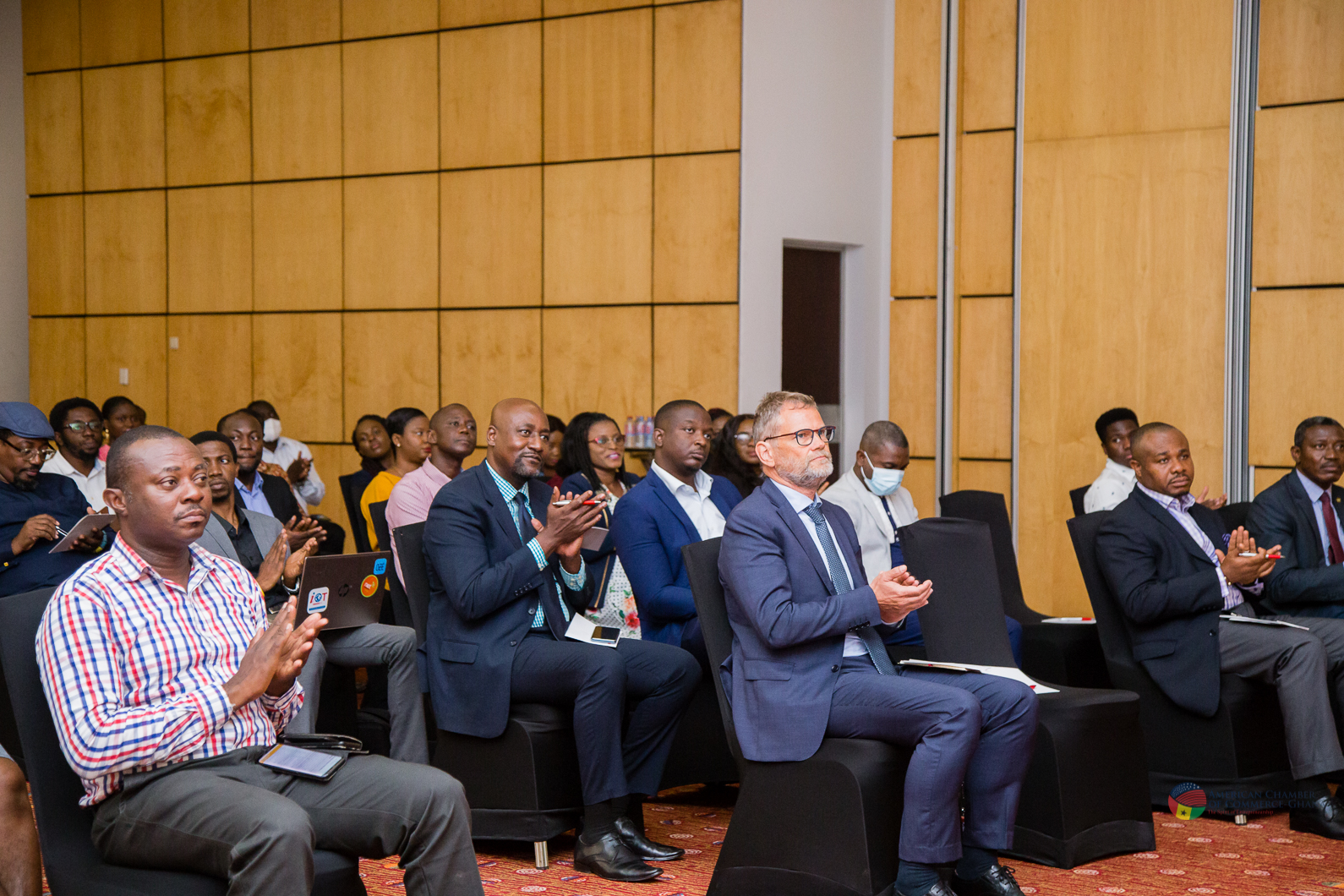
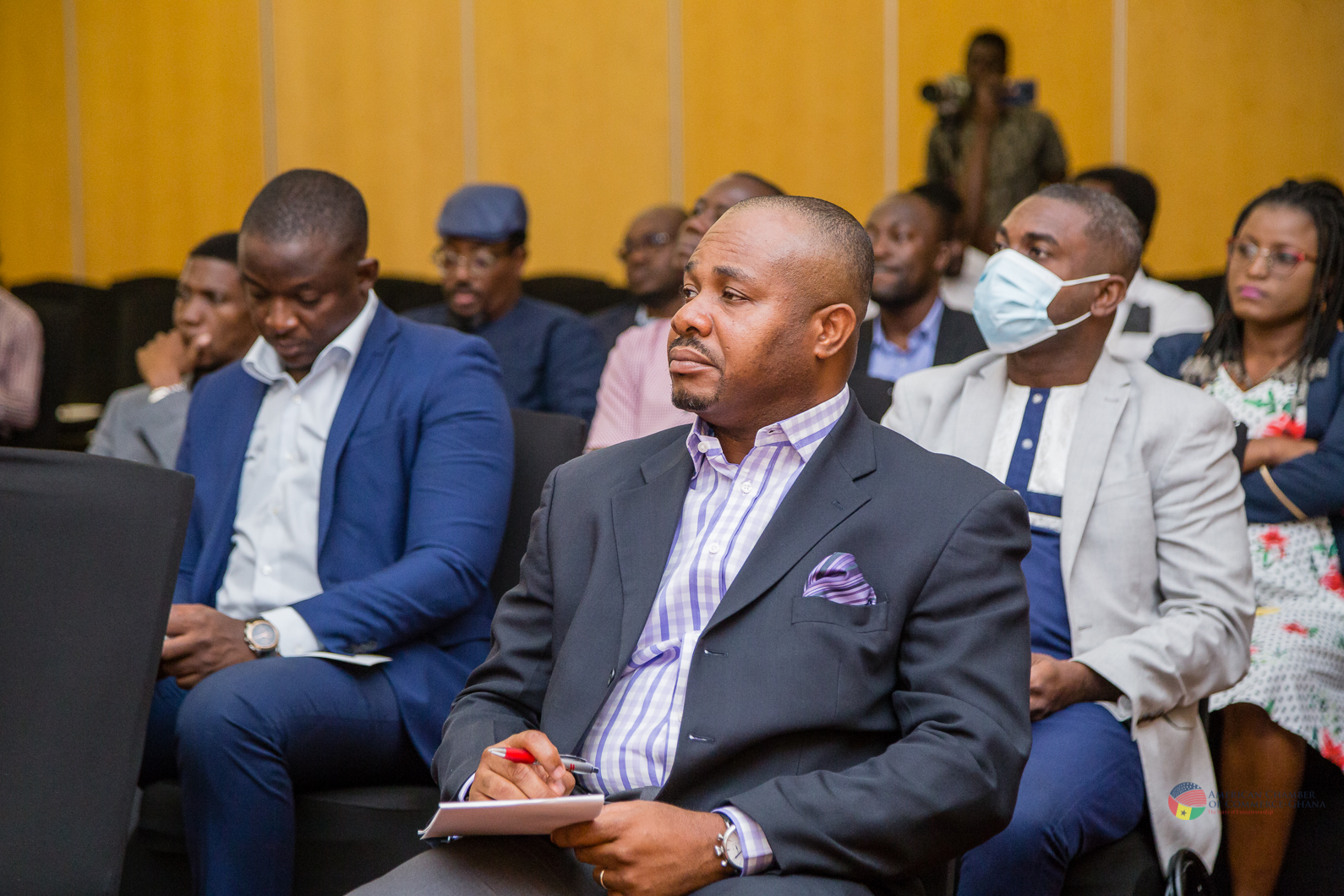
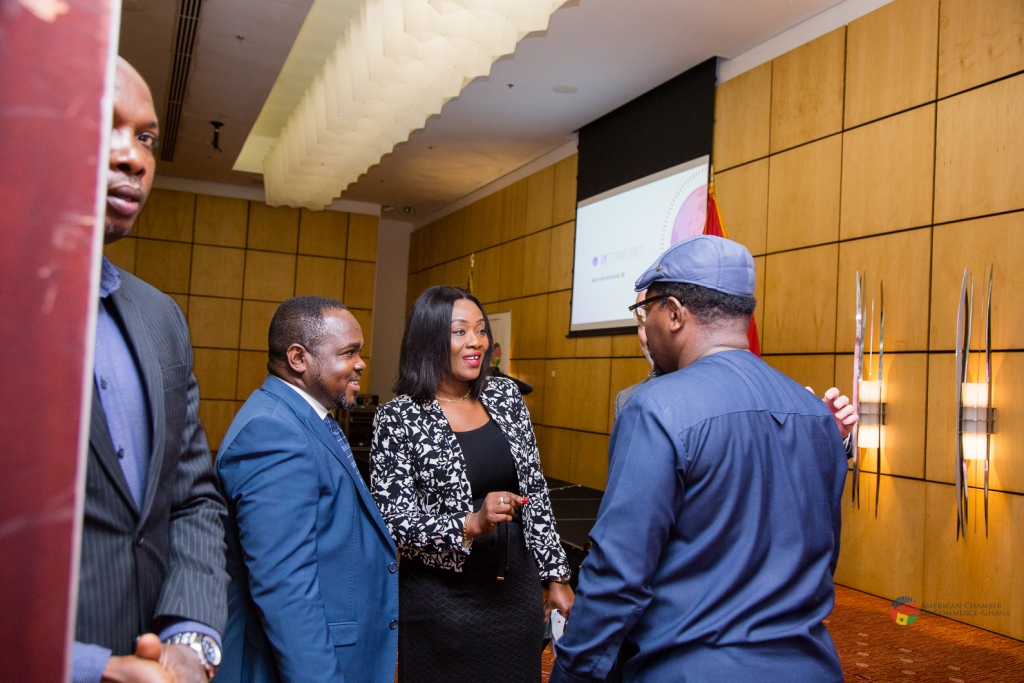
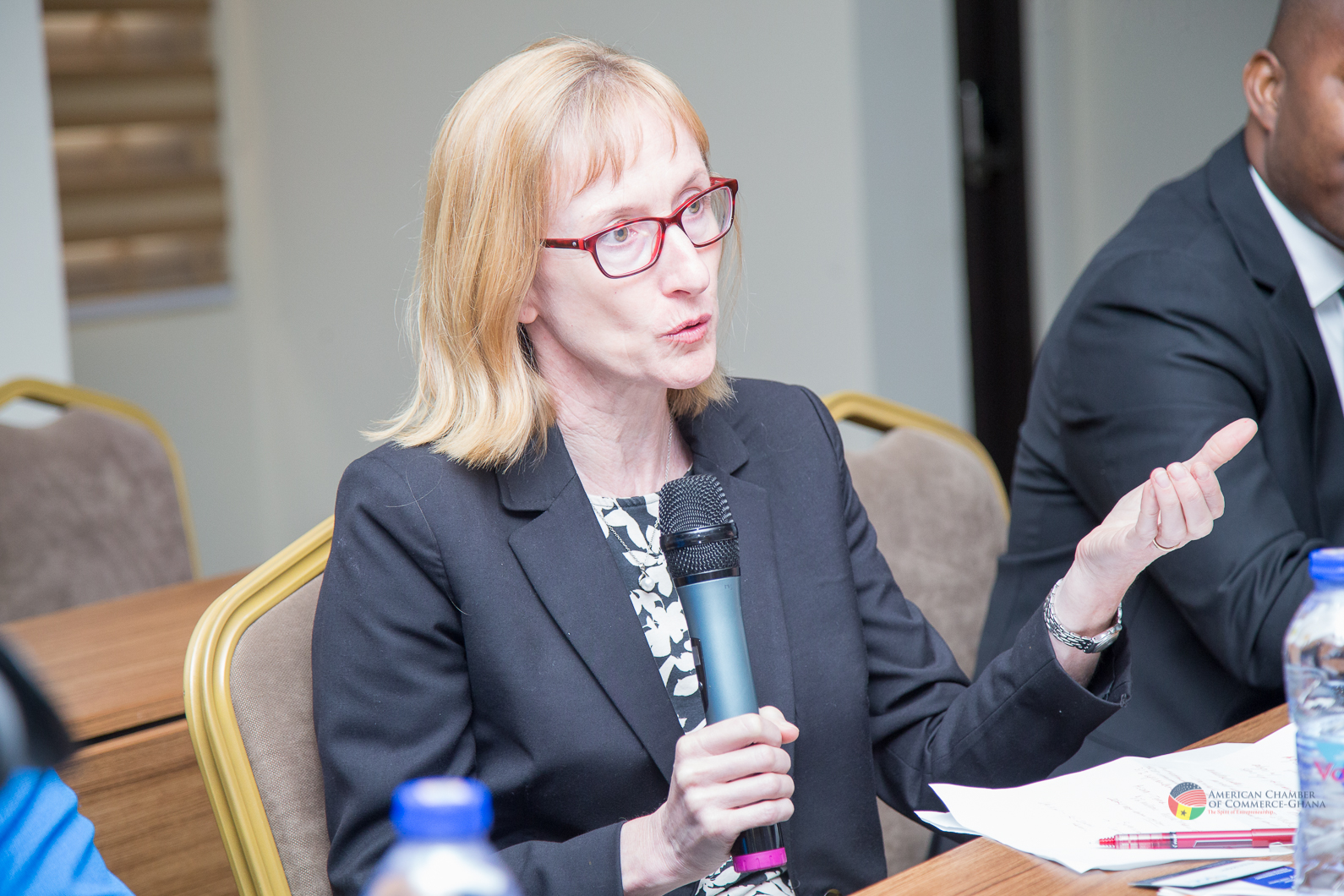
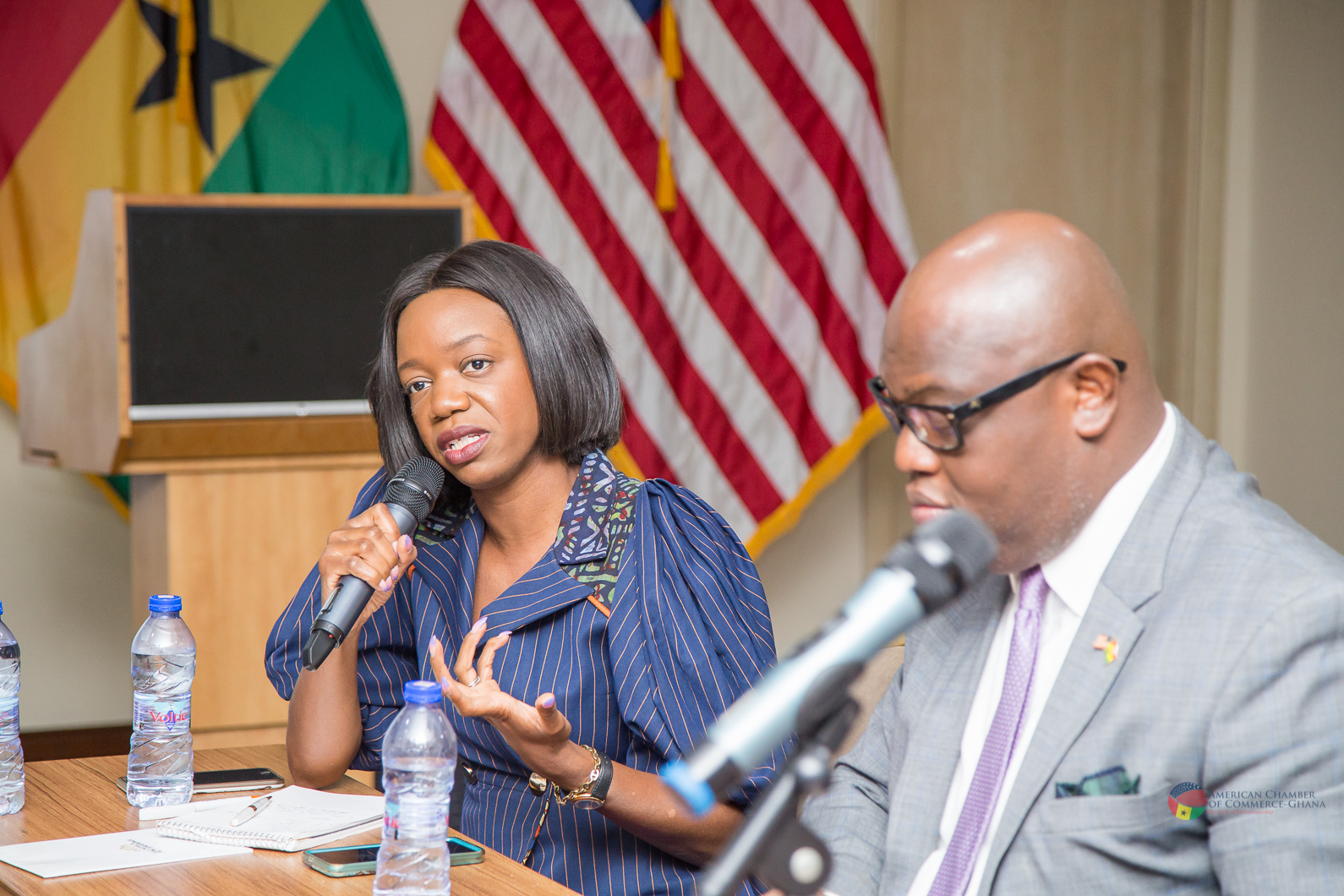
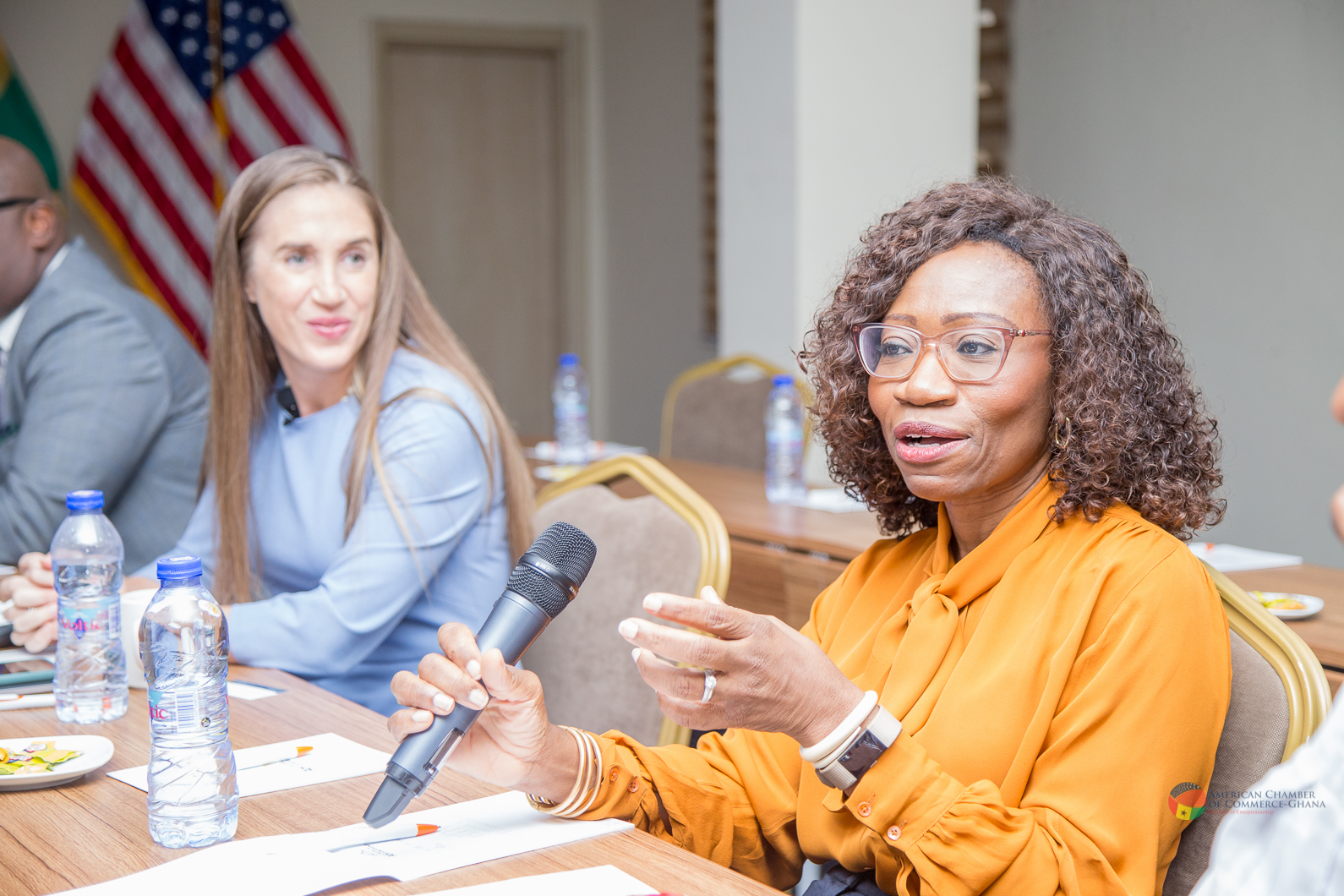
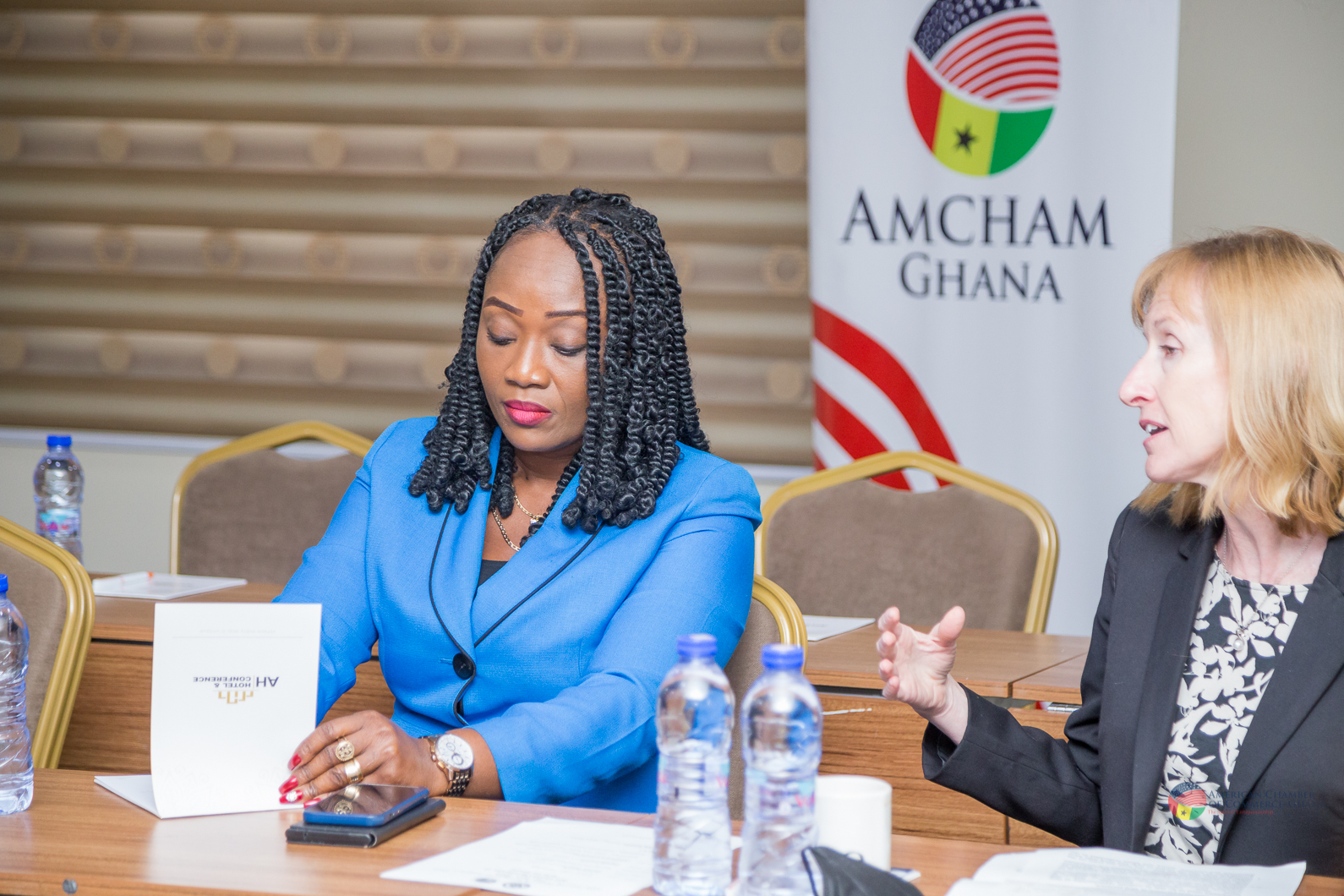
The American Chamber of Commerce, Ghana, in collaboration with Webster University Ghana Campus and Yaw Pare Photography, on February 24, 2022, marked the 2022 Black History Month celebrations with art at the Webster Ghana campus.

Held under the theme,  The Health and Wellness of Accepting the Remnants of a Haunted Past. (The role of Forts and Castles of Ghana, by Yaw Pare), the event was attended by members, friends, and associates of the Chamber and our organizing partners.

The 2022 AmCham Black Month celebration featured remarks from the Chamber’s Executive Secretary, Simon Madjie, and Membership, External Relations, and Project Manager, Jane Okyere-Aduachie. It also featured remarks from the President of the African-American Association of Ghana, Sherrie Thompson, the Academic Director at Webster Ghana, Dr. Linda Deigh, and Yaw Pare who shared the story behind his new book, Remnants of a Haunted Past: Forts and Castles of Ghana.

The forts and castles themselves bear witness to the horrors of the transatlantic slave trade and slavery, so too do these photographs provide compelling material and visual testimonies, offering possibilities for understanding that words do not. Yaw’s camera captures a reality that many choose to remember but just as many choose to forget. Ultimately, Remnants of a Haunted Past: Forts and Castles of Ghana constitutes an attempt to document the past so that it is never forgotten in the present.

The event featured poetry on the beauty of Ghana and a drama skit reenacting the horrors of the slave trade.

Black History Month is an annual celebration of achievements by African Americans and a time for recognizing their central role in U.S. history. Also known as African American History Month, the event grew out of “Negro History Week,” the brainchild of noted historian Carter G. Woodson and other prominent African Americans. Since 1976, every U.S. president has officially designated the month of February as Black History Month. Other countries around the world, including Canada and the United Kingdom, also devote a month to celebrating Black history.

The State of Security in West Africa | An Epidemic Of Coup D’États;” Is West Africa Still Attractive For FDI?

The Chamber, on Wednesday, February 23, 2022, hosted a webinar on the state of security in West Africa to discuss the impact of the various coups on Foreign Direct Investment to the region.

Speaker for the event, Mutaru Mumuni Muqthar, Executive DirectorWest Africa Centre for Counter-Extremism, provided insight into the history of coup d’etats in West Africa.

His presentation also covered the threat of extremism in the region, stating that about 53% of West African countries are currently experiencing terrorist violence. According to Mutaru, piracy has also descended from the Horn of Africa to the waters of the Gulf of Guinea. “Gulf of Guinea is currently the deadliest waters globally. 43% of all piracy incidents took in the Gulf of Guinea in Q1 of 2021.”

Despite these challenges, Mutaru maintained that West Africa is still attractive for Foreign Direct Investment. Nigeria, he said attracted one-tenth of all FDI in 2020, notwithstanding threats of terrorism and COVID-19.  The continent continues to see a huge increase in FDI. “A year after the pandemic, there has been more than $4.7 billion in venture funding.”

Watch the full event below.

AmCham 2022 Ghana Economic Outlook Forum

AmCham Ghana on January 28, 2022, hosted the 2022 edition of the Ghana Economic Outlook forum. Speakers for the event included Abeku Gyan-Quansah, Tax Partner at PwC Ghana, and Eric Osei-Assibey, Associate Professor at the Department of Economics at the University of Ghana.

Their presentations focused on the practical implications of the 2022 budget, provided insight into the government’s tax provisions, fiscal and monetary development, debt sustainability, and key macroeconomic performance and targets.

They also shared insight on the upside and downside of the country’s economic outlook.

Watch the full session below.


Click to Download

AmCham Ghana Commissions Its New Secretariat

The United States Ambassador to Ghana, Stephanie Sullivan, on Friday, 17 December 2021, commissioned the new AmCham Ghana secretariat at no. 10 Mensah Wood Avenue, East Legon, Accra. 

Also present at the commissioning were AmCham Ghana President, Ayesha Bedwei Ibe, Executive Secretary, Simon Madjie, Counselor for Commercial Affairs at the U.S Embassy in Ghana, Dean Matlack, Former AmCham Ghana President, William Ohrt, some Chamber members, associates, and staff.

Speaking at the event, Ambassador Sullivan noted that, ”AmCham Ghana has its eye on the future as it looks to position itself for success in Africa’s rapidly changing business environment.”  ”AmCham plays an important role in attracting and keeping those companies in Ghana,” she added.

The new AmCham Ghana secretariat hosts the newly created African Continental Free Trade Area (AfCFTA) Resource Center aimed at proving U.S. companies an in-depth understanding of the implementation of the AfCFTA agreement as well as helping them navigate opportunities presented by the continental trade pact.

Commenting on the Resource Center, the Ambassador noted that Africa’s economy continues to develop and opportunity is ripe for the AfCFTA to deliver on its promise to expand intra-regional trade and capture new foreign direct investment. ”And with this new Resource Center, Ghana will be there to help American companies navigate those opportunities,” she added.

Our President, Ayesha Bedwei Ibe, during her remarks, expressed her appreciation to members and associates for their continued support and noted that as part of the Chamber’s effort to boost trade between Ghana and the United States, AmCham will hold forums targeted at helping Ghanaian businesses invest in the United States.

AmCham U.S. – Ghana Franchising Roundtable

The American Chamber of Commerce, Ghana, on December 6, 2021, hosted  Cynthia Griffin, Minister Counselor for Commercial Affairs for Sub-Saharan Africa in Accra, for a roundtable discussion on building a sustainable and profitable franchise ecosystem in Ghana.

The roundtable held under the theme, Creating a Profitable Franchise Market in Ghana, had in attendance Dean Matlack, Counselor for Commercial Affairs at the U.S Embassy in Ghana, and selected franchisees including UPS, Burger King, U.S. Tampico, Pizza Hut, Harley Davidson, MAC Cosmetics, and Pinkberry. Also present at the meeting were AmCham Ghana Executive Secretary, Simon Madjie, Jane Okyere-Aduachie, AmCham Ghana Membership, External Relations and Project Manager, representatives from the U.S. Embassy in Ghana, as well as a representative from the law firm, Kimathi, and Partners.

In 2020, there were an estimated 753,770 franchise establishments in the United States with an economic output of 670 billion U.S. dollars, employing about 7.49 million people.

Dean Matlack, Counselor for Commercial Affairs at the U.S Embassy in Ghana, during his remarks said he believes Ghana is well-positioned to grow its franchise industry and indicated that it is a priority for his office. He also added that franchising has a lot of potential in promoting bilateral trade between the United States and Ghana.

The guest speaker for the event, Cynthia Griffin, noted the importance of understanding the new franchising schemes and stressed the need to create an enabling business environment to help new and existing franchises grow. ”We need a proper business environment to develop a franchise industry.”

The meeting also featured discussions on some challenges faced by franchisees, such as supply chain integration and the cost of importing equipment and other inputs. Attendees noted the importance of creating auxiliary industries to manufacture machinery and services to help cut the cost of doing business.

The franchise roundtable also doubled as the inaugural meeting of the newly formed Franchise Committee. An AmCham Ghana initiative in collaboration with the U.S. Commercial Service in Ghana aimed at creating a platform where franchisees and other professionals dialogue on pressing issues, share ideas, and advocate for a favorable business environment.


2021 AmCham Ghana Thanksgiving Dinner And Awards Night

The American Chamber of Commerce, Ghana, on Saturday, November 20, 2021, hosted the U.S. Ambassador to Ghana, Stephanie S. Sullivan, corporate executives, and chamber members for this year’s #Thanksgiving Dinner and Awards night. The event was held under the theme, Celebrating U.S. – Ghana Partnership; Unlocking New Opportunity for Growth. 

The #AmChamGhanaThanksgiving dinner is held annually to honor and appreciate individuals and companies that have contributed in various to support chamber activities and aid in its development.

Our Guest of Honor, Ambassador Stephanie S. Sullivan, was celebrated for her leadership and contributions to strengthening cultural and commercial relations between the United States and Ghana. ”This year’s celebration is particularly meaningful for me, as I expect it to be my last in Ghana as U.S. Ambassador, a position I am truly grateful and honored to hold,” the Ambassador noted in her remarks.

”This evening, I reflect on the many challenges and hardships we have endured since the onset of the COVID-19 pandemic.  Few families have been spared the pain of loss over the last, nearly two years. It’s at Thanksgiving that we gather to remember the blessings we have, even as we mourn the loss of so many. None of us could have anticipated the unprecedented effects this pandemic has had on our day-to-day lives, not to mention those felt by companies and workers around the world, as they struggled to survive and adapt to ever-changing business conditions. I am truly proud of how the United States has worked closely with Ghana since the start of the pandemic, contributing more than $30 million dollars to support Ghana’s COVID-19 response across a range of sectors,” She added. Read the full speech here.

The chamber also used the occasion to award former AmCham Ghana President, Joe Mensah, Kimathi Kuenyehia, Managing Partner of Kimathi & Partners, Franklin Asare, CEO of Techgulf, and Kosmos Energy Ghana HC, for their dedication and immense contribution to the development of the chamber.

Companies and individuals that supported various chamber events throughout the year were presented with certificates of appreciation for their contributions.

This year’s Thanksgiving dinner was sponsored by Kosmos Energy Ghana HC, PwC Ghana, Cummins Ghana, Newmont Ghana, Masco Foods (KFC Ghana), Emergent Payments, Cargill Ghana, Delta Airlines, and Coca-cola Bottling Company of Ghana Limited.

AmCham Health Forum On Prostate Cancer Management in Ghana

The American Chamber of Commerce, Ghana (AmCham) on 2nd November, 2021 organized a health forum on prostate cancer management in Ghana. The forum which was on the theme “Prostate Cancer Treatment in Ghana – Status Quo and the Way Forward” attracted both private and public sector stakeholders in Ghana’s health industry.

The event featured remarks from Ghana’s Minister of Health, Hon. Kwaku Agyemang-Manu and Dr. Joel Yarney, the Head of the Medical Centre for Radiotherapy and Nuclear Medicine at the Korle-Bu Teaching Hospital, on the policy direction towards prostate cancer treatment and funding in Ghana, and prostate cancer care in the country from the medical practice perspective, respectively.

The forum also involved a panel discussion on providing and sustaining prostate cancer care in Ghana. The forum brought to light the challenges affecting men’s access to improved healthcare with regards to prostate cancer; the roles of the National Health Insurance Authority (NHIA), the Ministry of Health (MoH) and industry in promoting prostate cancer care. Also, important recommendations were made by the panelists and various experts on ways to finance and improve prostate cancer treatment in order to make it more affordable.

The forum was opened by Mr. Simon Madjie, Executive Secretary of AmCham, who welcomed participants and provided the context for the forum. He then introduced the distinguished personalities and called on Ayesha Bedwei, President of AmCham to give the opening remarks for the event.

Ayesha Bedwei, President, AmCham in her brief remarks acknowledged the participants and invited guests at the forum. She underscored the importance of men’s health and indicated that the health forum seeks to educate, create awareness, stimulate discussions and provide directions on the way forward as well as close the gap with regards to men’s access to prostate cancer care.

Henry Osei- Agyekum, Country Manager, Johnson & Johnson Mr. Osei-Agyekum in his remarks highlighted the severity of prostate cancer stating that with an estimated 1.4 million new cases and 375,000 deaths worldwide annually, prostate cancer is the second most common cancer and the fifth leading cause of cancer deaths among men. In Ghana, however, he noted that it was the leading cause of cancer deaths among men. He emphasized the important role of Johnson & Johnson in improving the health of people by developing innovative medicines, devices and other solutions. According to him, one of the priorities of Johnson & Johnson is to enable access to everyone everywhere at the same time.

To this end, in Ghana, the company is currently operating in the oncology therapy area to advance healthy outcomes by ensuring healthcare professionals and patients have access to the information, programs and support they need to achieve the best results possible.

He added that Johnson & Johnson’s initiatives in Ghana on improving the patient’s journey include disease awareness campaigns; patient navigation and patient support programs; and supporting policies and projects on prostate cancer and other relevant disease areas.

He again emphasized Johnson & Johnson’s commitment to helping patients and noted that a strong collaboration among the various stakeholders -business, academia, society and government- will help provide adequate interventions that will help promote positive health outcomes

Dr. Baffour Awuah delivered remarks on the Policy Direction Towards Prostate Cancer Treatment and Funding in Ghana on behalf of Honorable Kwaku Agyemang-Manu, Minister of Health, Ghana.

Dr. Awuah in his remarks commended AmCham for bringing the subject of prostate cancer management for public discussion. He noted that globally, cancer constitutes a major public health burden, remains an important cause of morbidity and mortality with incidence projected to rise in the coming decade.

He stated that nearly two-thirds of these new cases are anticipated to be recorded in low and middle-income countries (LMICs) such as Ghana, where infectious diseases remain a major public health challenge. According to him, more than 70% of cancer patients in Low-Income Countries are expected to die from the disease compared to about 30% in Western countries.

He added that prostate cancer is rated the second most common cancer and sixth leading cause of cancer deaths among men globally, with over 1.1 million cases and 300,000 deaths estimated in 2012. With reference to data from the Kumasi Cancer Registry covering the Kumasi Metropolitan Area, he stated that the total number of cancer cases recorded from 2012 to 2017 was 3,773 comprising 1,280 males and 2,493 females. Out of this, he indicated that the number of prostate cancer cases was 218, with their age ranging from 27-99 years. Thus, 6% of all the recorded cancers and 17% are all male cancers.

He highlighted age as one of the major risk factors for prostate cancer and mentioned challenges that affect the effective and efficient management of prostate cancer in Ghana: low level of awareness, lack of formalize screening, weak health promotion programs, late presentation of patients to health facilities, poor access to care, high cost and unavailability of appropriate medications, lack of adequate follow-up, and inherent social norms and beliefs.

According to him men diagnosed with prostate cancer face a unique set of emotional issues. First is the overwhelming diagnosis of cancer and second, the stigma associated with prostate cancer often prevents men from seeking early medical attention. Besides, the available treatment options for prostate cancer are not readily available to many individuals due to poor access to care and the challenge of cost treatment.

He again emphasized the importance of the forum and highlighted two important initiatives by the Ministry of Health (MoH). First, he revealed that the Non-Communicable Disease Policy which takes cancers into consideration has been reviewed and is ready for implementation by the MoH. Second, he stated that the Universal Health Coverage Road Map developed by the MoH- with the aim of providing all people living in Ghana with timely access to high quality health care irrespective of one’s ability to pay at the point of use- is also ready for implementation.

With the implementation of these two policies at hand, he stated that the forum was very essential and that the MoH will welcome recommendations from the event especially in the areas of access to care and funding for prostate cancer.

He concluded by thanking the various stakeholders for their collaboration to improve the management of prostate cancer in men in the country.

Dr. Joel Yarney, Head of the Medical Center for Radiotherapy and Nuclear Medicine, KBTH, remarked on Prostate Cancer care in Ghana: The Medical Practice Perspective.

Dr. Joel Yarney made an extensive presentation on prostate cancer care in Ghana. He mentioned the signs and symptoms of Benign Prostrate Hypertrophy (BPH) and highlighted the top 10 causes of death in Ghana: malaria, lower respiratory infections, neonatal disorders, ischemic heart disease, stroke, HIV/ AIDS, tuberculosis, diarrheal diseases, road injuries and diabetes. He also pointed out the leading causes of death globally as stated by the Human Development Index (HDI).

With regards to incidence, mortality and prevalence by cancer in Ghana, he noted that prostate cancer ranked 4th, next to cancers of the breast, liver and cervix. He however bemoaned the low quality of data on cancer incidence in developing countries including Ghana and noted that predicted cancer cases are high in developing countries compared to more developed countries.

He also highlighted the life expectancy at birth by gender in Ghana as well as the age standardized incidence and mortality rates of the top 10 cancers in the world. He further explained that the probability of developing prostate cancer among those within the age groups of 50 to 59 was 1 out of every 57 persons; 60 to 69 was 1 out of every 21 persons and 70 to 79 was 1 out of every 12 persons. He noted that the probability of developing prostate cancer from birth to death was 1 in every 9 persons whiles from birth to the age of 49 the probability of developing prostate cancer stood at 1 out of every 441 persons.

According to him the challenges of addressing prostate cancer were late presentation by patients, distribution of treatment and investigative tools, drug availability, cost of treatment, referral patterns and level of care, complementary and alternative medicine use and policy gap, diagnosis (pathology service), and distribution and number of specialists for specialized techniques. He then emphasized the need for policy direction on the use of alternative medicines.

He added that the causes of delay in cancer diagnosis and treatment include poor cancer awareness, poor performance, referral issues, waiting lists, and sub-optimal resources as well as financial, logistical and psychological barriers.

He further explained the prostate screening recommendations, assessment and treatment of prostate cancer; the advantages and disadvantages of the various treatment modalities; prostate cancer natural history; complementary and alternative medicines; quality assurance in oncology; and the National Guideline for Cancer Management.

He indicated that although relevant stakeholders have ensured a drastic reduction in the price of prostate cancer drugs, they were still costly and unaffordable to the majority of prostate cancer patients. He also revealed that prostate cancer could be treated in the country but there are currently only three treatment centers: two in Accra and one in Kumasi. He also noted that although the MoH has developed the National Guide for Cancer Management, it is not available to health professionals.

The panel was moderated by Kwabena Asante Offei, Senior Manager, Government Affairs & Policy, East Africa at Johnson & Johnson. The panelists comprised Professor J. E. Mensah, Urologist, KBTH; Mr. Ikechukwu Ofuani, Director, World Government Affairs and Policy, West Africa; Dr. Adwoa Twum Barima, National Health Insurance Authority (NHIA); Dr. Eric Boateng, MoH; Gloria Yankson, Project Director Cancer Connect GH; Henry Osei- Agyekum, Country Manager, Johnson & Johnson.

The panel explored challenges affecting patients access to prostate cancer care; and the role of industry and the NHIA in promoting access to prostate cancer treatment. The panel also made recommendations to improving healthcare financing with regards to prostate cancer as well as on ways of improving access to healthcare.

Keys issues from panel discussions includes challenges affecting patients access to prostate cancer treatment.

A number of factors affect patients’ ability to access treatment for prostate cancer. They include:

Financial Barriers: The high cost of prostate cancer treatment is one of the major challenges affecting patients access to treatment. Currently, the cost of prostate cancer drugs in Ghana have been reduced from GHS 12,000 to GHS 3,500. However, this remains unaffordable to many people due to poverty and especially as patients are required to purchase the drug every month.

Inadequate Equipment: The equipment required to effectively and efficiently treat prostate cancer (including other cancers) are very expensive and unaffordable by many health centers across the country and this in turn increases the cost of cancer treatment at the few treatment centers in the country.

Fragmented Services: Another barrier affecting patients access to healthcare is the lack of a single location where patients can receive most, if not all, of their medical care. Often patients are required to go to different places for different treatments and this could be costly and challenging.

Social and Psychological Pressures: Men generally take up the responsibility of providing for their families (in some cases including their extended families) and as such tend to suppress their health needs in order to appear responsible. Also, culturally, men are not supposed to express emotional weakness and therefore do not share their
innermost challenges including health related issues which tend to have a negative impact on them in the long run.

Post-Retirement Challenges: Usually, men attract prostate cancer when they are old and almost due for retirement from active work. As a result, they have very limited financial resources to seek quality healthcare especially post-retirement.

Industry players have contributed to advancing prostate cancer care in Ghana by reducing the cost of drugs, providing quality medication, ensuring affordable pricing, providing psycho-social support to patients, embarking on advocacy through partnerships to create awareness and providing health education.

Role of NHIA and the MoH in promoting treatment of cancers

NHIA Coverage of cancers: The NHIA covers about 95% of the country’s disease burden with the majority being Non-Communicable Diseases. The NHIA keeps expanding it disease coverage and over the years, the scheme has included cervical and breast cancers. Currently, there are a lot of pressure from several advocacy groups to ensure
that different diseases are covered under the NHIA. In deciding which diseases to cover, the NHIA takes into consideration a number of factors including the long-term cost, NHIS cashflow, sustainability, and economic valuation (cost-benefit analysis) among others.

The NHIS seeks to systematically expand its coverage of cancers, but ultimately, it seeks to ensure that every intervention is sustainable. Also, with the development of the Noncommunicable Disease Policy by the MoH, the NHIS will align with the various directives enshrined in the policy as it relates to prostate cancer.

Coverage of Supportive Investigative Treatments: The NHIS currently covers some supportive investigative treatments in prostate cancer such as Prostate Specific Antigen (PSA), Ultrasound, Computed tomography (CT) Scan, Magnetic Resonance Imaging (MRI) among others. The challenge however is that many service providers are not aware of these provisions under the NHIS.

Competition for Resources: There is competition for funding and resources by various diseases. The government, however, prioritizes diseases that tend to affect wider population groups (such as malaria) and can be addressed with limited funds rather than spending relatively more funds and resources on diseases that affect small population group (such as cancers).

Recommendations

The panelists and the various stakeholders made the following important recommendations on ways to finance and improve prostate cancer treatment in order to make it more affordable.

Private Health Insurance: Access to prostate cancer treatment can be enhanced through private health insurance. Where people have access to private health insurance (through their employers), they frequently seek treatment for all kinds of illness but where they are not covered by health insurance, they are often reluctant to seek medical treatment due to the high costs involved.

Policy Change/Free HealthCare: There is the need for a change in policy to ensure that men receive medical support especially with regard to prostate cancer. A free healthcare policy in Ghana will ensure increased access to quality healthcare because it will eliminate the financial barriers that people experience when trying to access health services.

However, sufficient financial resources are needed for the government to finance such an initiative to ensure that it remains sustainable.

Quality Data on Prostate Cancer: There is the need to generate quality data on the prevalence and effects of prostate cancer in Ghana. This is because although prostate cancer has the tendency to affect every male, the current level of data on the disease is low. An improved statistics is required to drive a change in policy in the way the disease
is managed in the country.

Specialized Health Insurance for Cancer: The government should establish a special cancer fund where men in their active years of work can contribute towards it in order to accumulate enough funds to cater for cancer treatments. This could be achieved through strong advocacy and public sensitization.

Government Support: Government support in terms of procuring and supplying the highend equipment to the relevant health centers could ensure that treatment of prostate cancer is affordable to the general public.

Review of the NHIS: There is the need for stakeholders to review the NHIS to ascertain the aspects of cancer treatments that are covered under the scheme. This will help to ensure that such treatments are fully operational.

Specific Training For Service Providers: The NHIS provides general training to service providers and other stakeholders periodically. However, the NHIS should provide more specific training to service providers to enable them provide improved services to their clients.

Dr. Kumah-Aboagye, , Director-General, Ghana Health Service, in closing the forum highlighted the key points from the presentation and panel discussion. He also stressed the need for innovative health financing as well as the importance of investing in the health sector.

Virtual Meeting on Business and Cybersecurity: Emerging Cyber Threats

Many people think that cyber security refers to the software and monitoring that protect their email, operating system, network, and printing devices from malicious attack or data theft. Admittedly, this is a large and important part of cyber security for businesses. But management and employees also play a significant role in making sure your company is protected.

In this month of cybersecurity awareness, AmCham Ghana, on October 27, 2021, collaborates with one of the leading business advisory firms KPMG for a virtual meeting on Emerging Cyber Threats in the business environment. Speakers at this event were the Associate Director for the IT Advisory unit of KPMG,  Samuel Aluko, and Information Protection and Business Resilience Manager, Chris Owusu-Ansah.

According to the KPMG Cyber Security Catalogue, cyber risk is an everyday business consideration in the way that threats in the real world have always been.

Discussions focused on the cyber threat landscape, cyber resilience, key cyber considerations for business, and regulatory requirements and standards.

The event also featured a cyber game that shared light on cyber risks and what management can do to address these risks.

Kindly watch the full meeting below for an insight into everyday cyber threats that businesses are exposed to and what can be done to avoid or mitigate its impact.